Artwork
Twelfth Night
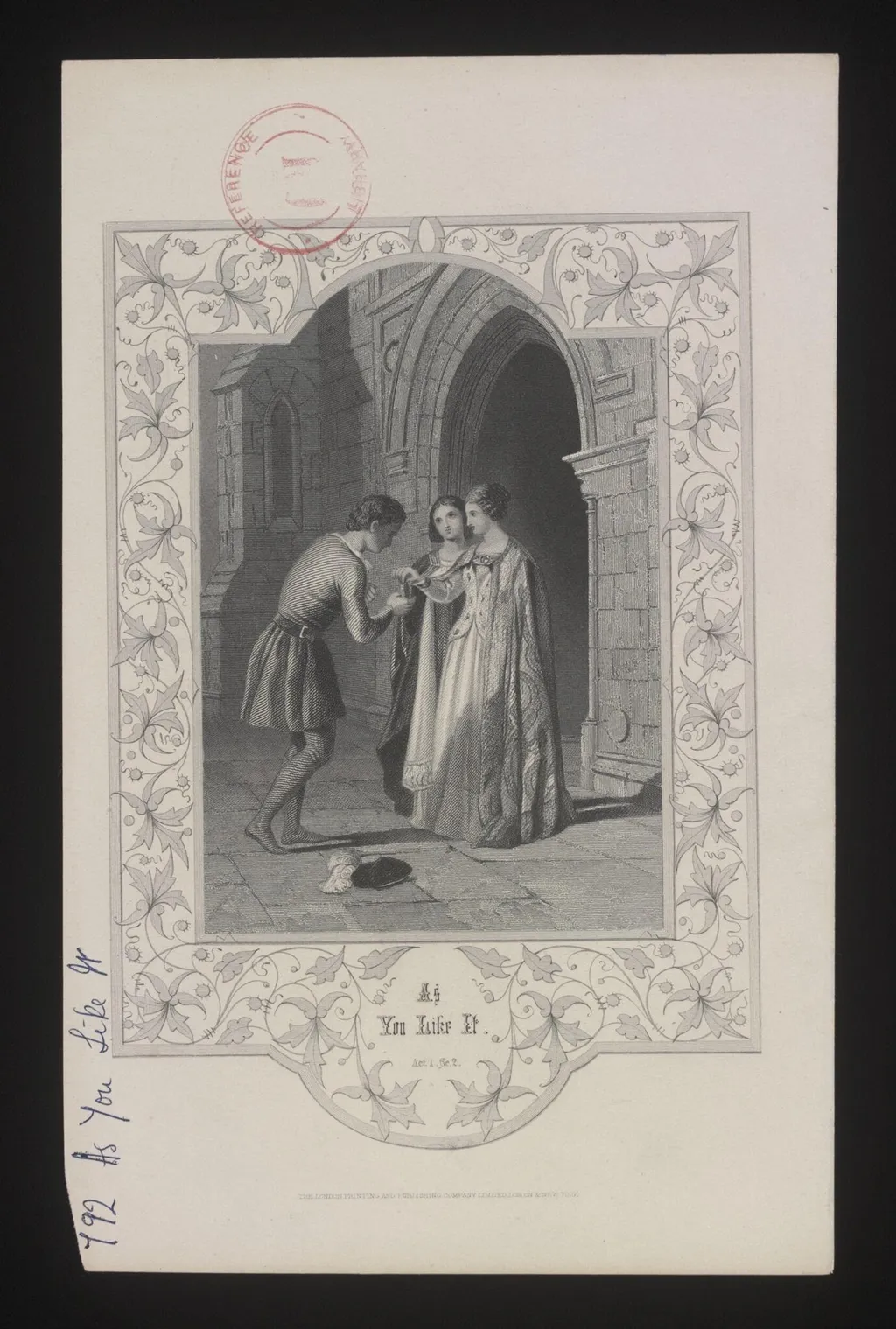
Twelfth Night is a print by Unknown. It dates from 1850 and is held in the collection of the Victoria and Albert Museum.
About this work
Overview
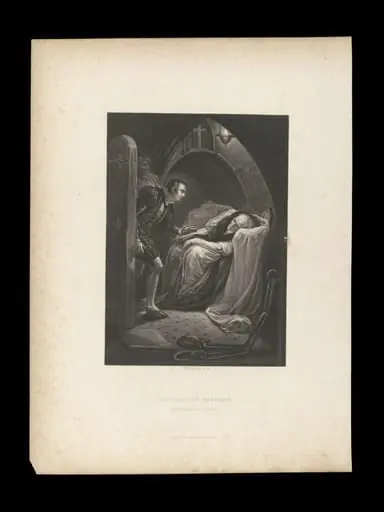
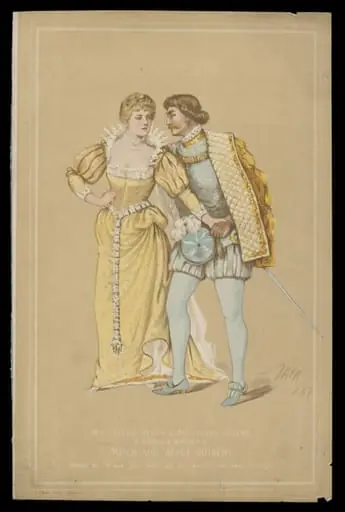
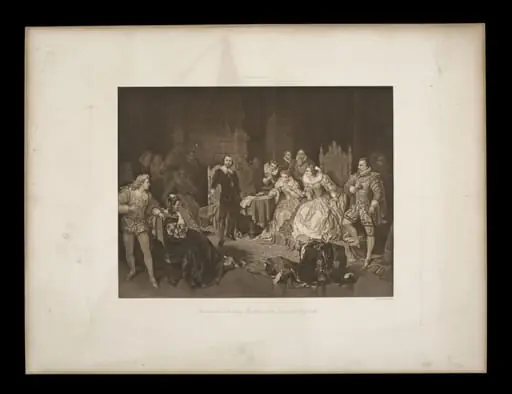
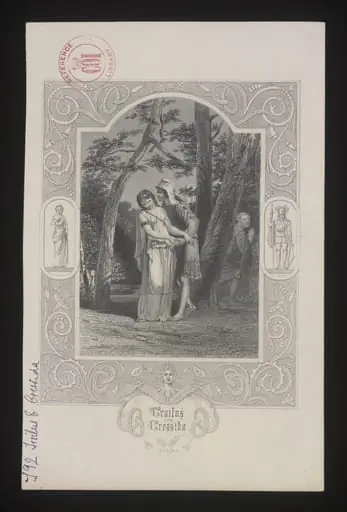
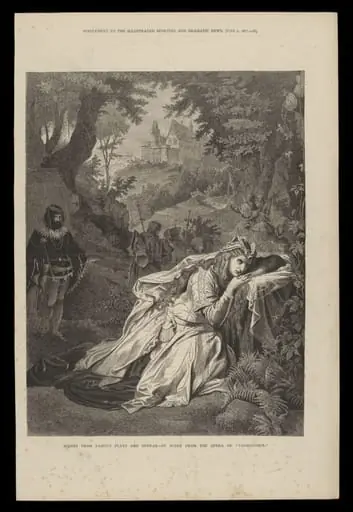
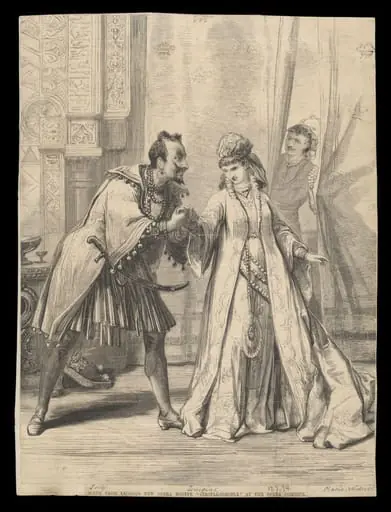
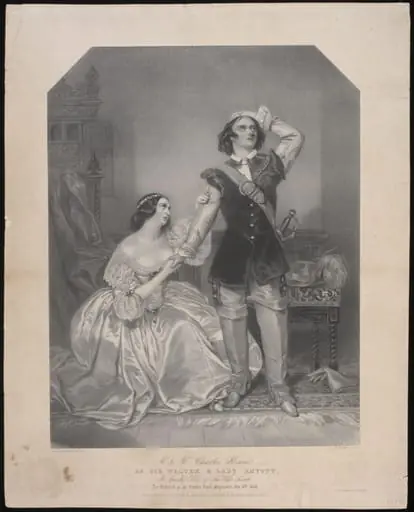
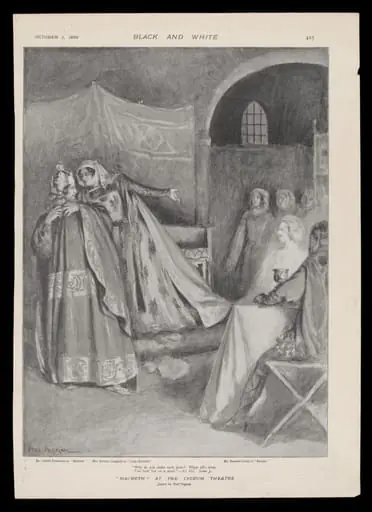
This 19th-century print depicts a scene from Shakespeare’s Twelfth Night, produced by The London Printing and Publishing Company. Though labeled as 'As You Like It' in error, the imagery aligns with the comedy’s themes of disguise and mistaken identity. The work reflects the era’s popular demand for illustrated Shakespearean scenes, circulated widely through commercial print publishers in London.
Subject & Meaning
The print captures the play’s exploration of identity and social roles, filtered through 19th-century sensibilities rather than scholarly accuracy.
The scene illustrates a moment of theatrical deception, likely featuring Viola in disguise as Cesario or Olivia’s mistaken affection. Costumes and setting reflect Victorian-era interpretations of Elizabethan dress, blending historical fantasy with contemporary aesthetics. The print captures the play’s exploration of identity and social roles, filtered through 19th-century sensibilities rather than scholarly accuracy.
Technique & Style
Executed as a line engraving or woodcut, the print employs fine, controlled strokes to define figures and drapery. Backgrounds are simplified, emphasizing narrative clarity over depth. While not using sfumato—a technique of soft tonal blending associated with painting—the work relies on contrast and detail to guide the viewer’s attention to key characters and gestures.
History & Provenance
Published by a commercial London firm active in the 1800s, the print was part of a broader trend of mass-producing Shakespearean illustrations for middle-class homes. These prints were often sold as standalone images or bound in anthologies. The mislabeling suggests hasty production or editorial oversight common in rapidly printed popular media of the time.
Context
During the 19th century, Shakespeare’s plays experienced a cultural revival in Britain, with theater and print media fueling public familiarity. Illustrations like this one helped shape visual interpretations of the plays for audiences who rarely attended live performances. The blending of period costume with Victorian fashion reveals how historical narratives were reimagined for contemporary audiences.
Legacy
This print contributes to a legacy of illustrated Shakespeare that influenced later theatrical design and literary publishing. Though not artistically groundbreaking, it represents the democratization of classical literature through accessible media. Its errors and stylistic choices now serve as artifacts of Victorian cultural priorities and the commercialization of literary heritage.
Artist & collection

 Domestic Scene
 Giacomo and Cardinal Marco, investing Andrea, Abbot of San Zeno, with his Benefice
 The Nymph of Fontainebleau
 Portrait of a Woman
 Madonna and Child with Saints in the Enclosed Garden
 Venus and Minerva
 Family Group of Four on Sofa
 Wall painting from Room H of the Villa of P. Fannius Synistor at Boscoreale