Artwork
Untitled
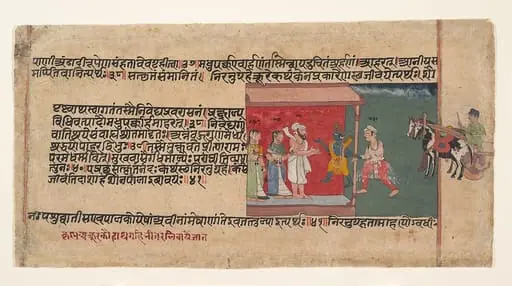
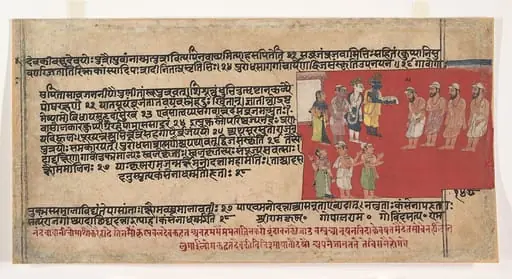
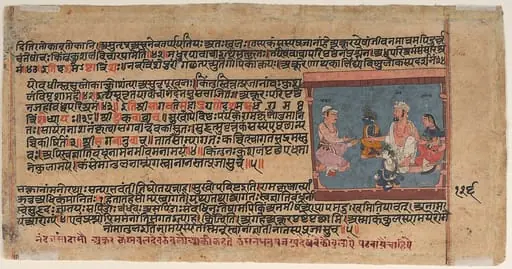
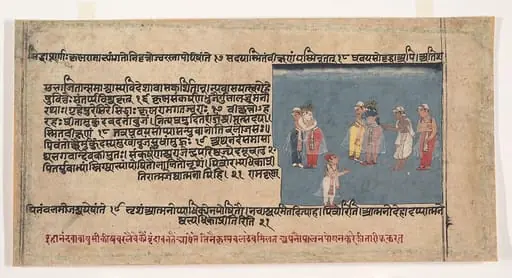
Untitled is a watercolor painting. It dates from 1800 and is held in the collection of the Metropolitan Museum of Art. This modestly sized work depicts a solitary figure dressed in a vivid red turban, standing before an unadorned backdrop.
About this work
The artist used thin layers of opaque watercolor—called glazing—to build up the rich colors without brushstrokes showing.
A man in a red turban stands against a plain background, holding a long staff. His face is calm, eyes looking straight ahead.
This small painting was probably made in northern India around 1800, but no one knows who painted it or who the man is. The artist used thin layers of opaque watercolor—called glazing—to build up the rich colors without brushstrokes showing.
To see more works like this, look up the subject men, india, man in the museum’s collection.
Overview
This modestly sized work depicts a solitary figure dressed in a vivid red turban, standing before an unadorned backdrop. He holds a long staff and gazes directly forward with a composed expression. Executed in ink and opaque watercolor on paper, the composition is restrained, focusing attention on the individual’s posture and attire rather than narrative detail.
Subject & Meaning
The central figure appears to be a male individual, possibly of some status, suggested by his elaborate headgear and the ceremonial staff he bears. The calm demeanor and direct eye contact may imply authority, contemplation, or a ritual role, though no inscription or contextual clues identify his specific identity or function.
Technique & Style
The artist employed successive thin washes of opaque watercolor—a glazing method—to achieve depth of hue while preserving a smooth surface. This layered approach allows the reds and earth tones to build richness without visible brush marks, a technique common in early‑19th‑century northern Indian miniature and court painting traditions.
History & Provenance
Created circa 1800 in northern India, the painting’s creator remains anonymous, and its original patron is unknown. It entered the museum’s collection through a later acquisition of works categorized under men, India, and male portraiture, where it is catalogued among comparable regional examples.
Artist & collection