Artwork
Untitled
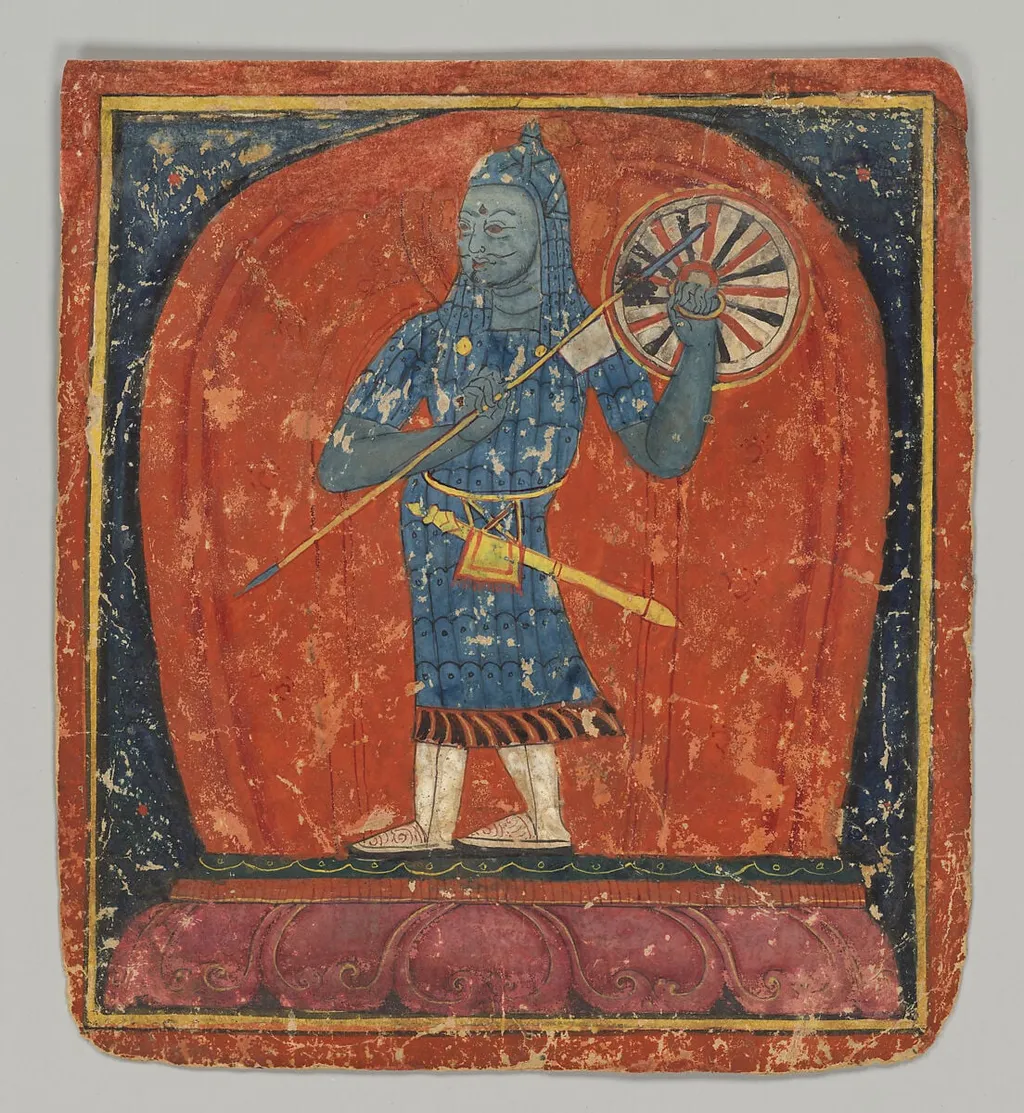
Untitled is a watercolor painting. It dates from 1416 and is held in the collection of the Metropolitan Museum of Art.
About this work
The artist used watercolor so thin it almost glows—layer upon layer, like stained glass.
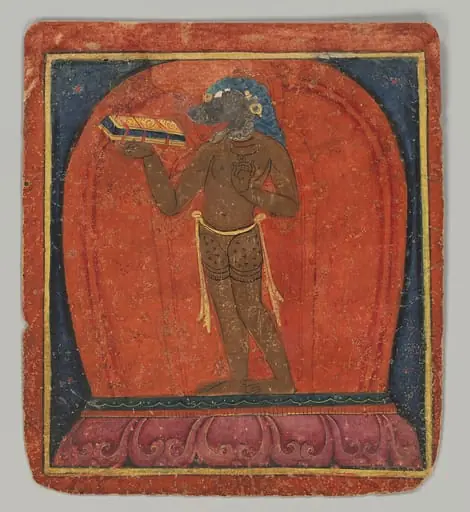
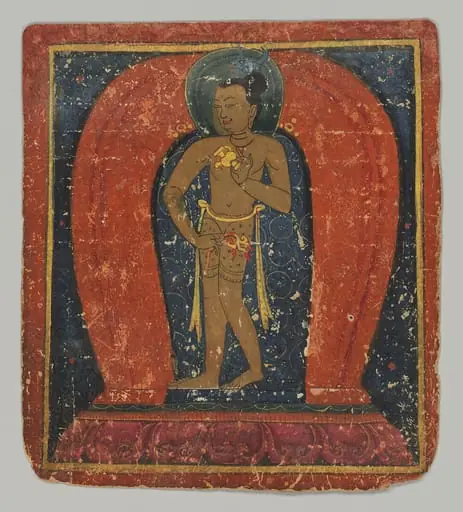
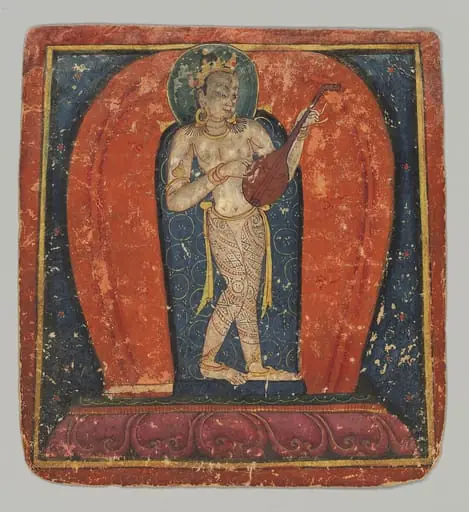
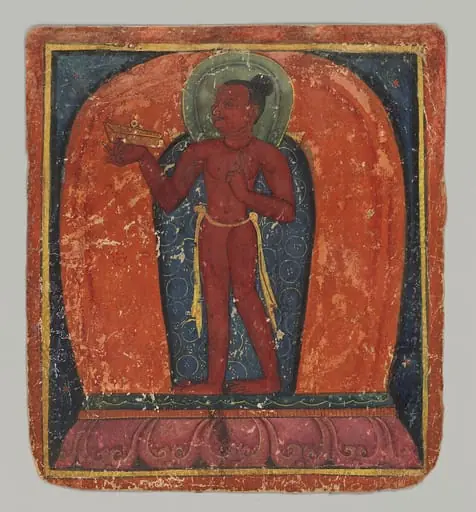
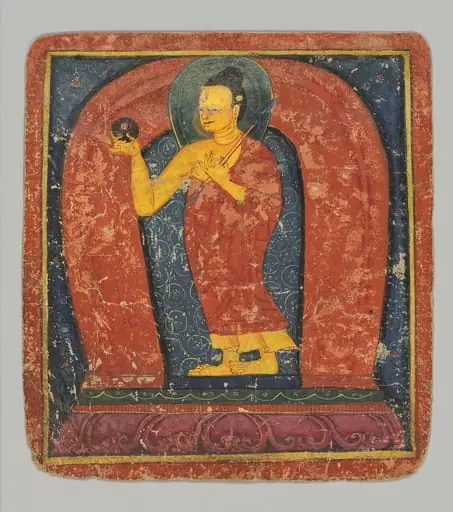
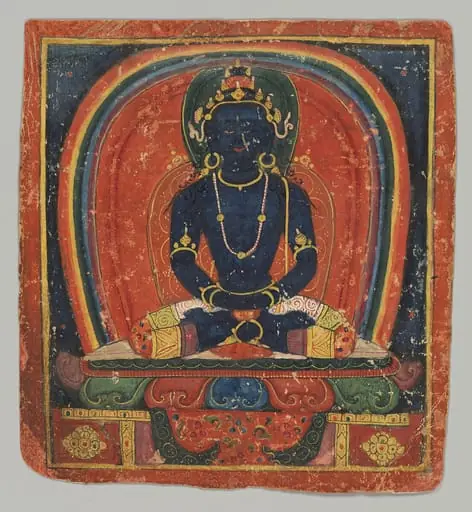
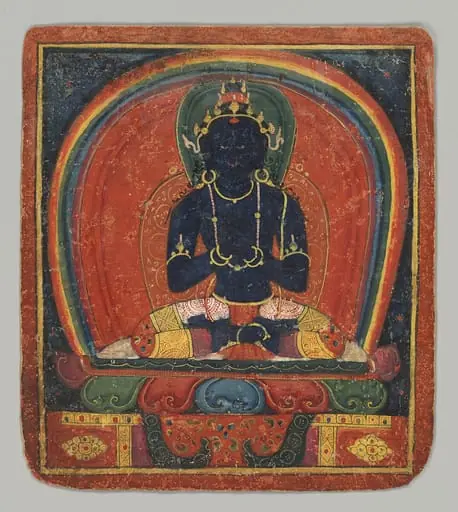
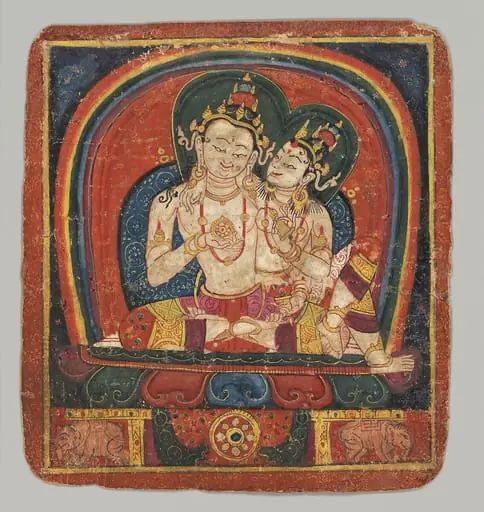
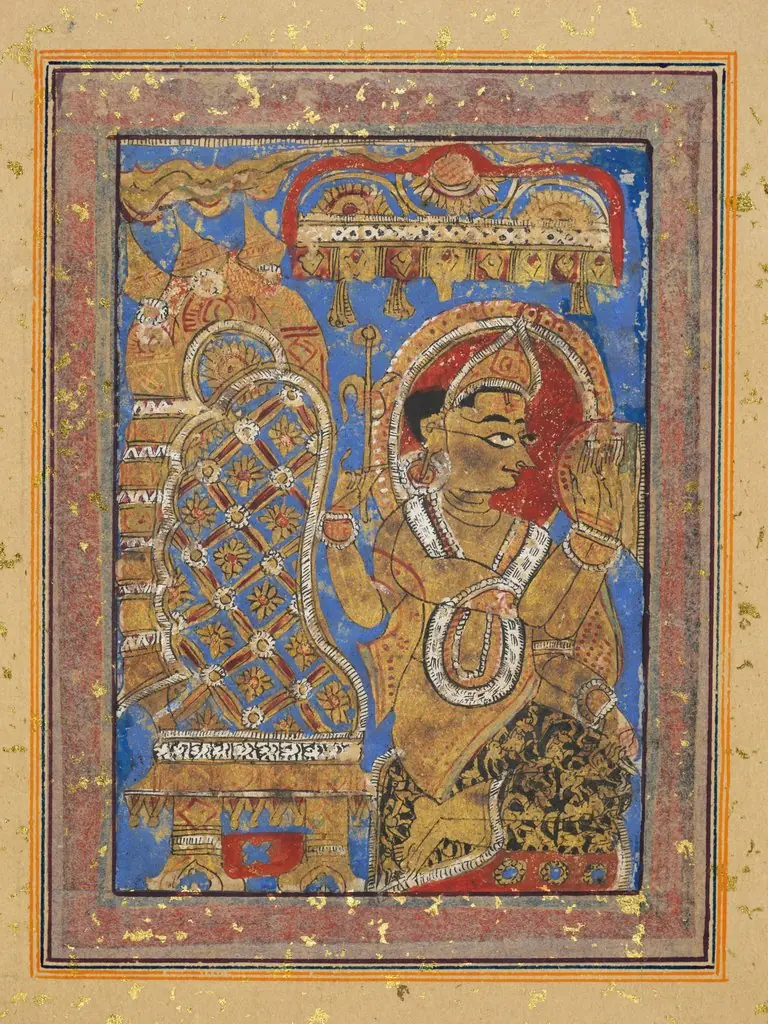
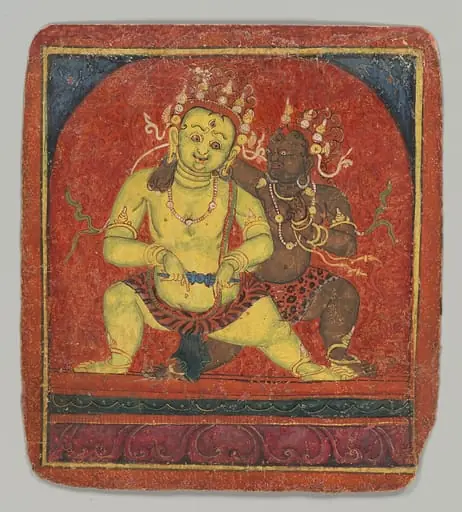
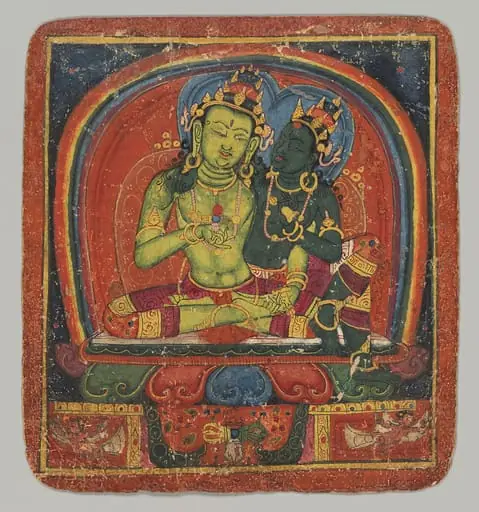
A man sits cross-legged, hands folded, eyes half-closed. His robe is deep red, his skin golden in the dim light. Around him, thin clouds drift like smoke.
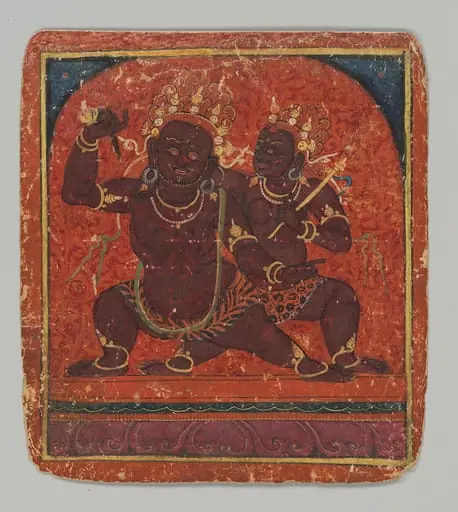
This painting was made in Tibet around 1400, long before cameras. The artist used watercolor so thin it almost glows—layer upon layer, like stained glass. No one knows who painted it, but the calm face suggests a teacher, not a god.
To see more quiet faces like this, look up Buddhism.
Overview
This untitled Tibetan painting, created around 1400, depicts a serene figure rendered in opaque watercolor on paper. The artwork portrays a man seated in meditation, characterized by a calm demeanor and a deep red robe, enveloped by subtle, cloud-like forms. Its precise origins and creator remain unknown, yet it offers insight into the artistic practices of its era.
Subject & Meaning
The central figure is shown in a cross-legged meditative posture, with hands folded and eyes partially closed, conveying a state of inner peace. His tranquil expression suggests the representation of a spiritual teacher rather than a deity. The surrounding ethereal clouds contribute to the contemplative atmosphere, inviting viewers to reflect on themes of serenity and spiritual guidance.
Technique & Style
The artist employed opaque watercolor on paper, applying the pigment in exceptionally thin, translucent layers. This meticulous technique creates an effect reminiscent of stained glass, allowing light to interact with the colors and produce a subtle luminosity. The careful layering demonstrates a sophisticated understanding of the medium, contributing to the painting's depth and visual richness.
History & Provenance
This painting originated in Tibet around the year 1400, a period predating the advent of photographic documentation. While its exact creator remains unidentified, the work stands as a testament to the artistic traditions prevalent in the region during the late medieval era. Its survival provides a valuable, albeit anonymous, glimpse into historical Tibetan art production.
Context
The contemplative nature of the figure and its serene portrayal align with iconographic traditions often found within Buddhist art. Such representations frequently depict enlightened beings or spiritual instructors, emphasizing qualities like inner calm, wisdom, and meditative focus. The artwork thus reflects broader cultural and religious currents that shaped artistic expression in Tibet.
Artist & collection