Artwork
Untitled
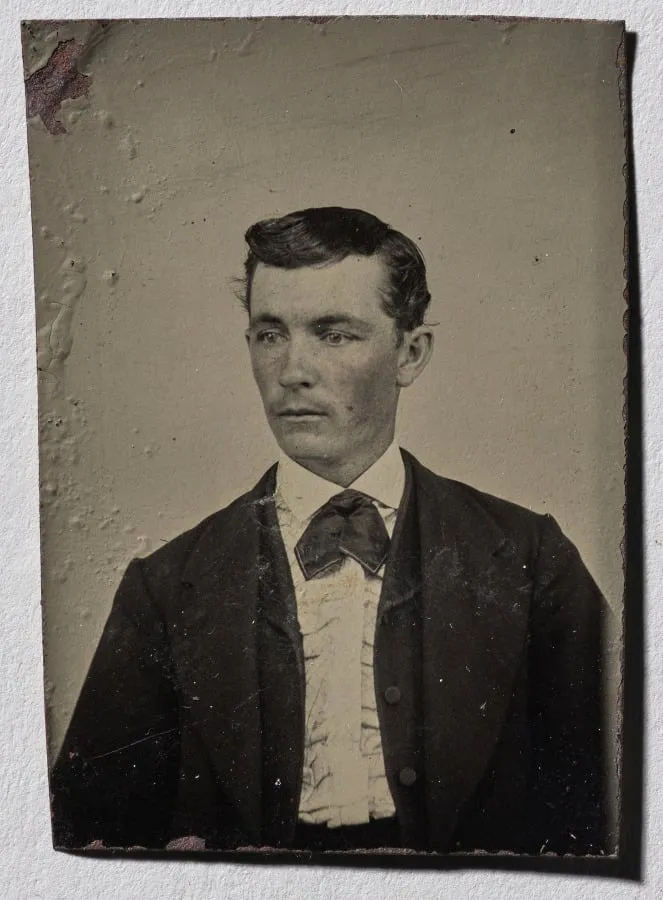
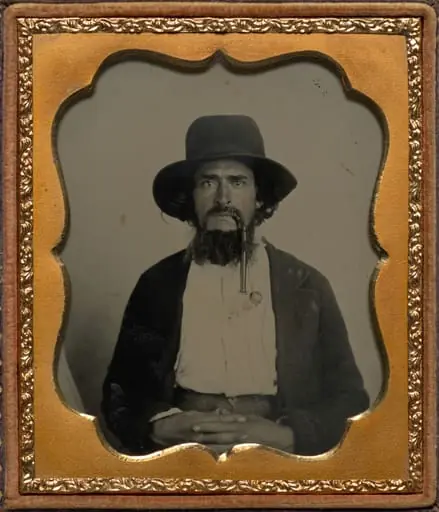
Untitled is a photography by the Impressionist artist Unknown. It dates from 1864 and is held in the collection of the Cleveland Museum of Art. This black-and-white photograph depicts a man in formal attire, captured in a studio setting typical of the mid-19th century.
About this work
Overview
This black-and-white photograph depicts a man in formal attire, captured in a studio setting typical of the mid-19th century.
This black-and-white photograph depicts a man in formal attire, captured in a studio setting typical of the mid-19th century. The image exhibits the soft grain and muted tonal range characteristic of early photographic processes. His pose is static, his expression composed, and the plain background emphasizes the subject without distraction. The faded edges and worn texture suggest age and repeated handling, common in personal or archival photographs of the era.
Subject & Meaning
The man’s dark suit, light shirt, and bow tie indicate a deliberate presentation of respectability, likely intended for a formal occasion or professional identity. His serious demeanor reflects the cultural norms of photographic portraiture at the time, where long exposure times discouraged smiling and emphasized dignity. Though his name and role are unknown, his attire suggests he may have been a professional, merchant, or community figure seeking to document his status.
Technique & Style
The photograph was likely made using a wet-plate collodion process, common between the 1850s and 1880s. This method produced a unique negative on glass, yielding fine detail but also a grainy, low-contrast image prone to fading. The soft focus and uneven tonality result from both the chemical process and the passage of time. The plain backdrop and centered composition follow standard studio conventions of the period, minimizing distraction to focus on the individual.
History & Provenance
The photograph’s condition—faded edges, surface marks, and grainy texture—indicates it was handled over decades, possibly kept in a family album or personal collection. No documented origin or owner is known, but its style aligns with commercial portrait studios that flourished in urban centers during the mid-1800s. Such images were often commissioned as keepsakes, serving as both personal mementos and early forms of identity documentation.
Context
In the mid-19th century, photography emerged as a new medium for capturing likeness, gradually replacing painted portraits among the middle class. Studio portraits like this one were accessible to those who could afford them, offering a tangible record of personal presence. The formality of dress and expression mirrored societal values around decorum and self-representation, aligning with broader cultural shifts toward individualism and record-keeping.
Legacy
This image contributes to the historical archive of early photographic portraiture, illustrating how ordinary individuals engaged with new technology to assert identity. Though unnamed, it reflects the widespread adoption of photography as a tool for personal and familial memory. Such photographs now serve as quiet witnesses to lives once lived, offering insight into the aesthetics and social norms of a pre-industrialized visual culture.
Artist & collection

 Domestic Scene
 Giacomo and Cardinal Marco, investing Andrea, Abbot of San Zeno, with his Benefice
 The Nymph of Fontainebleau
 Portrait of a Woman
 Madonna and Child with Saints in the Enclosed Garden
 Venus and Minerva
 Family Group of Four on Sofa
 Wall painting from Room H of the Villa of P. Fannius Synistor at Boscoreale
 Workman in Red Flannel Shirt and Suspenders
 Untitled (Portrait of a Man)
 Portrait of John D. Rockefeller
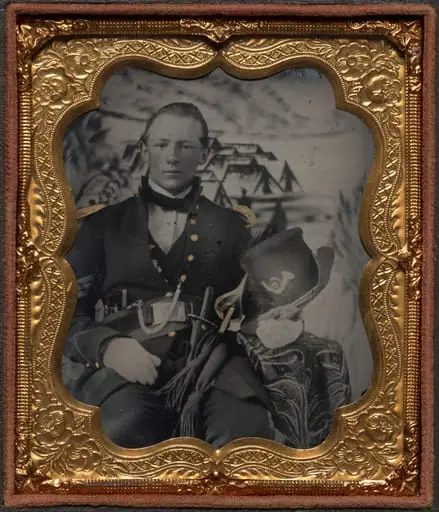 Civil War soldier with painted bivouac background
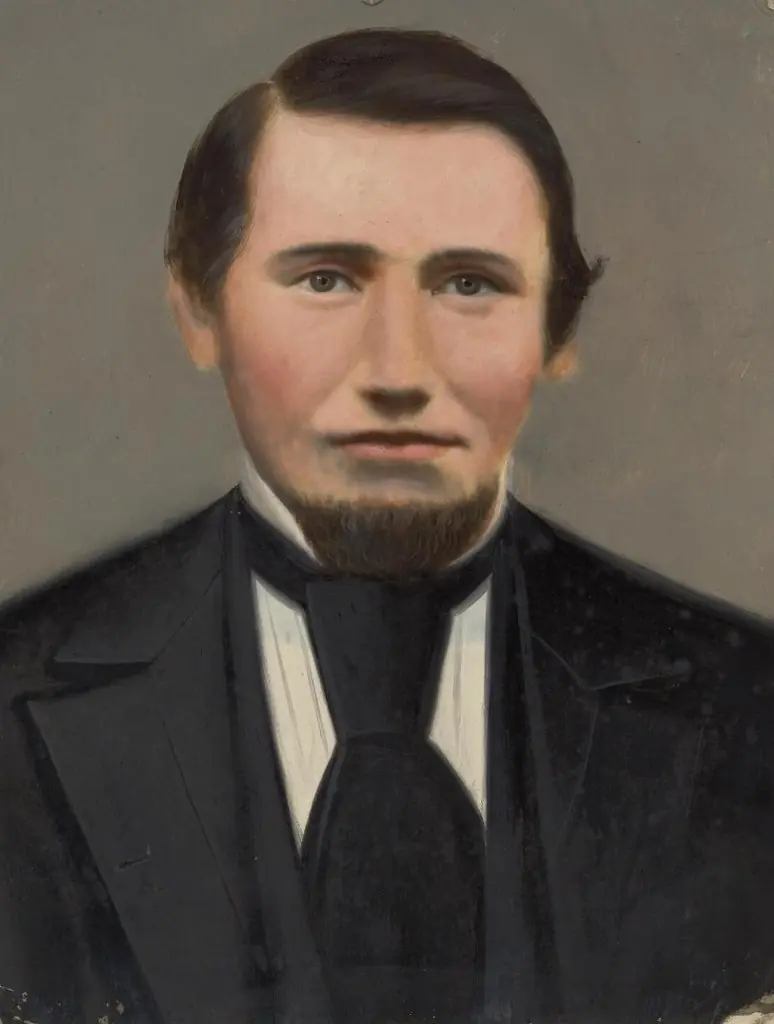 David H. Jones, 'Dewi Arfon'
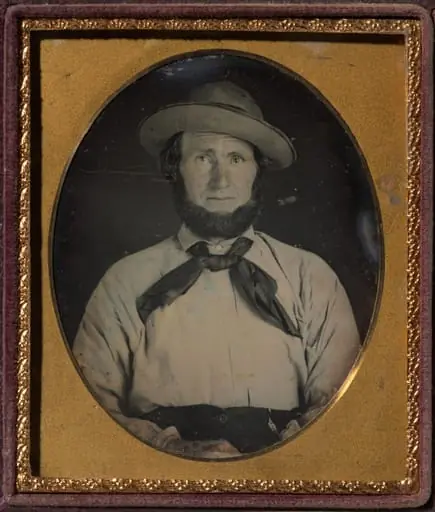 Miner
Miner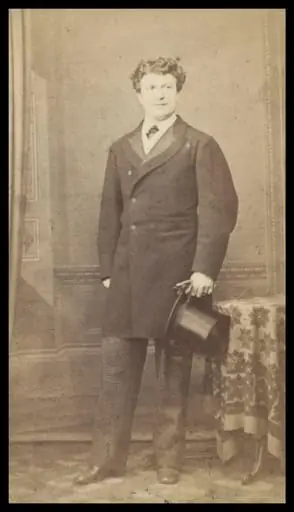 Guy Little Theatrical Photograph
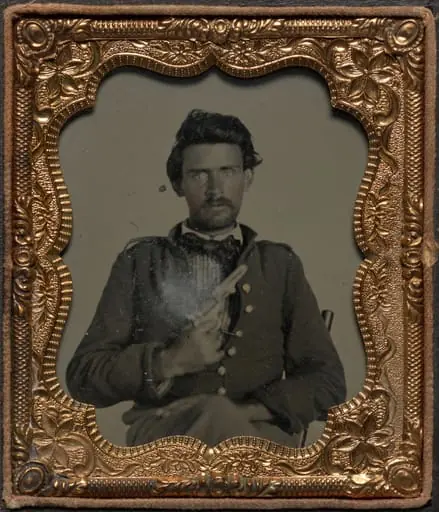 Ohio Civil War soldier Hanson J. Cochran with Colt revolver
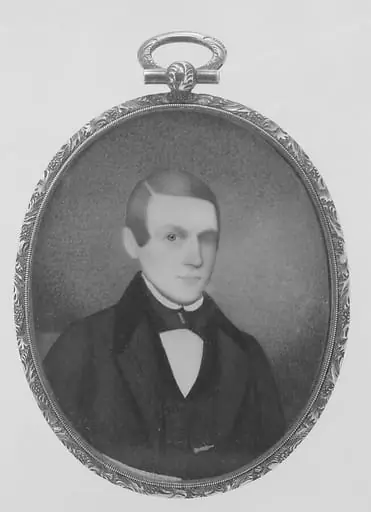 Mr. Pierce
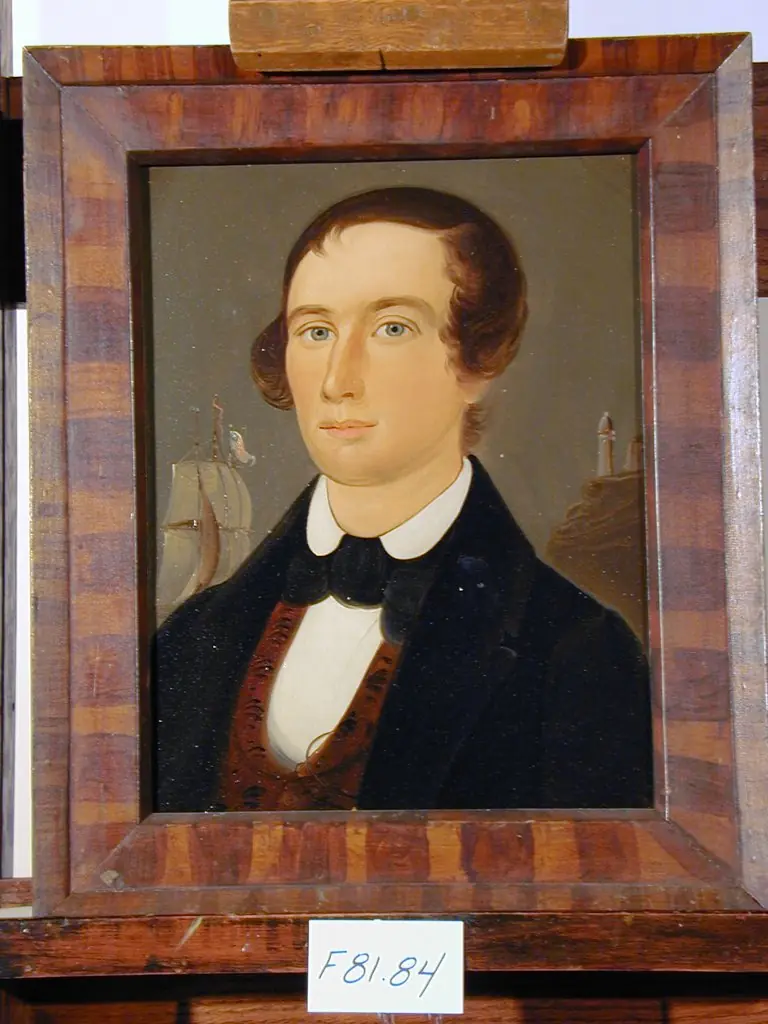 Young man
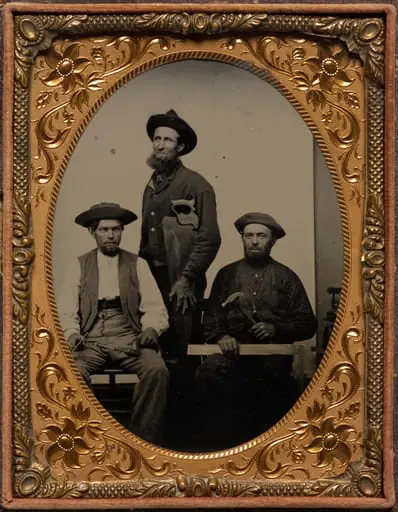 Three Carpenters
 Urban Worker Smoking Tyrolean Pipe