Artwork
Guy Little Theatrical Photograph
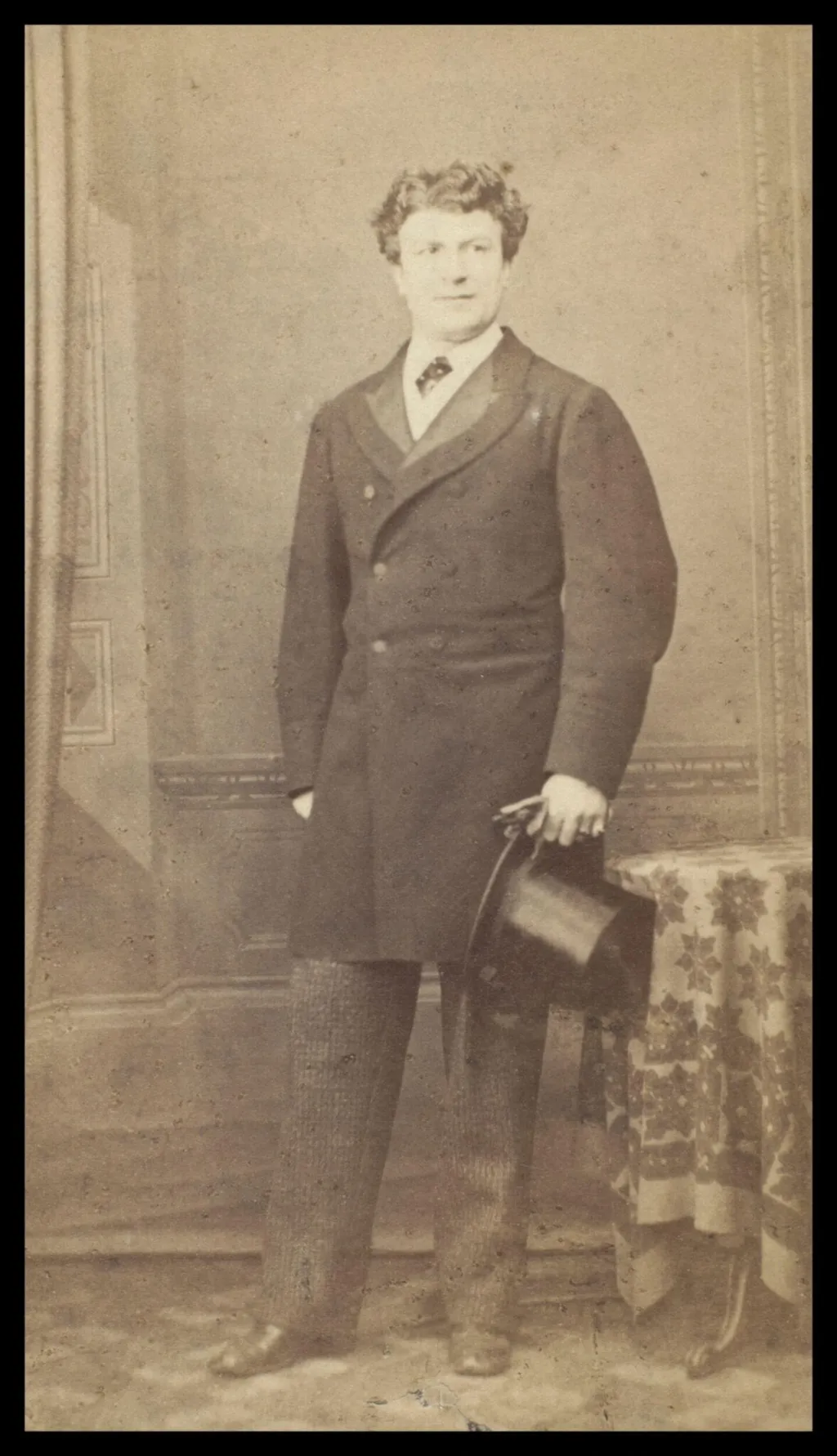
Guy Little Theatrical Photograph is a photographic photography by David Day. It dates from 1850 and is held in the collection of the Victoria and Albert Museum.
About this work
Overview
This photograph of actor Henry Neville is an albumen print mounted on card, originally produced as a collectible portrait in the Victorian era.
This photograph of actor Henry Neville is an albumen print mounted on card, originally produced as a collectible portrait in the Victorian era. It belonged to Guy Tristram Little, a legal professional and avid collector of theatrical memorabilia, whose assembled albums of such images were bequeathed to the V&A. The photograph reflects the widespread practice of capturing performers for public consumption through mass-produced photographic formats.
Subject & Meaning
Henry Neville, a prominent stage actor of the 19th century, is depicted in a studio setting, likely wearing a costume associated with a role he performed. Such portraits served both as promotional tools and personal mementos for admirers. They reinforced the actor’s public persona, bridging the theatrical experience with the domestic sphere where fans collected and exchanged these images as tokens of cultural engagement.
Technique & Style
The image is an albumen print, a dominant photographic process from the 1850s to the 1890s, made by coating paper with egg white and silver salts, then exposed from a glass negative. Mounted on thick card, it follows the standard format of a 'carte de visite'—small, uniform, and designed for easy handling and collection. The composition is formal, emphasizing the subject’s presence with minimal background detail.
History & Provenance
The photograph was part of Guy Little’s personal collection of theatrical photographs, meticulously removed from their original mounts and reorganized into albums. Little, a solicitor and executor of Gabrielle Enthoven’s estate, inherited her extensive theatrical archive. His collection, including this image, became foundational to the V&A’s Theatre Collections, preserving a visual record of Victorian performance culture.
Context
During the 1860s, 'cartes de visite' became a social phenomenon, with millions produced of celebrities, royalty, and public figures. Actors like Neville were popular subjects, their images circulating among middle-class households as cultural artifacts. By the 1870s, larger 'cabinet cards' replaced them, reflecting evolving tastes and printing technologies, though both formats remained central to the visual economy of theater fandom.
Legacy
Little’s curated albums safeguarded thousands of ephemeral photographic portraits that might otherwise have been lost. His donation to the V&A ensured the survival of a unique archive documenting the intersection of theater, photography, and popular collecting habits in the 19th century. Today, these images offer insight into how performance was consumed and remembered beyond the stage.
Artist & collection
Artist

 Guy Little Theatrical Photograph
 Guy Little Theatrical Photograph
 Guy Little Theatrical Photograph
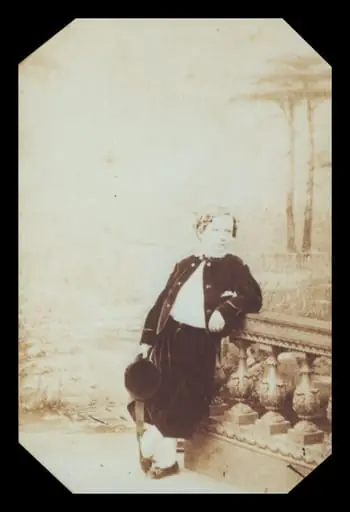 Guy Little Theatrical Photograph
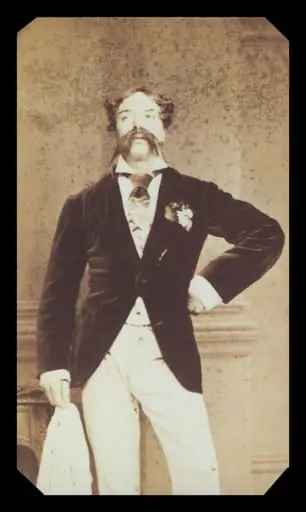 Guy Little Theatrical Photograph
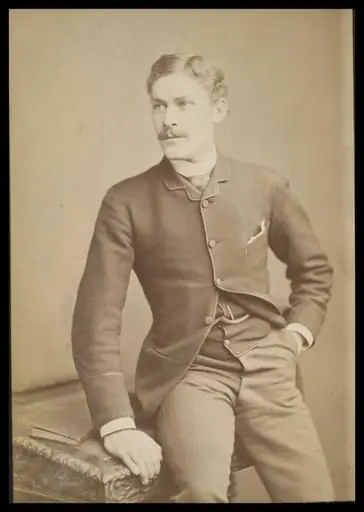 Guy Little Theatrical Photograph
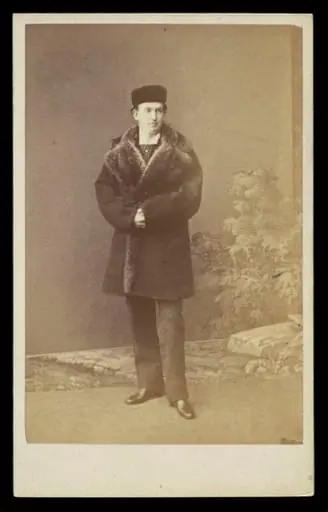 A portrait of 'Hon H. Bourke'
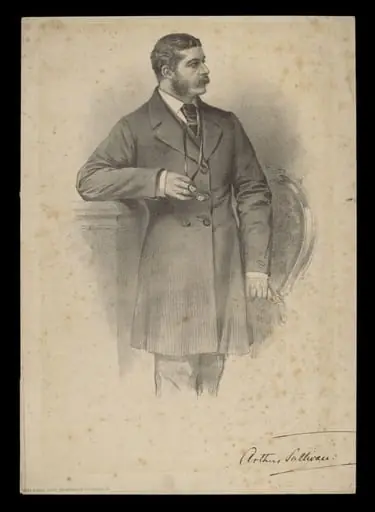 H Beard Print Collection
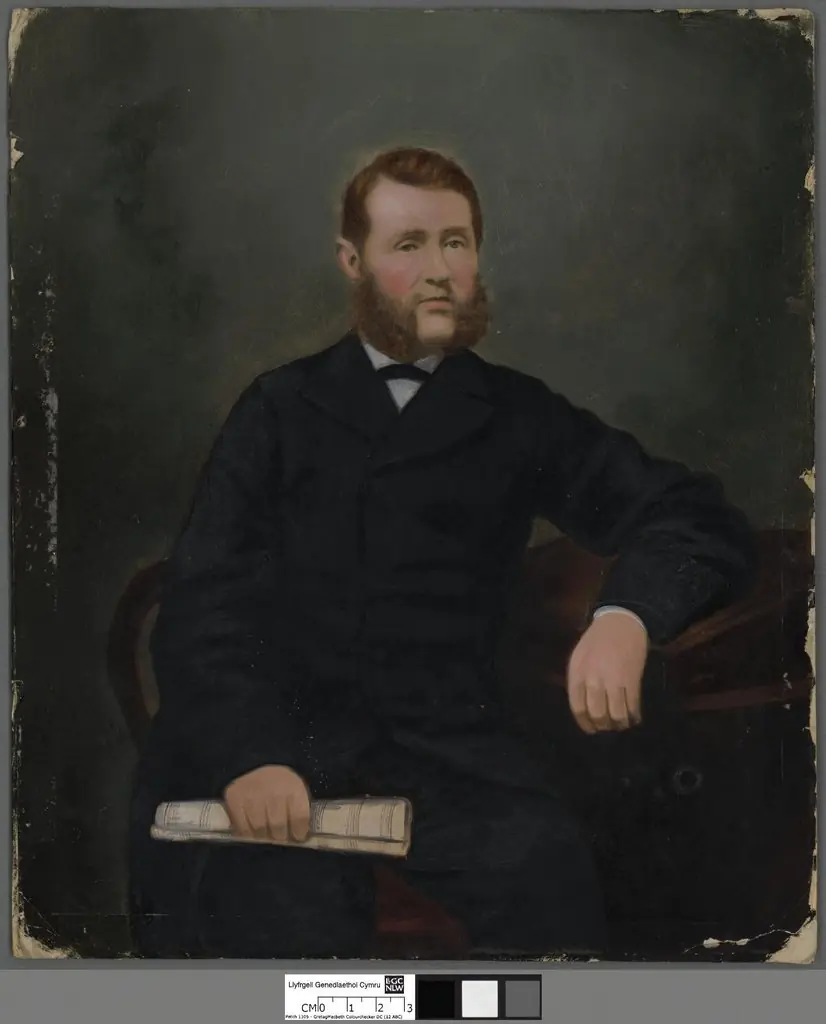 Robert Stephen (Moelwynfab)
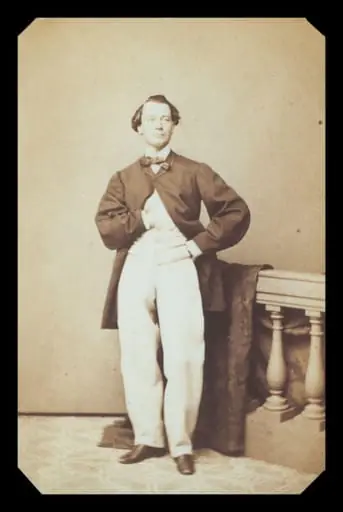 Guy Little Theatrical Photograph