Artwork
Untitled
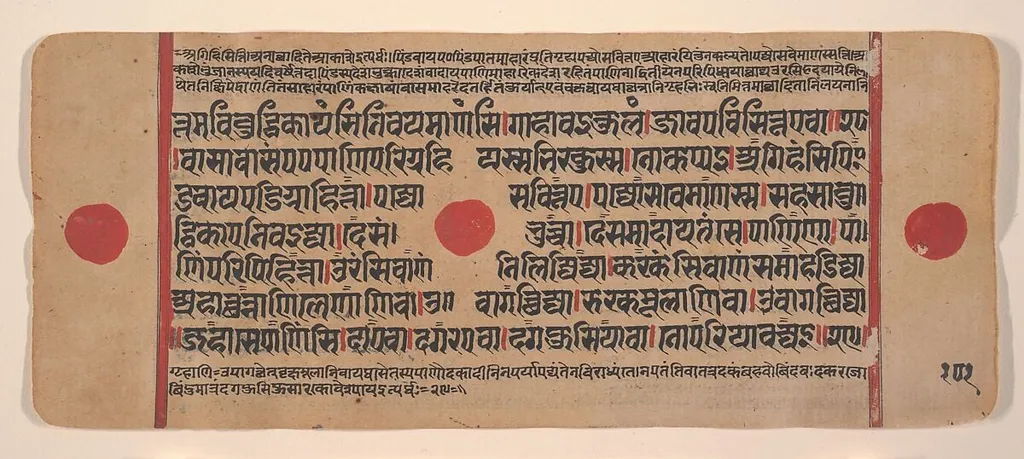
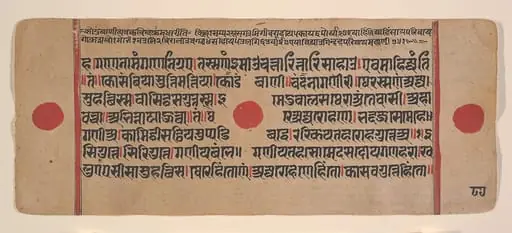
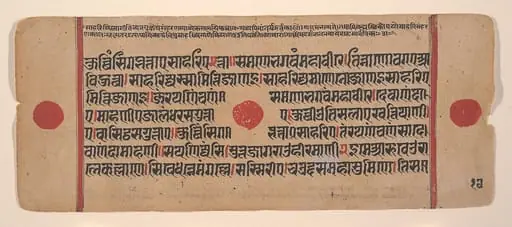
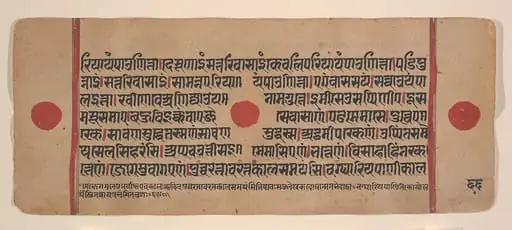
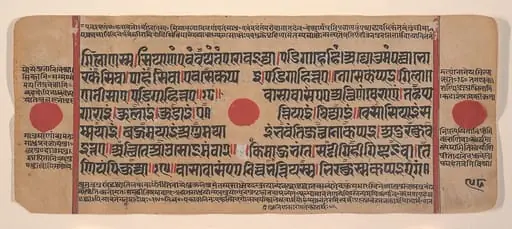
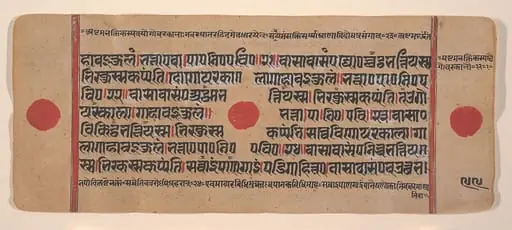
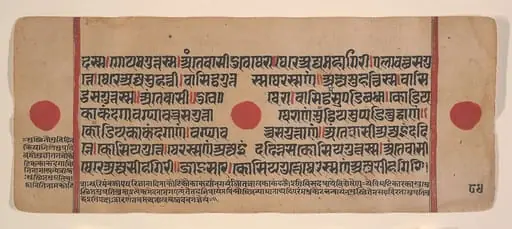
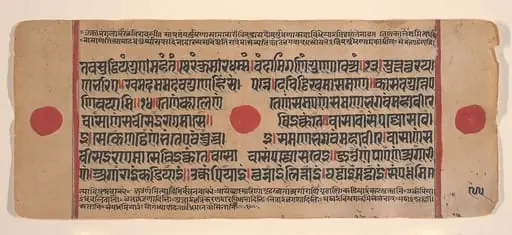
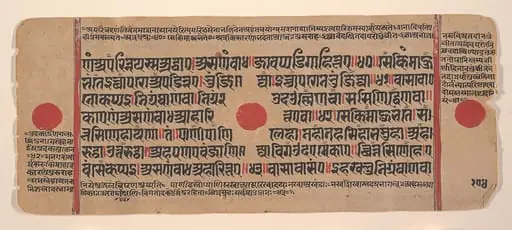
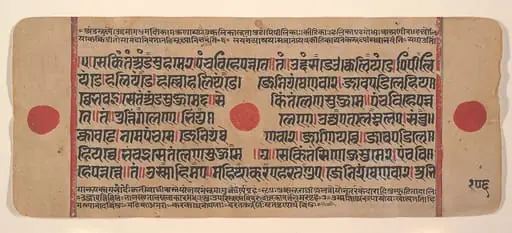
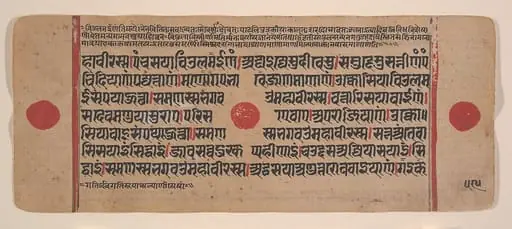
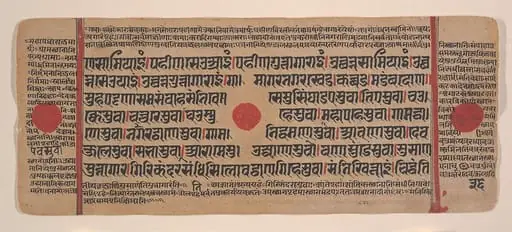
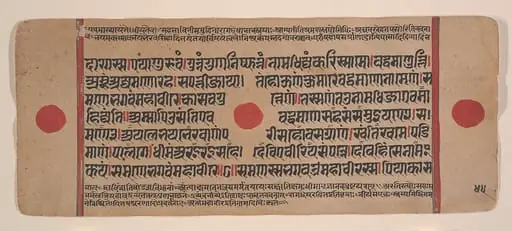
Untitled is a watercolor painting. It dates from 1449 and is held in the collection of the Metropolitan Museum of Art.
About this work
Overview
This "Untitled" painting, rendered with ink, opaque watercolor, and gold on paper, originates from a Jain religious manuscript created in Gujarat, India.
This "Untitled" painting, rendered with ink, opaque watercolor, and gold on paper, originates from a Jain religious manuscript created in Gujarat, India. It depicts a figure seated in white robes, set against a deep blue background adorned with delicate floral motifs and minute gold embellishments. The artwork exemplifies the intricate detail and rich materials characteristic of illuminated religious texts from the region, serving as a visual component within a sacred book.
Subject & Meaning
The central element of this painting is a robed, seated figure, likely representing a significant personage within Jain theology or history. While specific identification is absent, its inclusion within a Jain religious book from Gujarat suggests it served a devotional or illustrative purpose, aiding in the understanding or veneration of sacred texts. The surrounding decorative elements, such as the delicate flowers and gold dots, enhance the spiritual atmosphere and visual richness of the depiction.
Technique & Style
The artwork showcases remarkable precision, with lines so finely drawn they evoke the appearance of delicate threads. The palette combines opaque watercolor with a deep blue ground, creating a striking contrast. A notable technical feature is the application of gold: rather than paint, genuine gold leaf was meticulously pressed onto the paper. This use of precious material not only contributes to the visual splendor but also underscores the profound significance attributed to the manuscript it once adorned.
Context
This painting was originally conceived as part of a Jain religious manuscript, produced in the western Indian state of Gujarat. Such illuminated texts were central to Jain devotional practices and scholarly pursuits, often commissioned by wealthy patrons. The choice of luxurious materials, particularly the use of real gold leaf, signifies the high value and reverence accorded to the sacred knowledge contained within these books, reflecting a tradition of artistic patronage dedicated to religious expression.
Artist & collection