Artwork
Untitled
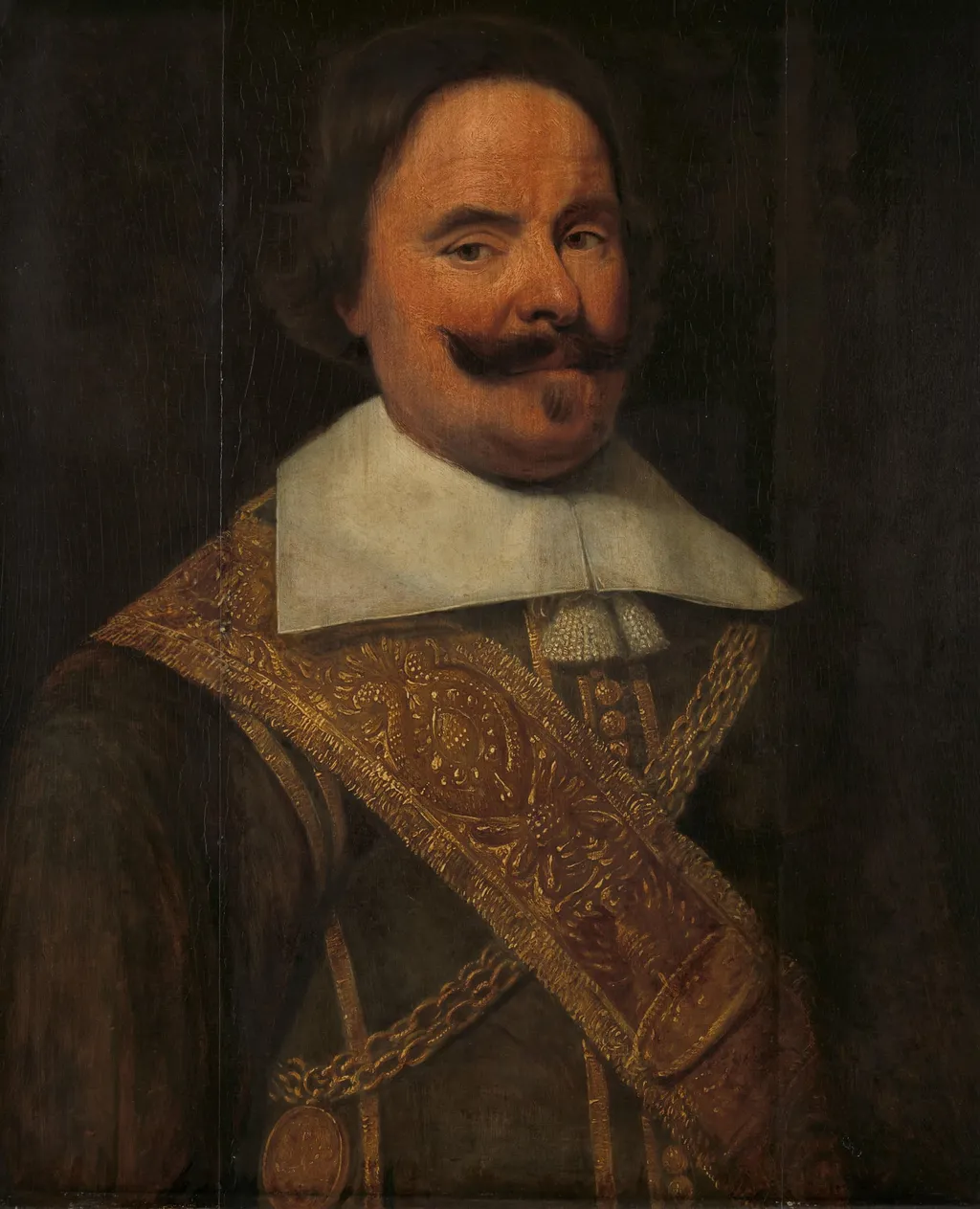
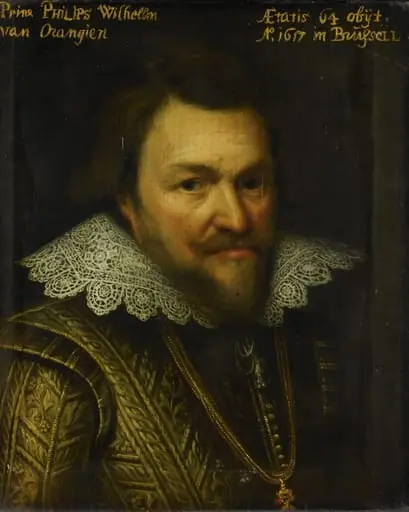
Untitled is an unspecified painting by the Dutch Golden Age artist Unknown. It dates from 1893 and is held in the collection of the Rijksmuseum. This painting is a 17th-century copy of a portrait of Michiel de Ruyter, the celebrated Dutch admiral.
About this work
The original artist, Hendrick Berckman, painted him many times—this version might have been made by a student or admirer.
You see a man in a dark coat with a white collar, his face half-lit by a soft glow.
This painting is a copy of a 1655 portrait of Michiel de Ruyter, a Dutch naval hero. The original artist, Hendrick Berckman, painted him many times—this version might have been made by a student or admirer. The quiet lighting makes the face feel alive, even though we don’t know who copied it.
To see more works like this, visit the Rijksmuseum.
Overview
This painting is a 17th-century copy of a portrait of Michiel de Ruyter, the celebrated Dutch admiral. Executed after the original by Hendrick Berckman from 1655, it reflects the practice of reproducing prominent figures for wider circulation. The artist of this version remains unidentified, likely a pupil or follower working within Berckman’s stylistic framework. The work preserves the dignified bearing of its subject while demonstrating the replication methods common in Dutch artistic circles.
Subject & Meaning
Michiel de Ruyter, a national hero of the Dutch Republic, is depicted in formal attire befitting his rank as a naval commander. His calm expression and restrained posture convey authority without ostentation, aligning with the Dutch cultural preference for modesty in leadership. The portrait does not emphasize military trophies or battle scenes, instead focusing on character and presence, reinforcing his reputation as a respected, pragmatic leader rather than a flamboyant figure.
Technique & Style
The painting employs soft, directional lighting to model the face with subtle gradations, lending a lifelike presence despite the lack of detailed background. The dark coat contrasts with the crisp white collar, a standard element of Dutch civic portraiture. Brushwork is controlled and precise, suggesting careful observation of the original. The muted palette and restrained composition reflect the sober aesthetic favored in Dutch civic portraiture of the mid-17th century.
History & Provenance
The original portrait by Hendrick Berckman was painted in 1655, during de Ruyter’s rise to prominence. This version likely emerged shortly after, produced by an unknown artist in Berckman’s workshop or by an admirer seeking to disseminate the admiral’s image. Its survival suggests continued public interest in de Ruyter’s legacy. The work’s provenance is not fully documented, but its style and condition indicate it was preserved within Dutch private or institutional collections.
Context
In mid-17th century Holland, portraits of military leaders were widely reproduced to reinforce civic pride during the Dutch Golden Age. De Ruyter’s victories against English and French fleets made him a symbol of national resilience. Unlike aristocratic portraiture elsewhere in Europe, Dutch examples emphasized restraint and individual character. This copy reflects a culture that valued the dissemination of reliable likenesses of public figures through skilled reproduction.
Legacy
Though the copyist’s identity is lost, the work contributes to the visual record of Michiel de Ruyter’s public image. It exemplifies how Dutch portraiture functioned beyond individual commission, serving collective memory. Such reproductions helped solidify de Ruyter’s status in national consciousness. Today, these versions remain valuable for understanding how historical figures were visually sustained in public culture before the age of print and photography.
Artist & collection

 Domestic Scene
 Giacomo and Cardinal Marco, investing Andrea, Abbot of San Zeno, with his Benefice
 The Nymph of Fontainebleau
 Portrait of a Woman
 Madonna and Child with Saints in the Enclosed Garden
 Venus and Minerva
 Family Group of Four on Sofa
 Wall painting from Room H of the Villa of P. Fannius Synistor at Boscoreale
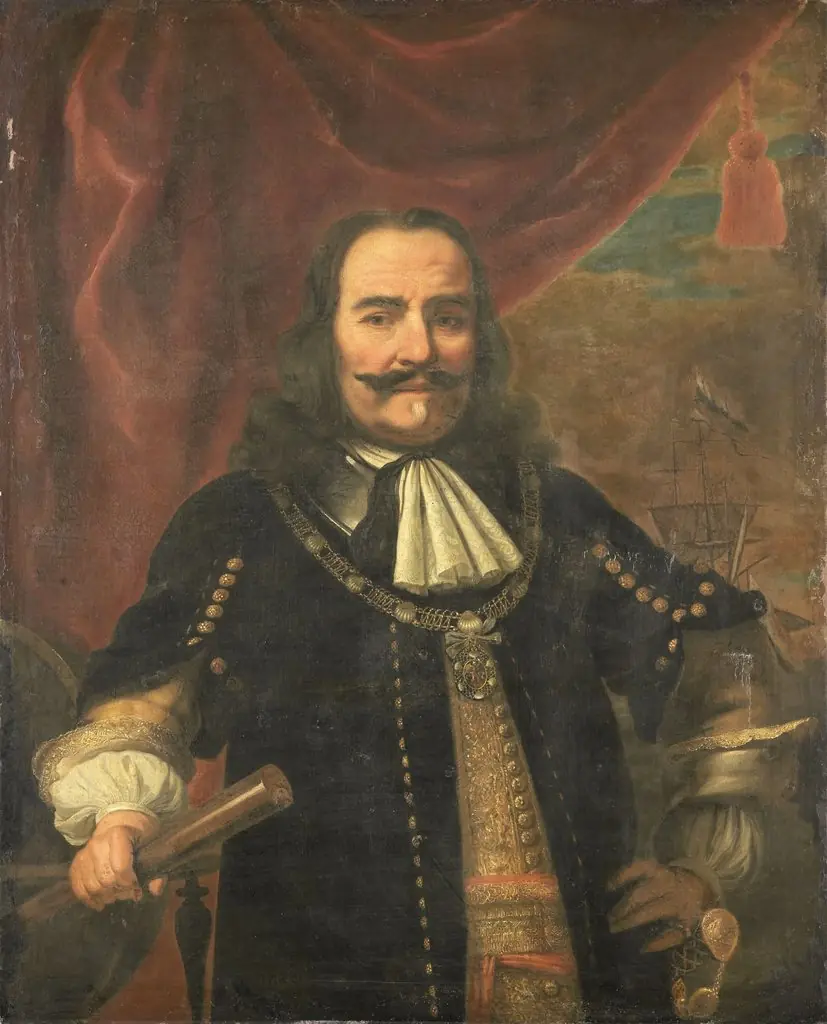 Michiel Adriaensz de Ruyter (1607-76), vice admiral
 Portrait of Nicolaas de Witte (1603-29)
 Portrait of Aleksander Ludwik Radziwiłł (1594–1654)
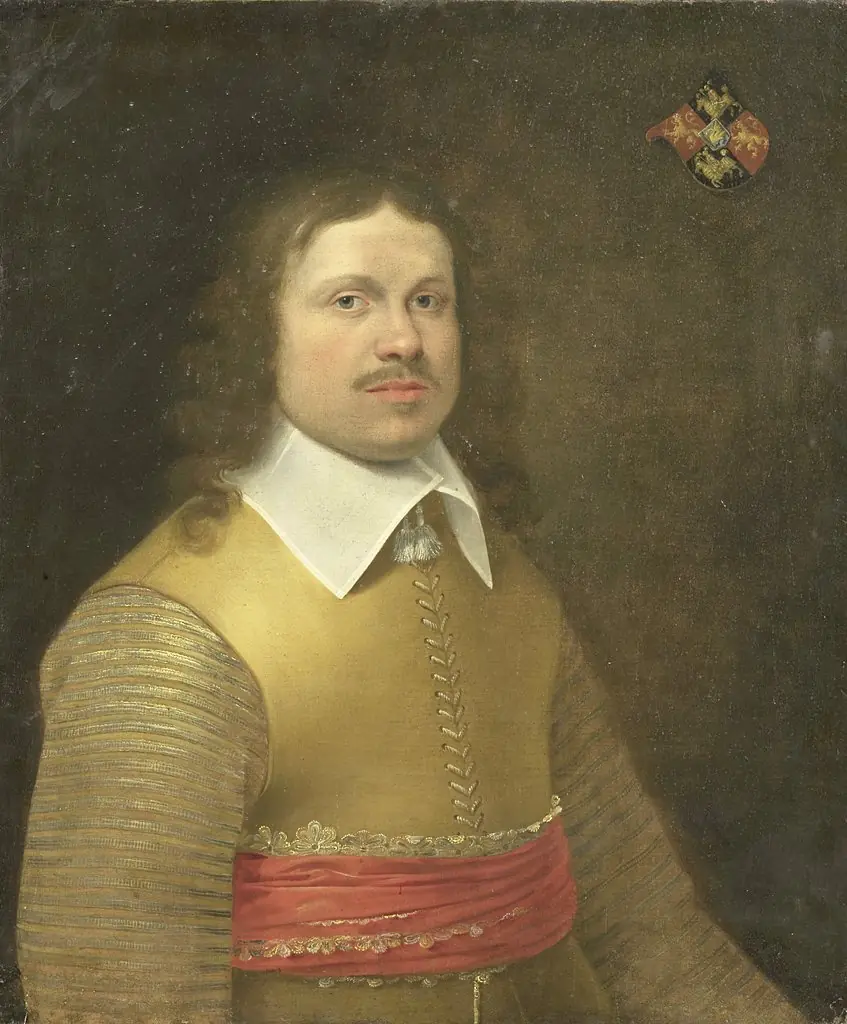 Portrait of Herman van der Hem van Nederstein (Herman Gysbert van der Hemm van Niederstein) (died 1671)
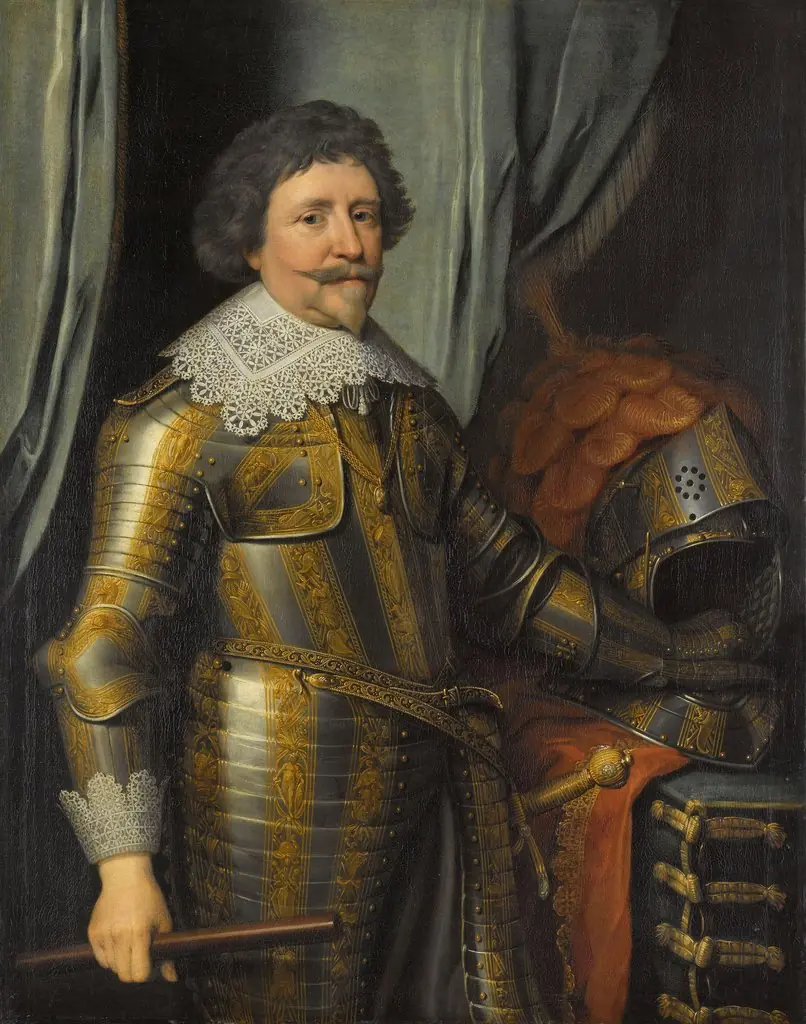 Portrait of Frederick Henry, Prince of Orange
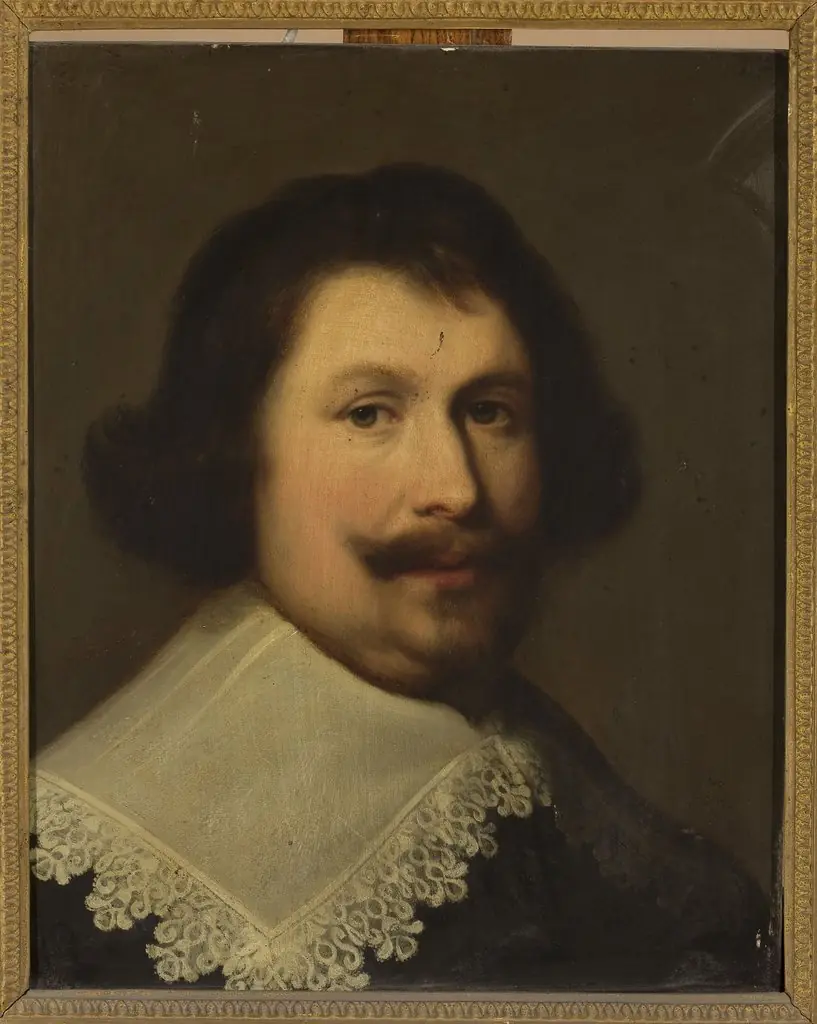 Portrait of a nobleman
 Untitled
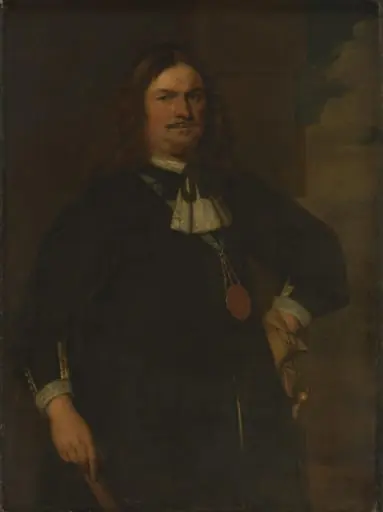 Portrait of Adriaen Banckert (c. 1620-1684), Vice Admiral of Zeeland
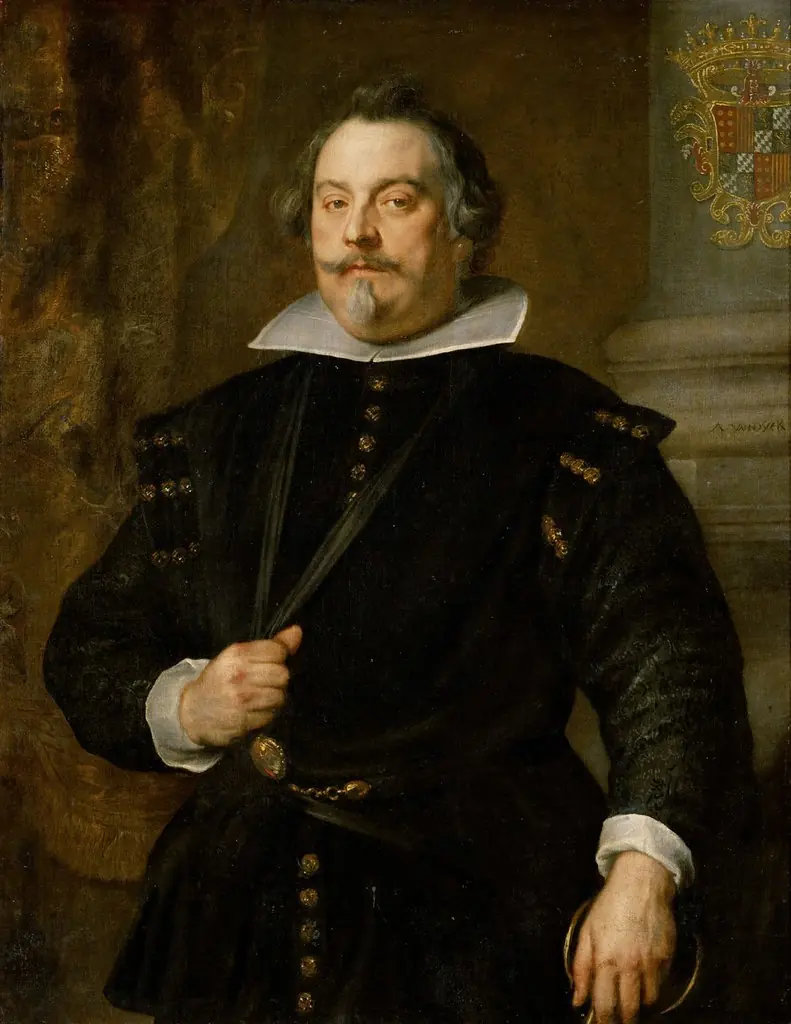 Portrait of Francisco de Moncada, Marqués de Aytona
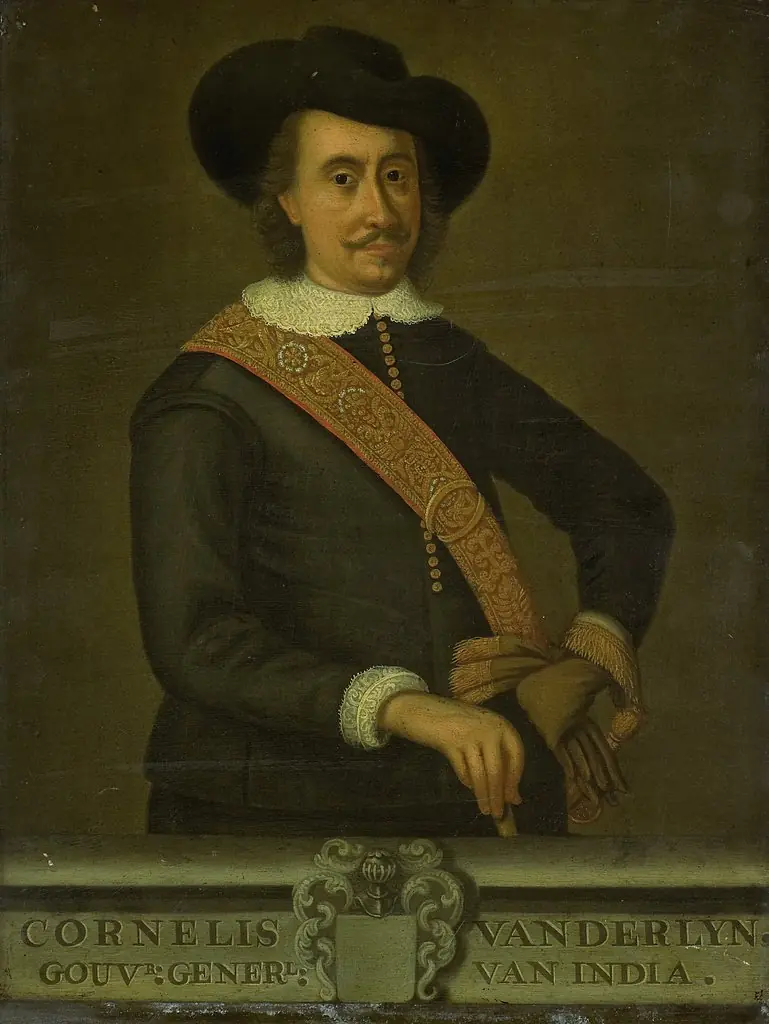 Portrait of Cornelis van der Lijn (1608-1679)