Artwork
Untitled: (elephants moving blocks of wood, recto); (procession or crowd, verso)
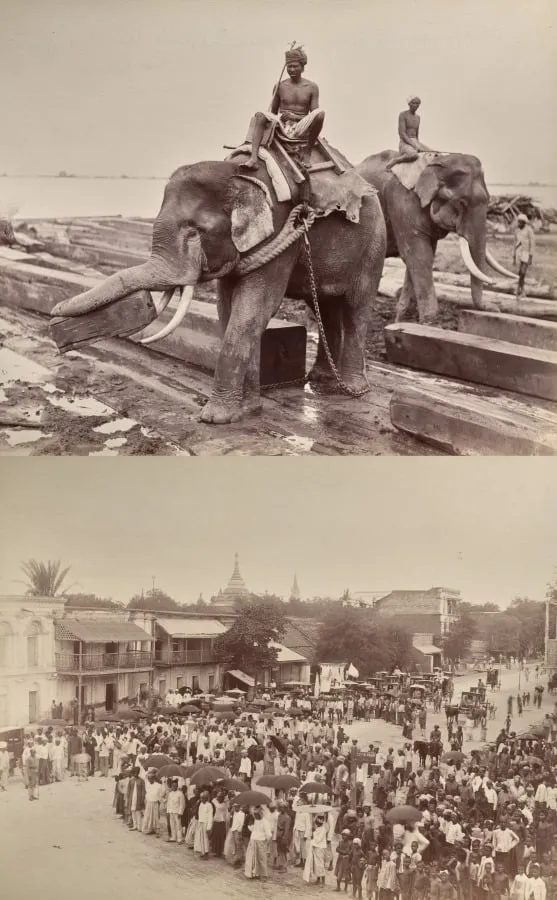
Untitled: (elephants moving blocks of wood, recto); (procession or crowd, verso) is a photography by the Impressionist artist Unknown. It dates from 1880 and is held in the collection of the Cleveland Museum of Art. This photograph presents two distinct scenes on opposite sides of the same sheet.
About this work
Overview
One side depicts two elephants traversing a rugged, dusty path—one carrying a rider, the other hauling a large wooden block with chains.
This photograph presents two distinct scenes on opposite sides of the same sheet. One side depicts two elephants traversing a rugged, dusty path—one carrying a rider, the other hauling a large wooden block with chains. The reverse shows a dense urban procession, with figures holding umbrellas beneath distant temple spires. The dual imagery suggests a connection between labor, ritual, and public life in a South or Southeast Asian context.
Subject & Meaning
The recto captures the physical labor of transporting materials, likely for construction or religious infrastructure, with elephants as essential agents of movement. The verso portrays a communal gathering, possibly a religious or civic event, where umbrellas signal both protection and ceremonial formality. Together, the images frame a cycle of effort and celebration, linking manual work with collective ritual in a shared cultural landscape.
Technique & Style
The photograph is rendered in a straightforward, unembellished manner, characteristic of documentary practice. Grainy texture and high contrast emphasize the roughness of terrain and the weight of the wooden block. The crowd scene is composed with depth, using architectural elements to frame the figures. No staging is evident; the images appear candid, prioritizing observation over artistic intervention.
History & Provenance
The photograph’s origin is undocumented, but its visual elements—elephant-drawn timber, temple architecture, and umbrella-bearing crowds—align with early 20th-century photographic records from colonial-era South or Southeast Asia. It may have been taken by a traveler, missionary, or colonial administrator. The dual-sided format suggests it was part of a personal album or field collection, preserved as a record of daily and ceremonial life.
Context
In regions where elephants were used for heavy transport and religious processions, such imagery was common in ethnographic photography. The presence of temple spires and public crowds indicates a setting where spiritual and civic life intertwined. The use of umbrellas points to climatic conditions and social customs around public gatherings, reinforcing the photograph’s role as a witness to local norms and infrastructure.
Legacy
This photograph contributes to a broader archive of vernacular imagery that documents labor and ritual outside formal institutions. Its dual composition invites comparison between private exertion and public spectacle, offering insight into how communities sustained both material and spiritual needs. It remains a quiet testament to the rhythms of everyday life in pre-modern urban and rural settings.
Artist & collection

 Domestic Scene
 Giacomo and Cardinal Marco, investing Andrea, Abbot of San Zeno, with his Benefice
 The Nymph of Fontainebleau
 Portrait of a Woman
 Madonna and Child with Saints in the Enclosed Garden
 Venus and Minerva
 Family Group of Four on Sofa
 Wall painting from Room H of the Villa of P. Fannius Synistor at Boscoreale
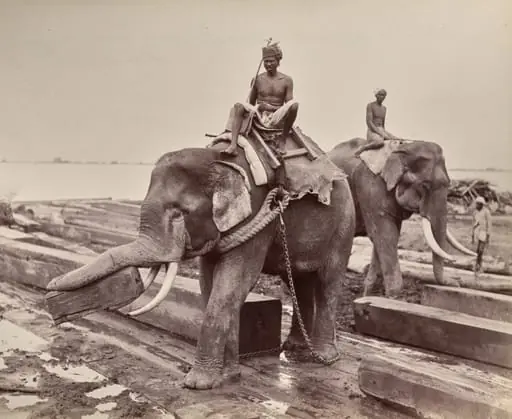 Untitled (elephants moving blocks of wood) (recto)
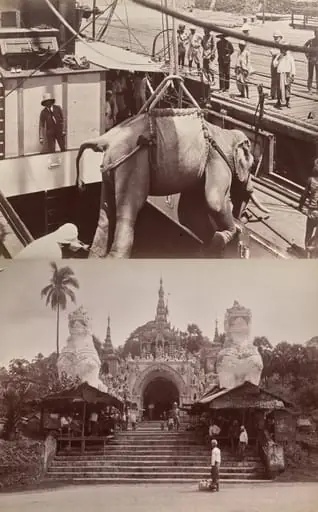 Untitled: (elephant being loaded onto a ship, recto); (steps and building, verso)
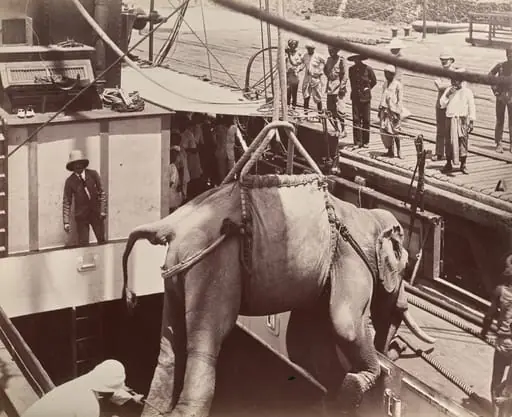 Untitled (elephant being loaded onto a ship, recto)
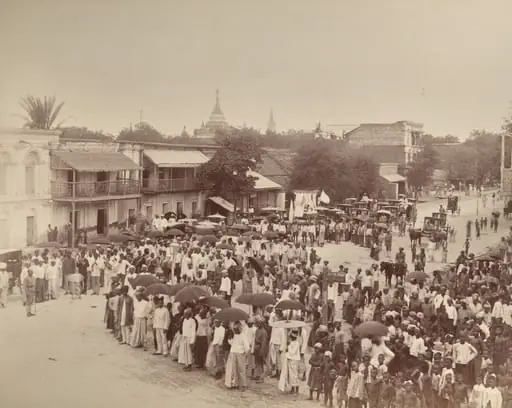 Untitled (procession or crowd) (verso)
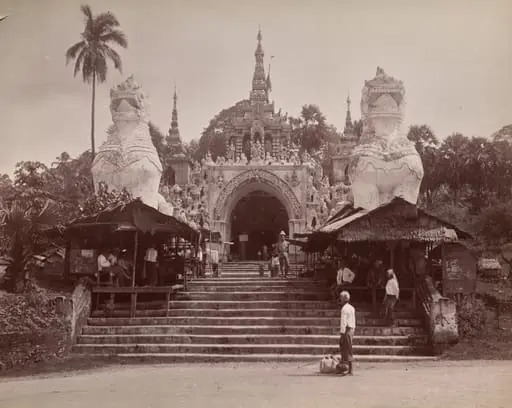 Untitled (steps and building, verso)
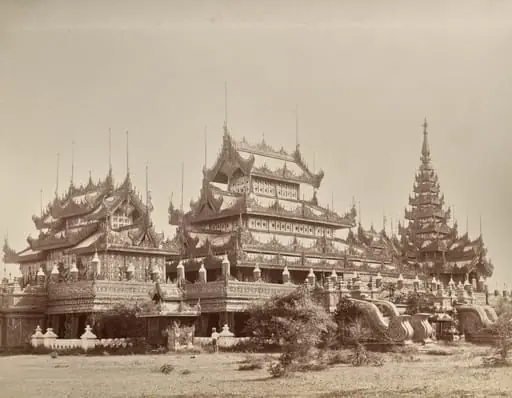 Untitled (ornate buildings, verso)
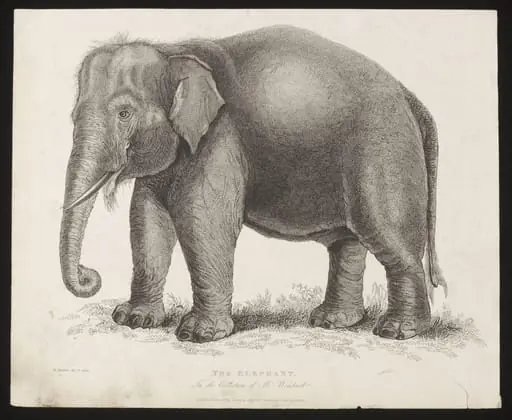 The Elephant.