Artwork
Untitled
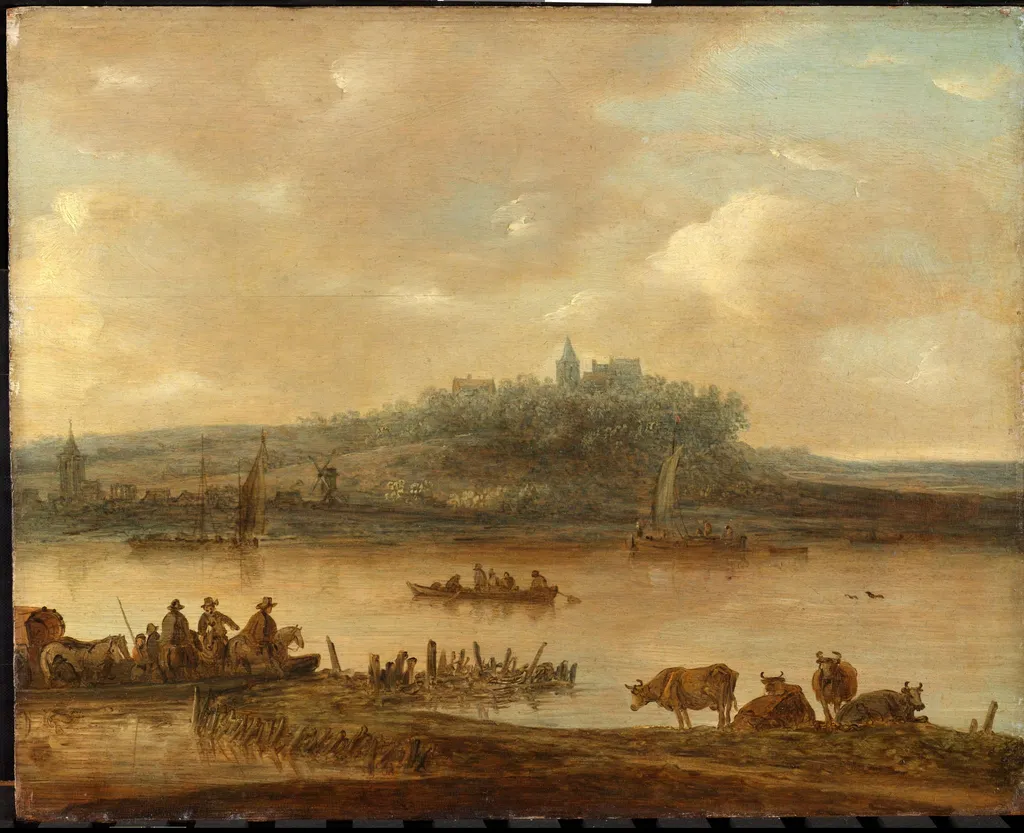
Untitled is an unspecified painting by the Early Baroque Italian artist Unknown. It dates from 1645 and is held in the collection of the Rijksmuseum. A small, intimate oil painting depicts a woman illuminated by a single candle, her face caught in a delicate balance of light and shadow.
About this work
Overview
A small, intimate oil painting depicts a woman illuminated by a single candle, her face caught in a delicate balance of light and shadow.
A small, intimate oil painting depicts a woman illuminated by a single candle, her face caught in a delicate balance of light and shadow. Dressed in a white cap and collar, she appears in profile, her expression unreadable. The artist’s identity and the work’s title remain unknown. The painting’s quiet intensity stems from its restrained palette and near-absolute smoothness of brushwork, with no visible strokes to disrupt the illusion of flesh and fabric.
Subject & Meaning
The figure is likely a private portrait, possibly of a domestic or religious woman, rendered with solemn dignity. The candle’s glow suggests a moment of contemplation, prayer, or quiet solitude. Her half-lit face invites interpretation without revealing emotion, avoiding narrative or symbolism. The absence of context—no background, no objects—focuses attention entirely on her presence, making the image feel both personal and universal.
Technique & Style
The painting employs a refined chiaroscuro technique, with light gradually dissolving into deep shadow, creating volume without harsh outlines. The surface is meticulously smoothed, eliminating brush texture to enhance realism. Pigments are applied in thin, layered glazes, allowing subtle transitions between tones. This method, common in Northern European portraiture of the late 16th or early 17th century, prioritizes optical fidelity over expressive gesture.
History & Provenance
The painting’s origin is undocumented. No records link it to a known artist, collector, or region. Its small scale and private subject suggest it was made for personal use rather than public display. It may have passed through private hands for centuries before entering a museum collection. Its anonymity reflects the fate of many minor works from the period, lost to time despite their technical skill.
Context
Created during a time when intimate portraiture flourished in the Low Countries and German-speaking regions, the work aligns with traditions of devotional and domestic imagery. Artists like Rembrandt and Hals explored similar lighting and psychological depth, though this piece lacks their fame or documentation. Its quietness contrasts with grander historical paintings, offering instead a glimpse into private, unrecorded lives.
Legacy
Though unsigned and unnamed, the painting endures as an example of understated mastery in early modern portraiture. Its technique influenced later studies of light and human presence in art. Museums and scholars value it not for its fame, but for its quiet precision—a testament to the skill of anonymous hands who shaped visual culture beyond the spotlight.
Artist & collection

 Domestic Scene
 Giacomo and Cardinal Marco, investing Andrea, Abbot of San Zeno, with his Benefice
 The Nymph of Fontainebleau
 Portrait of a Woman
 Madonna and Child with Saints in the Enclosed Garden
 Venus and Minerva
 Family Group of Four on Sofa
 Wall painting from Room H of the Villa of P. Fannius Synistor at Boscoreale
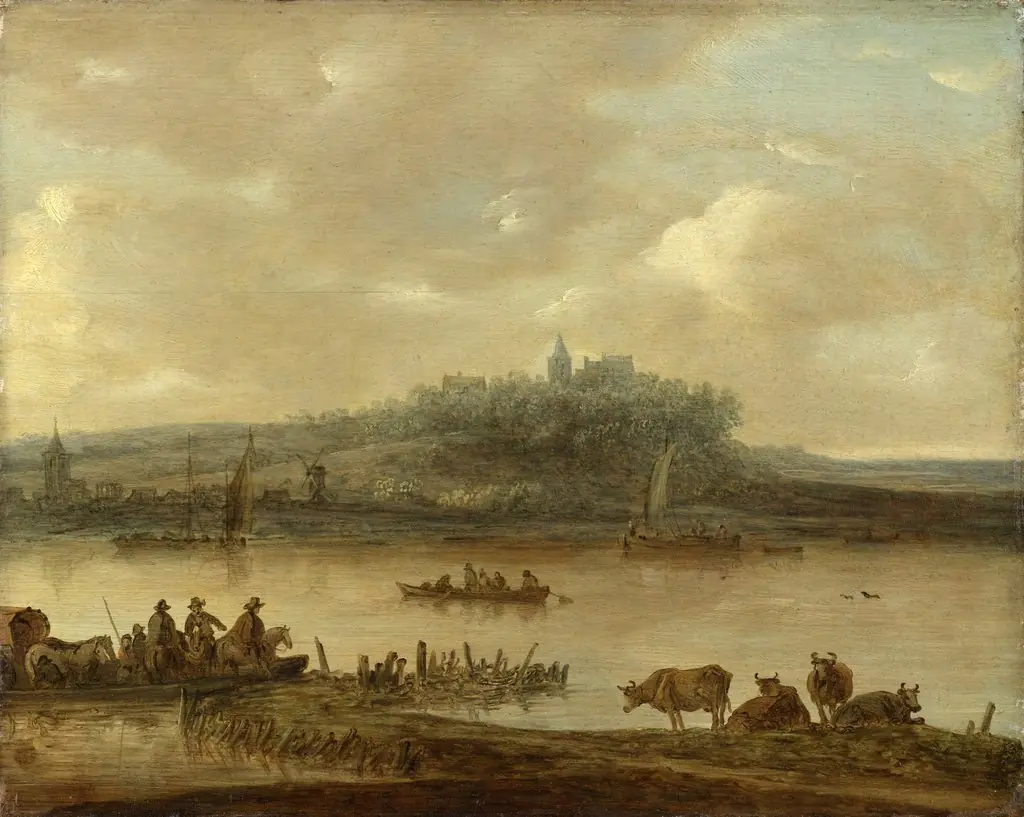 View of the Rhine and the Elterberg
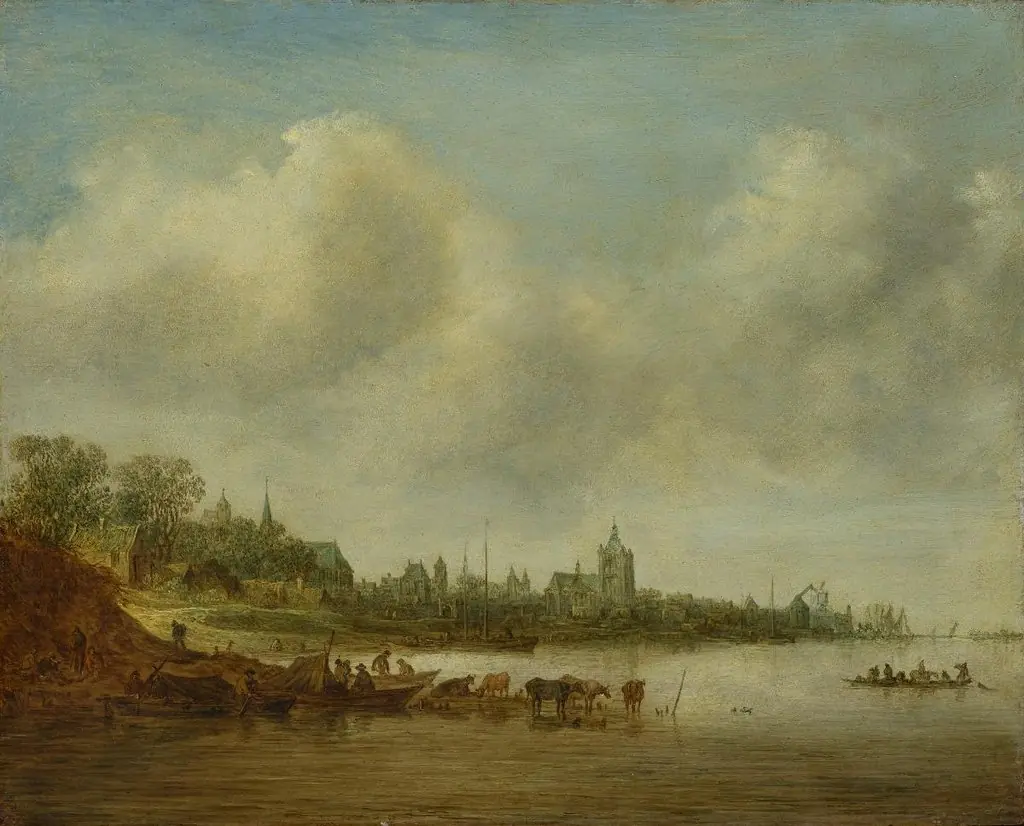 Blick über den Rhein auf Arnheim
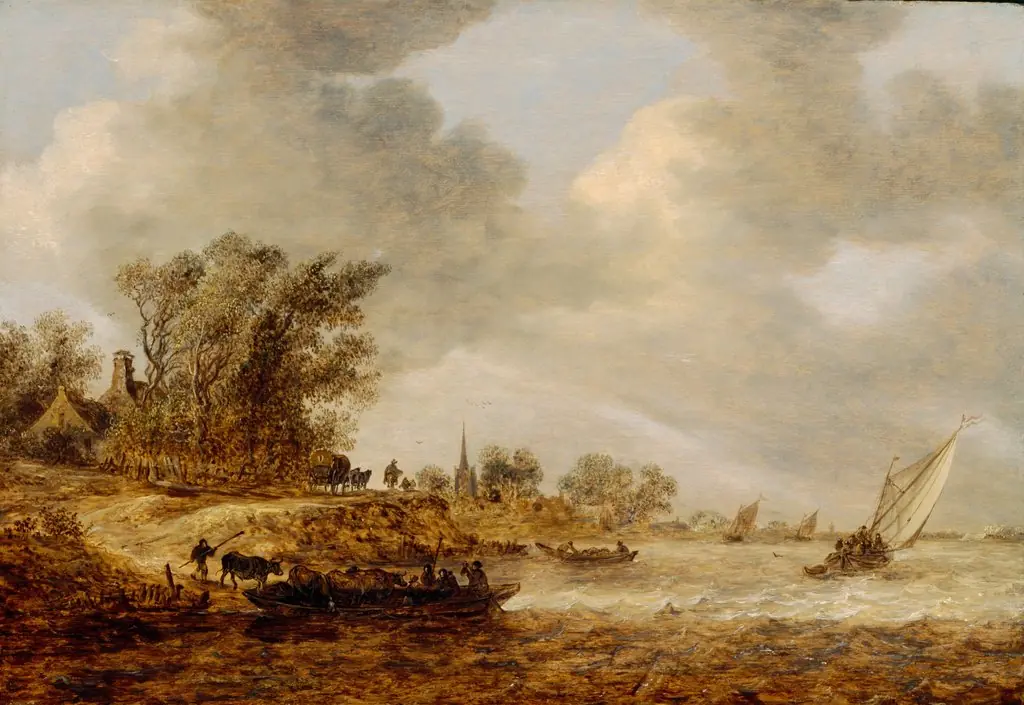 A Windy Day
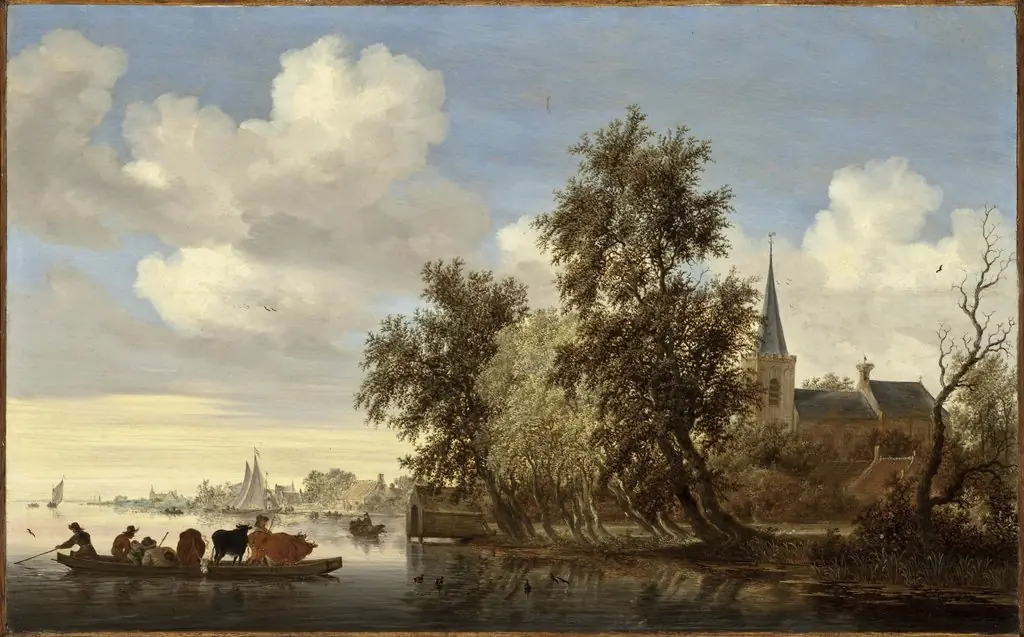 River Landscape with a Ferry
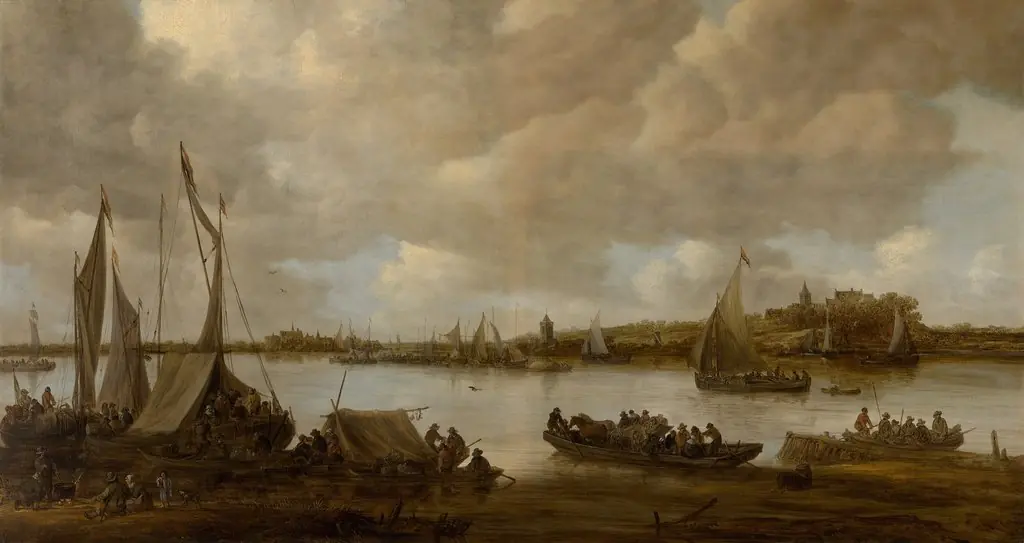 View of the Rhine near Hoog-Elten
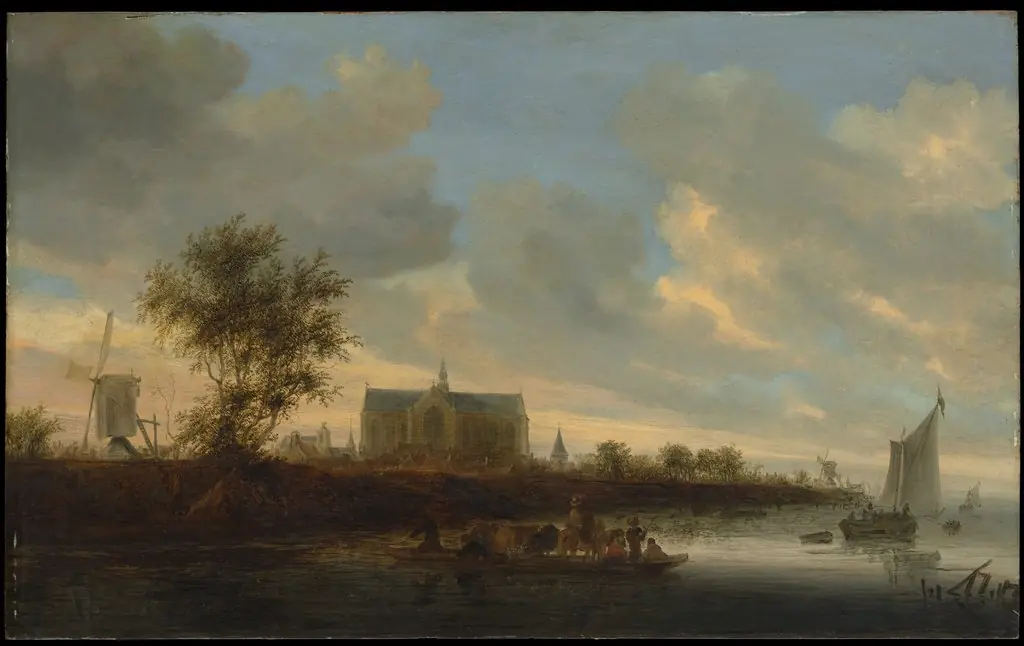 View of the Town of Alkmaar
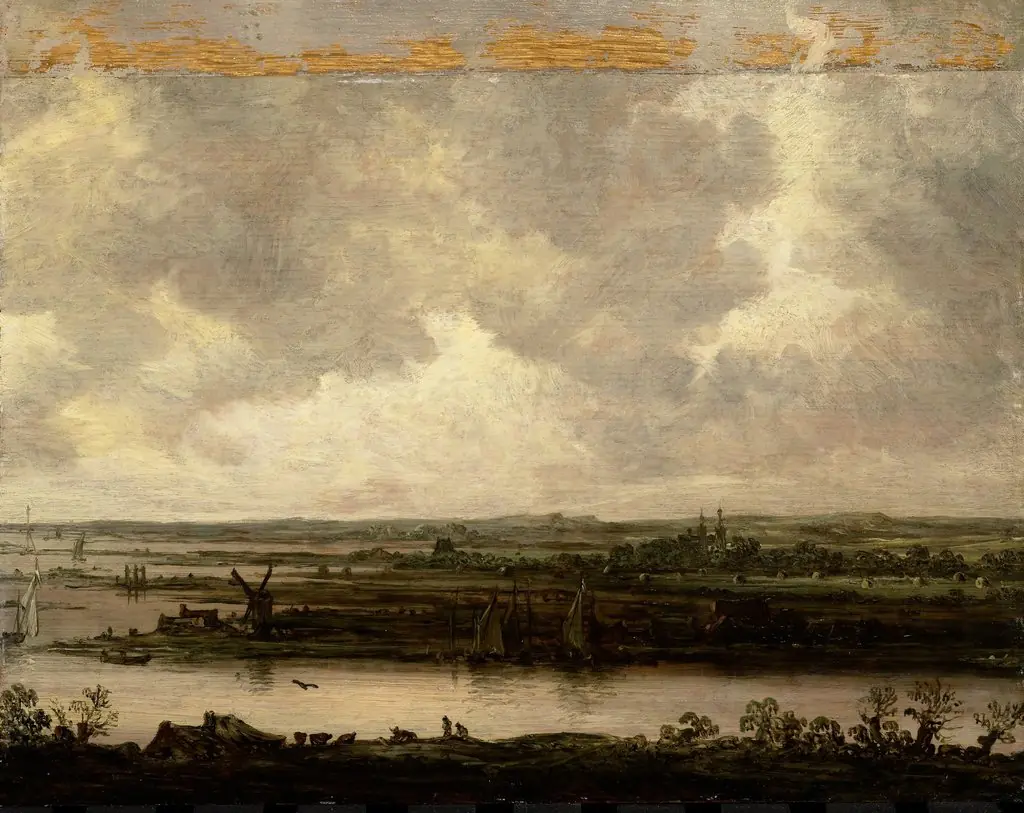 Panoramic view of the river Spaarne and the Haarlemmermeer
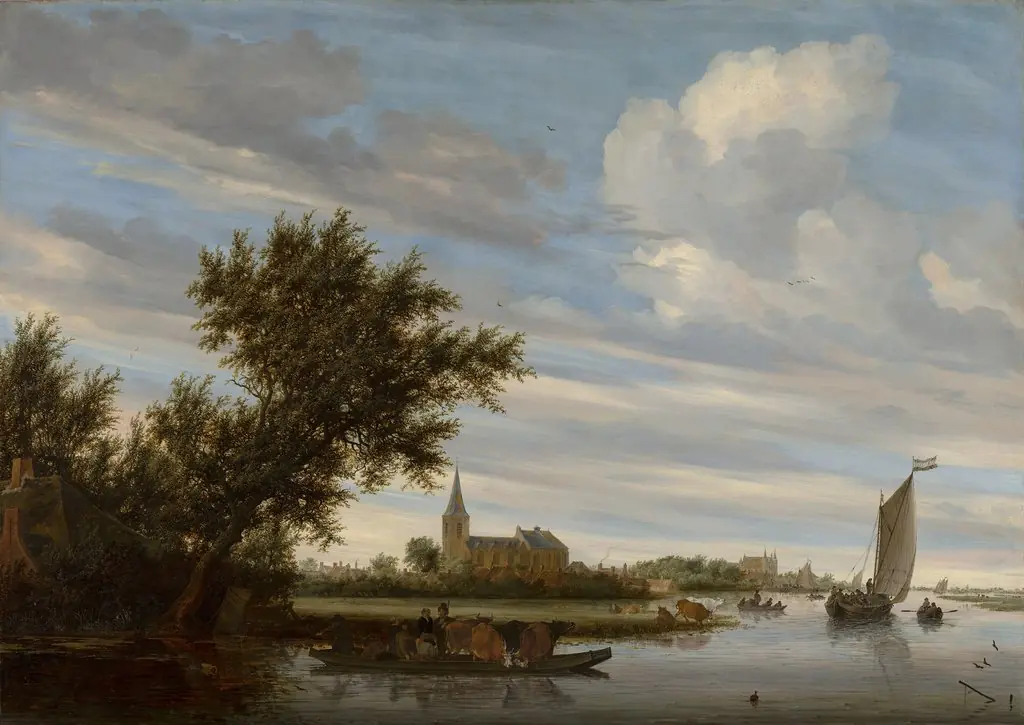 River View with Church and Ferry
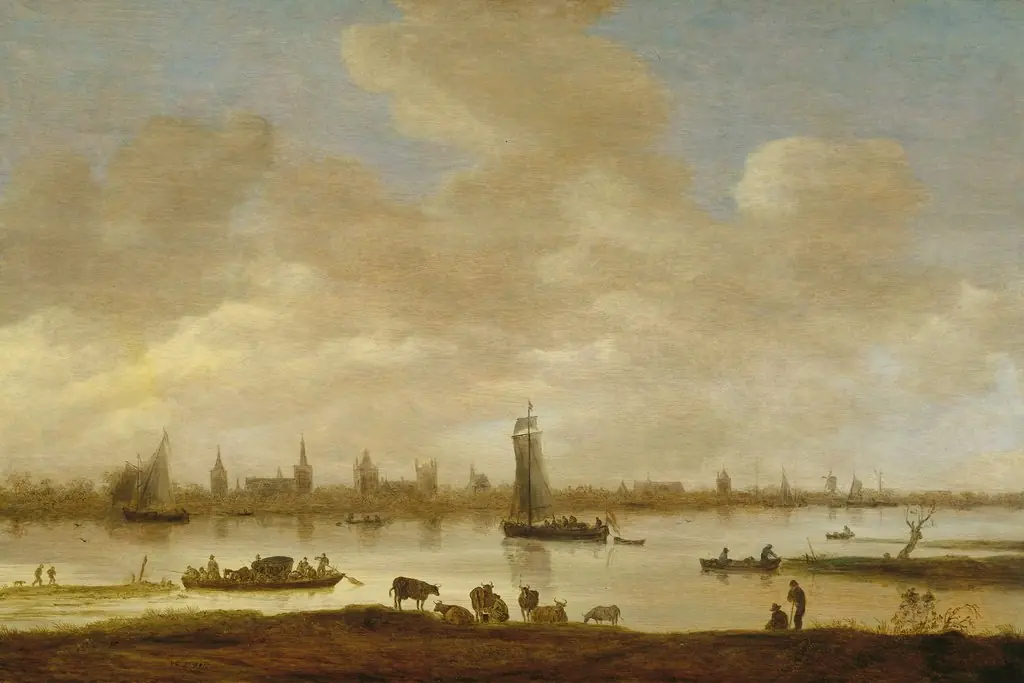 View of an imaginary town across a river with the Vianen tower of Saint Pol
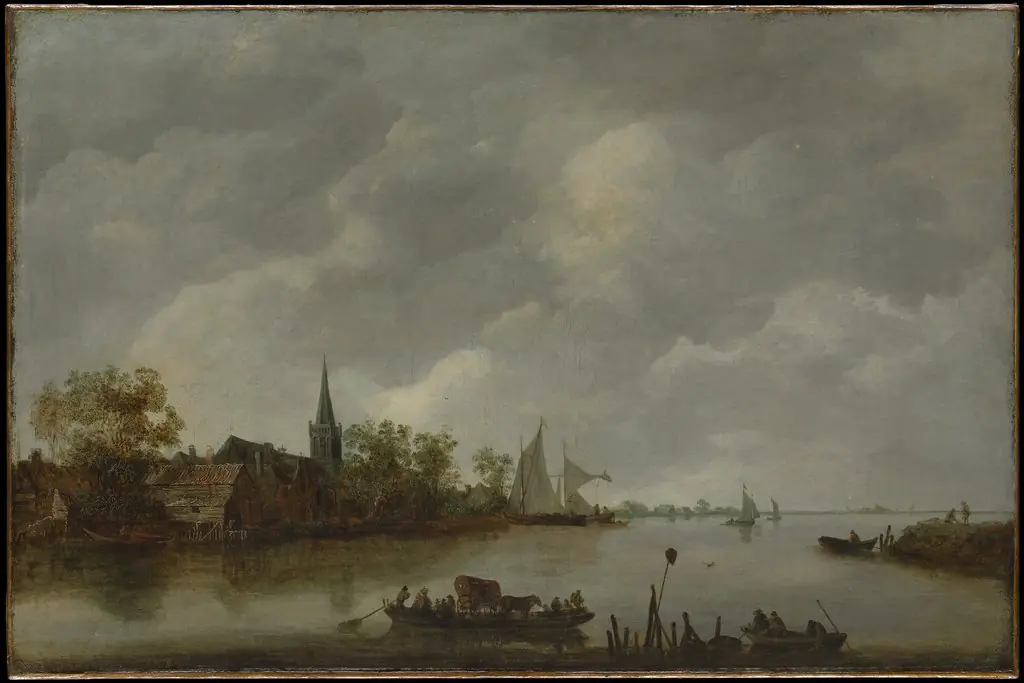 River View with a Village Church
 View of the City of Arnhem
 River Landscape with a Church in the Distance