Artwork
Westlake Panorama

Westlake Panorama is a print by the Baroque artist Unknown. It dates from 1704 and is held in the collection of the Cleveland Museum of Art.
About this work
These prints were made during the Qianlong reign, when Chinese artists borrowed shading tricks from European copperplate prints.
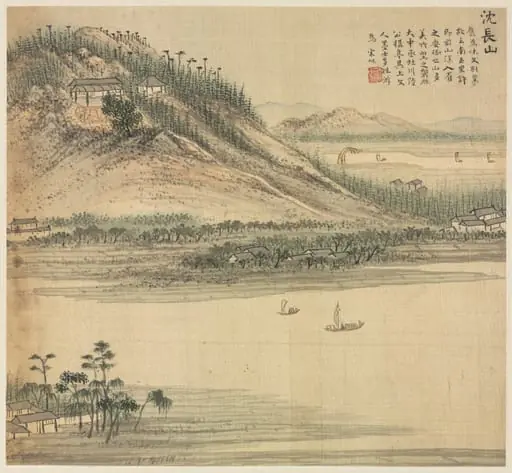
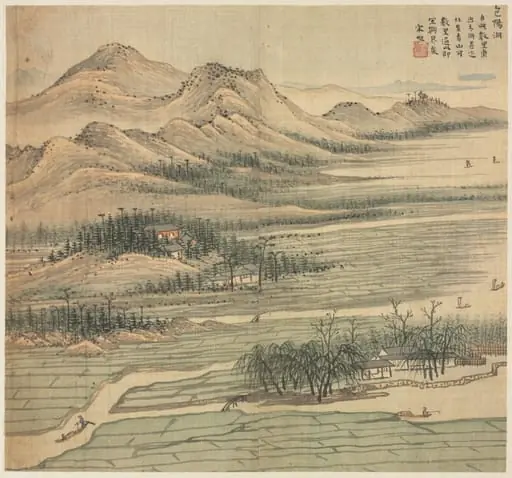
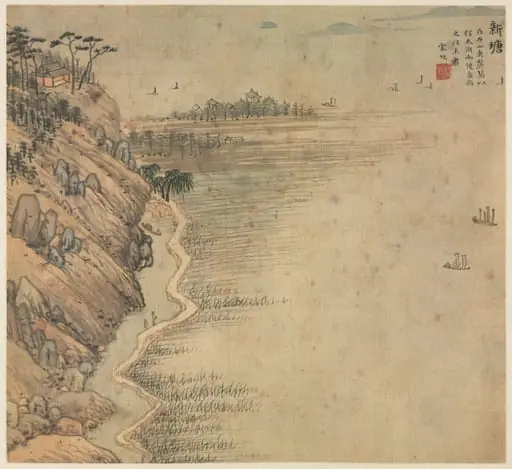
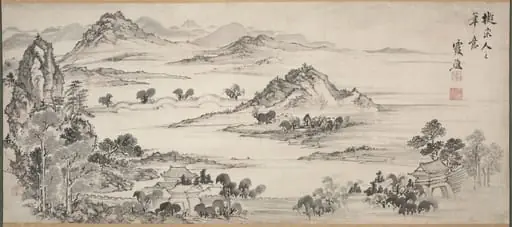
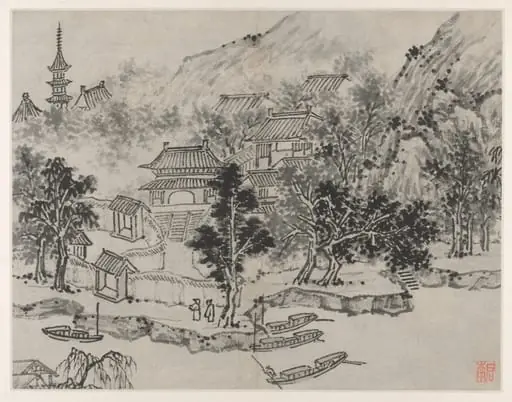
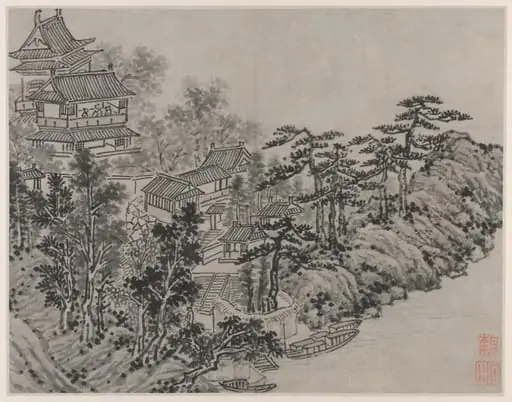
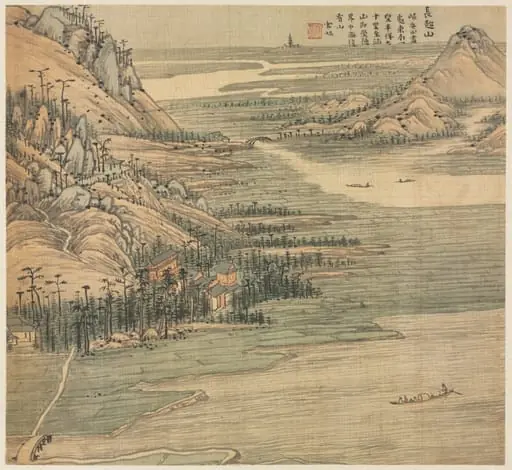
You’re looking at four long prints taped together like a scroll. They show West Lake in Hangzhou: bridges, pagodas, boats, and people strolling under willows.
These prints were made during the Qianlong reign, when Chinese artists borrowed shading tricks from European copperplate prints. The lines that darken hills or ripple water came from Jesuit missionaries. The detail feels almost like a tourist map—every famous spot is labeled.
If you like this, look up *qing dynasty (1644–1911)*.
Overview
The work consists of four joined prints forming a continuous panorama that depicts the celebrated Ten Scenes of West Lake in Hangzhou, together with additional local landmarks. Arranged like a scroll, the images present bridges, pagodas, boats and figures strolling beneath willow trees, offering a comprehensive visual guide to the lake’s famed attractions.
Subject & Meaning
The panorama captures the iconic vistas of West Lake, a site long associated with imperial tours and poetic tradition. By illustrating each of the ten classic scenes, the prints serve both as a record of the lake’s cultural geography and as an expression of the Qing court’s interest in showcasing celebrated natural and architectural features.
Technique & Style
The prints employ a linear perspective that converges toward a single vanishing point, a method introduced to Chinese art through European copperplate engravings brought by Jesuit missionaries. Fine hatching lines create tonal variations for hills, water and sky, reflecting a hybrid of Chinese brushwork and Western shading techniques that were fashionable in 18th‑century Suzhou workshops.
History & Provenance
Created during the reign of the Qianlong Emperor (1735–1796), the panorama reflects the period’s imperial patronage of art that incorporated foreign influences. Copies of the prints were exported to Europe, where they were used as decorative panels in aristocratic interiors, illustrating the cross‑cultural exchange of visual motifs between China and the West.
Context
The early Qing era saw a revival of interest in West Lake imagery, spurred by southern imperial inspection tours that highlighted the region’s scenic value. The integration of European perspective into Chinese printmaking aligns with broader trends of cultural interaction facilitated by missionary activity and the court’s openness to foreign artistic ideas.
Artist & collection

 Domestic Scene
 Giacomo and Cardinal Marco, investing Andrea, Abbot of San Zeno, with his Benefice
 The Nymph of Fontainebleau
 Portrait of a Woman
 Madonna and Child with Saints in the Enclosed Garden
 Venus and Minerva
 Family Group of Four on Sofa
 Wall painting from Room H of the Villa of P. Fannius Synistor at Boscoreale