Artwork
West Lake
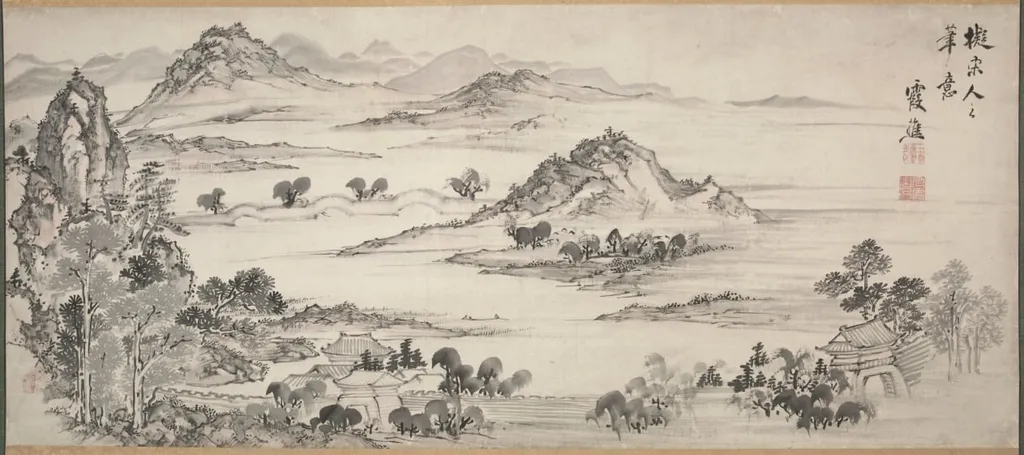
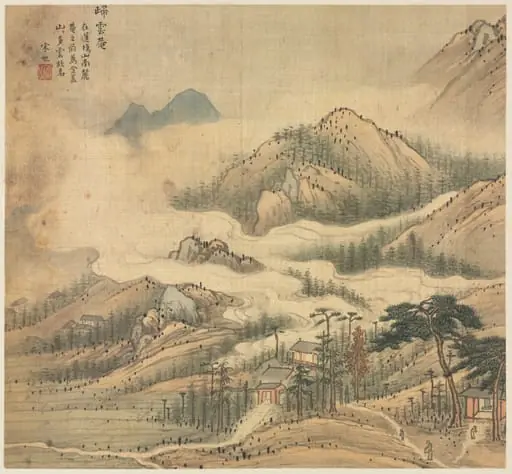
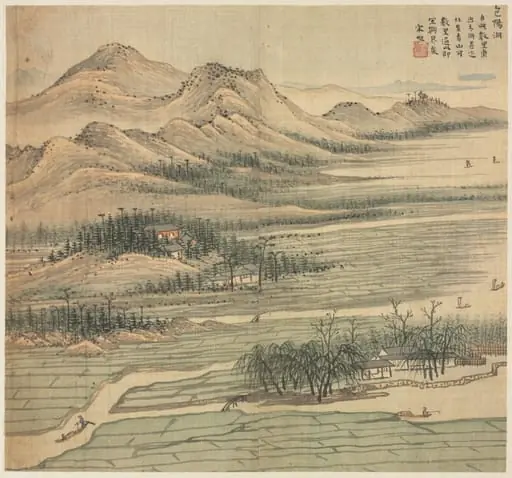
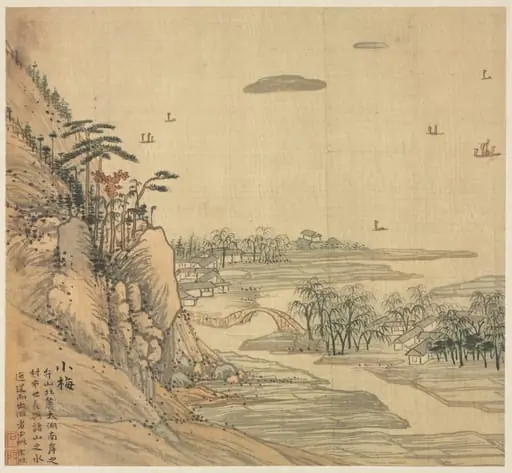
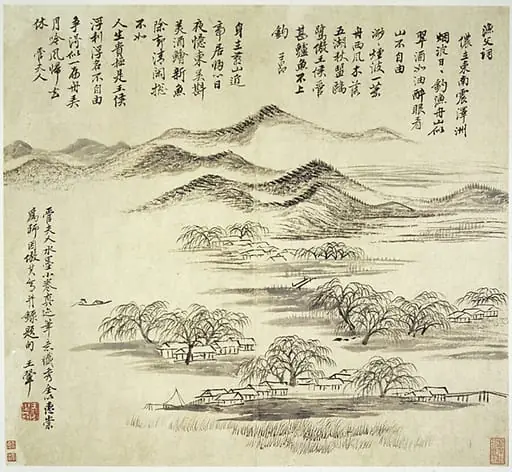
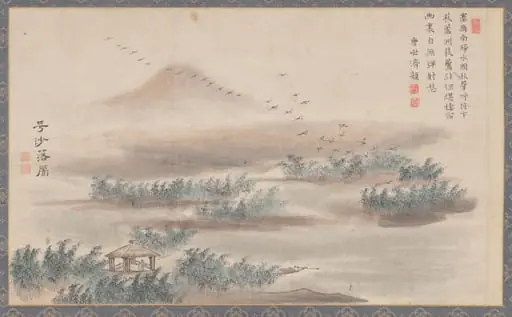
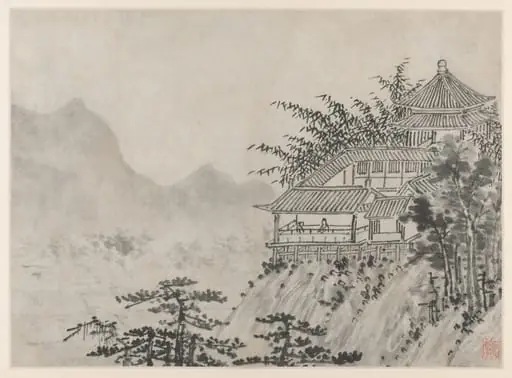
West Lake is an unspecified painting by the Baroque artist Ike no Taiga. It dates from 1704 and is held in the collection of the Cleveland Museum of Art.
About this work
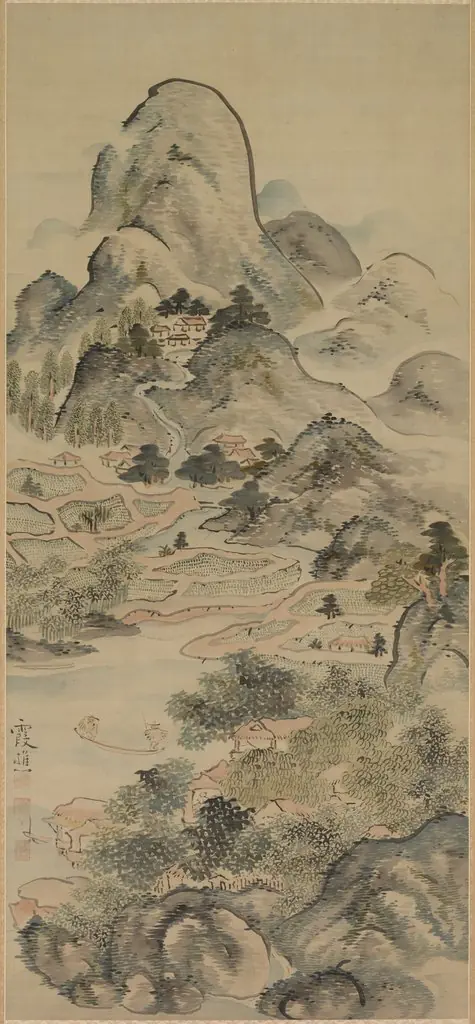
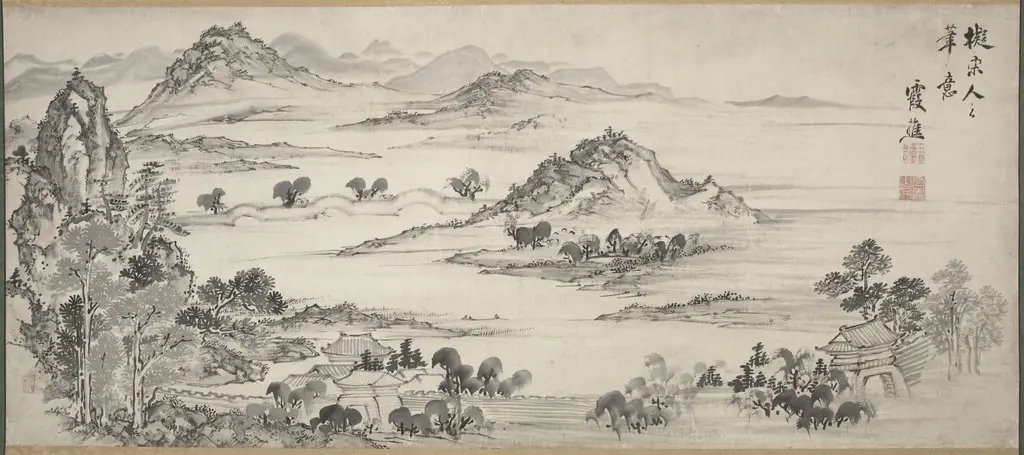
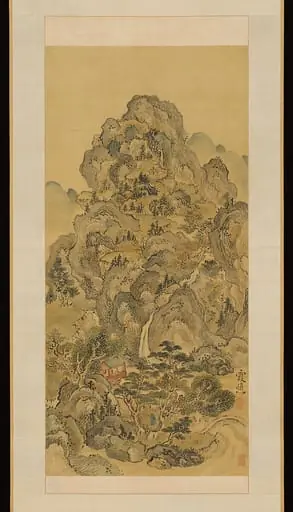
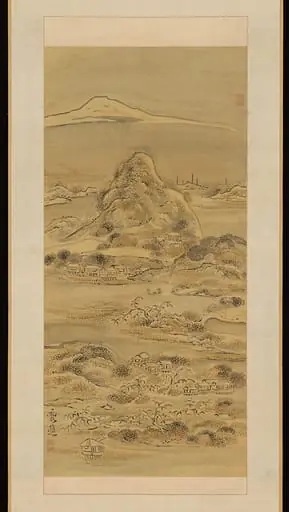
You see a soft, misty lake dotted with tiny islands and a curved stone bridge.
This painting shows West Lake in China, but it was made by a Japanese artist. The lake was famous in Chinese poetry, and Japanese painters borrowed the idea. The arched bridge is the giveaway—it’s the same one poets wrote about centuries before.
Look up *Japan, Edo period (1615–1868)* to see more art from this time.
Overview
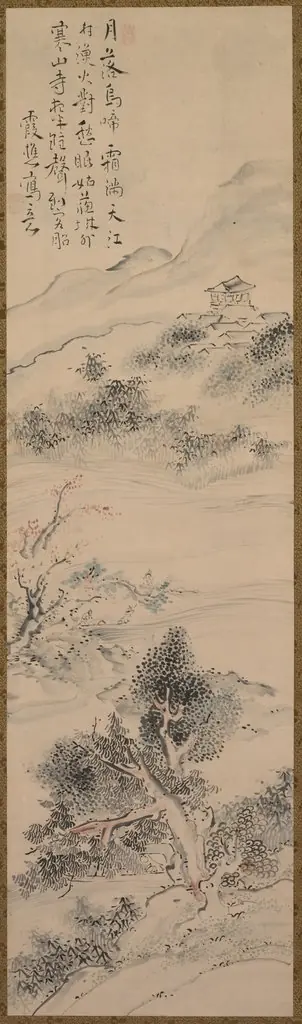
This Japanese Edo period painting depicts West Lake, a renowned location near Hangzhou, China, celebrated in Chinese poetry. Characteristic arched bridges and misty, island-dotted scenery identify the subject.
Subject & Meaning
West Lake, a site revered by Chinese poets such as Bai Juyi and Lin Bu, is portrayed. The painting reflects the lake's poetic legacy, transplanted into Japanese art, with the curved stone bridge symbolizing its cultural significance.
Technique & Style
Executed in a soft, misty style, the painting embodies the amateur scholar-painter tradition of Chinese art, which Japanese artists like Ike Taiga adopted during the Edo period.
History & Provenance
Created in Japan during the Edo period (1615–1868), this work represents an early example of Japanese artists emulating Chinese landscapes, particularly the West Lake motif popularized in 15th-century Japan.
Context
The painting's creation was influenced by the historical exchange of cultural ideals between China and Japan, where Chinese poetic and artistic motifs were borrowed and reinterpreted.
Artist & collection
Artist
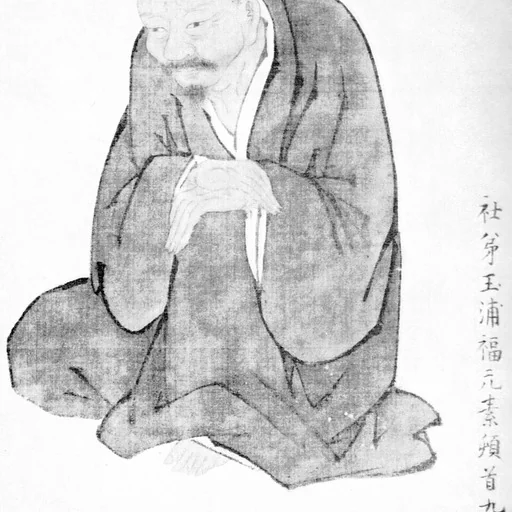
Ike no Taiga (池大雅; June 6, 1723, in Kyōto, Japan — May 30, 1776, in Kyōto) was a Japanese painter and calligrapher born in Kyoto during the Edo period.