Artwork
Woman with an Accordion daguerreotype
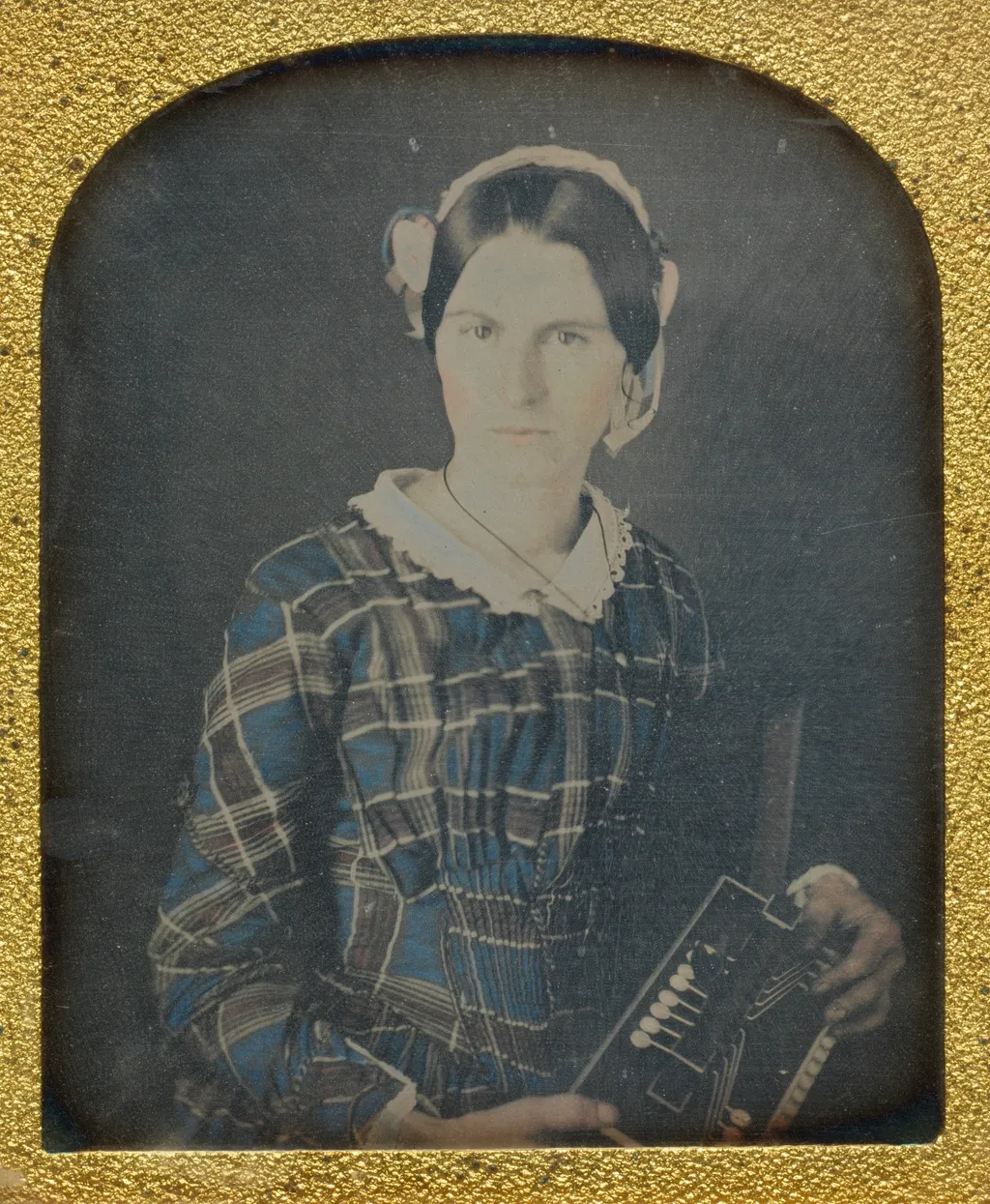
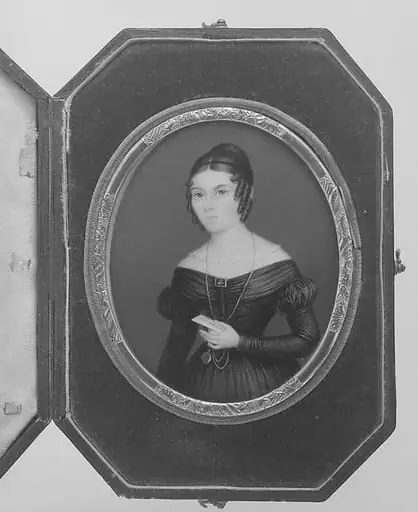
Woman with an Accordion daguerreotype is an unspecified painting. It dates from 1844 and is held in the collection of the Metropolitan Museum of Art. This daguerreotype, titled Woman with an Accordion, presents a seated female subject within a small, oval frame.
About this work
Overview
As an early photographic image, it captures her likeness with remarkable clarity, emphasizing her composed demeanor and the musical instrument she holds.
This daguerreotype, titled Woman with an Accordion, presents a seated female subject within a small, oval frame. As an early photographic image, it captures her likeness with remarkable clarity, emphasizing her composed demeanor and the musical instrument she holds. The portrait serves as a document of 19th-century personal representation, highlighting both the individual and the material culture of the period through its detailed rendering.
Subject & Meaning
The woman is shown wearing a dark plaid dress, featuring white trim at the collar and cuffs, with her hair neatly styled away from her face. Her expression is calm and direct, engaging the viewer with a steady gaze. The accordion in her hands, an early design with slender metal parts and a small keyboard, suggests a connection to music or a cherished personal item, contributing to the sitter's individual narrative.
Technique & Style
This image is a daguerreotype, a unique photographic process that creates a direct positive on a highly polished, silver-plated copper sheet. The medium's inherent sharpness is evident in the precise details of the woman's clothing and the accordion's structure. The plain, dark background ensures that the viewer's attention remains entirely on the subject, a common stylistic choice in early portrait photography to enhance focus within the intimate oval format.
Artist & collection