Artwork
xiang ying hong
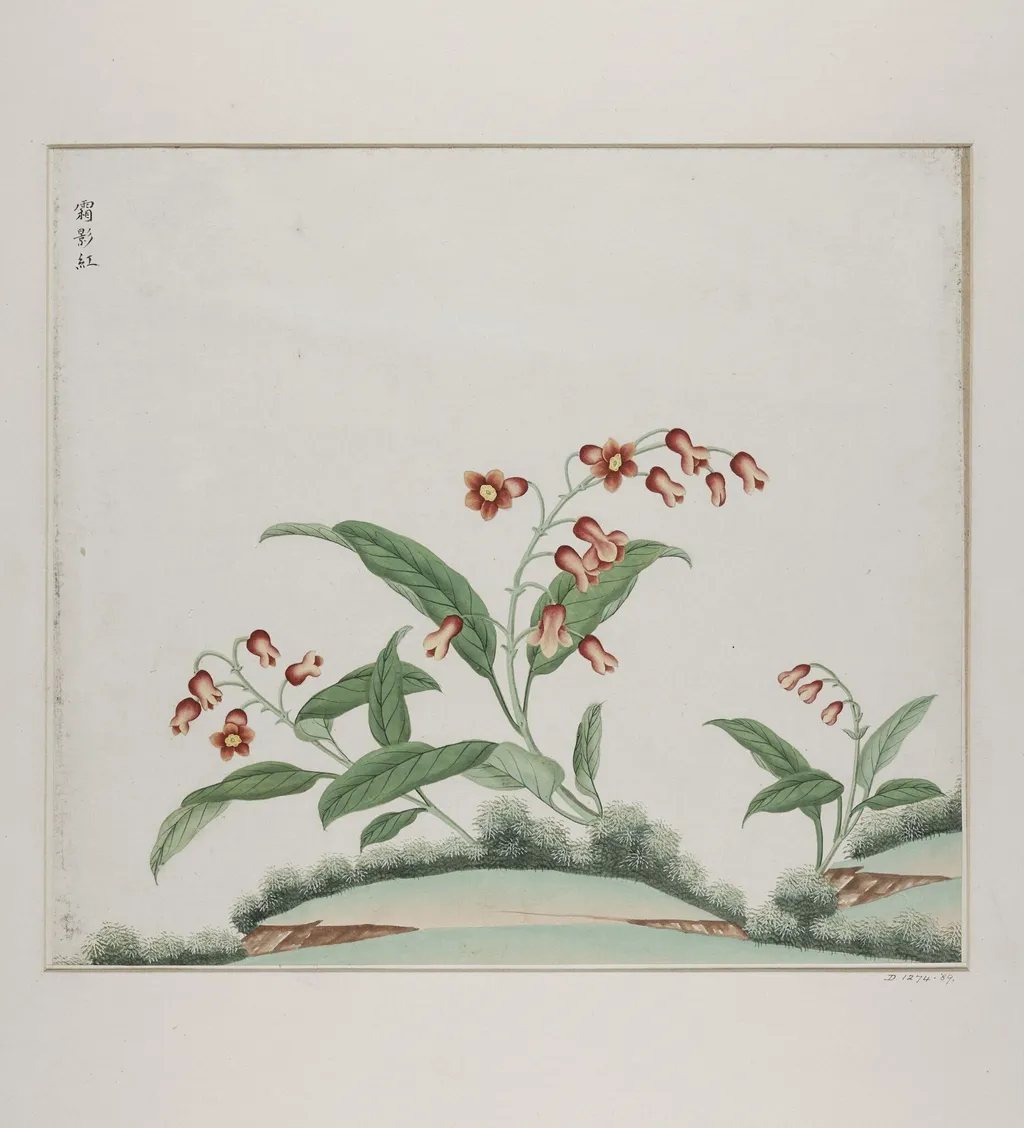
xiang ying hong is a paint painting by the Rococo painting artist Unknown. It dates from 1780 and is held in the collection of the Victoria and Albert Museum.
About this work
Overview
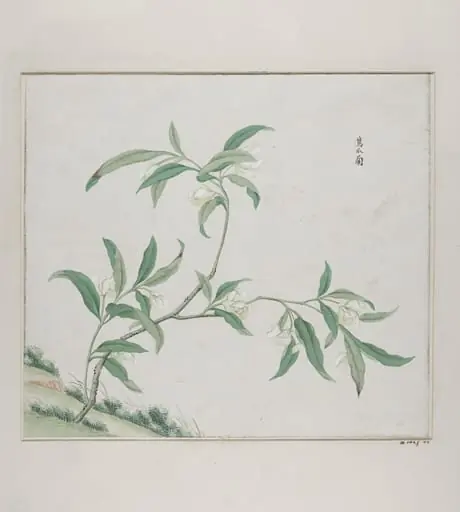
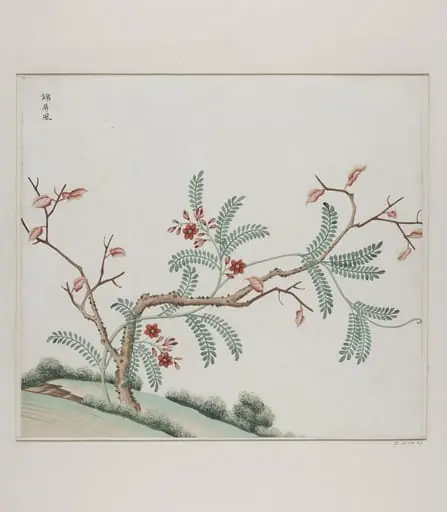
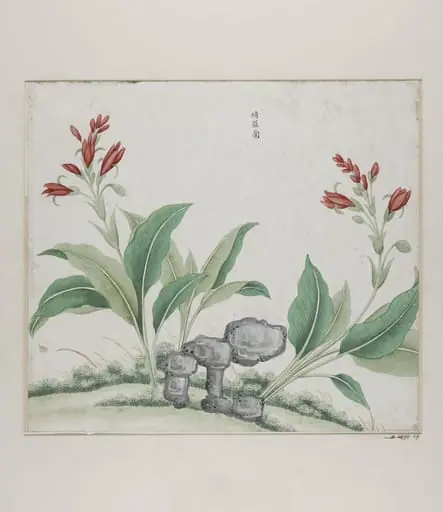
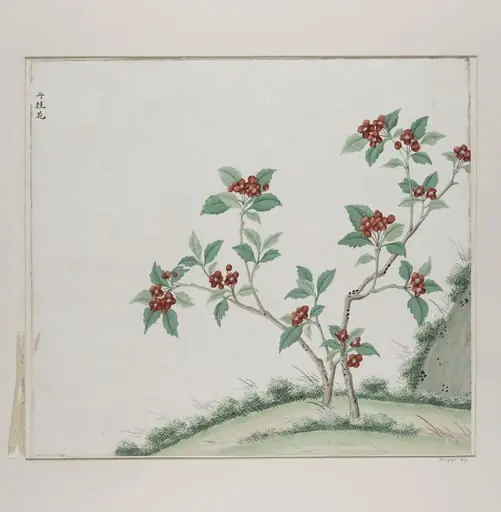
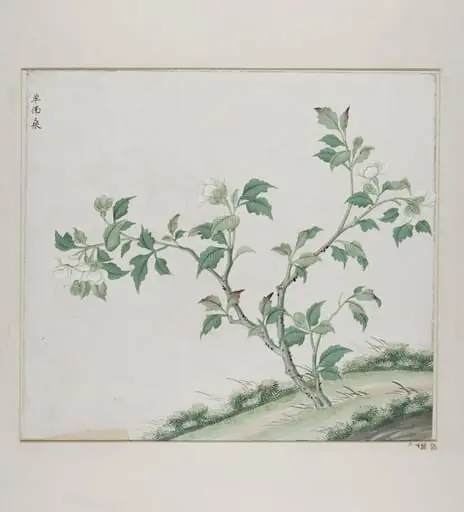
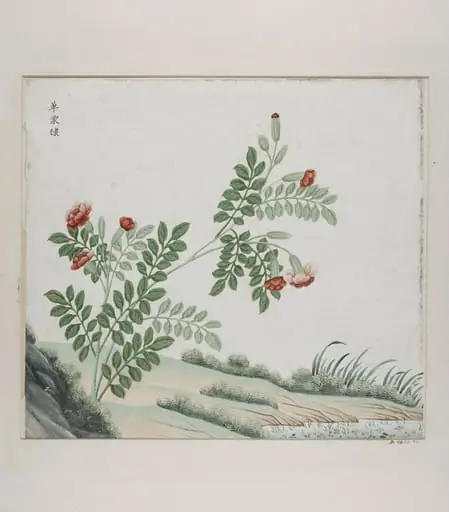
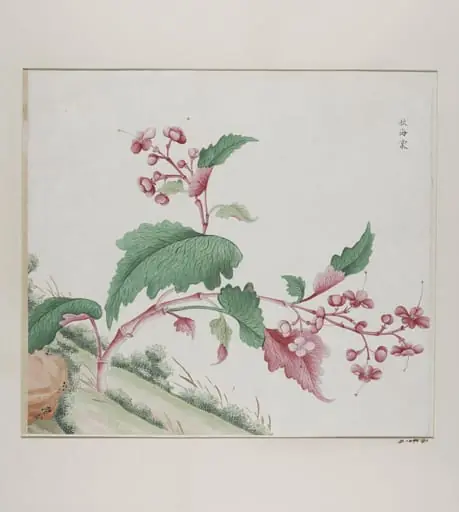
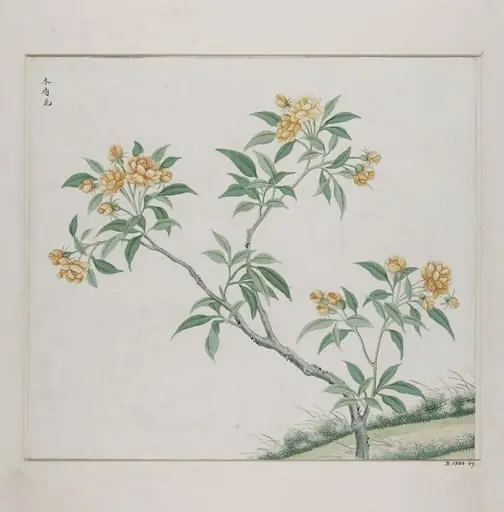
A watercolour painting from approximately 1780 captures a naturalistic cluster of flowering plants, likely *xiang ying hong*, rendered with quiet precision.
A watercolour painting from approximately 1780 captures a naturalistic cluster of flowering plants, likely *xiang ying hong*, rendered with quiet precision. The composition centers on the blooms and foliage against a muted background, with a subtle stream of water flowing over stones at the base. Its small scale and delicate execution suggest it was intended for intimate contemplation rather than public display.
Subject & Meaning
The depicted flora, possibly *xiang ying hong*, is rendered with attention to botanical accuracy, emphasizing buds in early bloom and fine textures like microscopic hairs. The inclusion of moss and flowing water evokes a secluded, tranquil setting, aligning with traditions that honor understated natural beauty. The scene invites quiet observation, reflecting a cultural appreciation for ephemeral, unassuming elements of the natural world.
Technique & Style
Executed in transparent watercolour, the painting uses fine brushwork to define petal edges, leaf veins, and the delicate texture of buds. The pale blue-green background enhances the vibrancy of the red flowers without competing for attention. The artist employed layered washes to suggest depth and moisture, while the inclusion of a trickling stream adds a sense of quiet movement and stillness simultaneously.
History & Provenance
The painting entered a museum collection in 1889, acquired from E. Parsons. Its presence in the Asia Department’s registers was confirmed during a 2022 provenance review. Prior to its institutional acquisition, its ownership history remains undocumented, though its style and materials suggest it originated in a Chinese artistic context, possibly as part of a private album or study collection.
Context
Created during the late Qing dynasty, this work aligns with a tradition of botanical illustration that valued scientific observation alongside aesthetic restraint. Such paintings often circulated among scholars and collectors who prized nature studies as expressions of harmony and mindfulness. Unlike grand imperial commissions, this piece reflects a more personal, contemplative approach to depicting the natural world.
Legacy
The painting contributes to a broader corpus of East Asian watercolours that document flora with both precision and poetic sensitivity. While not widely exhibited, it remains a quiet example of how natural subjects were cultivated as subjects of artistic and philosophical reflection. Similar works can be found in institutions like the Victoria and Albert Museum, where botanical watercolours are preserved as cultural records.
Artist & collection

 Domestic Scene
 Giacomo and Cardinal Marco, investing Andrea, Abbot of San Zeno, with his Benefice
 The Nymph of Fontainebleau
 Portrait of a Woman
 Madonna and Child with Saints in the Enclosed Garden
 Venus and Minerva
 Family Group of Four on Sofa
 Wall painting from Room H of the Villa of P. Fannius Synistor at Boscoreale