Artwork
View of an Estate
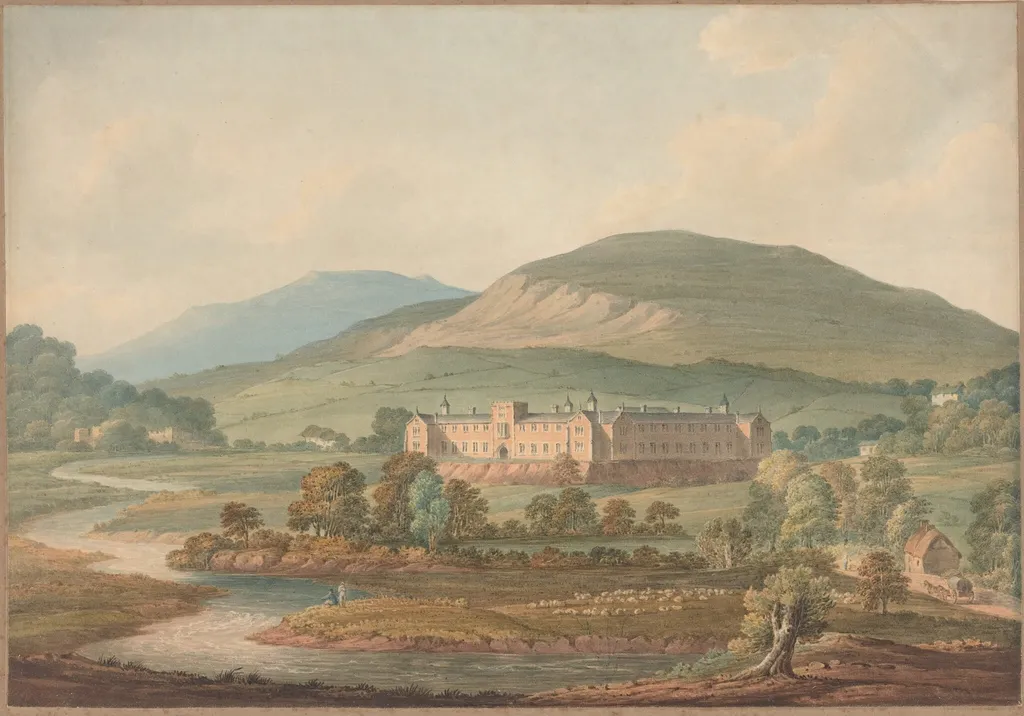
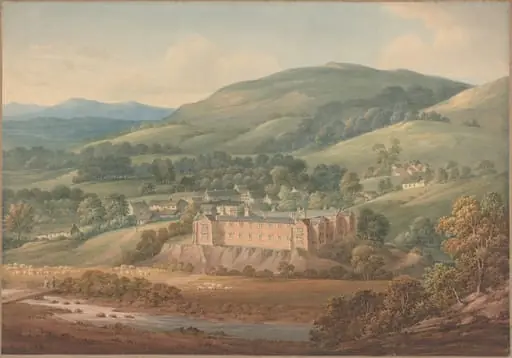
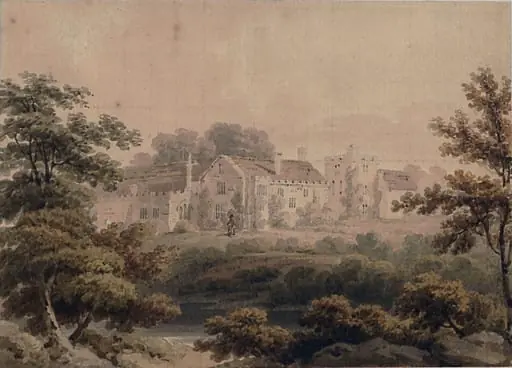
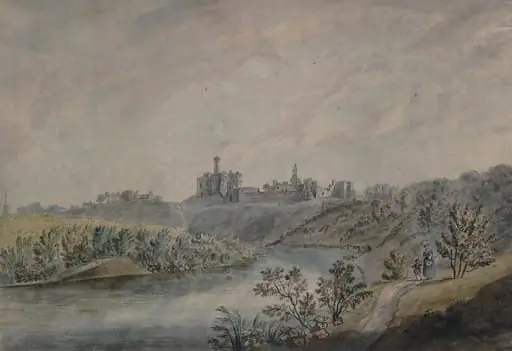
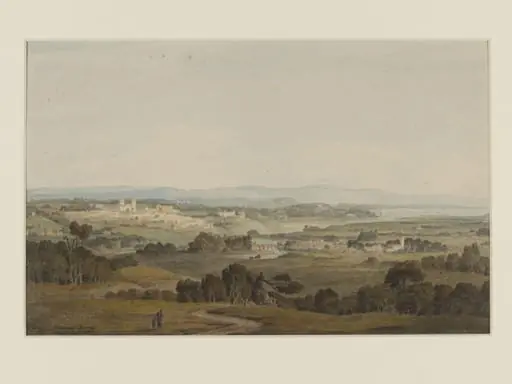
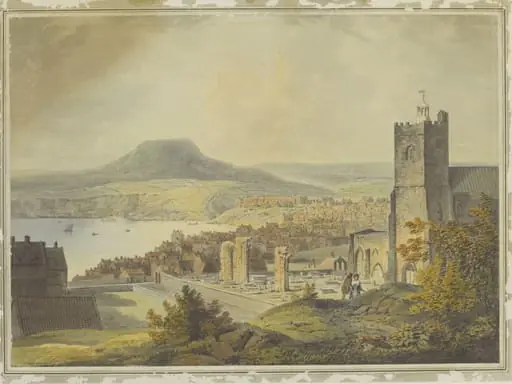
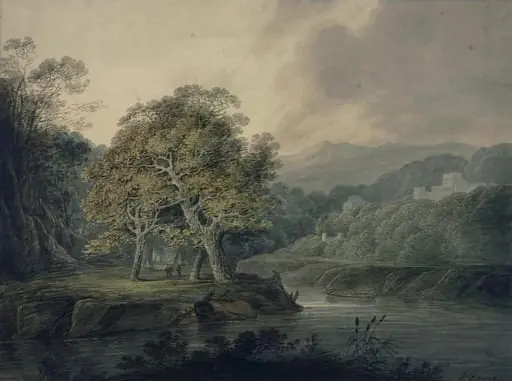
View of an Estate is a graphite drawing by the Romanticist artist John William Upham. It dates from 1800 and is held in the collection of the National Gallery of Art. Created in 1800, this drawing depicts a rural estate rendered in watercolor over graphite on wove paper.
About this work
Overview
Created in 1800, this drawing depicts a rural estate rendered in watercolor over graphite on wove paper. The work belongs to the genre of topographical drawing, capturing a specific property with attention to architectural detail and landscape arrangement. Its modest scale and medium suggest it was made for private observation rather than public display.
Subject & Meaning
The scene portrays an estate house surrounded by landscaped grounds, likely a private residence in the English countryside. The composition emphasizes order and tranquility, reflecting ideals of landed property and domestic harmony common in early 19th-century Britain. No figures or activity are present, reinforcing a sense of stillness and ownership.
Technique & Style
The artist used graphite to outline structures and terrain, then applied transparent watercolor washes to suggest light, shadow, and vegetation. The precision of the lines and restrained palette indicate a methodical approach, typical of topographical artists who prioritized accuracy over expressive flourish.
History & Provenance
The work is attributed to John William Upham, a lesser-known English draftsman active around the turn of the 19th century. Its early date and material suggest it may have been commissioned by the estate’s owner or used as a record of property boundaries and features. No public exhibition history is documented prior to its inclusion in institutional collections.
Context
During this period, watercolor drawings of estates were common among the landed gentry as personal records or gifts. They often served practical purposes—documenting land use or architectural changes—while also affirming social status. Upham’s work aligns with this tradition, situated between surveying and amateur artistic practice.
Legacy
Though not widely exhibited or studied, the drawing contributes to the understanding of early 19th-century British topographical art. It exemplifies how private documentation could preserve visual records of rural life, offering insight into the aesthetics and values of property ownership in the era.
Artist & collection