Artwork
Untitled
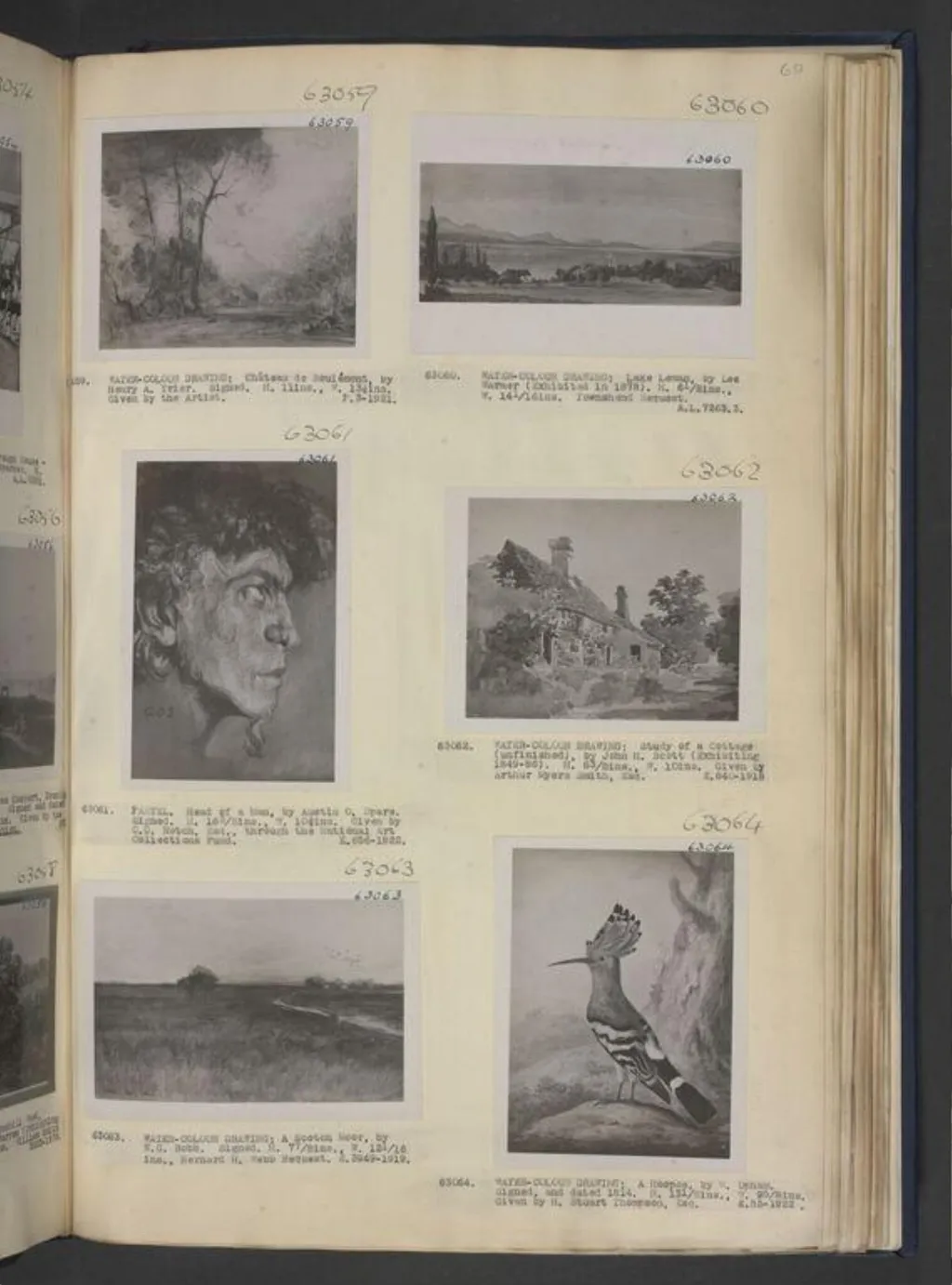
Untitled is a watercolor work on paper by the British Romanticist artist Upham, M.. It dates from 1814 and is held in the collection of the Victoria and Albert Museum. Created in 1814, this watercolor by M.
About this work
Overview
Soft washes of pigment suggest atmosphere without distraction, directing attention to the creature’s presence and texture.
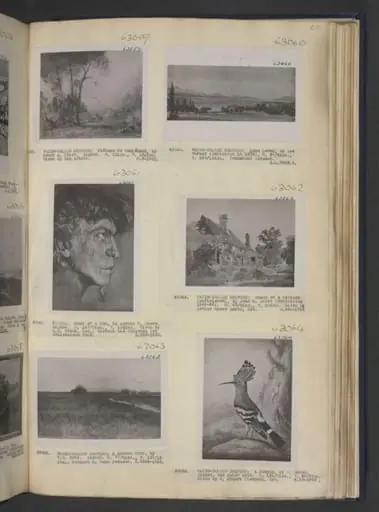
Created in 1814, this watercolor by M. Upham presents a solitary hoopoe resting on a rugged stone ledge. The composition is intimate, emphasizing the bird’s form against a minimal backdrop. Soft washes of pigment suggest atmosphere without distraction, directing attention to the creature’s presence and texture. The work reflects a quiet observational approach common in early 19th-century naturalist studies.
Subject & Meaning
The hoopoe, distinguished by its crown of feathers and elongated beak, is rendered with careful attention to anatomical detail. Its placement on a weathered ledge implies a moment of pause in a natural setting. The absence of narrative or symbolic elements suggests the artist’s intent was documentation rather than allegory, aligning with contemporary interests in precise natural history illustration.
Technique & Style
Upham employed delicate watercolor washes to capture the layered texture of the bird’s plumage, using fine lines to define wing contours and head feathers. The rocky ledge is rendered with rougher, uneven strokes, creating a tactile contrast to the bird’s smooth surfaces. The background fades into misty tones of sky and distant cliffs, reinforcing the bird as the sole focal point through atmospheric recession.
History & Provenance
The work is attributed to M. Upham, an artist active in the early 1800s whose output centered on natural subjects. It entered the collection of the Victoria and Albert Museum, where it remains part of a broader archive of British watercolors documenting flora and fauna. Little is known of the artist’s life, but this piece reflects the period’s growing emphasis on empirical observation in art.
Context
In the early 19th century, watercolor was increasingly used for scientific illustration alongside fine art. Naturalists and amateur artists alike produced detailed studies of birds and animals, often as field notes or private collections. Upham’s work fits within this tradition, where accuracy and subtlety of medium took precedence over dramatic composition or ornamentation.
Legacy
Though not widely exhibited or reproduced, this watercolor contributes to a quiet but significant body of work that bridged art and natural science. Its preservation in a major museum underscores its value as a record of observational practice. It stands as an example of how modest, unadorned studies helped shape public understanding of wildlife during a time of expanding natural history inquiry.
Artist & collection
Artist
Watercolor painter active in the early 1800s, M. Upham left behind delicate sheets that read like private snapshots from a walking tour. Their only signed sheet here is Untitled, dated 1814 and painted in watercolour,…

 A Scotch Moor
 Grey Day, Rottingdean
 Classical composition
 Morning after the first snowstorm in late autumn, Savoy Alps, Lake of Geneva
 The Elm Walk. A Wooded Park
 Cows in a landscape
 Jamestown, St. Helena
 Landscape : Evening
 Ben Nevis from above Navin
 The choir, Ely Cathedral
 Landscape
 The Deanery, Westminster