Artwork
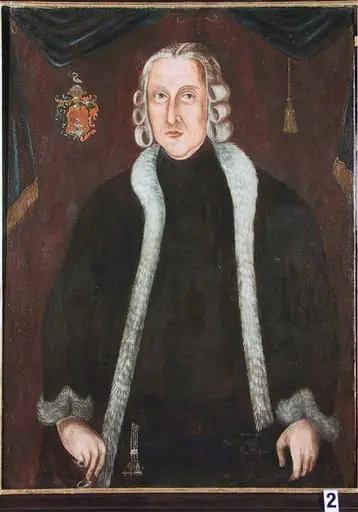
Judecătorul regal Petrus Stephanus Adolph von Klausenburger (în registrul inventar: Judecătorul regal Petrus Stephanus Adolph Klausenburger). Pandant: Susanna von Klausenburger născută Adami
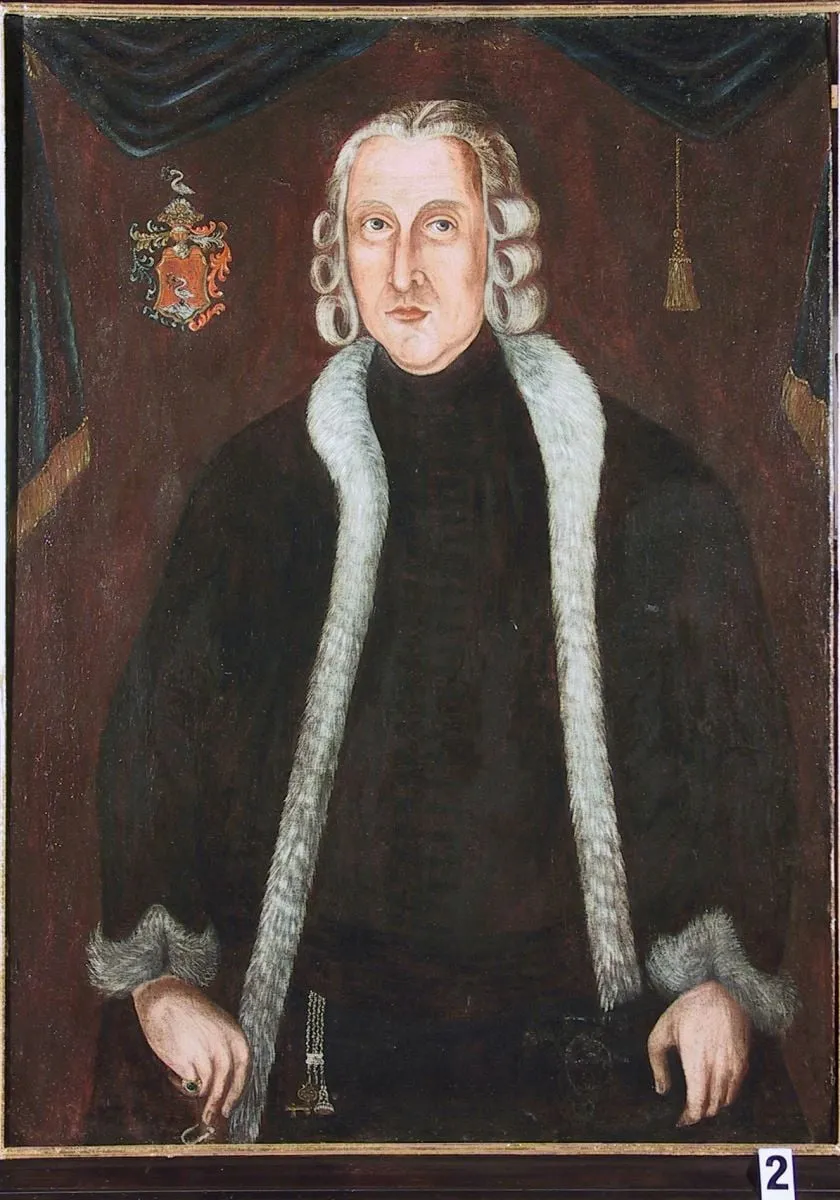
Judecătorul regal Petrus Stephanus Adolph von Klausenburger (în registrul inventar: Judecătorul regal Petrus Stephanus Adolph Klausenburger). Pandant: Susanna von Klausenburger născută Adami is a print by the Baroque artist Stephan Adolph Valepagi. It dates from 1759 and is held in the collection of the Brukenthal National Museum.
About this work
Overview
Each figure is rendered with formal precision, emphasizing their social standing through attire, posture, and symbolic elements.
Painted in 1759 by Stephan Adolph Valepagi, this portrait depicts Petrus Stephanus Adolph von Klausenburger, a royal judge, alongside his wife Susanna, born Adami. The pair are presented as a matched set, typical of aristocratic portraiture of the period. Each figure is rendered with formal precision, emphasizing their social standing through attire, posture, and symbolic elements. The work serves as a visual record of familial lineage and official status within the Habsburg administrative elite.
Subject & Meaning
Petrus von Klausenburger is portrayed in the full regalia of his judicial office: a black robe edged with white fur, signifying authority and legal rank. His expression is solemn, reinforcing the gravity of his role. Behind him, a heraldic shield and tasseled curtain suggest noble lineage and institutional legitimacy. His wife, Susanna, is presented as his counterpart, her identity tied to her birth family, the Adami, underscoring the union of two established lineages through marriage.
Technique & Style
Valepagi employs a restrained, academic style characteristic of mid-18th-century Central European portraiture. The brushwork is precise, particularly in the rendering of fabric textures and facial features. The dark red curtain creates depth and frames the figures, while the subdued palette focuses attention on the subjects’ attire and expressions. The coat of arms is rendered with careful detail, indicating its importance as a marker of heritage rather than mere decoration.
History & Provenance
The painting was commissioned in 1759, likely for private display within the Klausenburger family residence. It remained within the family’s possession for generations before entering institutional collections. Its inclusion in official inventories confirms its recognized status as a document of noble identity. No major alterations or restorations are recorded, preserving its original composition and intent.
Context
In the Habsburg territories of the 1750s, judicial officials like von Klausenburger held positions of considerable influence, often drawn from the lesser nobility. Portraits of such figures were not merely personal mementos but public assertions of legitimacy and continuity. The pairing of husband and wife in a single commission reflects the era’s emphasis on dynastic unity and the intertwining of legal authority with aristocratic lineage.
Legacy
The portrait remains a valuable artifact of 18th-century administrative culture in Transylvania and the broader Habsburg realm. It illustrates how visual representation was used to encode social hierarchy and familial prestige. While not widely known outside regional archives, it contributes to the understanding of how local elites negotiated identity, power, and tradition through commissioned art.
Artist & collection
Artist
This guy painted people who weren’t the usual kings or saints. He focused on folks like judges and their wives, signing his work with a mouthful of Latin that barely fits on the canvas. One print shows Susanna von…

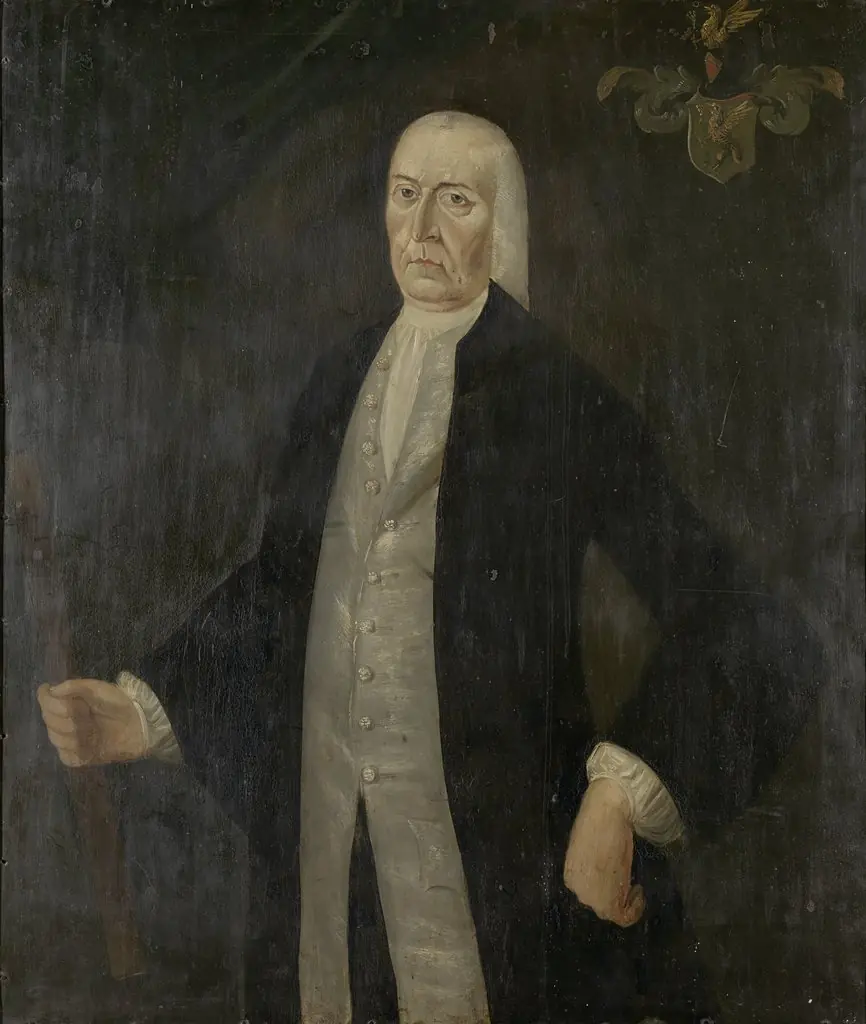 Portrait of gouverneur-generaal Jeremias van Riemsdijk
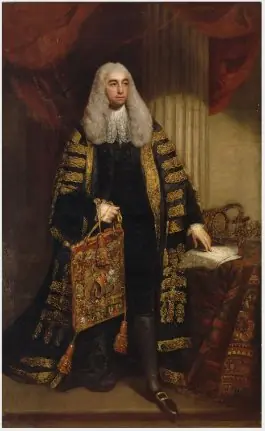 Portrait of John Fitzgibbon, Earl of Clare (1749-1802)
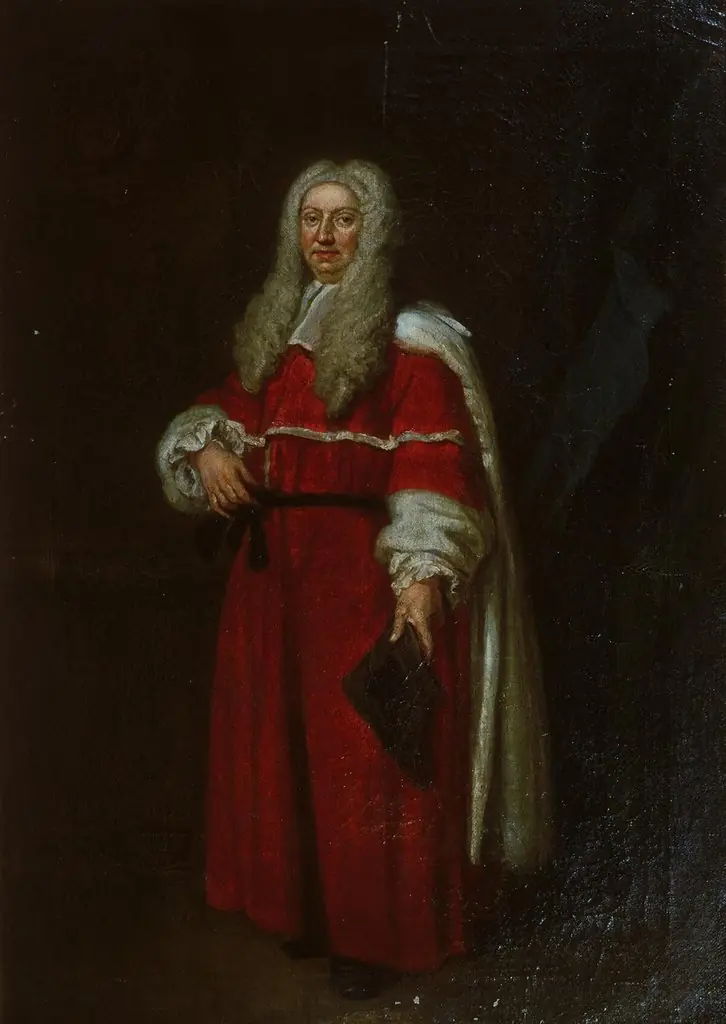 Baron Pryse
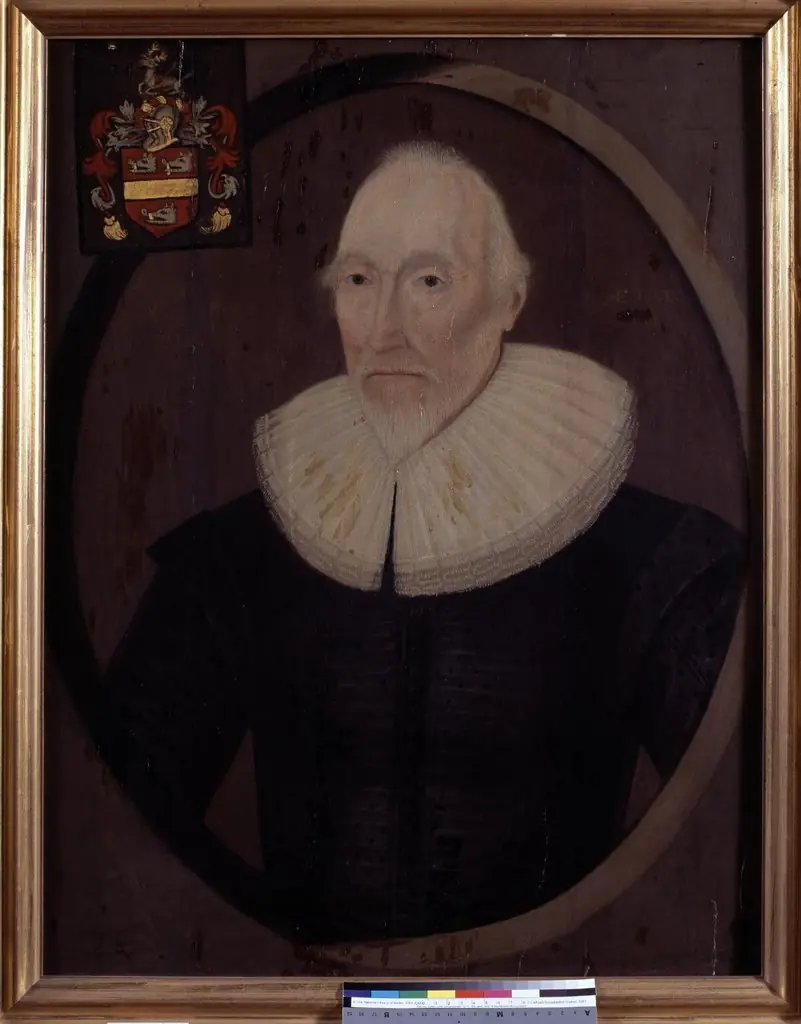 John Thelwall
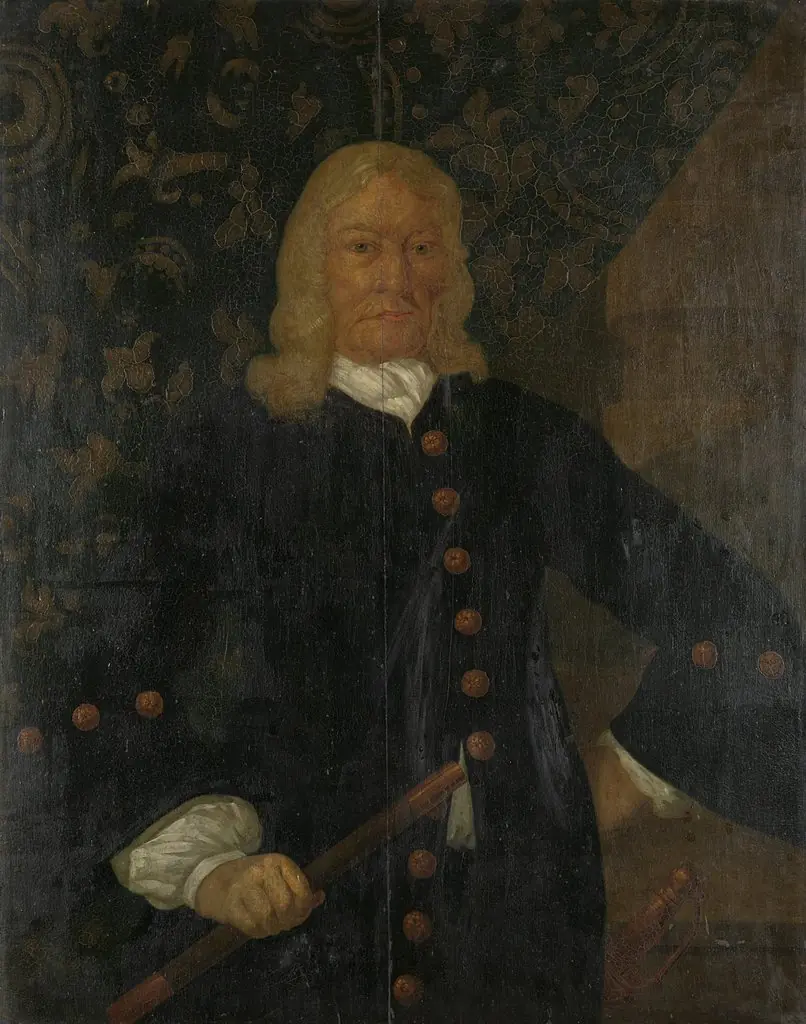 Portrait of Willem van Outhoorn, Governor-General of the Dutch East Indies
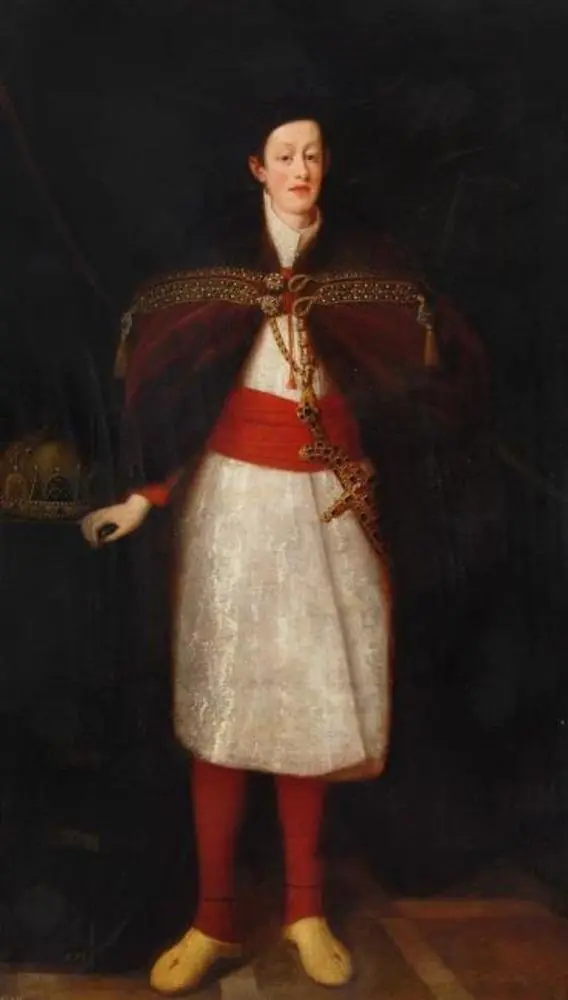 Portrait of Ferdinand III, King of Hungary
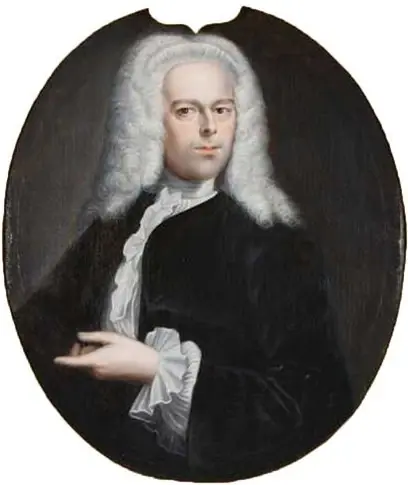 Engelbert van Berckel (1686-1768), gekozen in 1715
 Councillor Richard Lloyd (died 1757)
 Sir Thomas Parker (1666–1732)
 The Rt Hon. Charles Wolfran Cornewall
 Thomas Thelwall
 Judecătorul Petrus Klausenburger