Artwork
Councillor Richard Lloyd (died 1757)
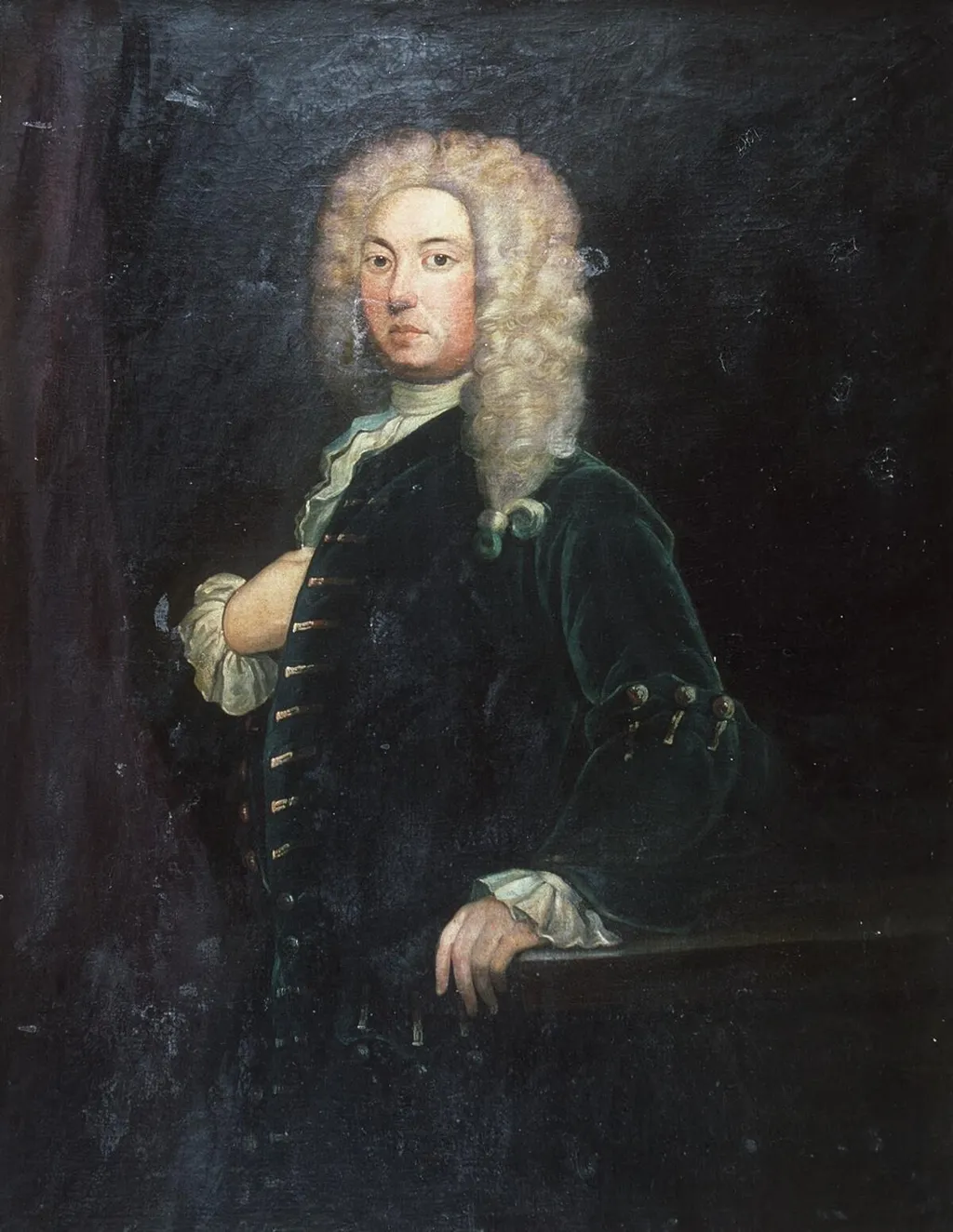
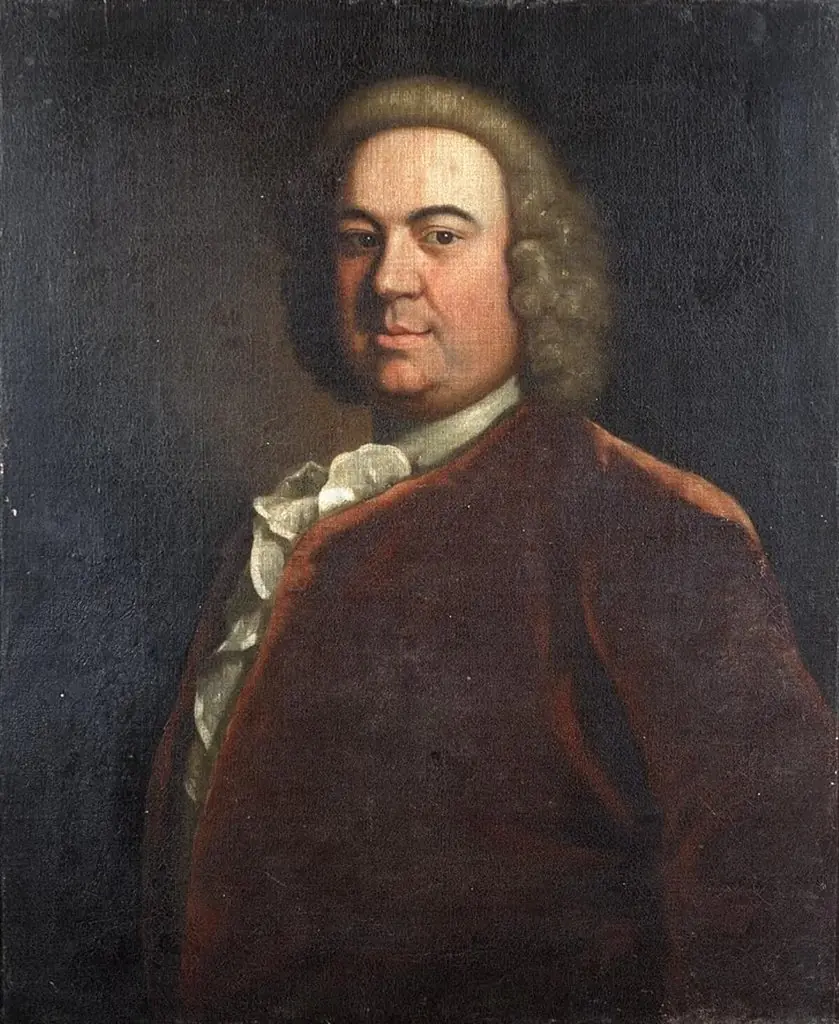
Councillor Richard Lloyd (died 1757) is an oil painting by the Rococo painting artist Unknown. It dates from 1740 and is held in the collection of the National Library of Wales. This oil painting depicts Richard Lloyd, a Welsh councillor who died in 1757.
About this work
He stands with his left hand resting on a table, wearing a white shirt with ruffles at the cuffs and a high collar.
This portrait painting shows a man with a large, curly wig and a dark green velvet coat. He stands with his left hand resting on a table, wearing a white shirt with ruffles at the cuffs and a high collar. The background is dark, with the man's face and clothing illuminated. The man's clothing and hairstyle suggest that he is a wealthy or important person from the 18th century. The painting's style and technique are typical of portraits from this time period.
Overview
This oil painting depicts Richard Lloyd, a Welsh councillor who died in 1757. Rendered in the conventions of early Georgian portraiture, it presents him in formal attire against a dark, unobtrusive background. The composition emphasizes his status through careful attention to fabric texture and posture, typical of elite portraiture in mid-18th-century Britain.
Subject & Meaning
Lloyd is portrayed as a man of civic standing, his pose calm and composed. The elaborate wig and rich velvet coat signal wealth and social rank, while the hand resting on a table suggests authority and composure. The absence of symbolic objects focuses attention on his presence, reinforcing his identity as a respected public figure rather than a nobleman.
Technique & Style
The artist employs chiaroscuro to model the face and garments, drawing light across the ruffled shirt and velvet coat to highlight material quality. Brushwork is precise but not overly detailed, favoring a naturalistic rendering of texture over idealization. The dark background isolates the figure, a common practice in British portraiture of the period to enhance visual focus.
History & Provenance
Commissioned during Lloyd’s lifetime, the portrait likely served to affirm his public role in Welsh civic life. It remained in family possession until entering institutional collection, though specific early ownership records are sparse. Its survival reflects the value placed on documenting local elites in the decades before the rise of photographic portraiture.
Context
In mid-18th-century Britain, portraiture was a key medium for asserting social identity among the professional and mercantile classes. Unlike aristocratic portraits, those of figures like Lloyd avoided mythological or allegorical elements, instead relying on dress, posture, and setting to convey status within a growing urban elite culture.
Legacy
The portrait endures as a representative example of provincial British portraiture, illustrating how local officials used visual culture to project dignity and permanence. It contributes to the historical record of Welsh civic life during a period of expanding administrative structures and rising middle-class visibility in public roles.
Artist & collection

 Domestic Scene
 Giacomo and Cardinal Marco, investing Andrea, Abbot of San Zeno, with his Benefice
 The Nymph of Fontainebleau
 Portrait of a Woman
 Madonna and Child with Saints in the Enclosed Garden
 Venus and Minerva
 Family Group of Four on Sofa
 Wall painting from Room H of the Villa of P. Fannius Synistor at Boscoreale
 Self-Portrait
 Tench Francis
 Portretul unui literat
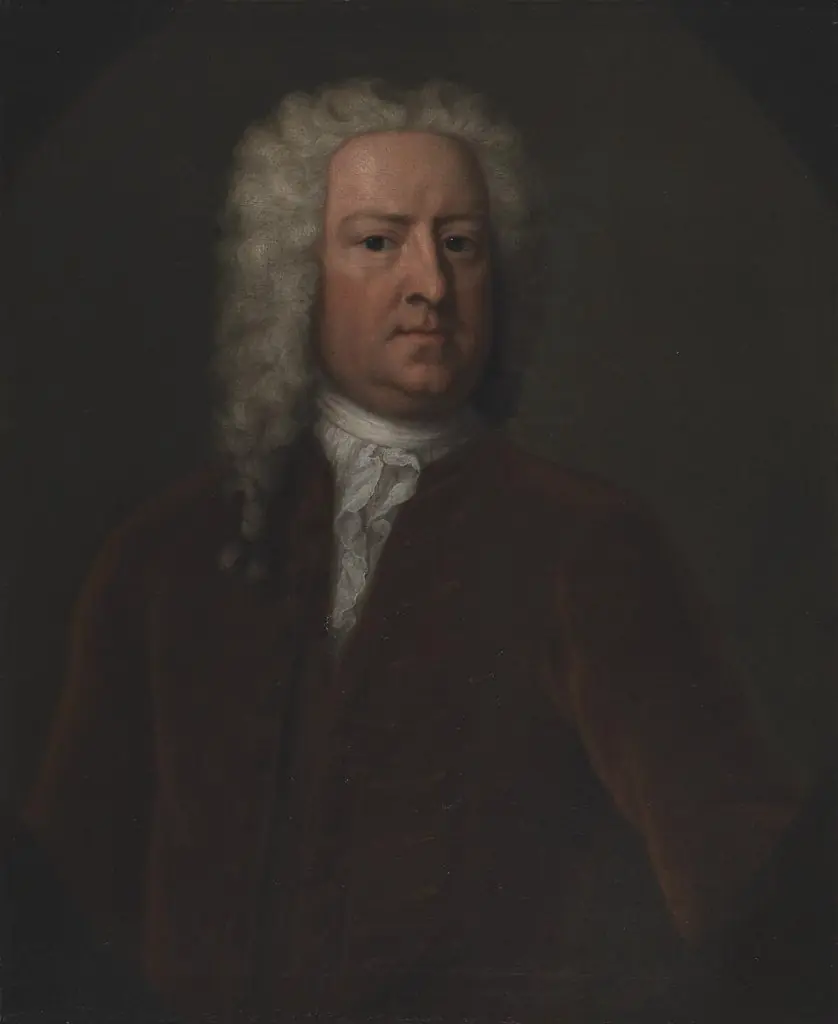 Sir Watkin Williams-Wynn (1692 -1749)
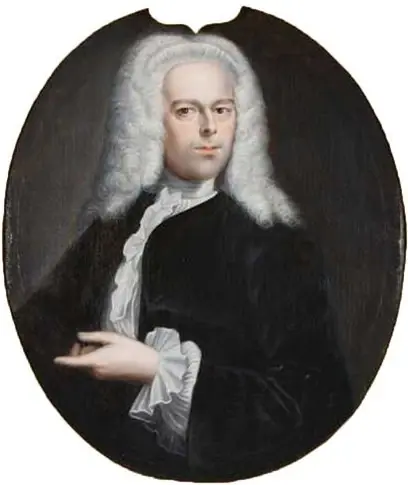 Engelbert van Berckel (1686-1768), gekozen in 1715
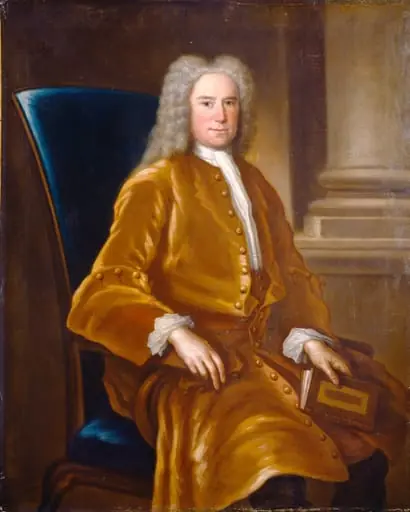 Portrait of a Gentleman
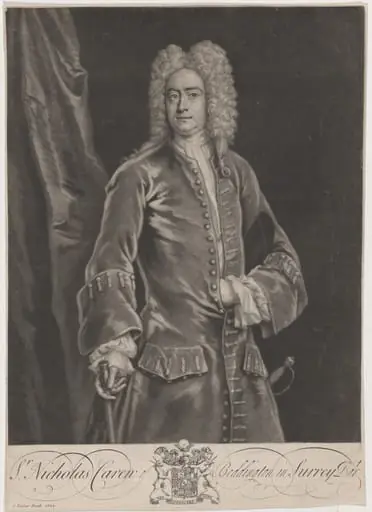 Sir Nicholas Caren of Beddington
 Jacob Franks
 Portrait of Diederik van Durven (1676-1740)
 Portrait of a Gentleman
 William Murray, 1st Earl of Mansfield
 Morgan Lloyd Esq