Artwork
A Muse
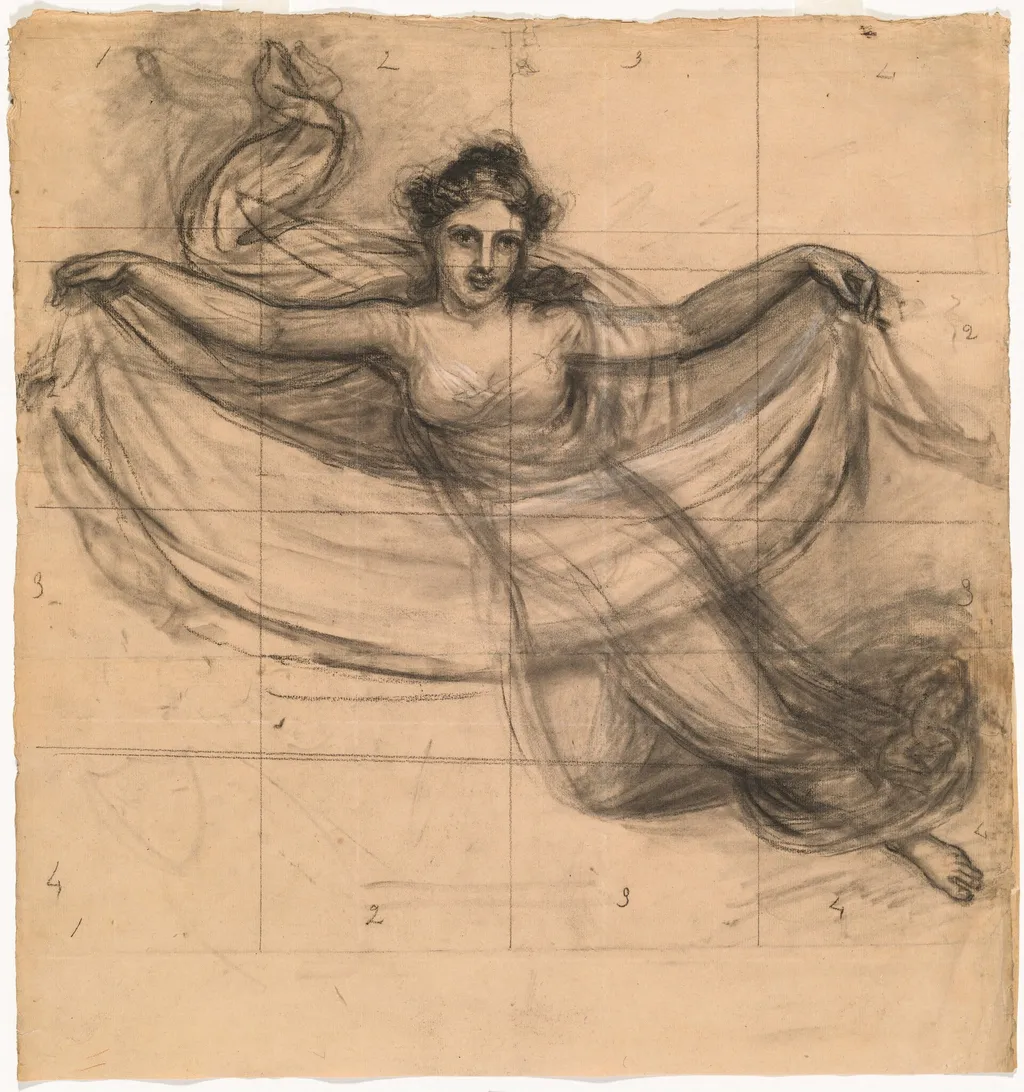
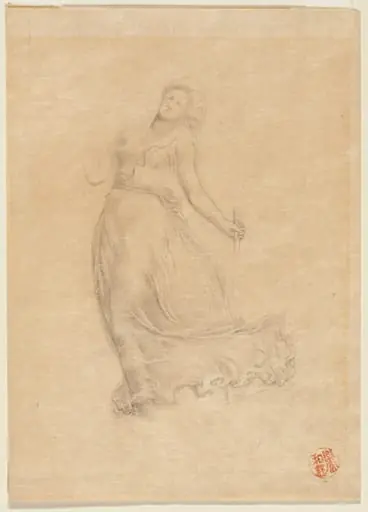
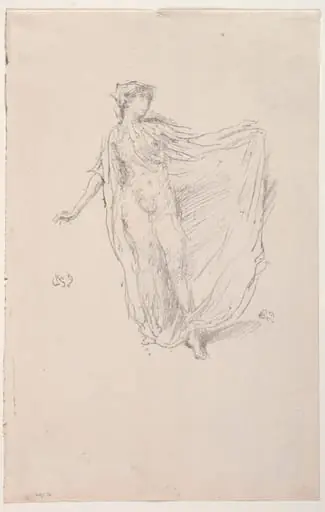
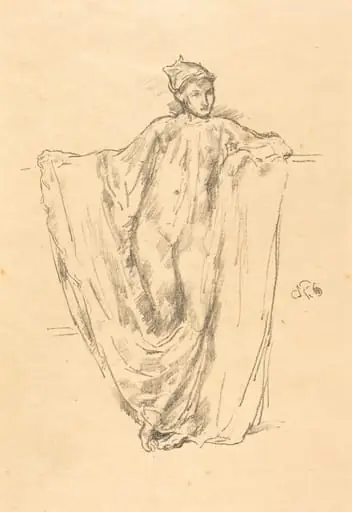
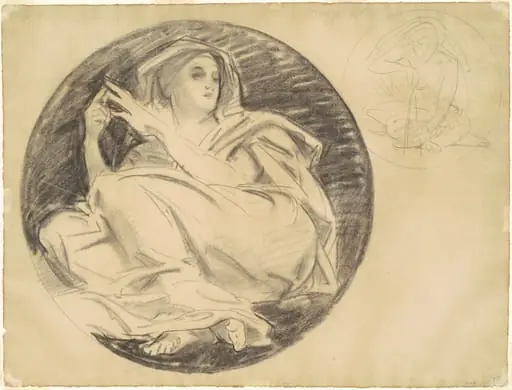
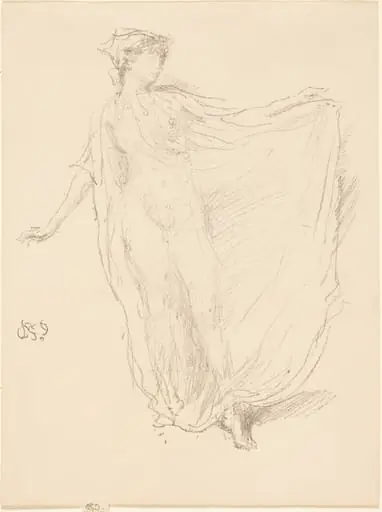
A Muse is a charcoal drawing by the Romanticist artist John Vanderlyn. It dates from 1816 and is held in the collection of the National Gallery of Art.
About this work
Overview
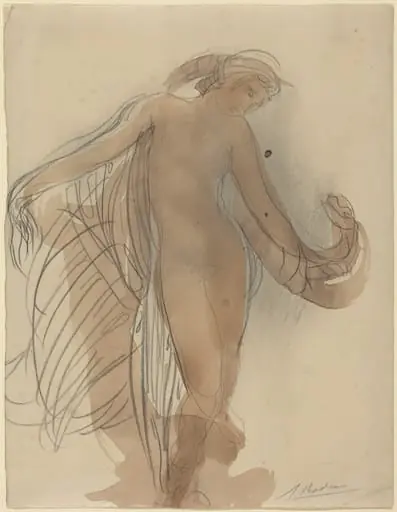
John Vanderlyn’s 1816 drawing titled *A Muse* is executed in charcoal and white chalk on a pinkish‑tan sheet of paper that has been pre‑marked with a grid for transfer purposes. The work is a study rather than a finished composition, intended to capture the fleeting pose of a reclining female figure.
Subject & Meaning
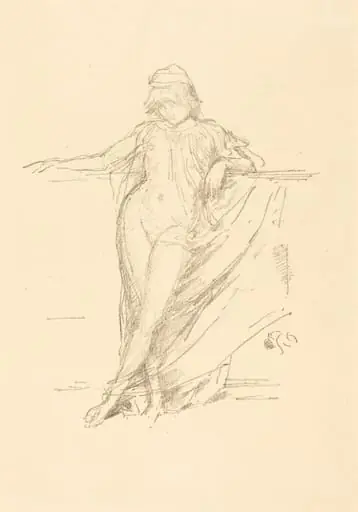
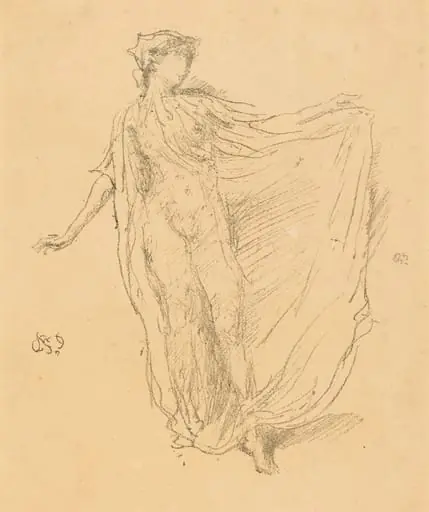
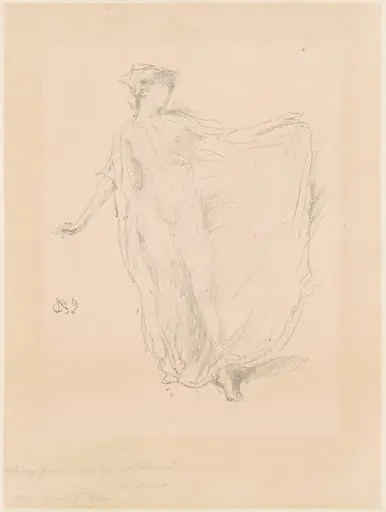
The sketch depicts a woman lying on her side, her form loosely draped in a flowing garment. Her hair is gathered atop her head, and one arm extends backward, suggesting a relaxed yet poised stance. The pose conveys a sense of quiet contemplation, typical of the muse motif in early‑19th‑century academic drawing.
Technique & Style
Vanderlyn employs rapid, gestural strokes, allowing charcoal to define the darker mass of the figure while white chalk highlights the illuminated areas. The cloth is rendered with sweeping, airy lines that evoke movement, and the contrast between the charcoal shadows and chalk highlights creates a subtle modeling effect despite the work’s sketchy nature.
History & Provenance
Created in 1816, the drawing reflects Vanderlyn’s practice of producing preparatory studies for larger compositions. The presence of a transfer grid indicates the artist’s intention to reproduce the image on a different medium, a common method for artists preparing paintings or prints during this period.
Context
During the early nineteenth century, American artists like Vanderlyn often looked to classical themes and the idealized female form for inspiration. This study aligns with the academic tradition of using live models to explore anatomy, drapery, and light before committing to a final work.
Artist & collection