Artwork
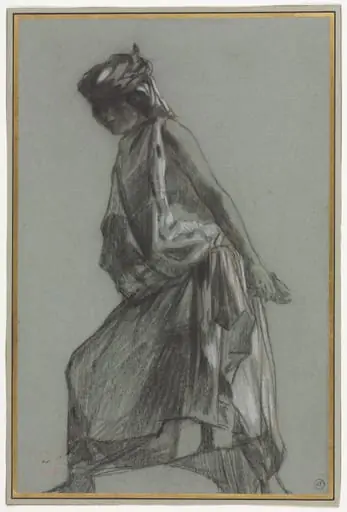
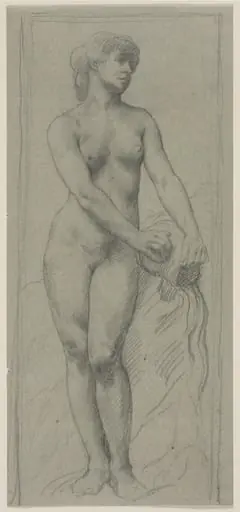
Study for "Greek Girls Bathing" [recto]
![Study for "Greek Girls Bathing" [recto], by Elihu Vedder, graphite, 1872](https://artifactworldgallery.com/img/elihu-vedder--study-for-greek-girls-bathing-recto--19bafb603a99e598-w1024.webp)
Study for "Greek Girls Bathing" [recto] is a graphite drawing by the Impressionist artist Elihu Vedder. It dates from 1872 and is held in the collection of the National Gallery of Art.
About this work
This is a study for a painting called "Greek Girls Bathing".
The artist made this study in 1872, and it's an example of how artists prepare for larger works. This study is done in crayon and graphite on paper, which was a common way to sketch out ideas.
You can learn more about this style by looking into the movement Impressionism.
Overview
Elihu Vedder’s drawing titled *Study for “Greek Girls Bathing”* (recto) is a preparatory work executed in crayon and graphite on wove paper around 1872. The piece functions as a preliminary study for a larger composition that would later depict nude figures in a classical setting, illustrating Vedder’s method of working out form and composition before committing to a finished painting.
Subject & Meaning
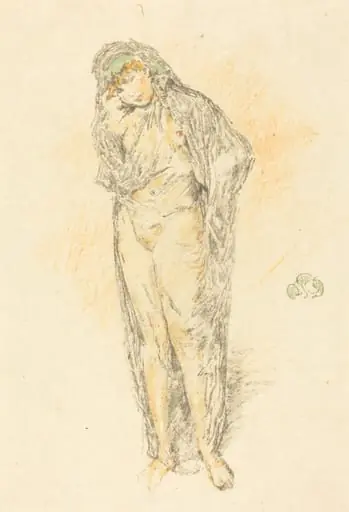
The drawing presents a nude figure rendered in a relaxed pose, intended to serve as a model for the imagined scene of Greek girls bathing. By focusing on the anatomy and drapery of the body, Vedder explores the timeless classical theme of youthful beauty and the idealized human form, a recurrent motif in his symbolist oeuvre.
Technique & Style
Vedder employed a combination of crayon and graphite, allowing for both soft tonal shading and precise line work.
Vedder employed a combination of crayon and graphite, allowing for both soft tonal shading and precise line work. The wove paper surface provides a smooth ground that captures the subtle gradations of light across the figure. The study reflects the artist’s interest in the academic tradition of life drawing while hinting at the looser, atmospheric qualities later associated with Impressionist sketching.
History & Provenance
Created in the early 1870s, the study predates Vedder’s most celebrated illustration work for Edward FitzGerald’s *The Rubaiyat of Omar Khayyam*. Although the final painting it anticipates is not widely documented, the drawing remains a testament to Vedder’s preparatory process. It is currently held in a private collection, having passed through several hands since its acquisition shortly after the artist’s death.
Artist & collection

Artist
Elihu Vedder (26 February 1836 – 29 January 1923) was an American symbolist painter, book illustrator and poet from New York City.

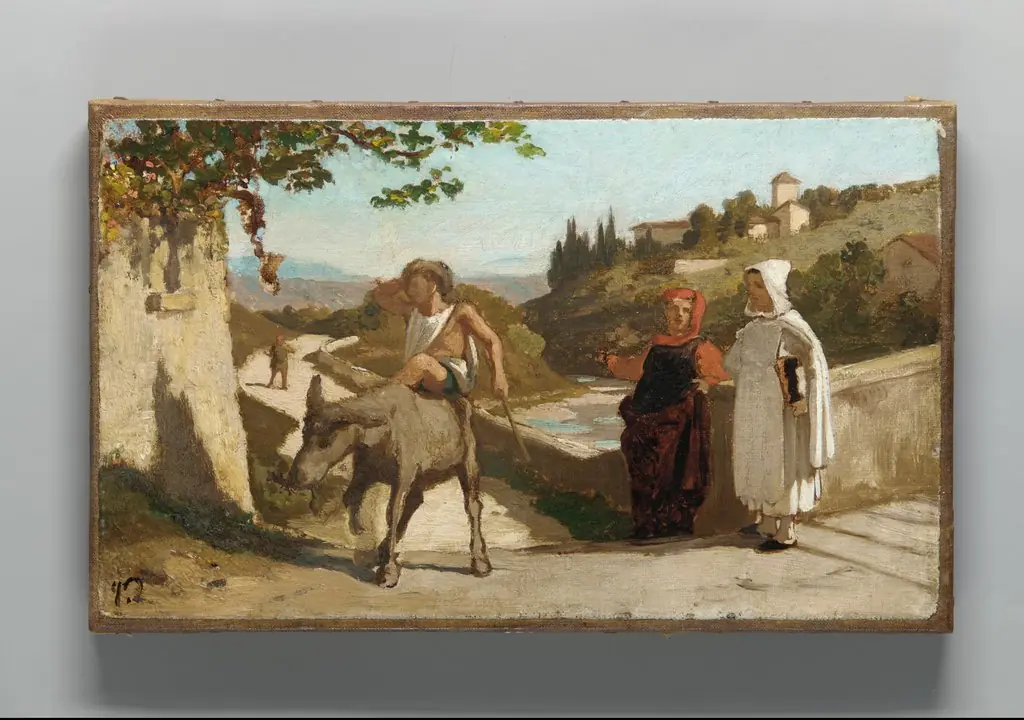 The Fable of the Miller, His Son, and the Donkey
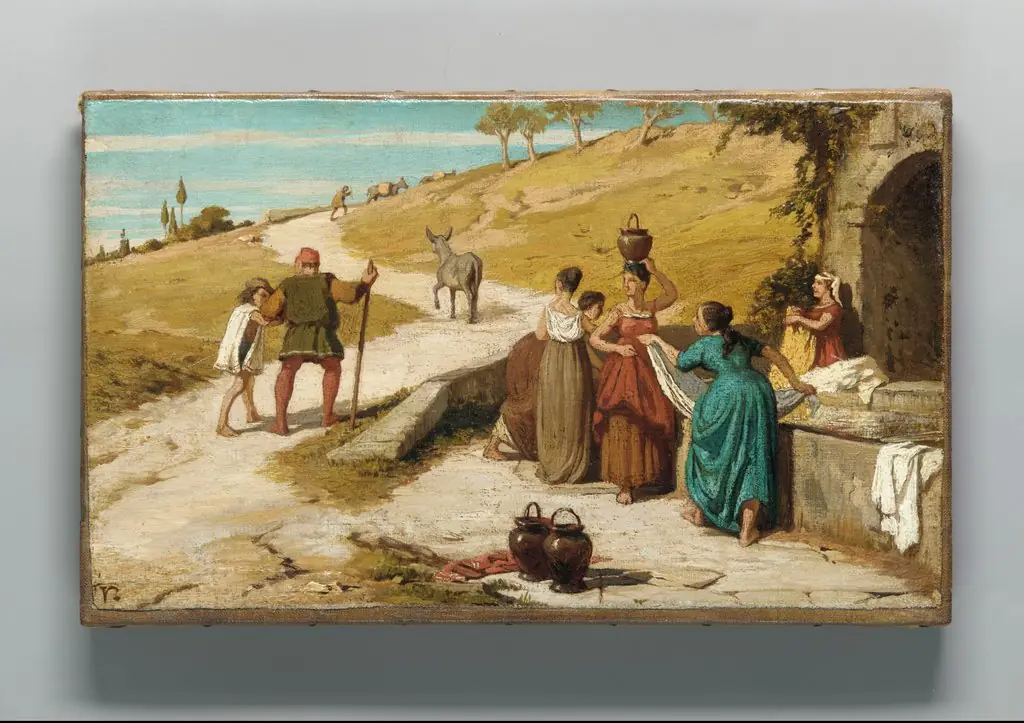 The Fable of the Miller, His Son, and the Donkey
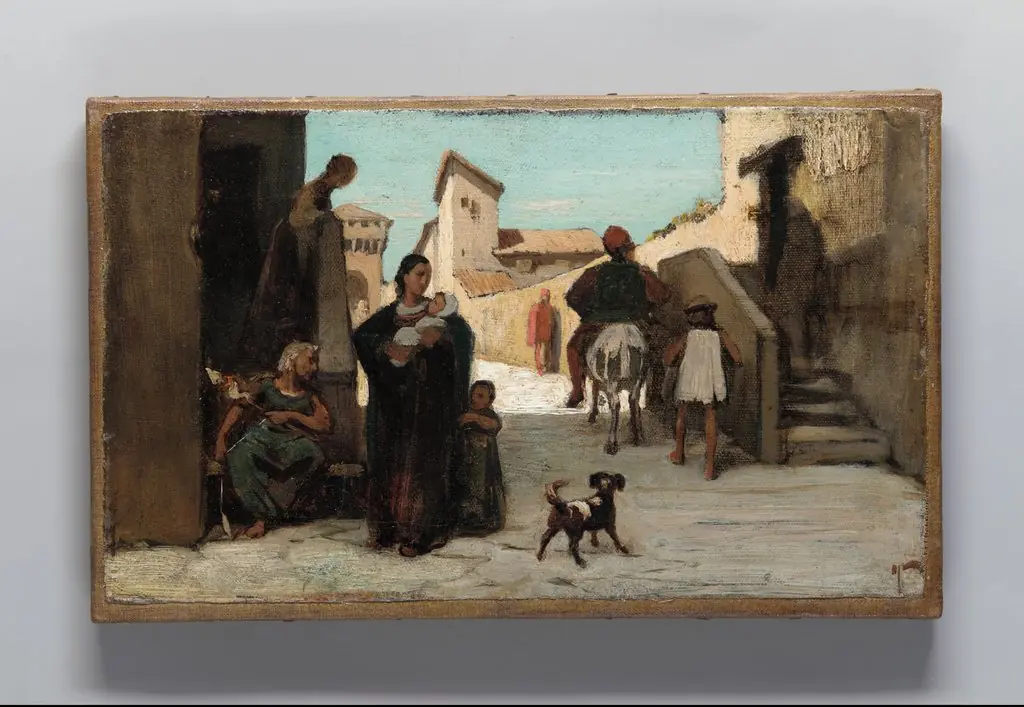 The Fable of the Miller, His Son, and the Donkey
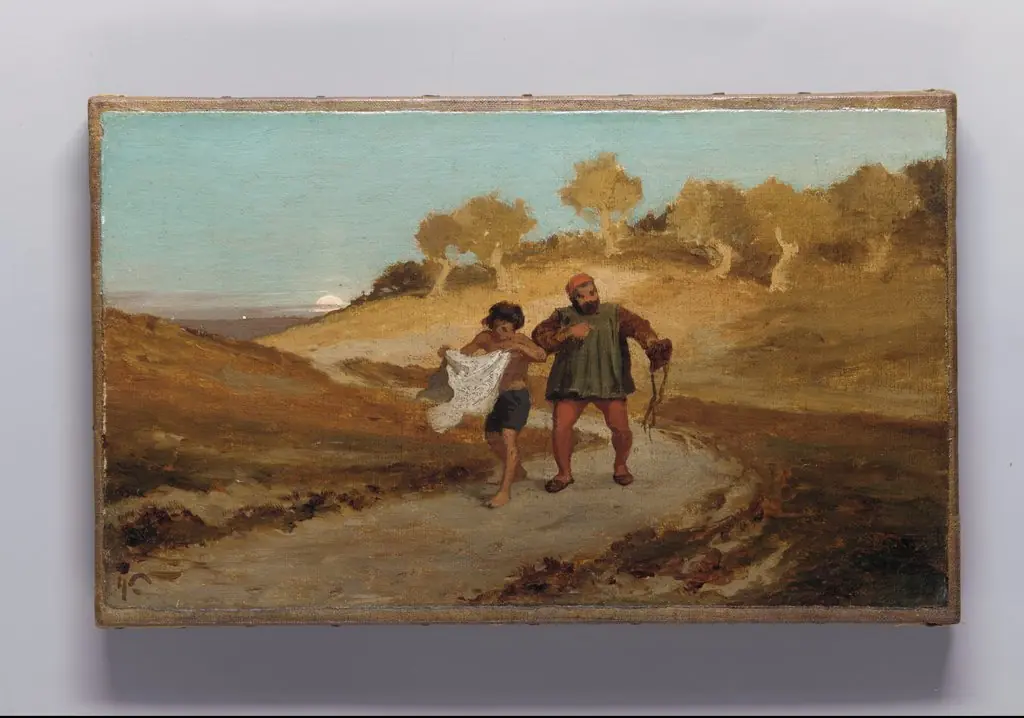 The Fable of the Miller, His Son, and the Donkey
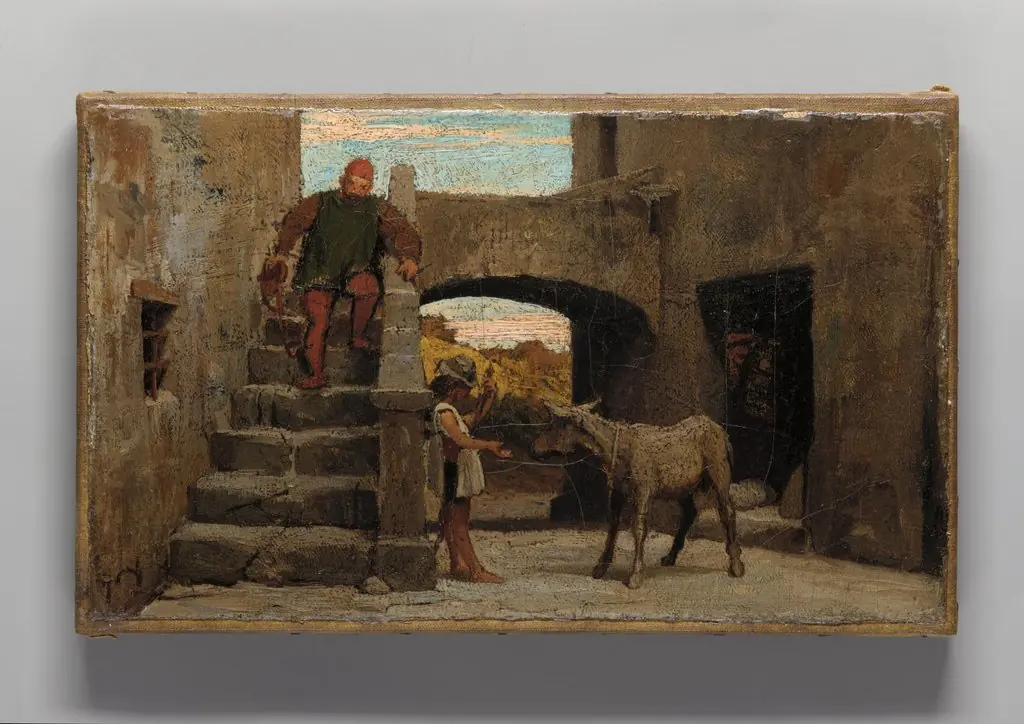 The Fable of the Miller, His Son, and the Donkey
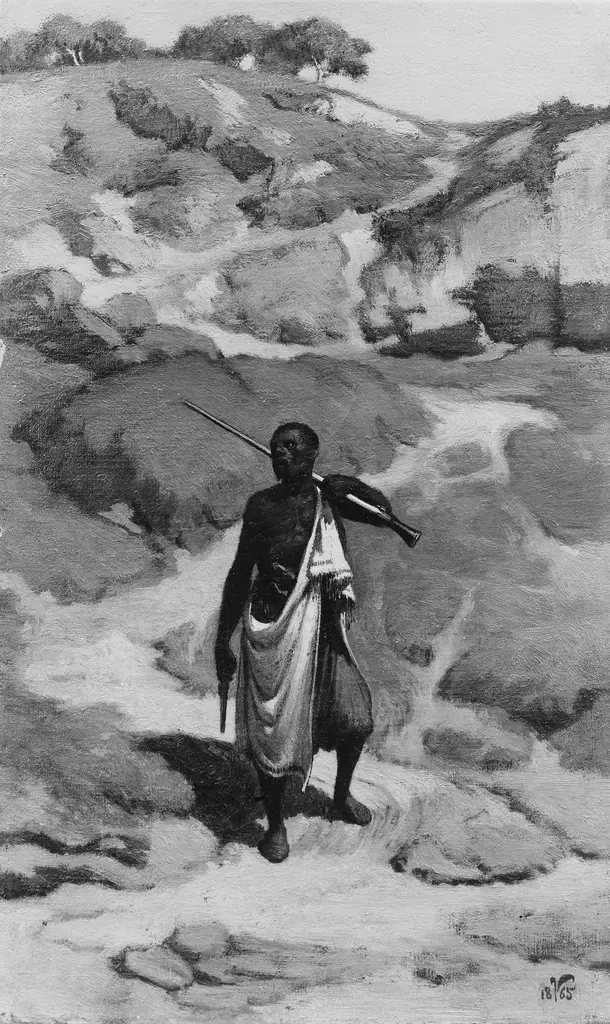 The African Sentinel
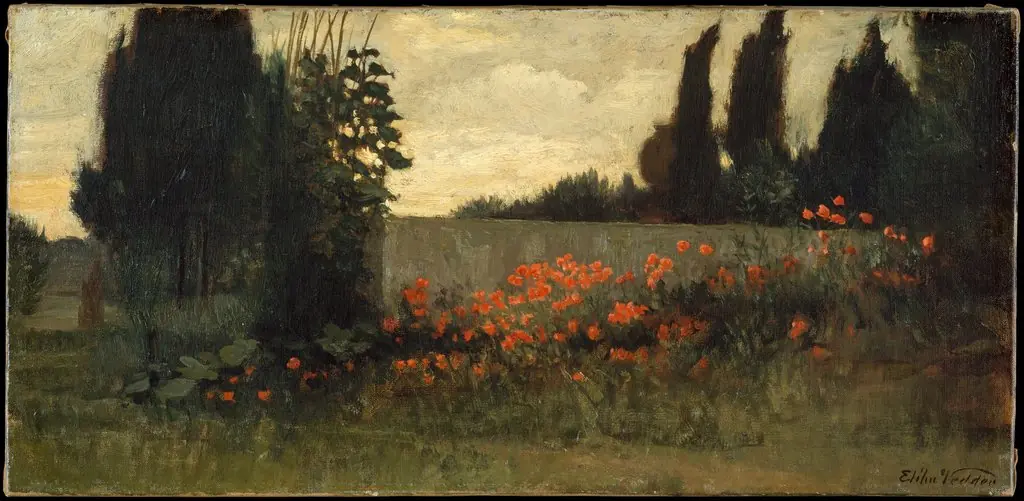 Cypress and Poppies
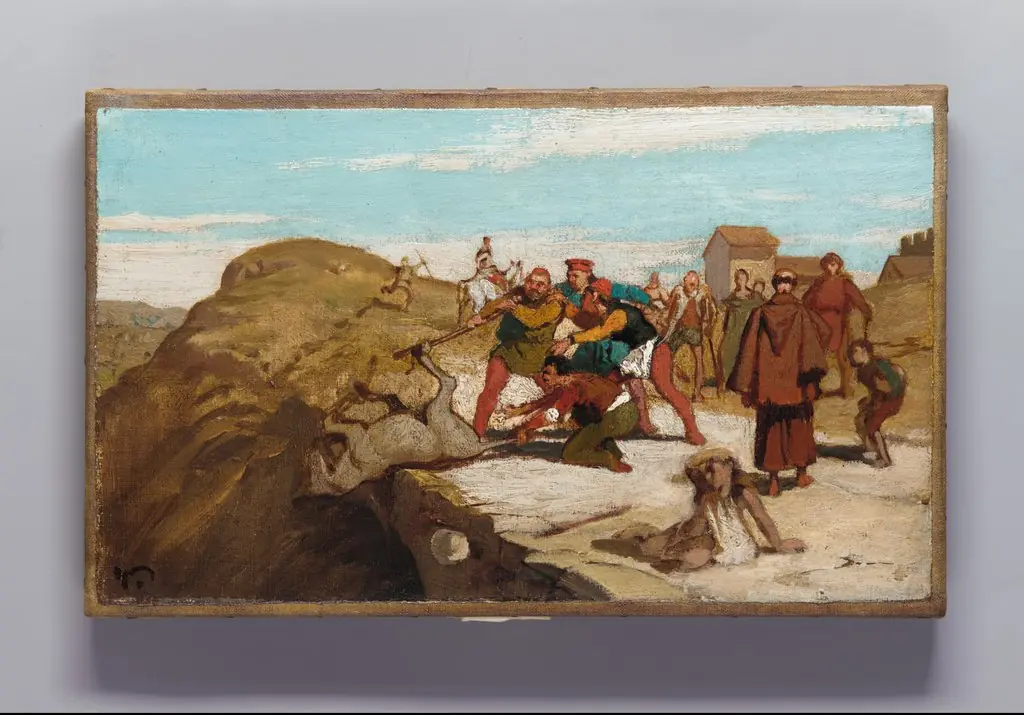 The Fable of the Miller, His Son, and the Donkey