Artwork
Study for "The Fates Gathering in the Stars"
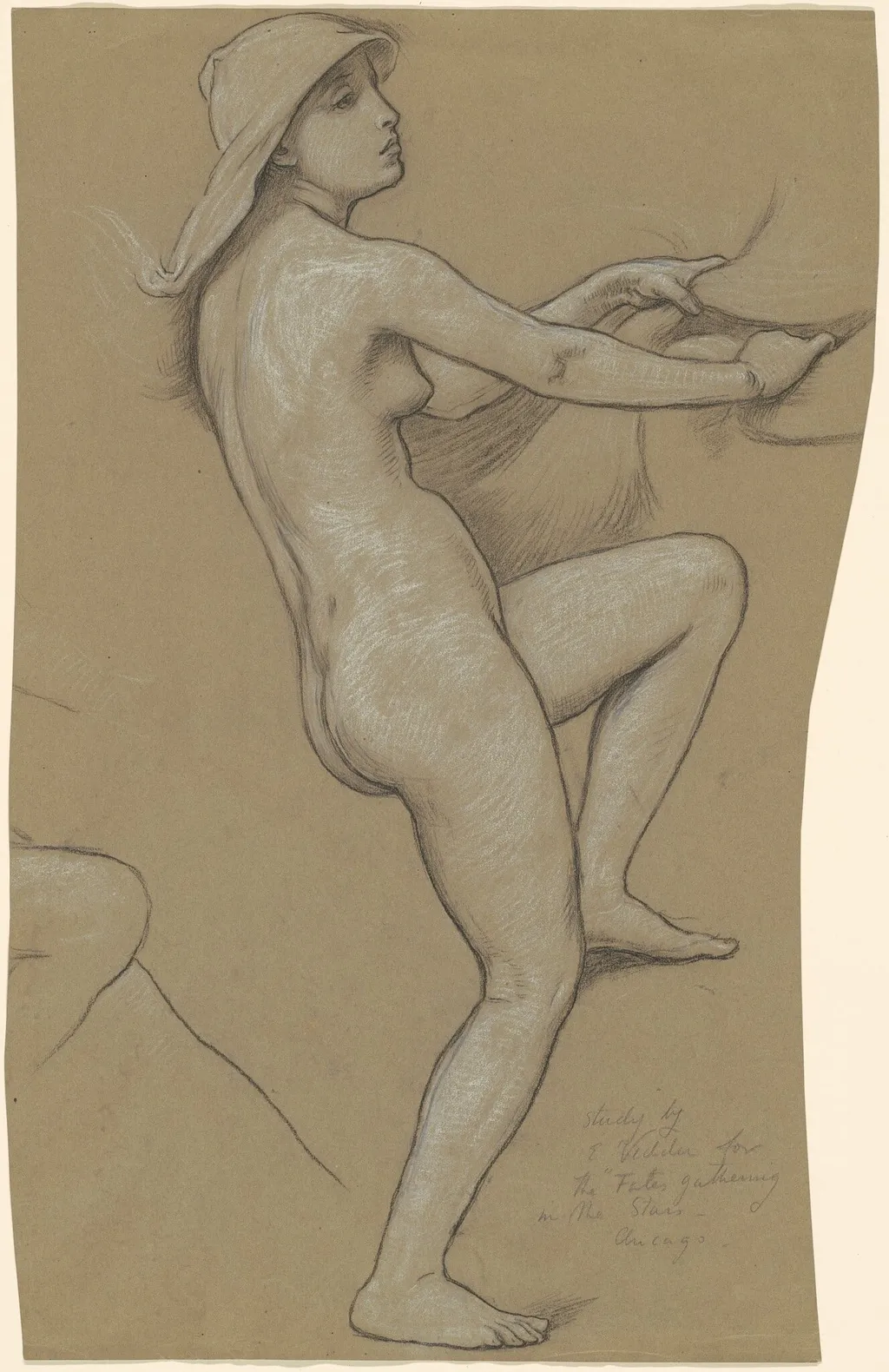
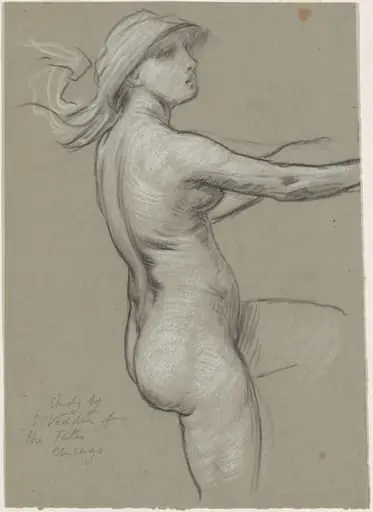
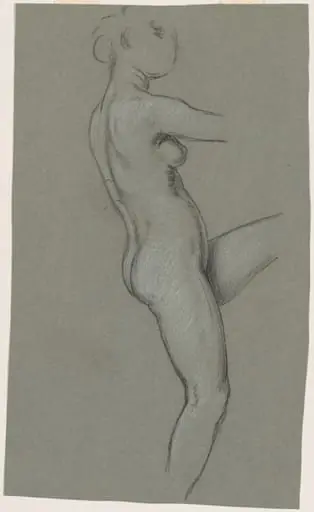
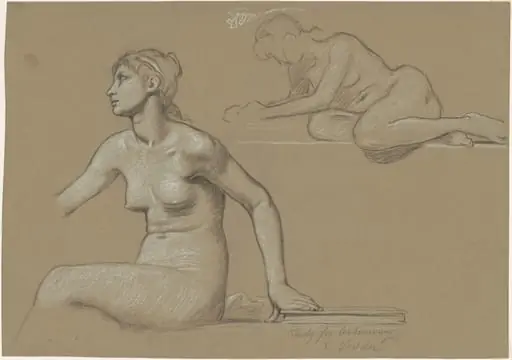
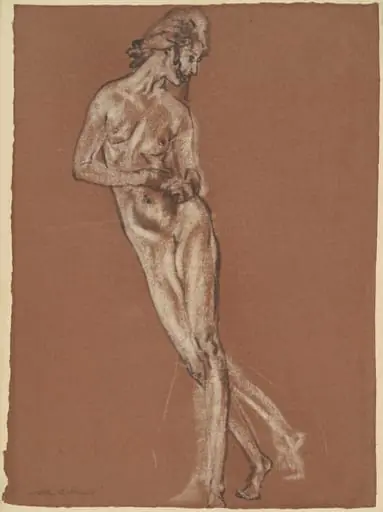
Study for "The Fates Gathering in the Stars" is a chalk drawing by the Impressionist artist Elihu Vedder. It dates from 1886 and is held in the collection of the National Gallery of Art.
About this work
This drawing is called "Study for The Fates Gathering in the Stars".
It was made by Elihu Vedder between 1884 and 1887.
The artist used black and white chalk on paper to create it, which is a common technique for studies like this one.
You can find this drawing at the National Gallery of Art, Washington.
It's related to Impressionism and Realism movements.
Check out the movement Impressionism.
Overview
Elihu Vedder’s black‑and‑white chalk drawing, titled *Study for “The Fates Gathering in the Stars,”* was executed circa 1886 on wove paper. The work functions as a preparatory sketch for a larger composition, capturing a mythic scene in a compact, monochrome format. It is presently held by the National Gallery of Art in Washington, D.C.
Subject & Meaning
The drawing depicts three ethereal figures, traditionally identified as the Fates, arranging the constellations in a night sky. By invoking the ancient motif of destiny’s control over the stars, Vedder aligns the image with Symbolist interests in allegory, suggesting a contemplative link between human fate and cosmic order.
Technique & Style
Vedder employed charcoal‑like black chalk alongside white chalk to model light and shadow on the textured surface of wove paper. The contrast of dense, gestural strokes with delicate highlights produces a luminous effect, while the overall composition reflects a blend of Symbolist imagination with the observational precision associated with Realist drawing.
History & Provenance
Created between 1884 and 1887, the study was part of Vedder’s preparatory process for a larger oil painting on the same theme. The work entered the National Gallery of Art’s collection through donation in the mid‑20th century, where it has been catalogued as an example of the artist’s preparatory practice.
Context
Vedder, an American expatriate active in the late 19th century, is best known for his illustrations of Edward FitzGerald’s *Rubaiyat of Omar Khayyam*. His oeuvre frequently explored mythological and allegorical subjects, positioning him within the Symbolist movement while also drawing on the observational rigor of Realism and the atmospheric concerns of Impressionism.
Artist & collection

Artist
Elihu Vedder (26 February 1836 – 29 January 1923) was an American symbolist painter, book illustrator and poet from New York City.

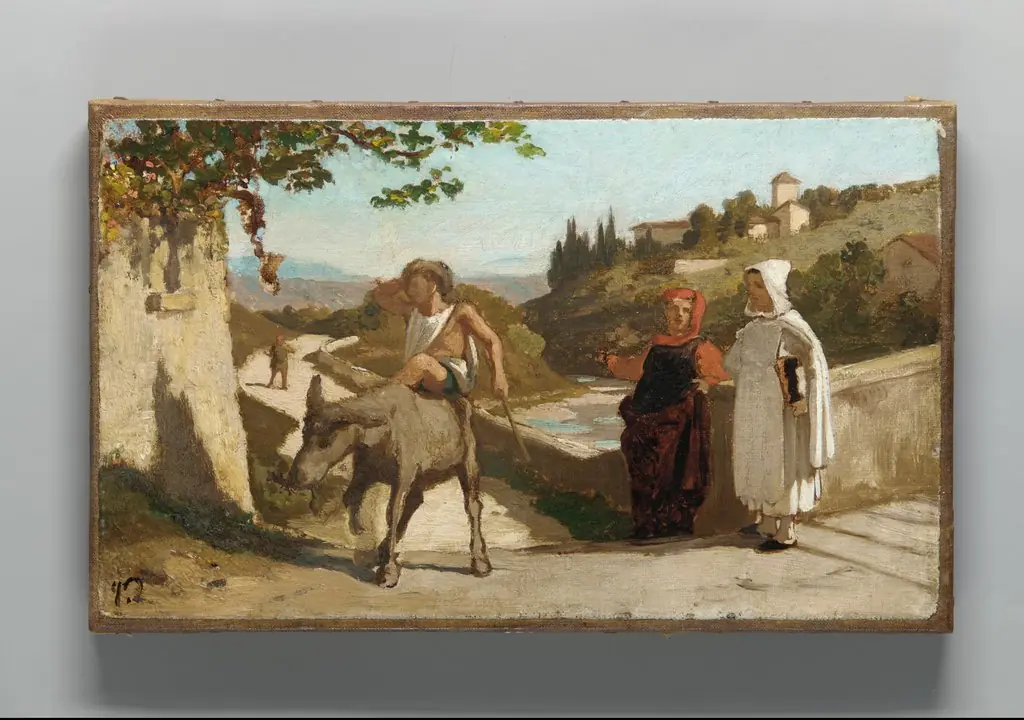 The Fable of the Miller, His Son, and the Donkey
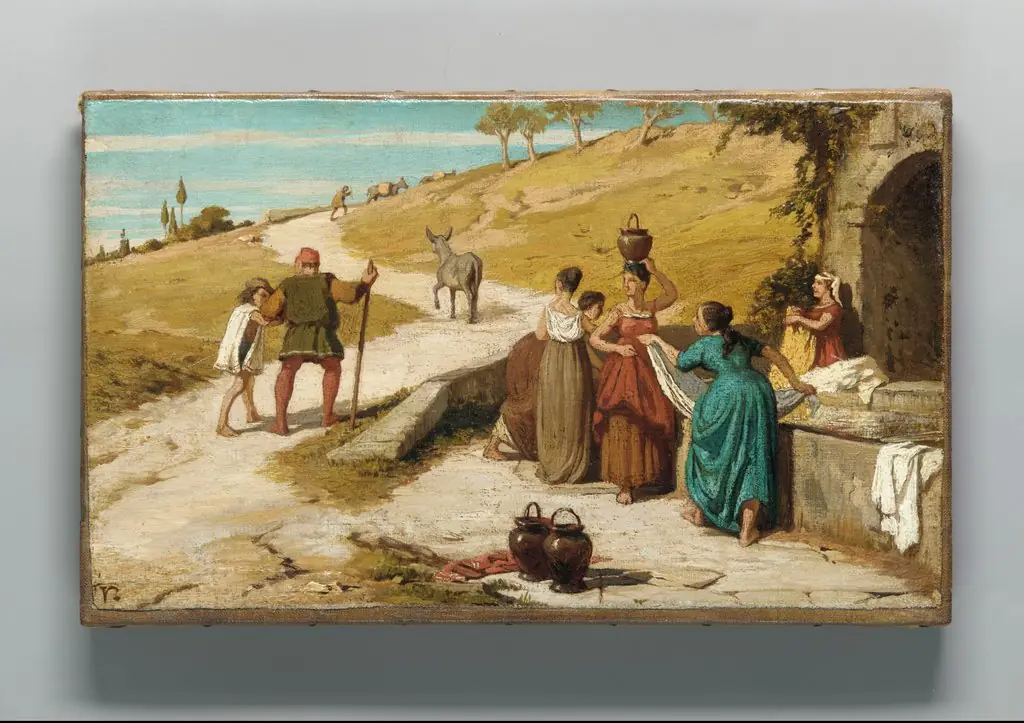 The Fable of the Miller, His Son, and the Donkey
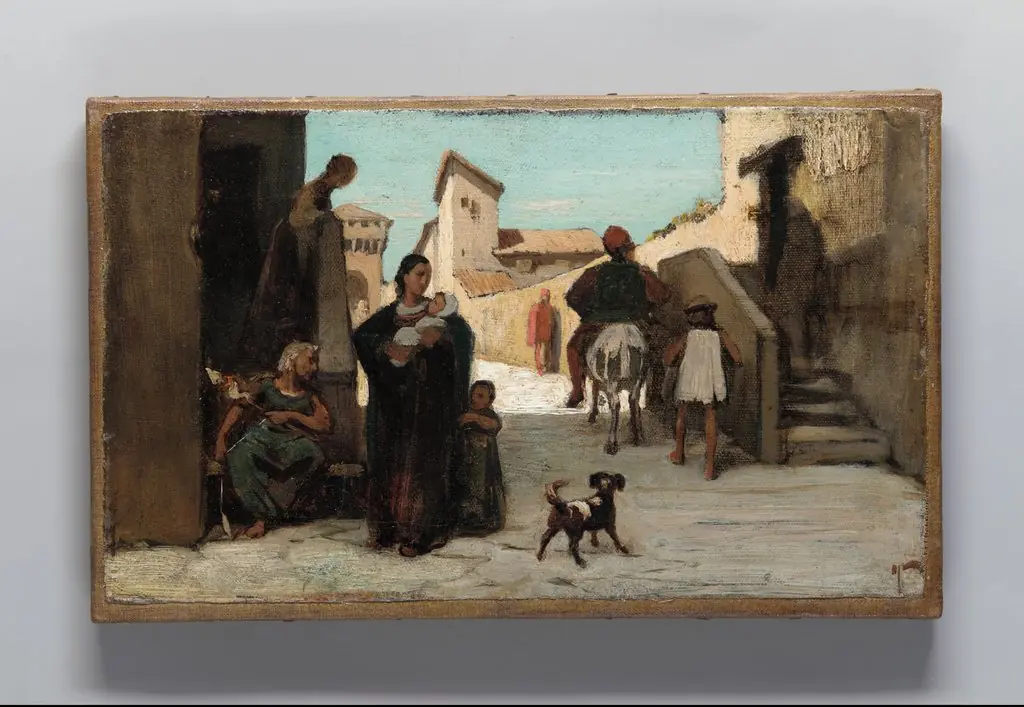 The Fable of the Miller, His Son, and the Donkey
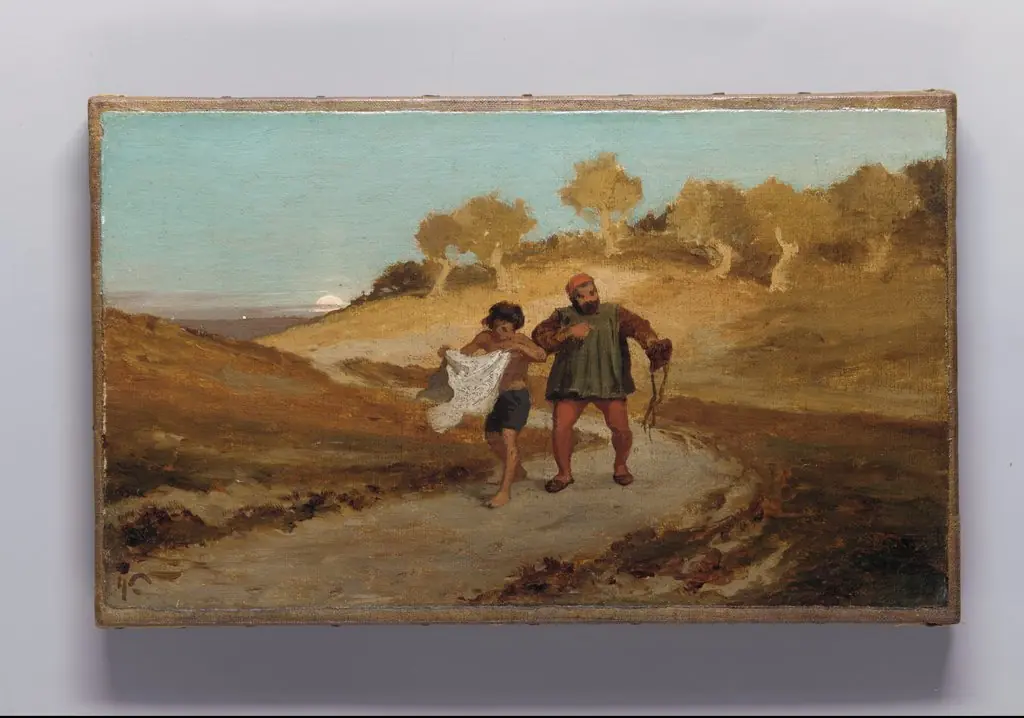 The Fable of the Miller, His Son, and the Donkey
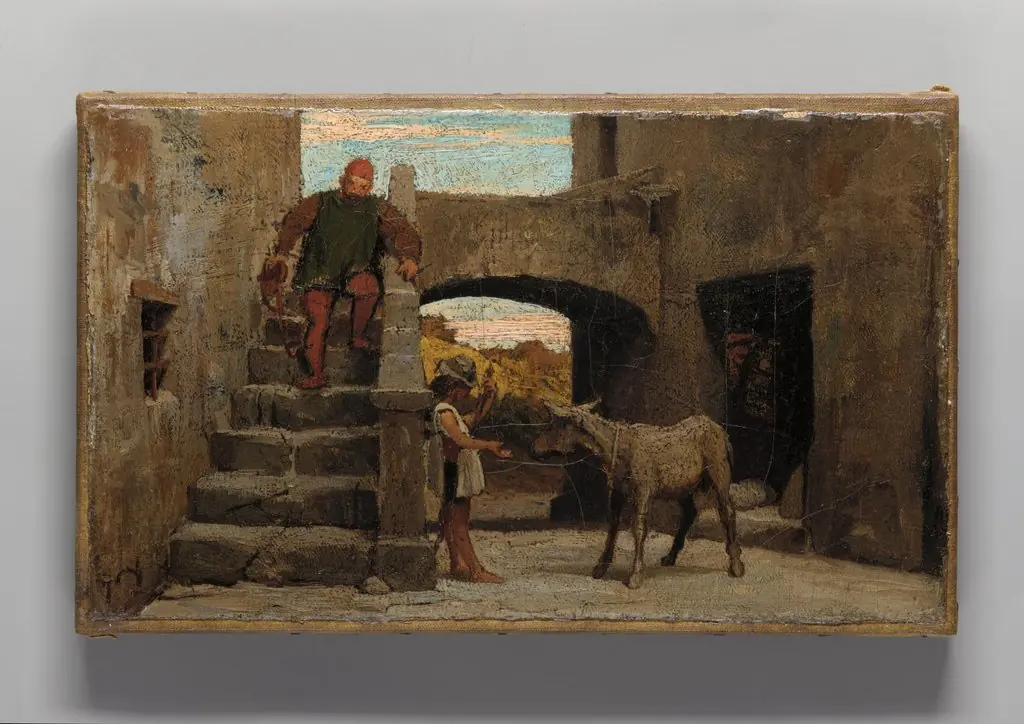 The Fable of the Miller, His Son, and the Donkey
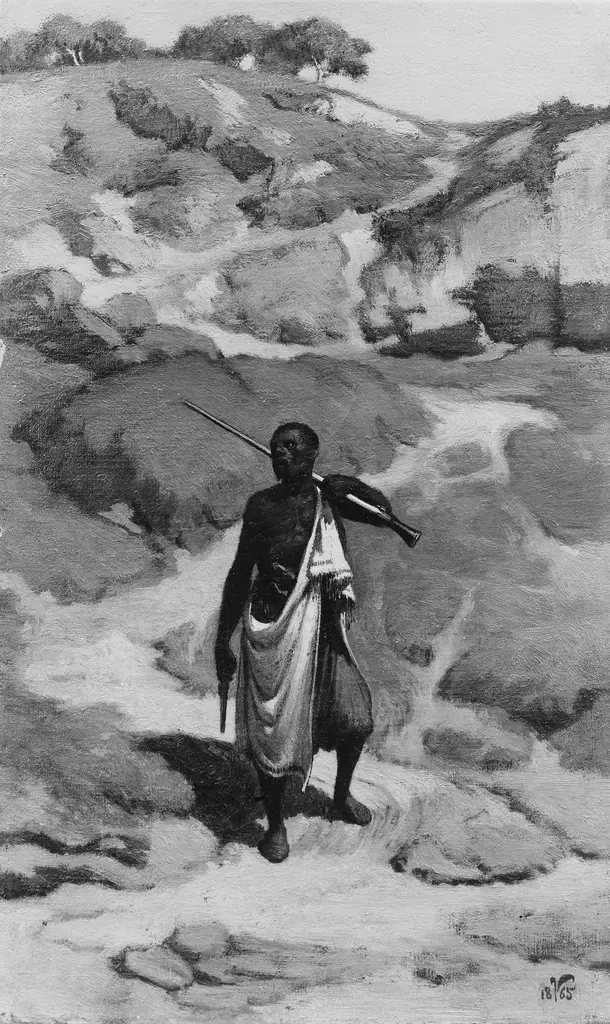 The African Sentinel
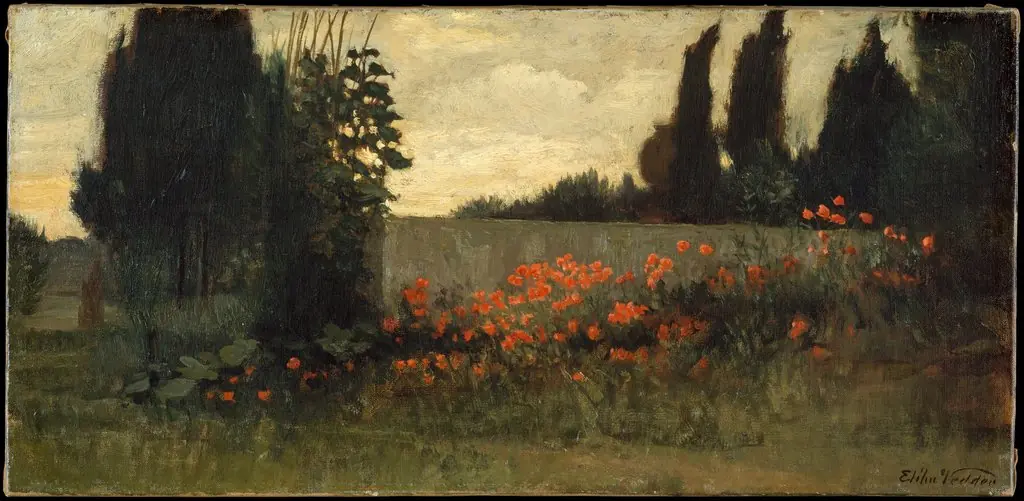 Cypress and Poppies
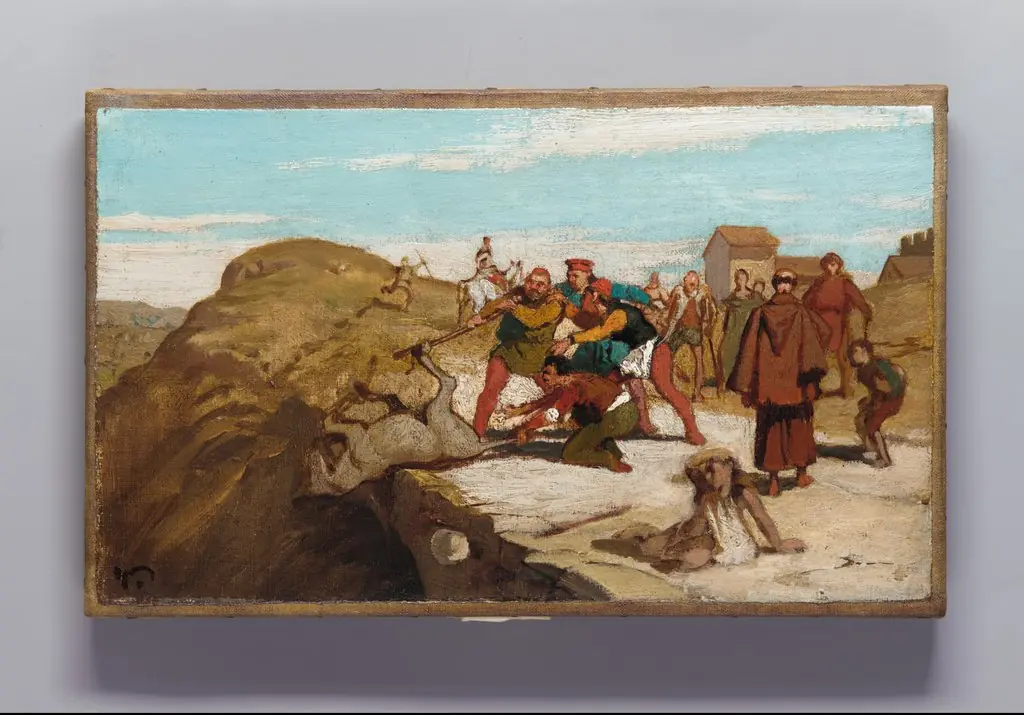 The Fable of the Miller, His Son, and the Donkey