Artwork
Study for "The Fates Gathering in the Stars"
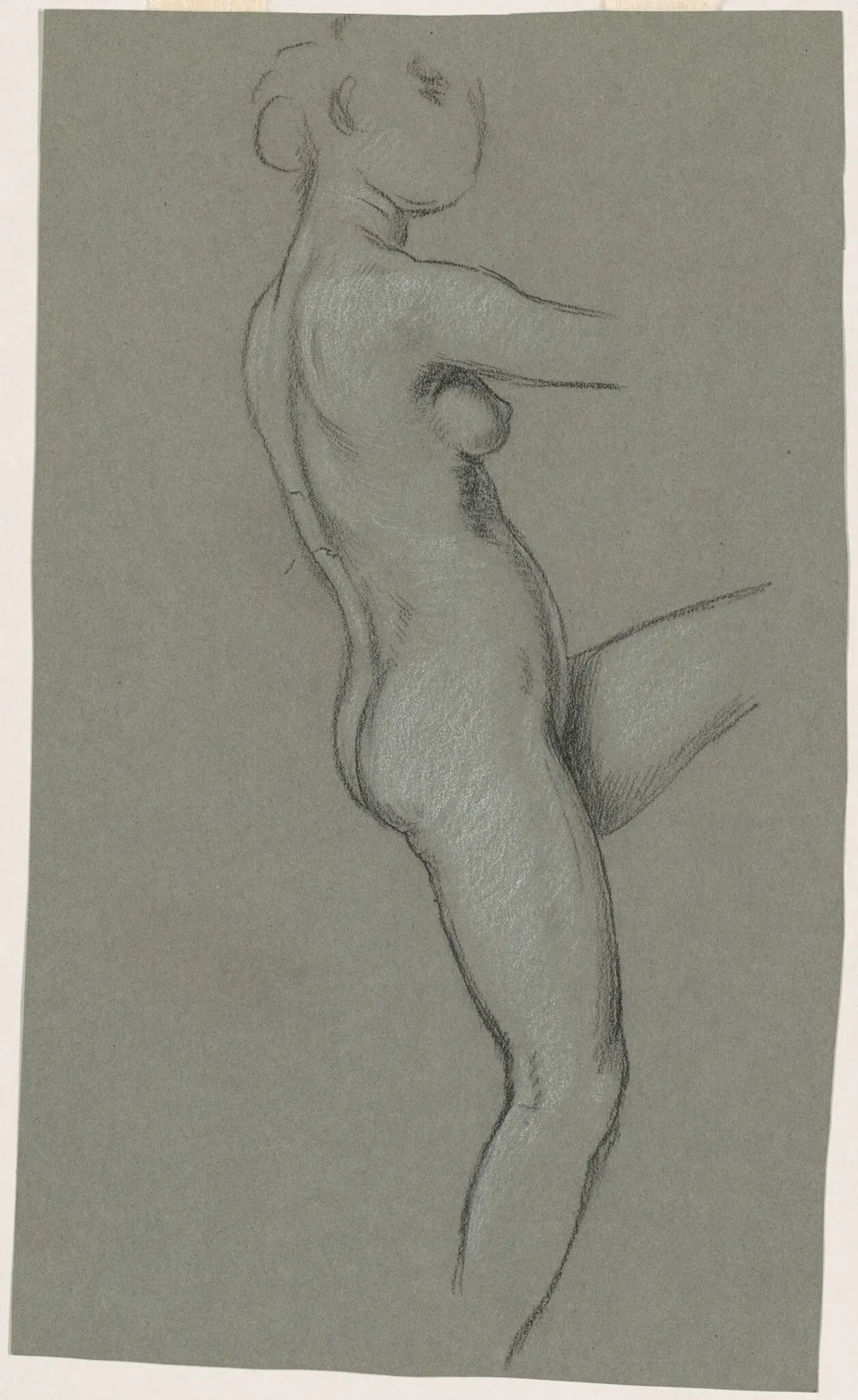
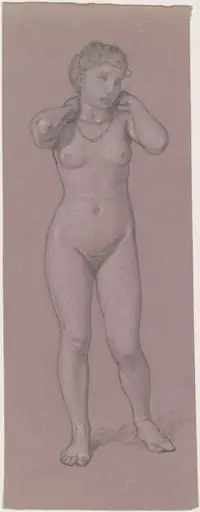
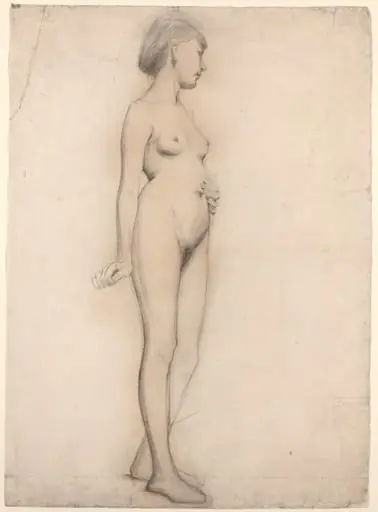
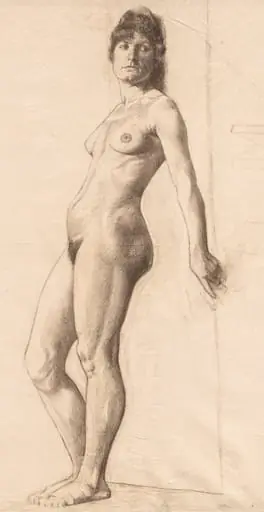
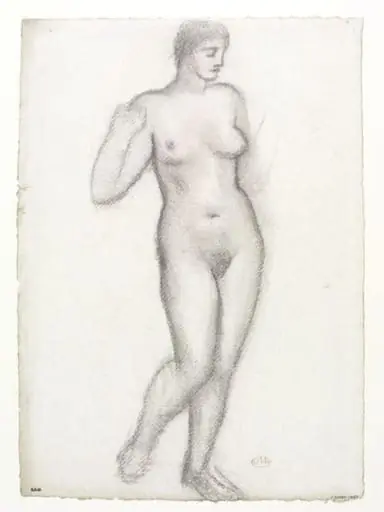
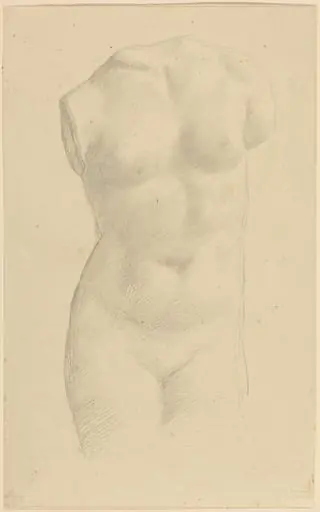
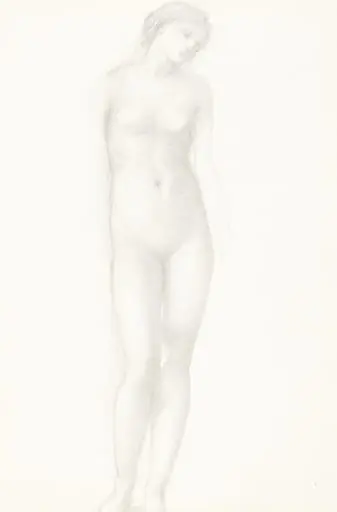
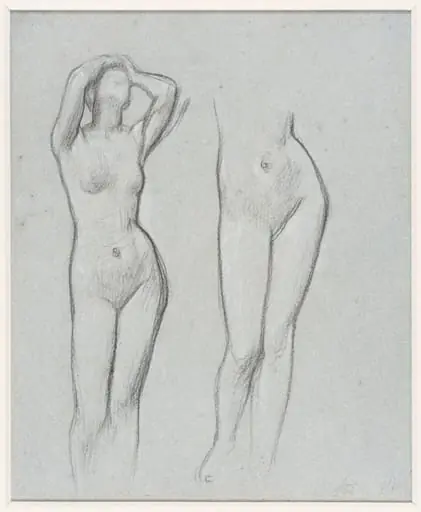
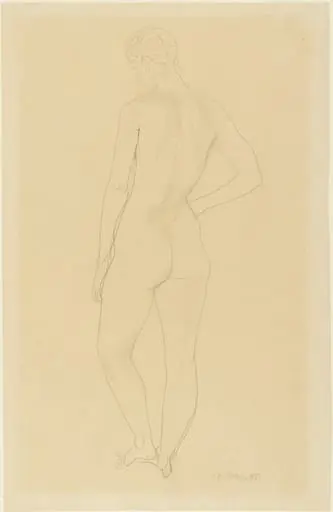
Study for "The Fates Gathering in the Stars" is a charcoal drawing by the Impressionist artist Elihu Vedder. It dates from 1886 and is held in the collection of the National Gallery of Art.
About this work
Overview
Created in 1886, this drawing by Elihu Vedder serves as a preparatory study for a larger, unrealized composition titled 'The Fates Gathering in the Stars.
Created in 1886, this drawing by Elihu Vedder serves as a preparatory study for a larger, unrealized composition titled 'The Fates Gathering in the Stars.' Executed in charcoal and chalk on gray wove paper, it reveals the artist’s methodical approach to developing complex allegorical imagery. Vedder, an American symbolist, used such studies to refine form and composition before committing to final works.
Subject & Meaning
The drawing depicts mythological figures associated with fate, likely the Moirai or Norns, arranged in a celestial setting. Their gathering suggests a moment of cosmic decision-making, a recurring theme in Vedder’s work. The imagery draws from classical mythology but is rendered with a dreamlike ambiguity, aligning with symbolist interests in the unseen and the metaphysical rather than literal narrative.
Technique & Style
Vedder employed charcoal for broad tonal shifts and chalk for highlights, exploiting the gray paper’s neutral tone to unify the composition. The medium allowed for both delicate linework and soft gradations, essential for conveying ethereal forms. His technique emphasizes texture and atmosphere over detail, prioritizing mood and suggestion over precise definition, characteristic of symbolist drawing practices.
History & Provenance
The drawing originated in Vedder’s New York studio during a period of intense symbolic exploration, following his acclaimed illustrations for 'The Rubaiyat of Omar Khayyam.' While the final painting was never completed, this study survived in private collections before entering a public institution. Its preservation reflects early 20th-century interest in American symbolist works as distinct from European trends.
Context
Vedder worked during a time when American artists were increasingly engaging with European symbolist and pre-Raphaelite ideals. Though impressionism emphasized light and immediacy, Vedder’s focus on myth and inner meaning placed him apart. His work resonated with contemporaries seeking spiritual or philosophical depth in art, positioning him as a bridge between academic tradition and emerging modern symbolism.
Legacy
Though Vedder’s large-scale allegories remain less known today, his preparatory drawings like this one are valued for their insight into his creative process. They illustrate how American artists adapted European symbolism to explore universal themes. The study endures as a quiet testament to the introspective, non-narrative direction taken by a generation of artists beyond realism and impressionism.
Artist & collection

Artist
Elihu Vedder (26 February 1836 – 29 January 1923) was an American symbolist painter, book illustrator and poet from New York City.

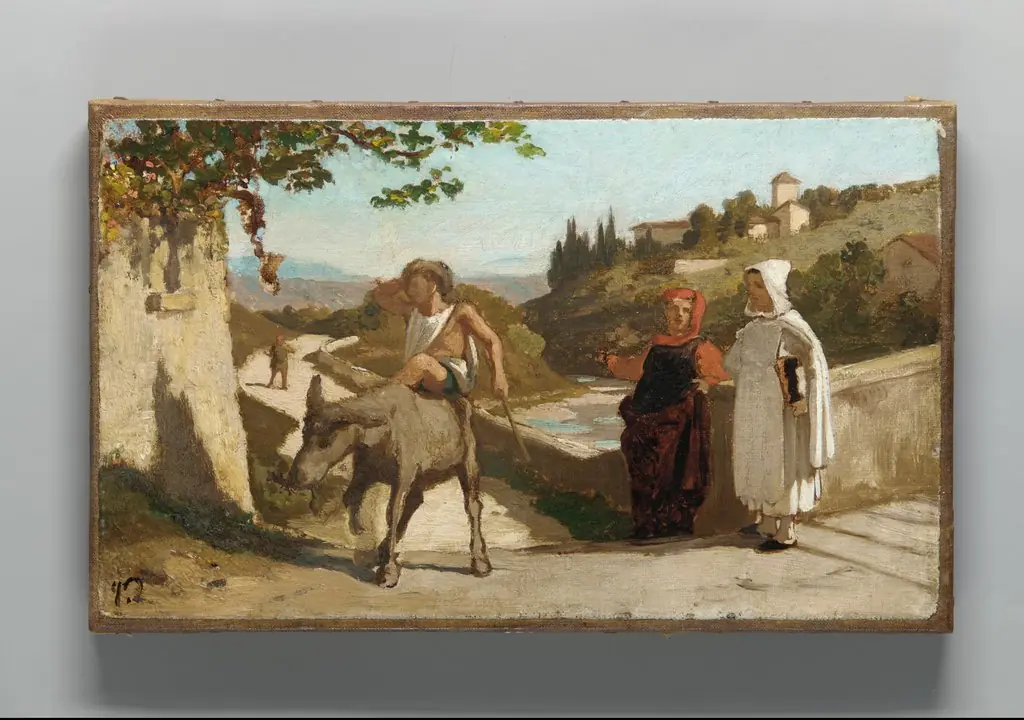 The Fable of the Miller, His Son, and the Donkey
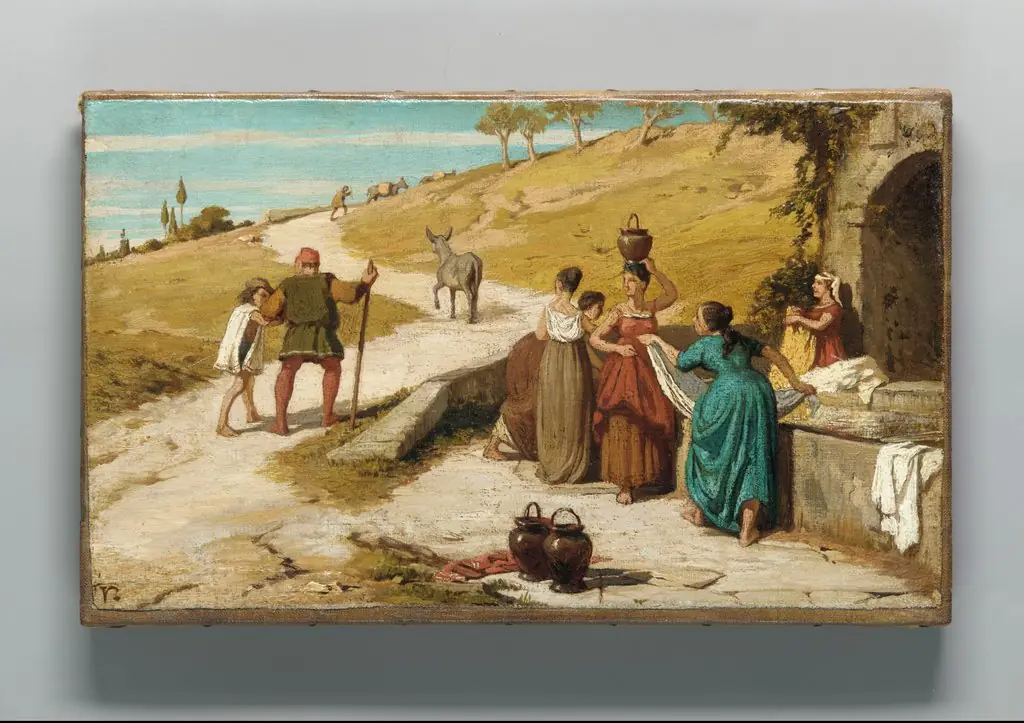 The Fable of the Miller, His Son, and the Donkey
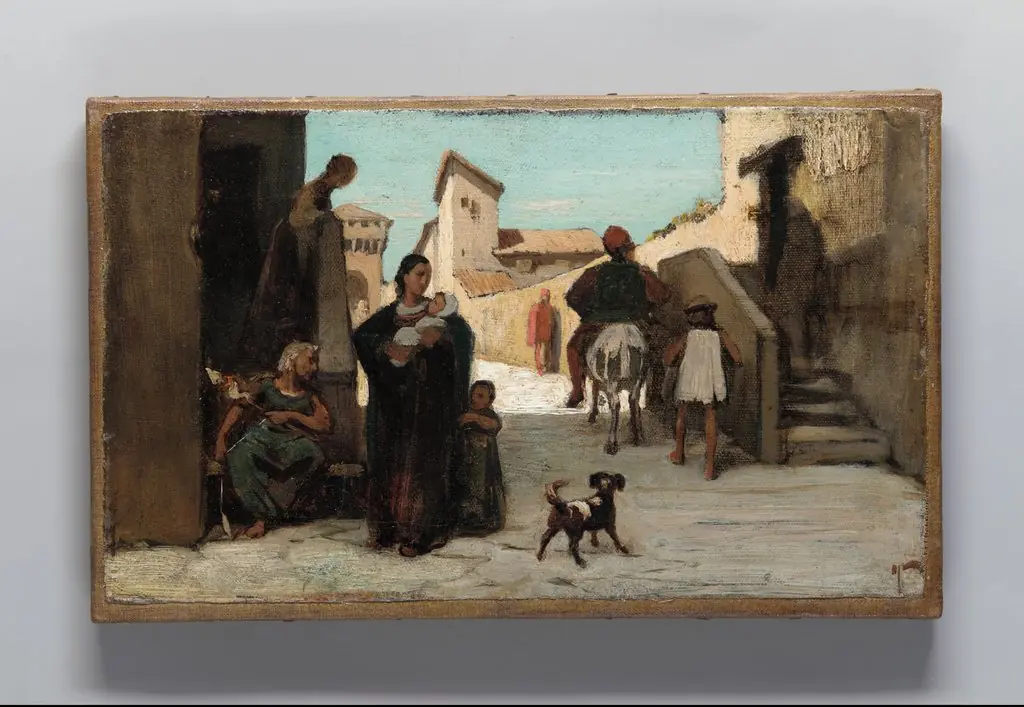 The Fable of the Miller, His Son, and the Donkey
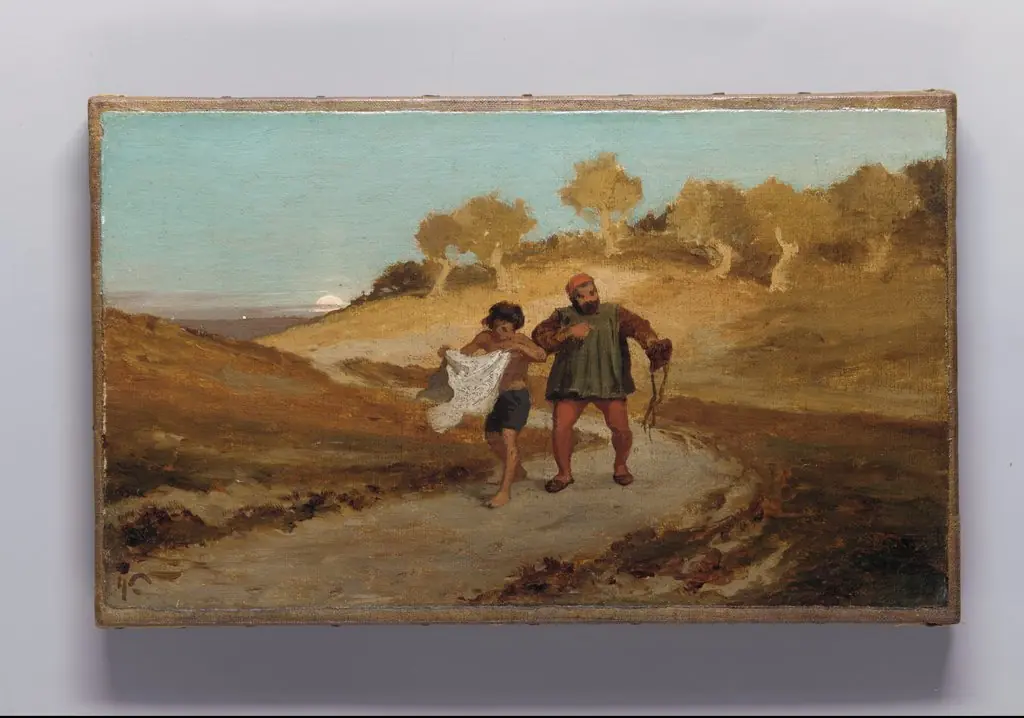 The Fable of the Miller, His Son, and the Donkey
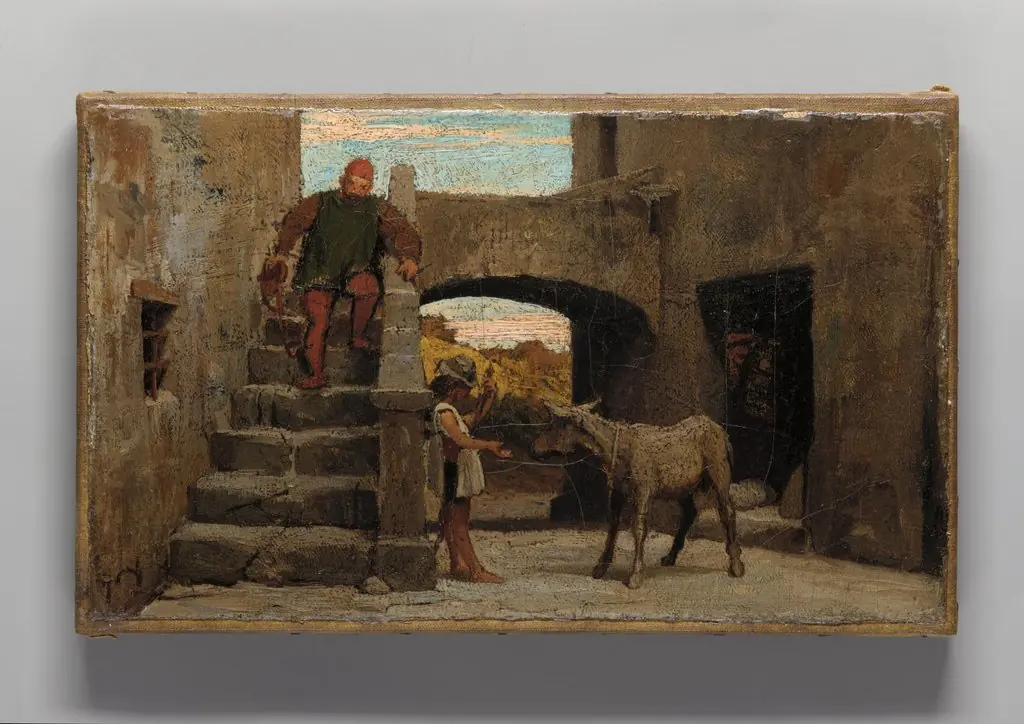 The Fable of the Miller, His Son, and the Donkey
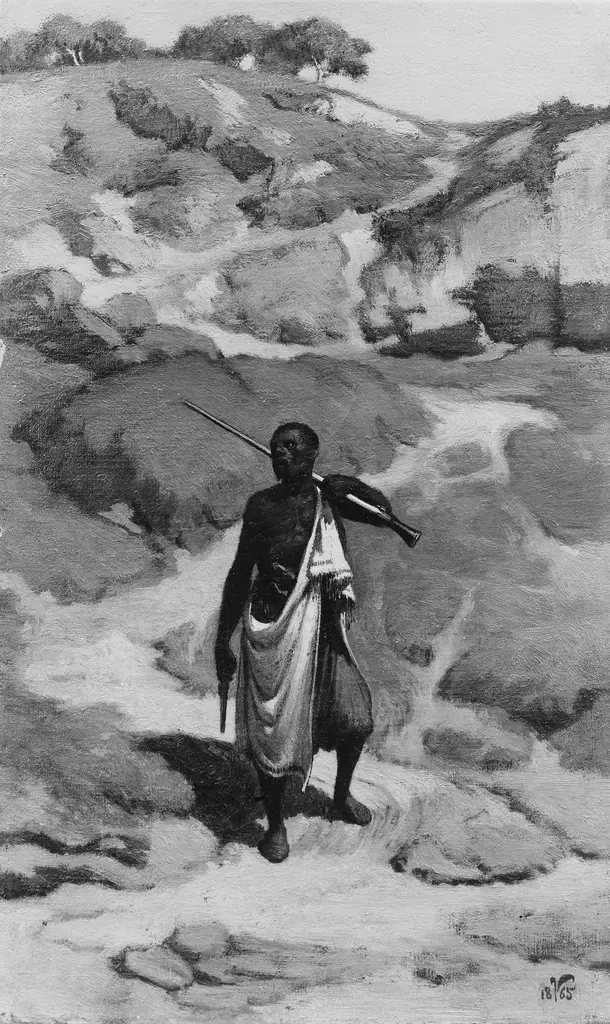 The African Sentinel
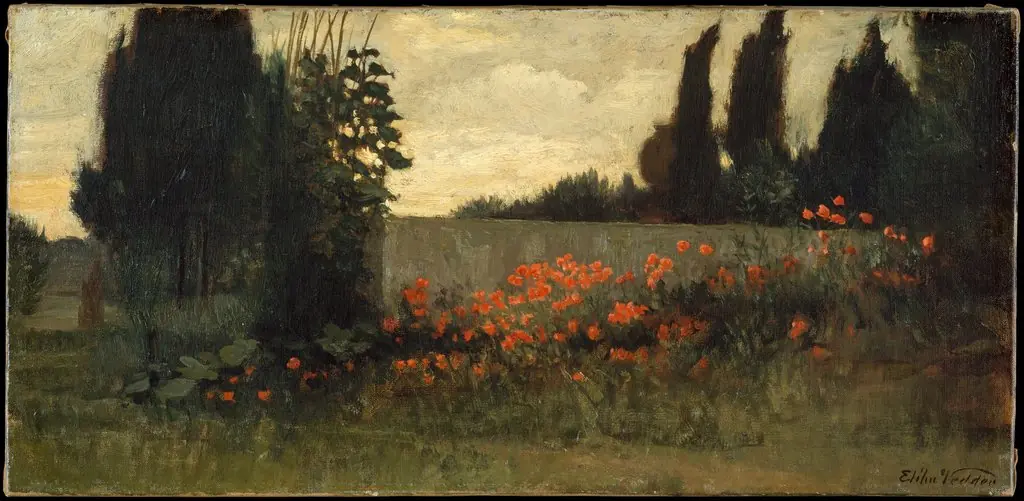 Cypress and Poppies
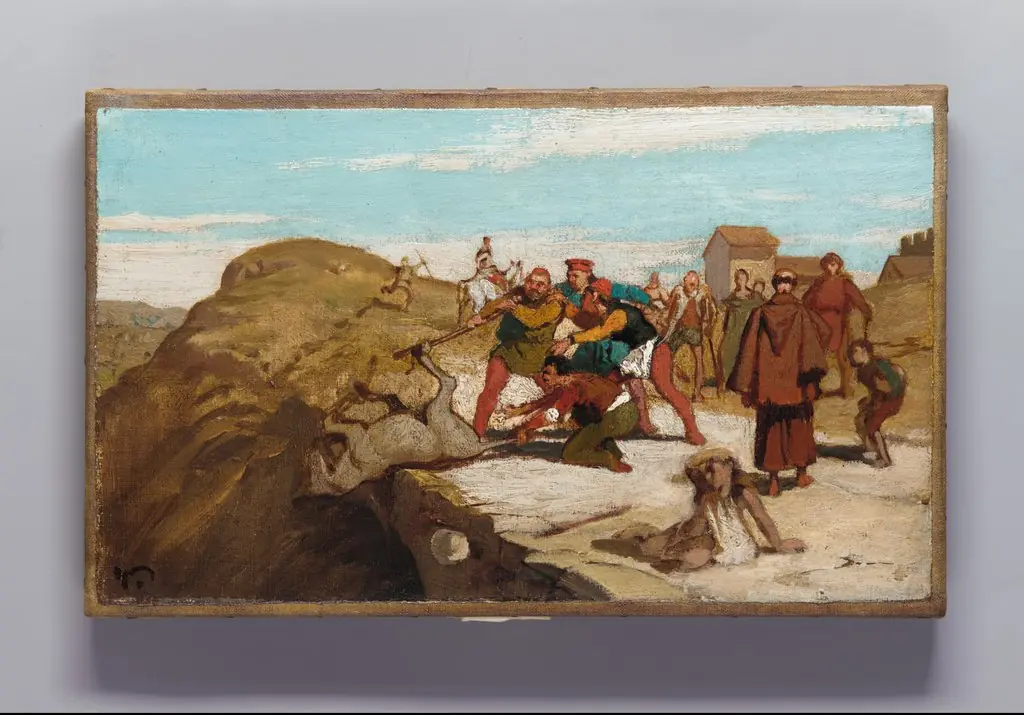 The Fable of the Miller, His Son, and the Donkey