Artwork
H Beard Print Collection
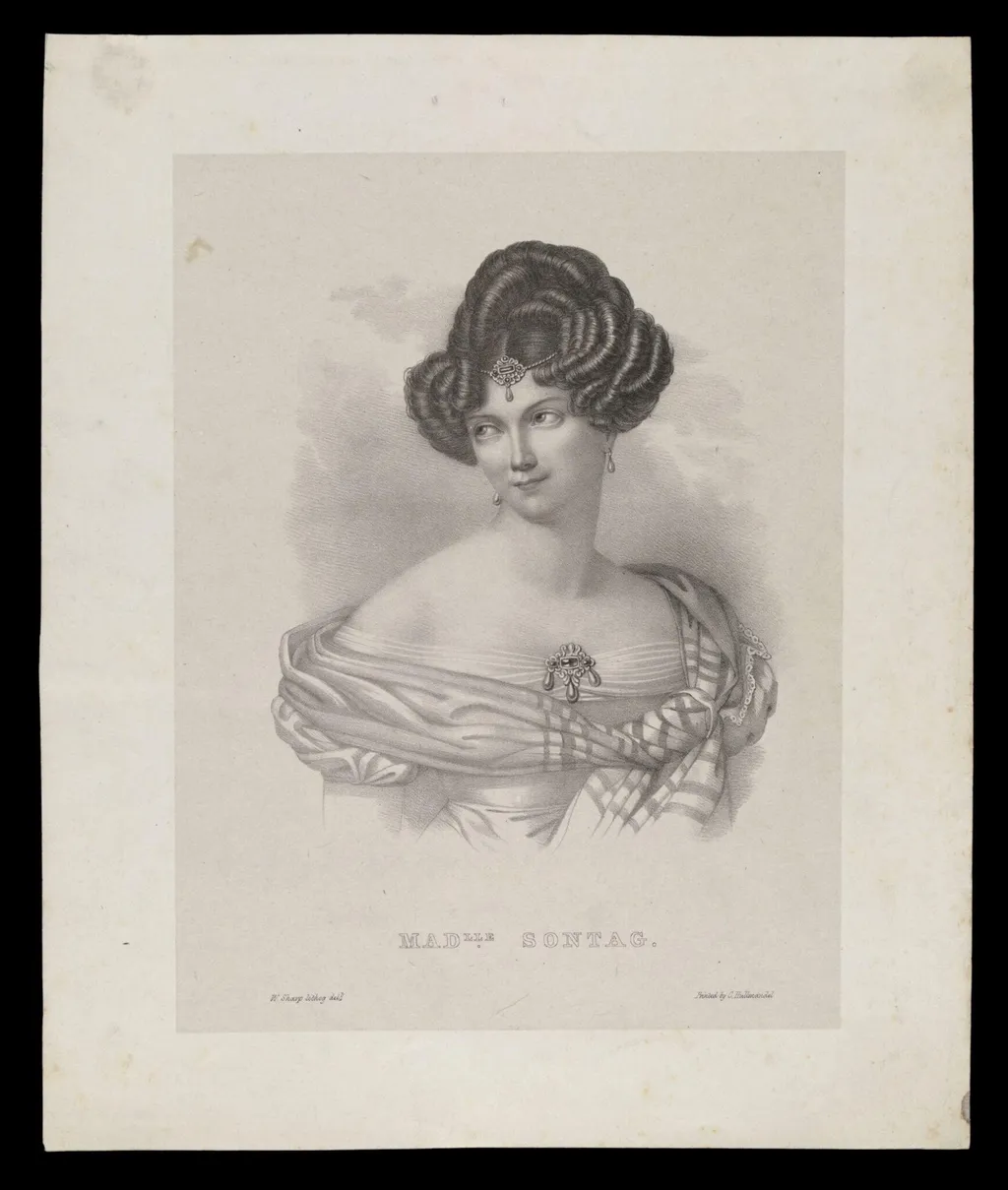
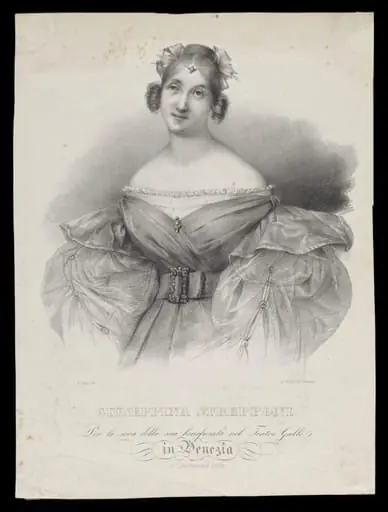
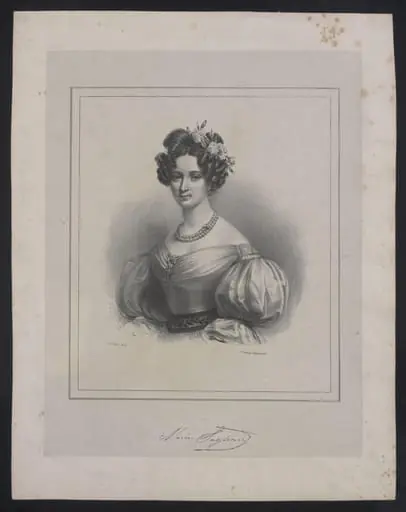
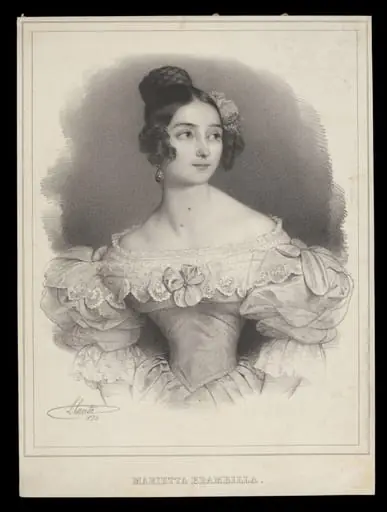
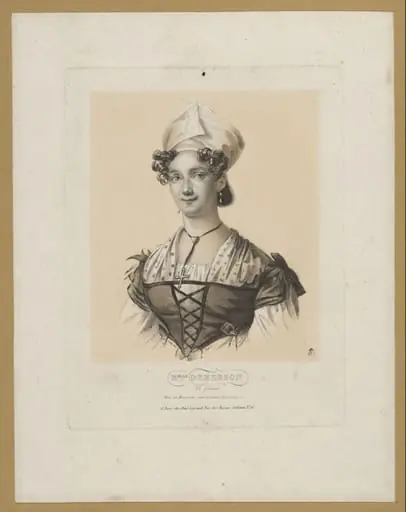
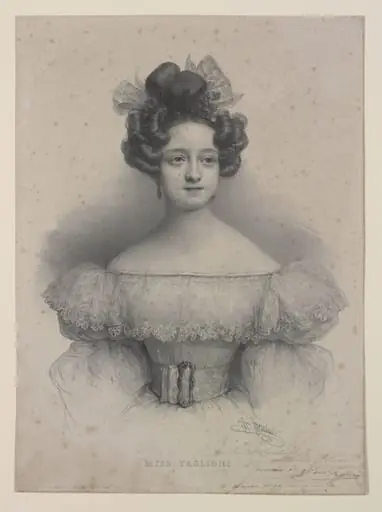
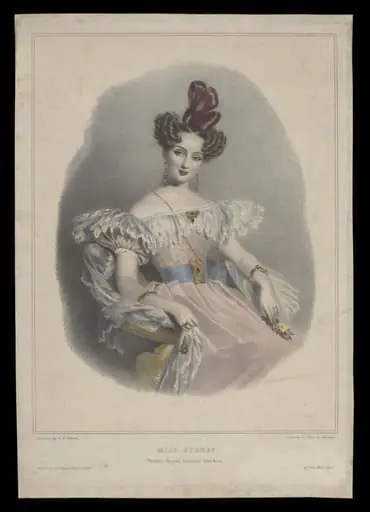
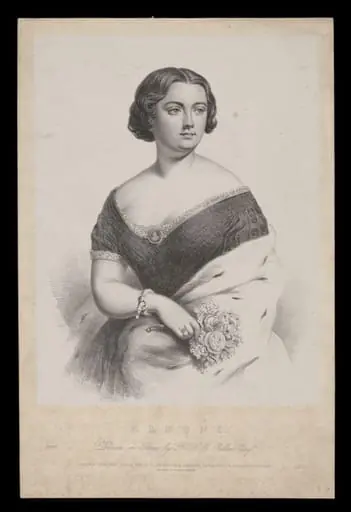
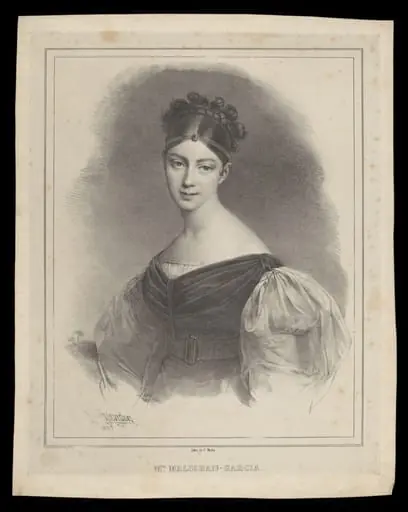
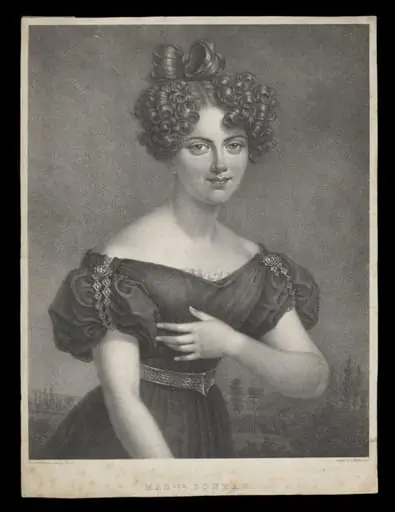
H Beard Print Collection is a print by Viardot, L.. It dates from 1850 and is held in the collection of the Victoria and Albert Museum. This small, finely detailed print from the early 1800s portrays the French soprano Mademoiselle Sontag.
About this work
Overview
This small, finely detailed print from the early 1800s portrays the French soprano Mademoiselle Sontag.
This small, finely detailed print from the early 1800s portrays the French soprano Mademoiselle Sontag. Created by L. Viardot, it belongs to the H. Beard Print Collection held at the Victoria and Albert Museum. Produced before the advent of photography, such prints served as accessible visual records of public figures, circulating among middle-class audiences who sought to connect with cultural icons through imagery.
Subject & Meaning
The subject is Caroline Sontag, a celebrated opera singer known for her performances across Europe in the 1820s and 1830s. The portrait captures her in a composed, elegant pose, reflecting the public’s admiration for her artistry. As a printed image, it functioned less as fine art and more as a cultural artifact—offering a tangible connection between audience and performer in an era when live performance was the only way to experience her voice.
Technique & Style
Executed in a crisp, linear style typical of engraved portraiture, the print relies on fine lines and subtle tonal variations to define facial features and attire. The composition is restrained, focusing attention on the sitter’s face and upper body. The absence of elaborate background or ornamentation emphasizes clarity and likeness, aligning with the practical purpose of the image: accurate representation rather than dramatic expression.
History & Provenance
The print was produced during Sontag’s peak fame, likely as a commercial reproduction for public sale. It entered the H. Beard Collection, a significant assemblage of theatrical and musical portraiture, and was later transferred to the Victoria and Albert Museum. Its preservation reflects the museum’s interest in documenting the material culture of 19th-century performance and popular visual media.
Context
In the decades before photography, engraved portraits like this were the primary means of disseminating likenesses of celebrities. Sontag’s image would have been displayed in homes, music halls, or shops, reinforcing her public persona. Such prints bridged the gap between elite performance and everyday life, allowing ordinary people to participate in the cultural mythology surrounding artists of the time.
Legacy
Today, the print survives as a quiet testament to the ways pre-photographic societies preserved and celebrated cultural figures. It offers insight into the mechanics of fame and the role of print media in shaping public perception. Its presence in a major museum underscores its value as a historical document, not for its artistic innovation, but for its role in everyday visual culture.
Artist & collection
Artist
A 19th-century printmaker from an era when etchings and engravings were the go-to for sharing images fast, L.