Artwork
Joseph’s Dream
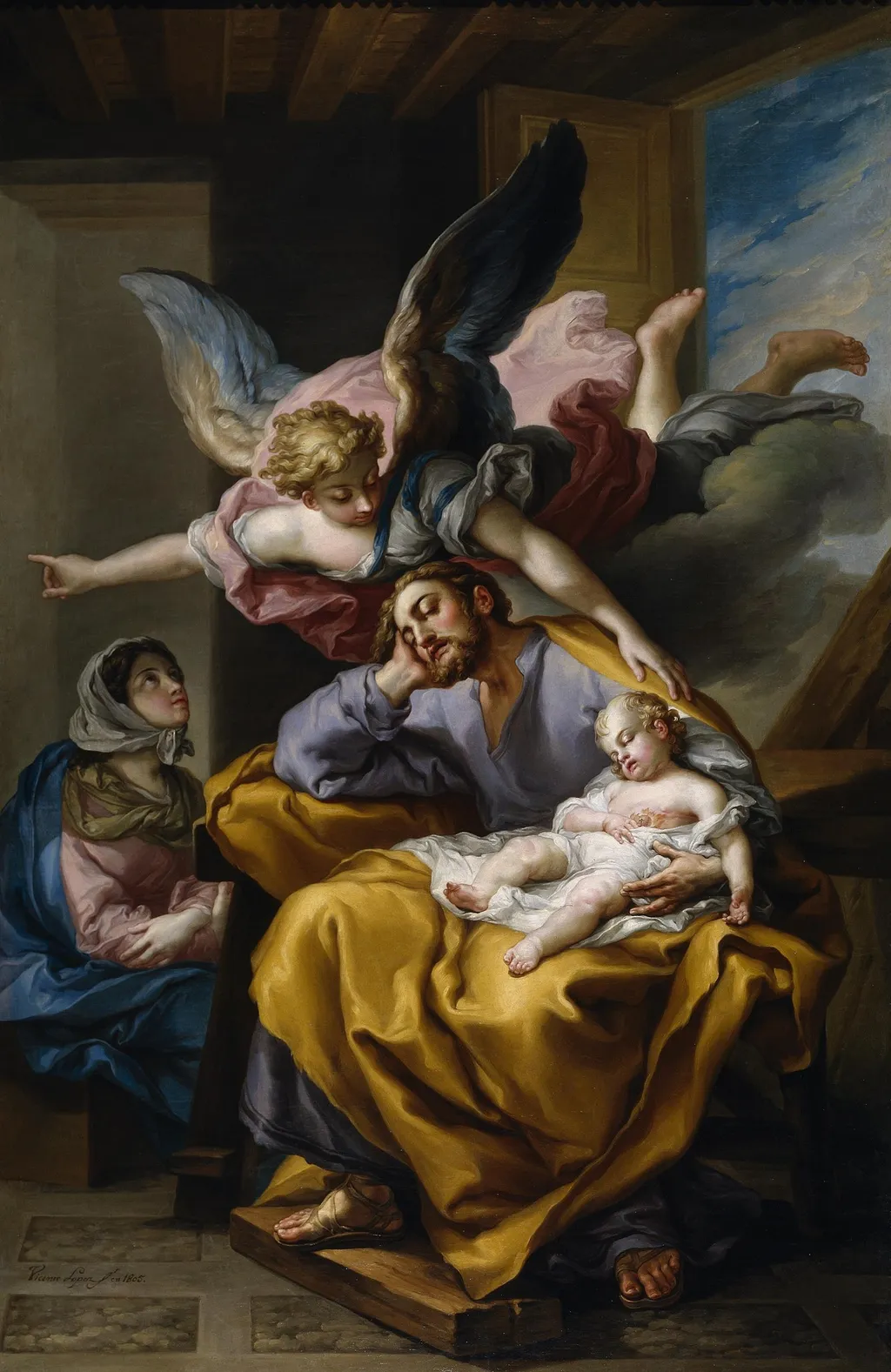
Joseph’s Dream is an oil painting by Vicente López Portaña. It dates from 1805 and is held in the collection of the Museo del Prado.
About this work
Overview
The work resides in the Museo del Prado, Madrid, where it stands as a restrained example of early 19th-century Spanish devotional painting.
Painted in 1805 by Vicente López Portaña, *Joseph’s Dream* is an oil-on-canvas religious scene that reflects the artist’s mastery of portraiture applied to sacred subject matter. Though best known for his secular likenesses, López turned to biblical narrative with quiet precision. The work resides in the Museo del Prado, Madrid, where it stands as a restrained example of early 19th-century Spanish devotional painting.
Subject & Meaning
The painting captures a moment from the Gospel of Matthew, when an angel appears to Joseph in a dream to warn him of Herod’s threat. Joseph cradles the infant Jesus, while Mary observes from the side. The angel, pointing upward, conveys divine instruction. The scene emphasizes quiet vigilance and paternal care, avoiding dramatic spectacle in favor of intimate stillness, reinforcing themes of protection and obedience.
Technique & Style
López employs chiaroscuro to model forms with subtle gradations of light and shadow, grounding the figures in a dim interior. A soft, golden glow from a window on the right illuminates faces and hands, drawing focus to the central group. Brushwork is refined but unobtrusive, favoring smooth transitions over texture. The composition is tightly framed, heightening the sense of privacy and introspection.
History & Provenance
Commissioned during López’s tenure as court painter to Ferdinand VII, the work entered the Prado’s collection in the 19th century. It was likely intended for private devotion rather than public display, consistent with the artist’s tendency to blend religious themes with domestic intimacy. Its preservation in the museum reflects its status as a representative example of Spanish Neoclassical religious art.
Context
In early 1800s Spain, religious imagery remained central to artistic production despite Enlightenment influences. López’s approach, rooted in academic tradition, contrasted with emerging Romantic tendencies. His focus on psychological realism in sacred figures aligned with broader European trends, yet retained a distinctly Spanish restraint, avoiding theatricality in favor of quiet reverence.
Legacy
Though not widely exhibited outside Spain, *Joseph’s Dream* exemplifies López’s ability to infuse religious scenes with human tenderness. It influenced later Spanish painters seeking to reconcile devotional themes with naturalistic representation. The painting endures as a quiet testament to the role of domestic emotion in sacred storytelling during a period of political and cultural transition.
Own this work as a print
Artist & collection
Artist
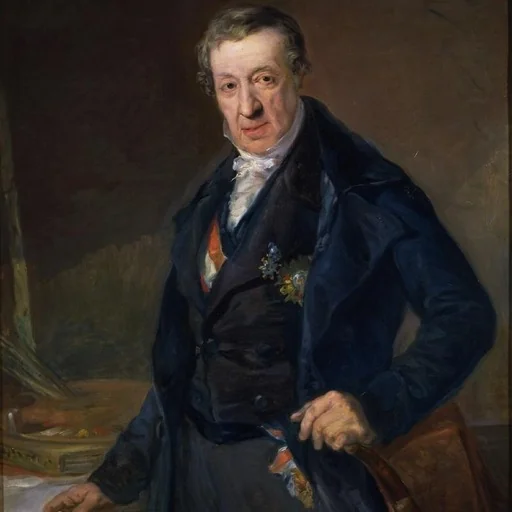
Vicente López Portaña (Spanish: ; 19 September 1772 – 22 July 1850) was a Spanish painter, considered one of the best portrait painters of his time.

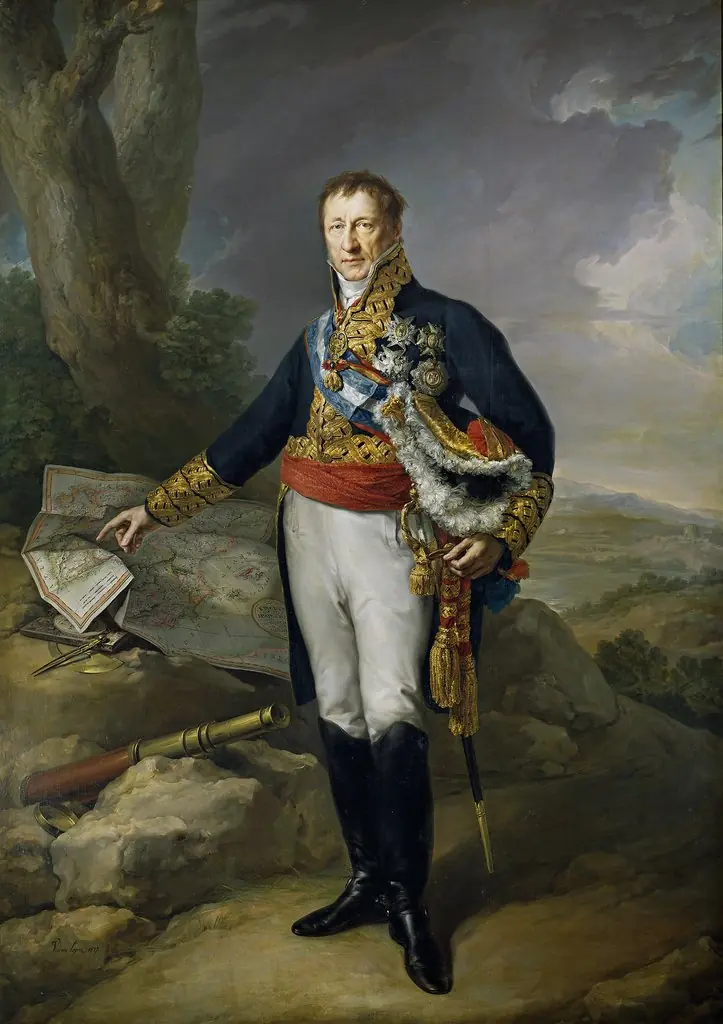 Pedro de Alcántara Álvarez de Toledo y Salm Salm, XIII duque del Infantado
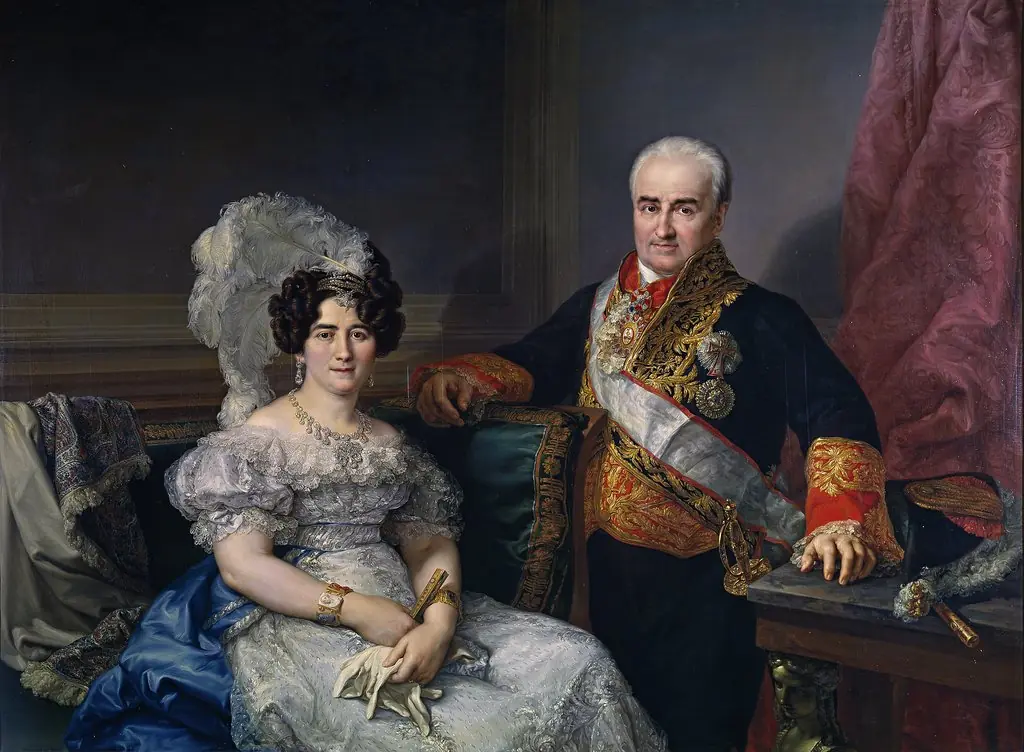 Antonio Ugarte and his wife Maria Antonia Larrazábal
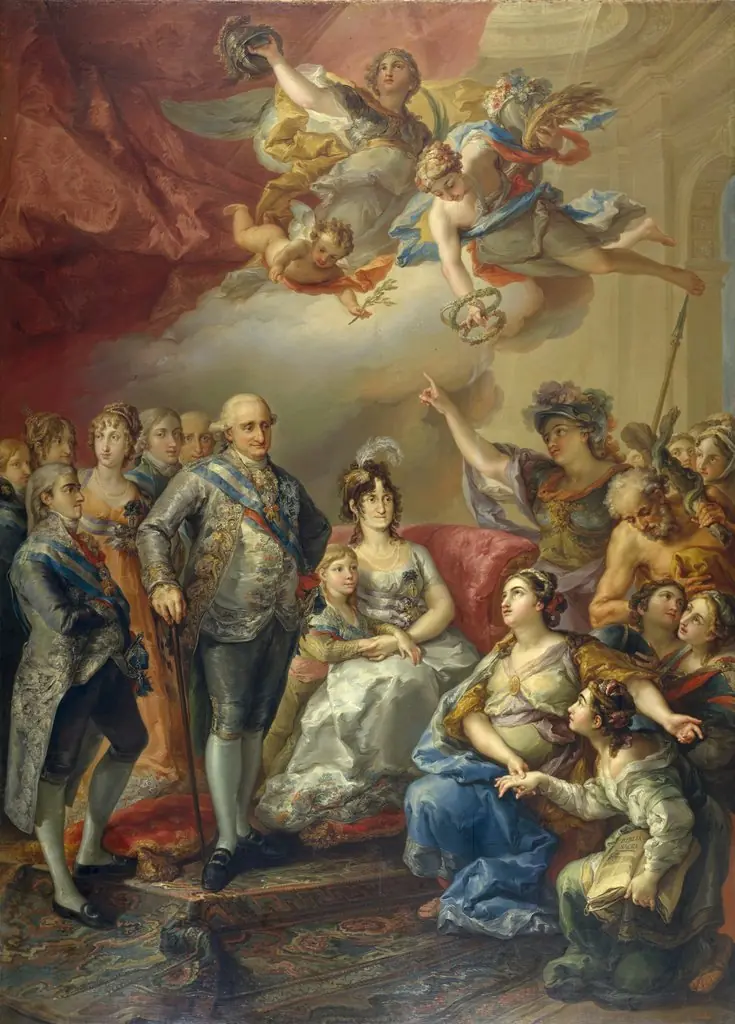 Charles IV and his Family honoured by the University of Valencia
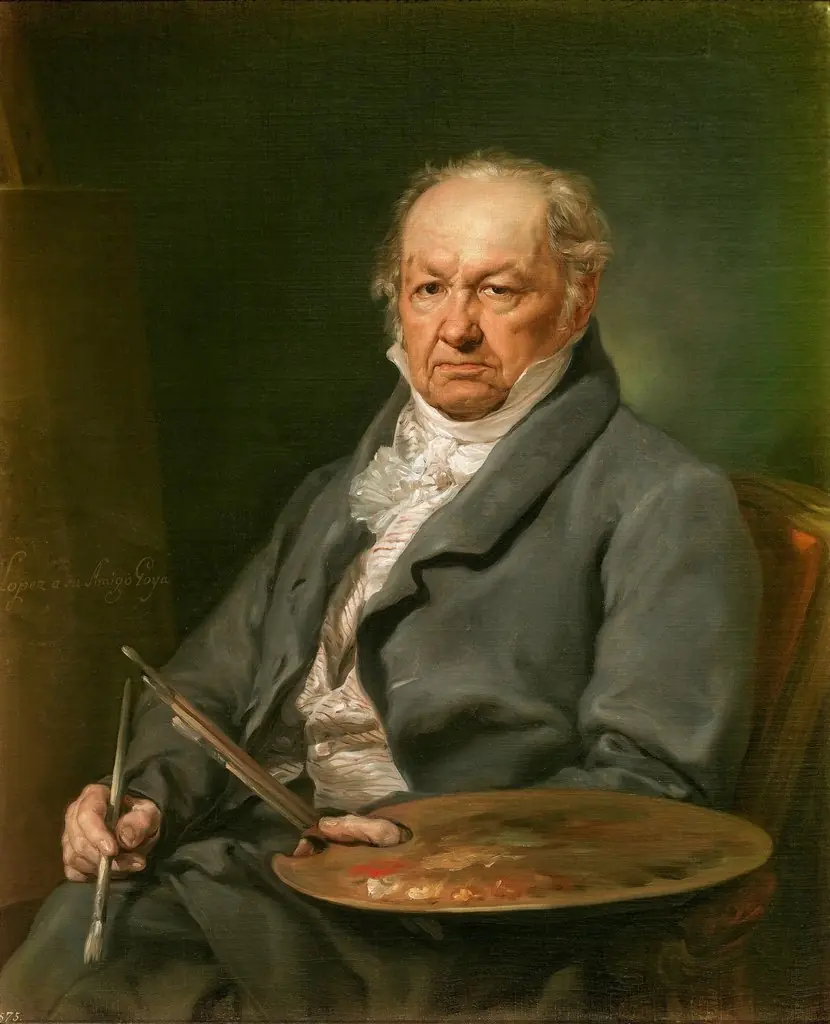 The Painter Francisco Goya
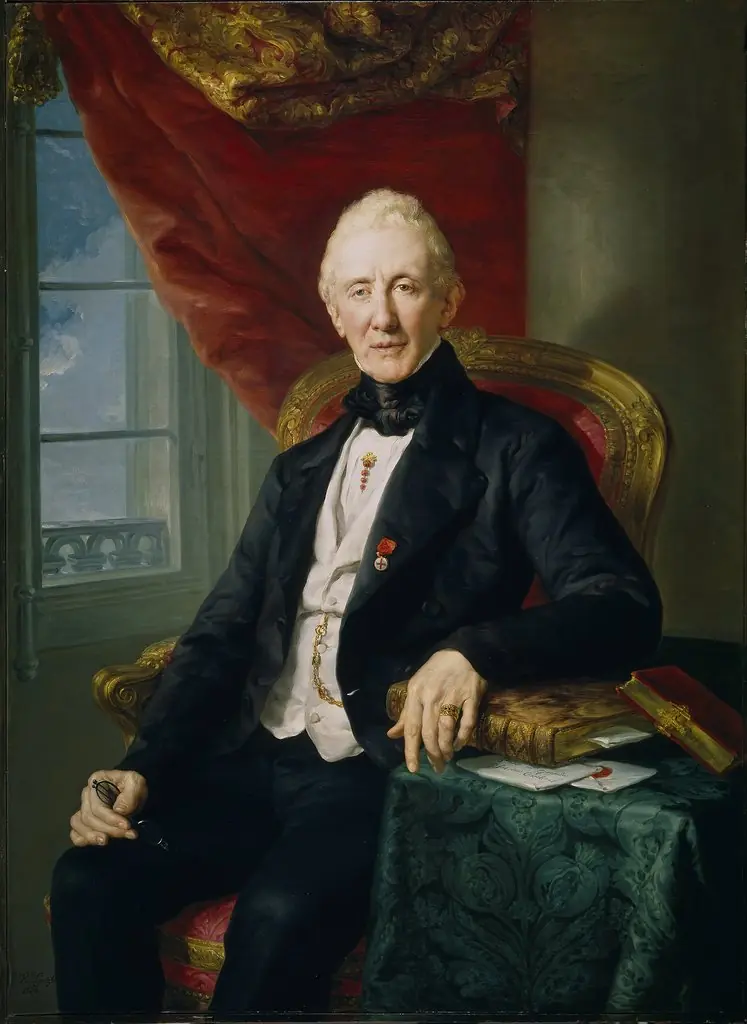 José Gutiérrez de los Ríos
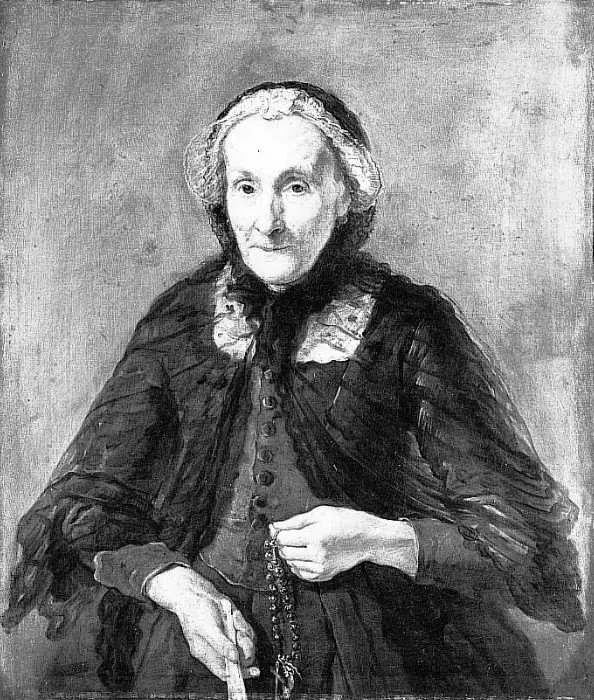 Portrait of Marie-Thérèse Geoffrin, geb. Rodet (1699-1777)
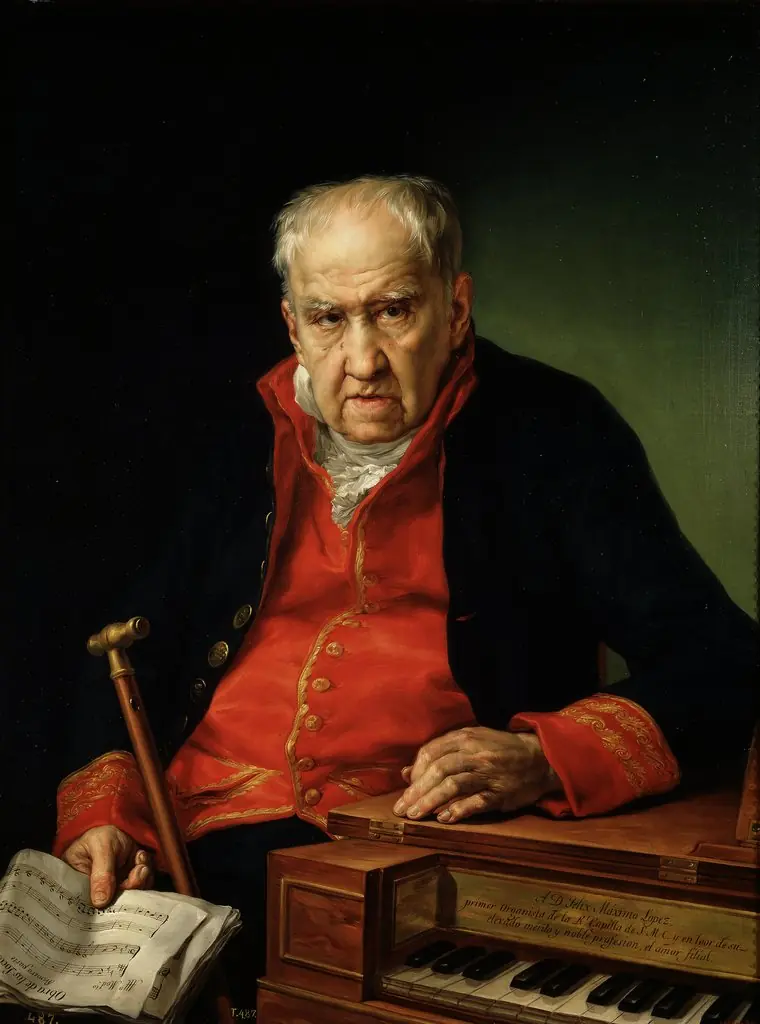 Félix Máximo López, First Organist of the Royal Chapel
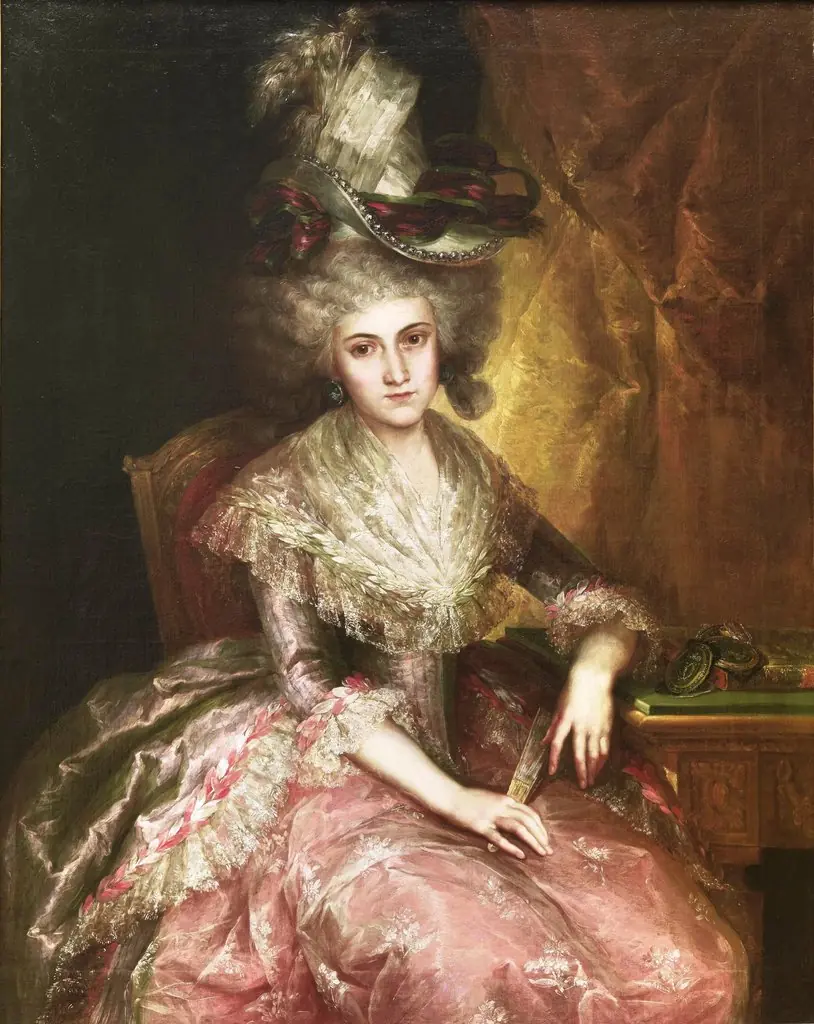 María Pilar de la Cerda y Marín de Resende, Duchess of Nájera
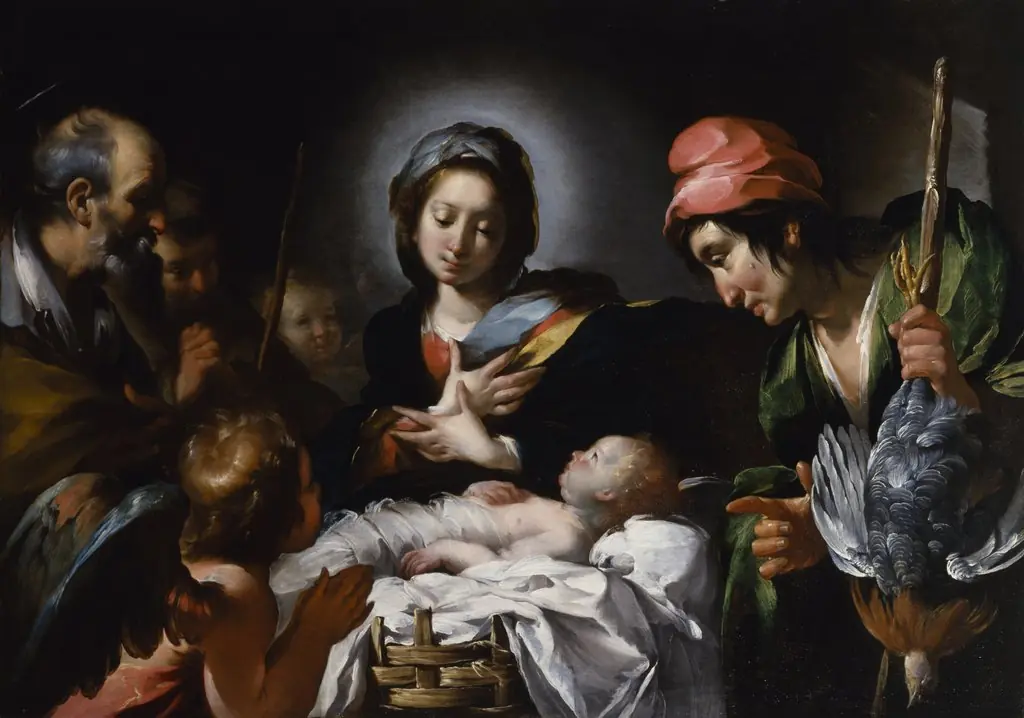 The Adoration of the Shepherds
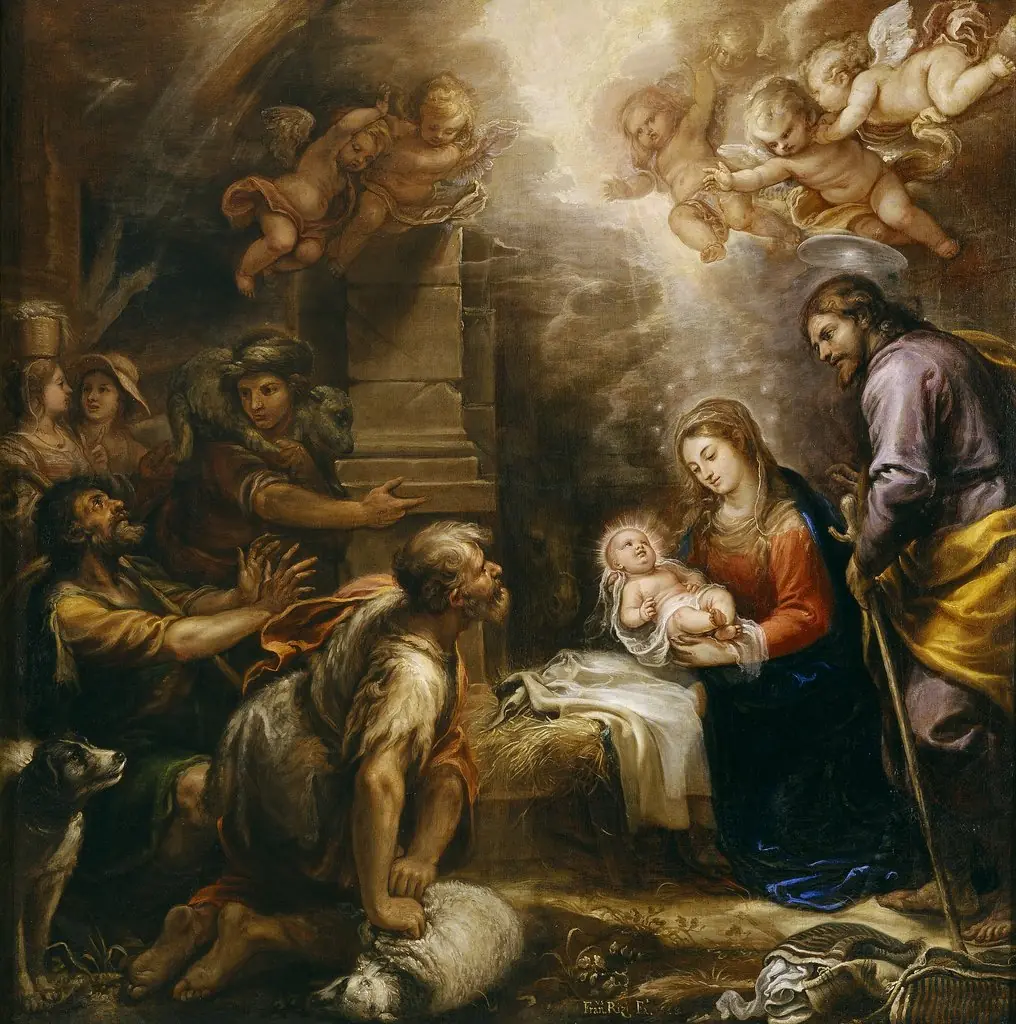 The Adoration of the Shepherds
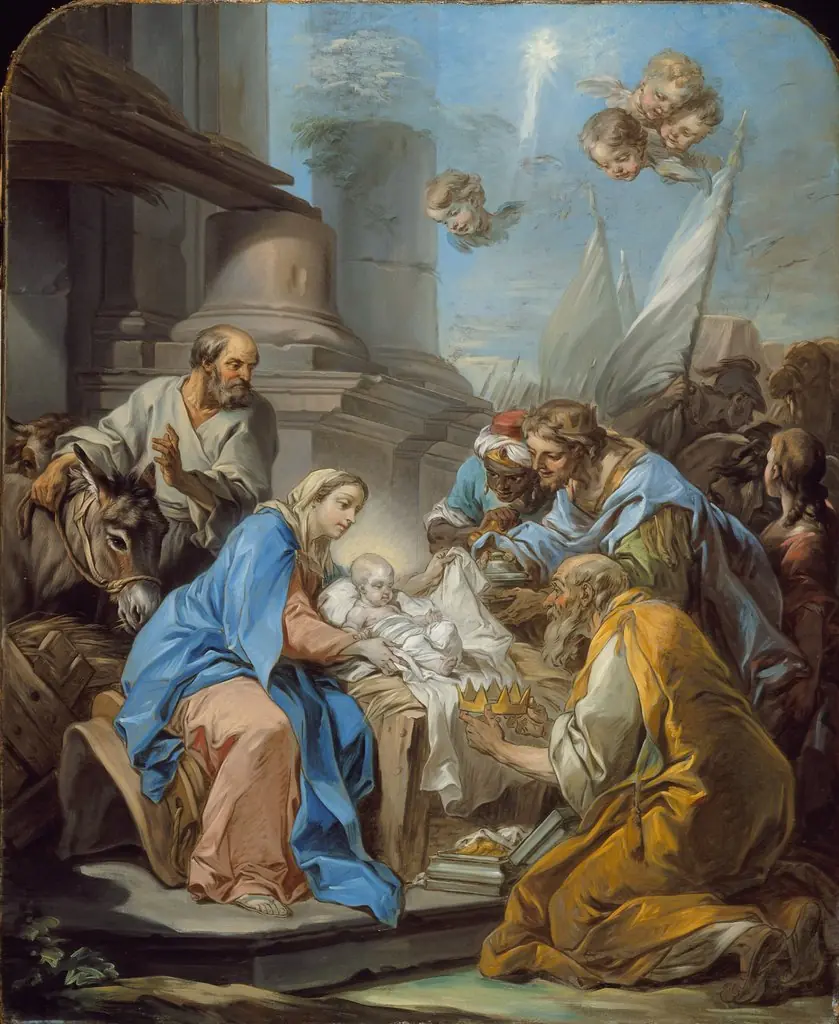 The Adoration of the Magi
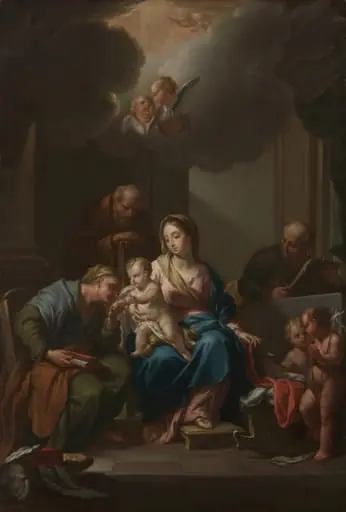 Presentation Sketch for "The Holy Family with Saints Anne, Joachim, and John the Baptist" (for Santa Maria in Via Lata, Roma)
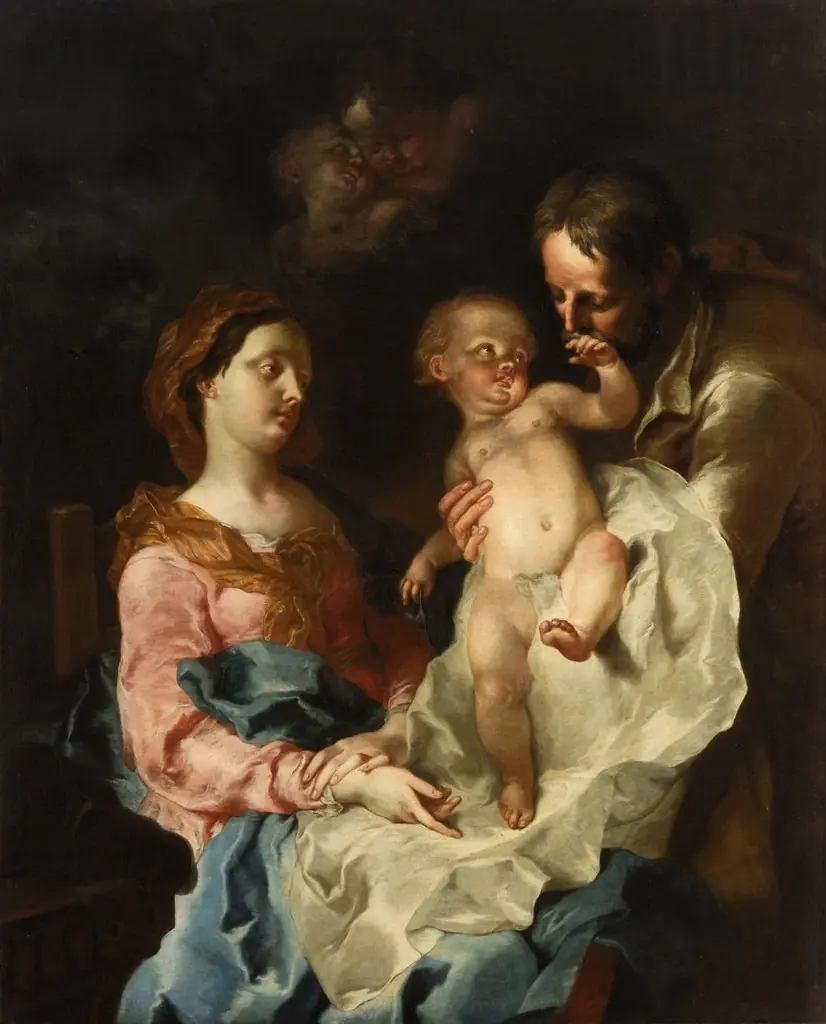 The Holy Family
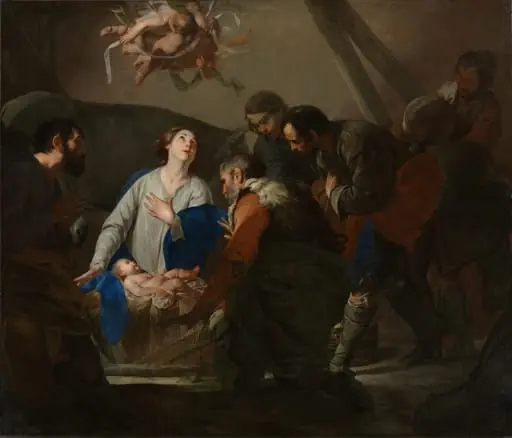 Adoration of the Shepherds
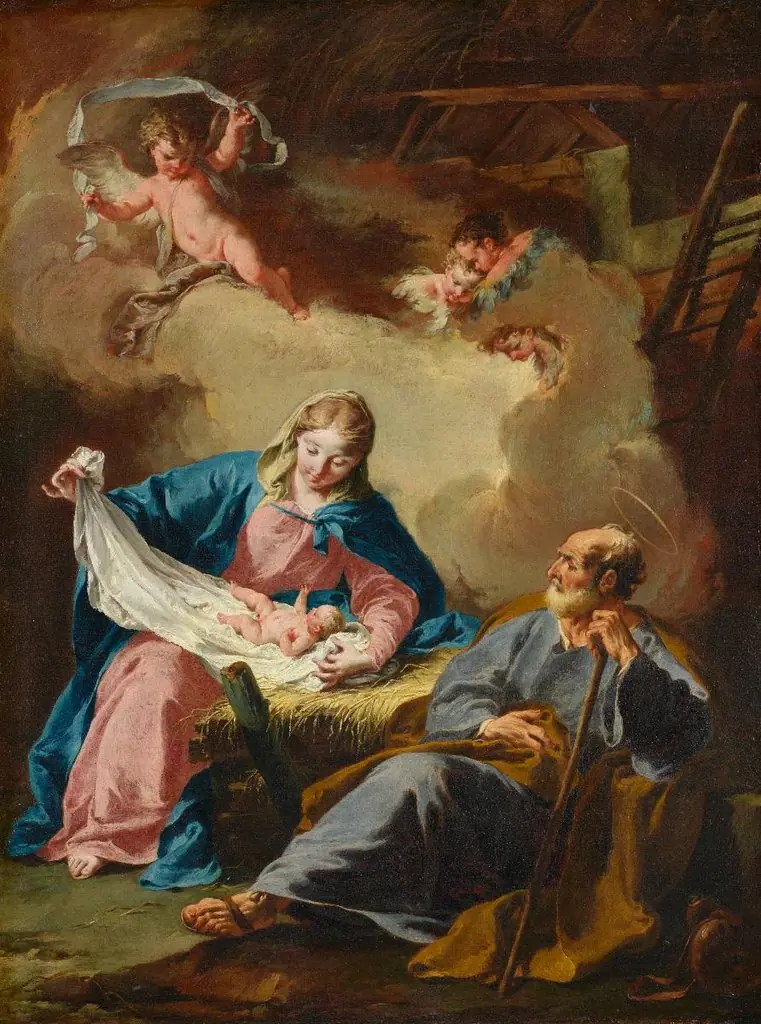 Natività
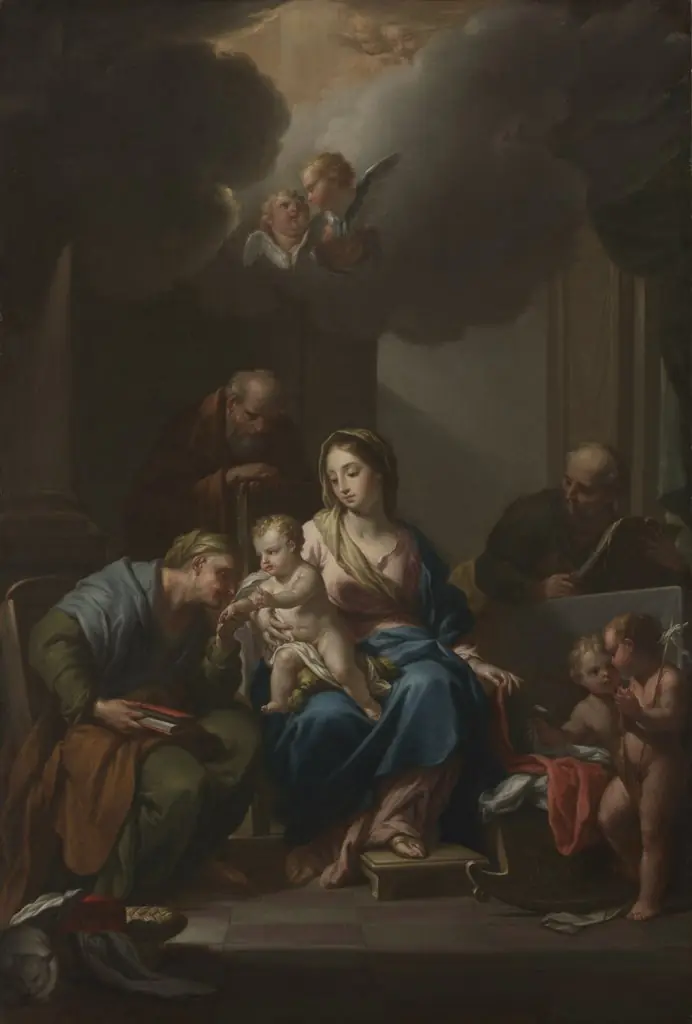 Presentation Sketch for "The Holy Family with Saints Anne, Joachim, and John the Baptist" (for Santa Maria in Via Lata, Roma)
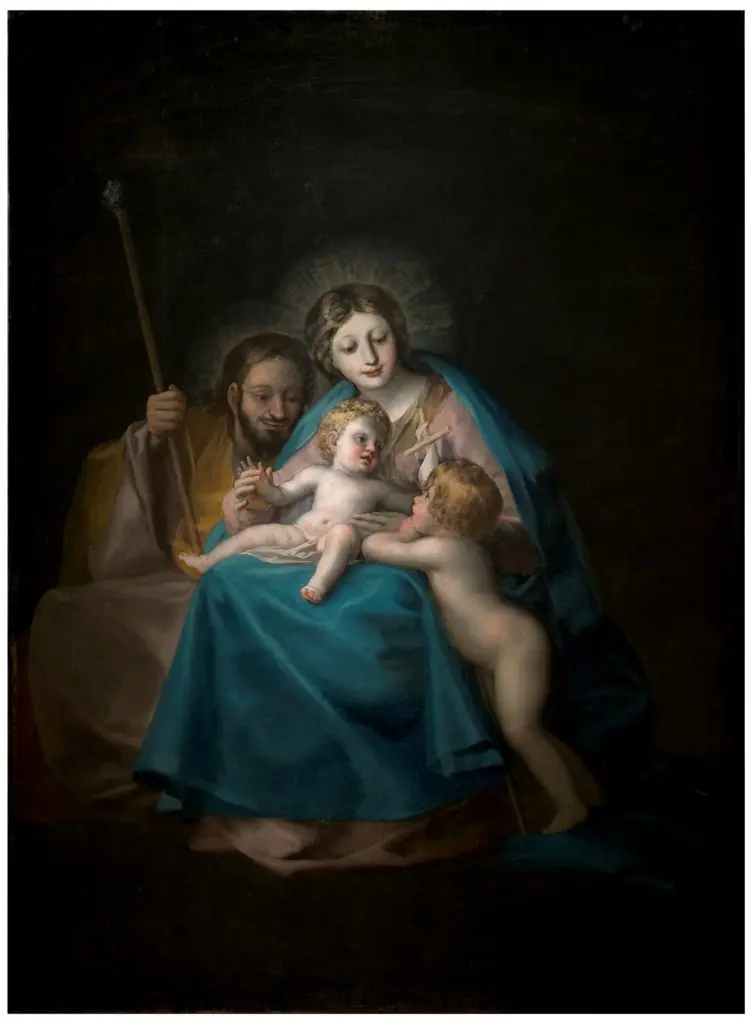 The Holy Family
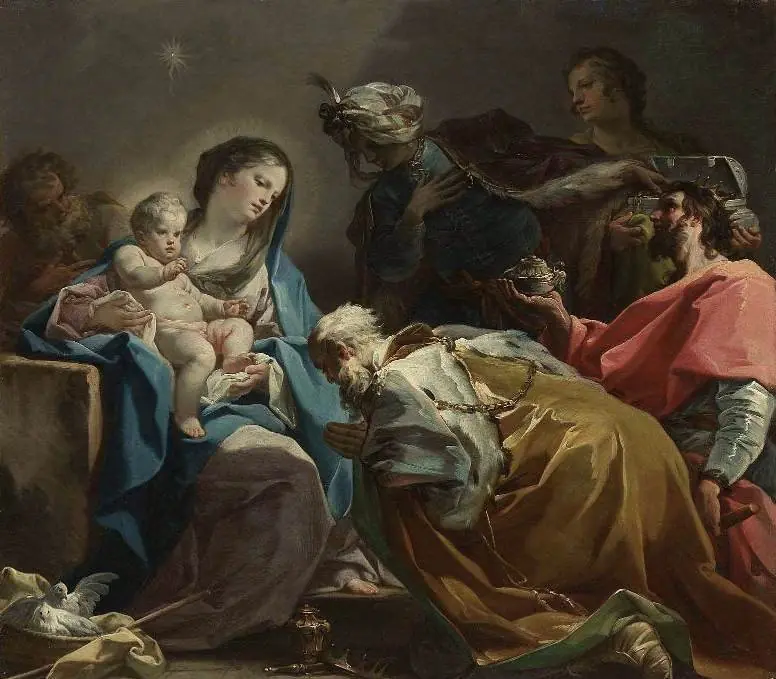 Adoration of the Magi
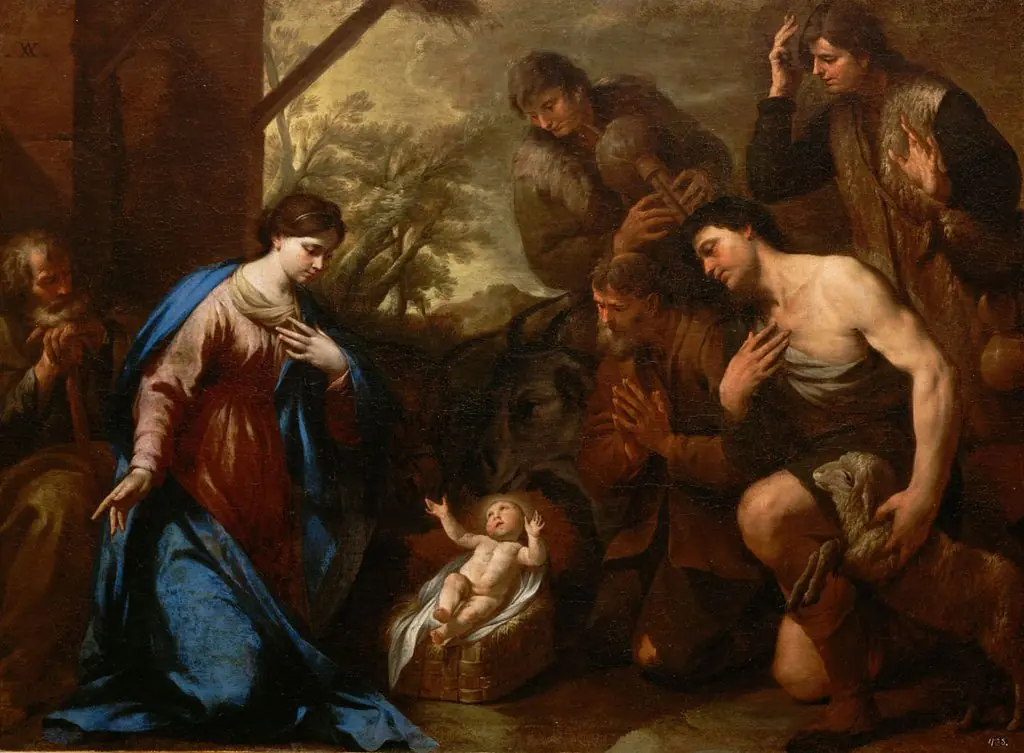 Anbetung der Hirten
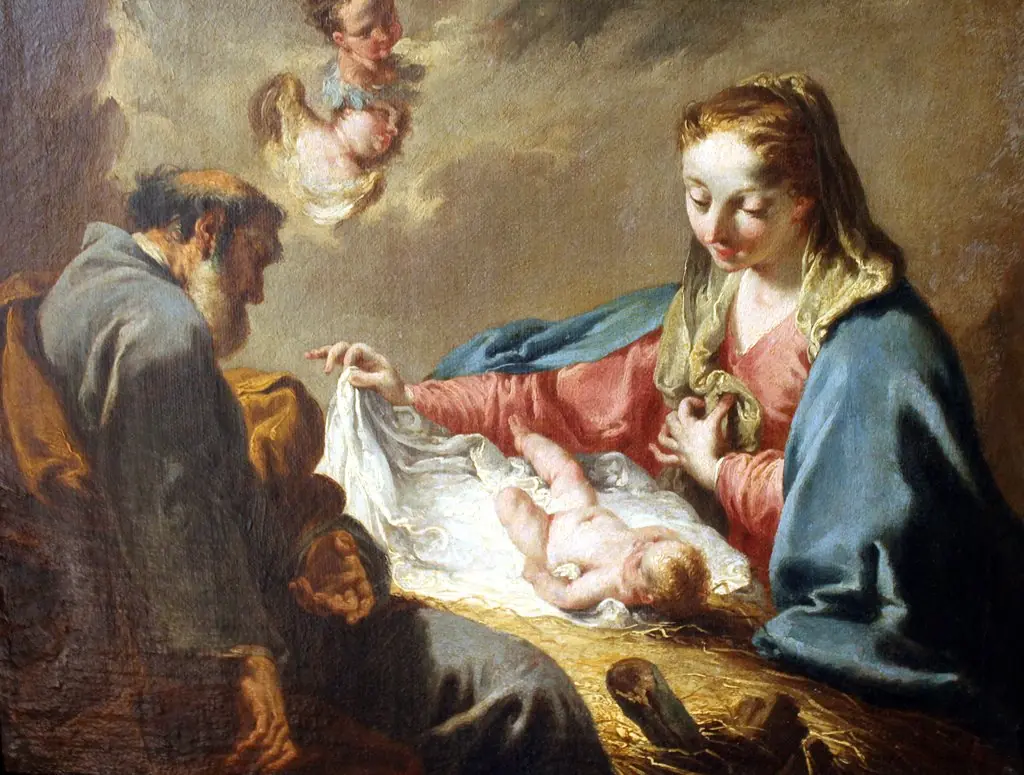 The Nativity