Artwork
El escultor Pedro Collado de Tejada
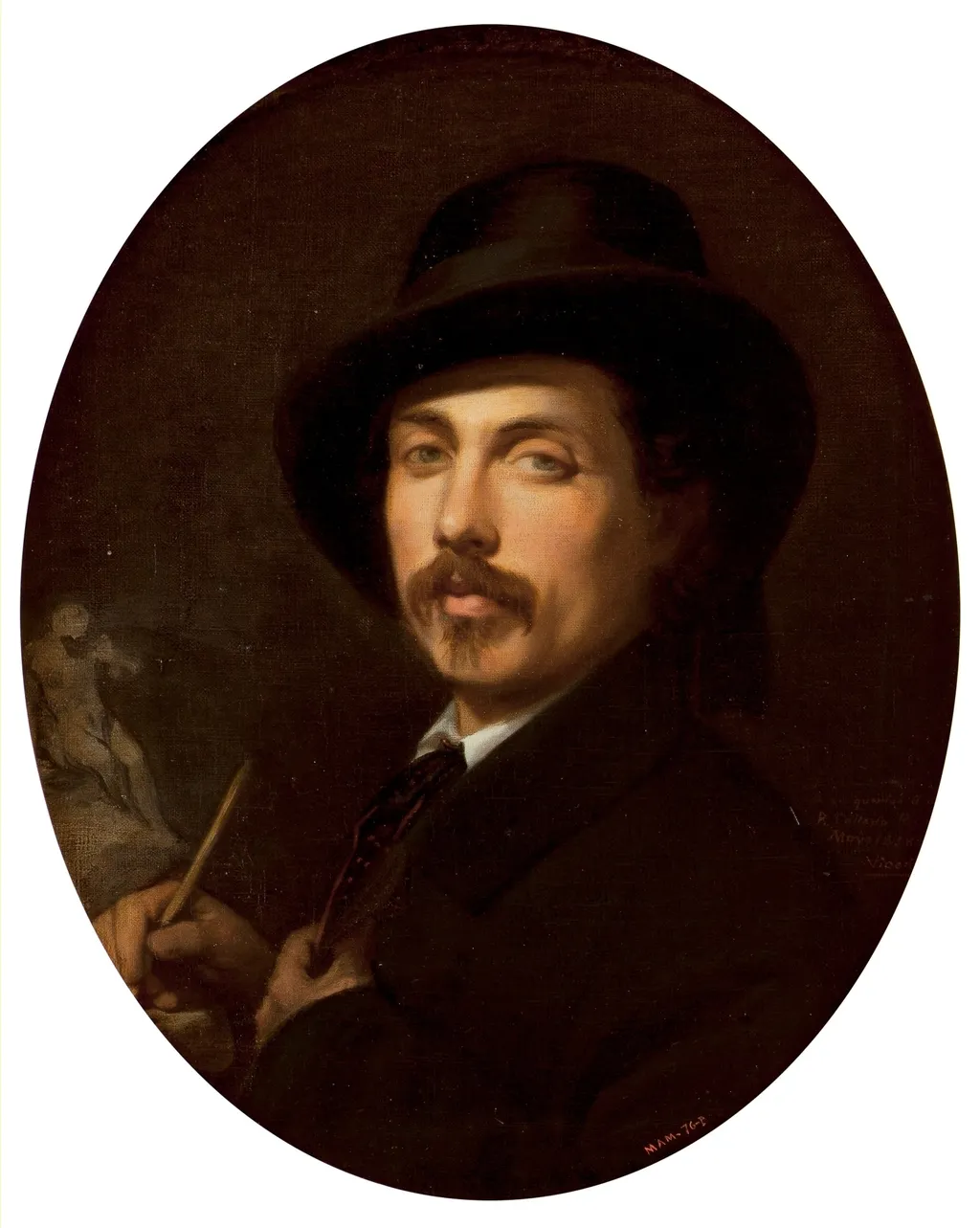
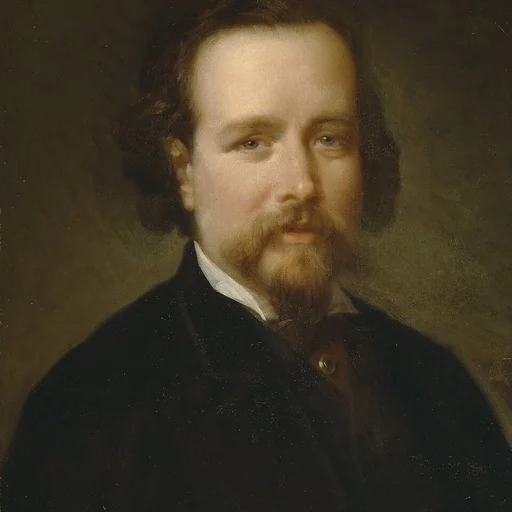
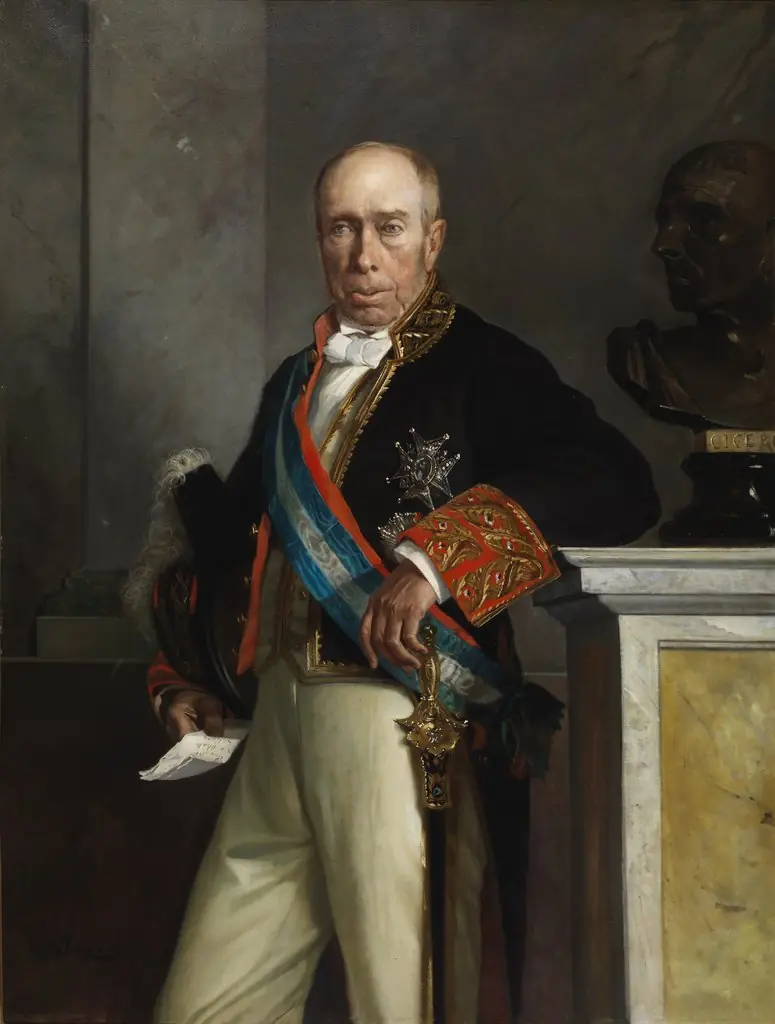
El escultor Pedro Collado de Tejada is an oil painting by the Realist artist Vicente Palmaroli. It dates from 1858 and is held in the collection of the Museo del Prado.
About this work
The artist's use of chiaroscuro, a technique that uses strong contrasts between light and dark, adds depth and dimension to the portrait.
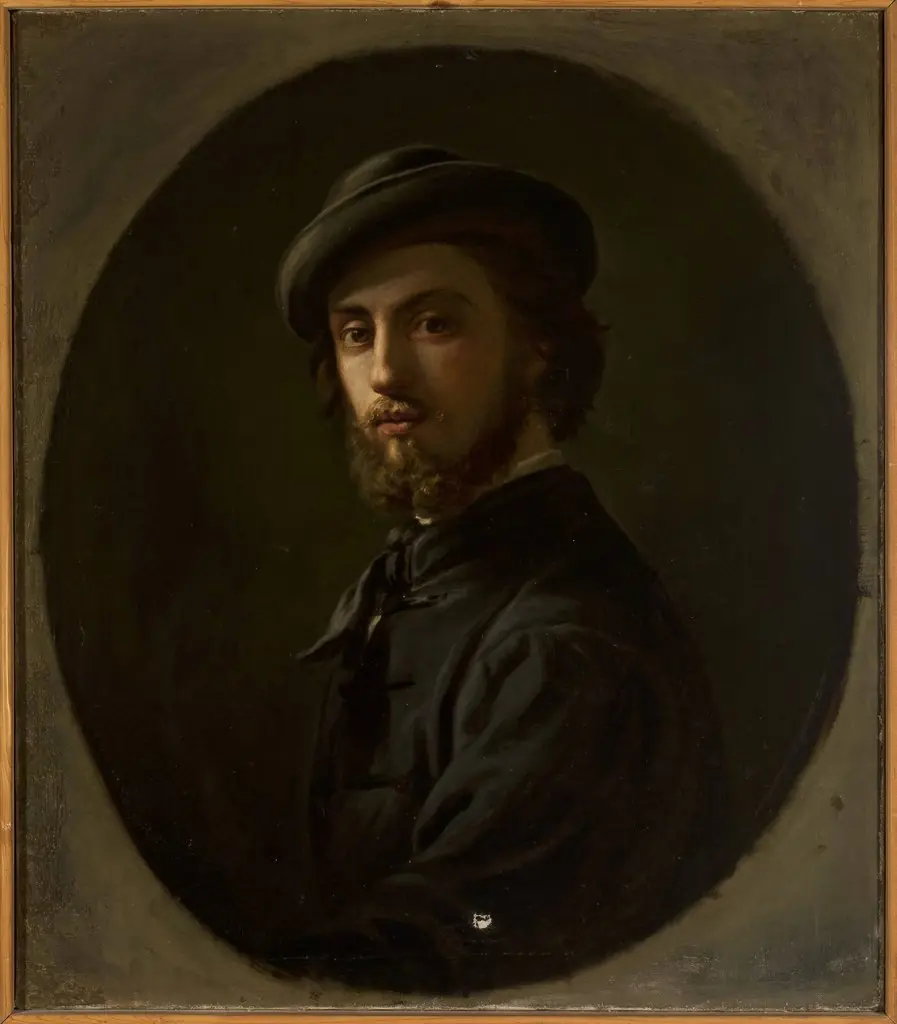
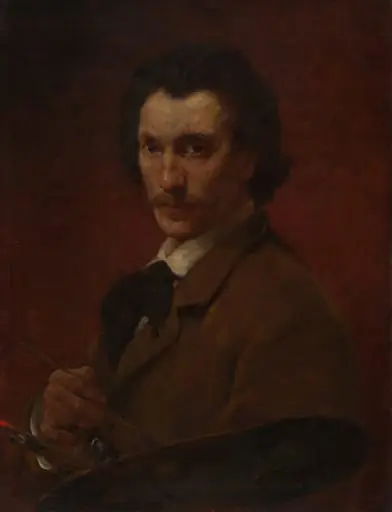
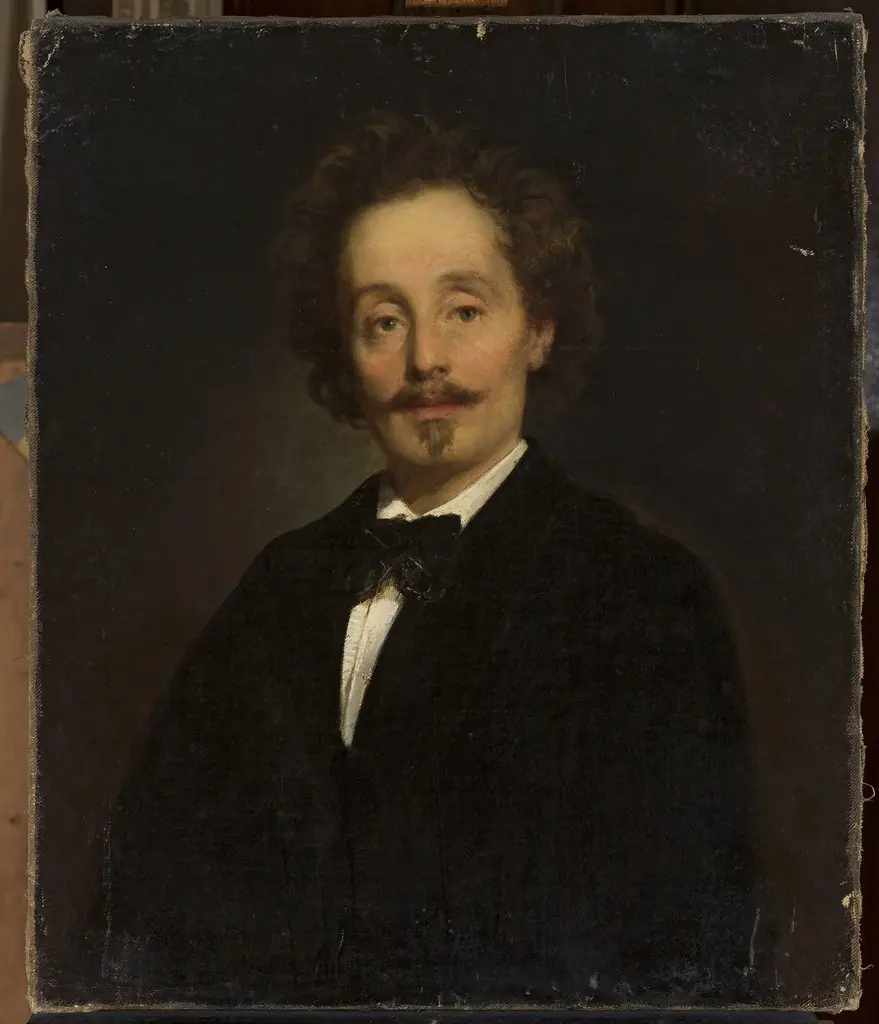
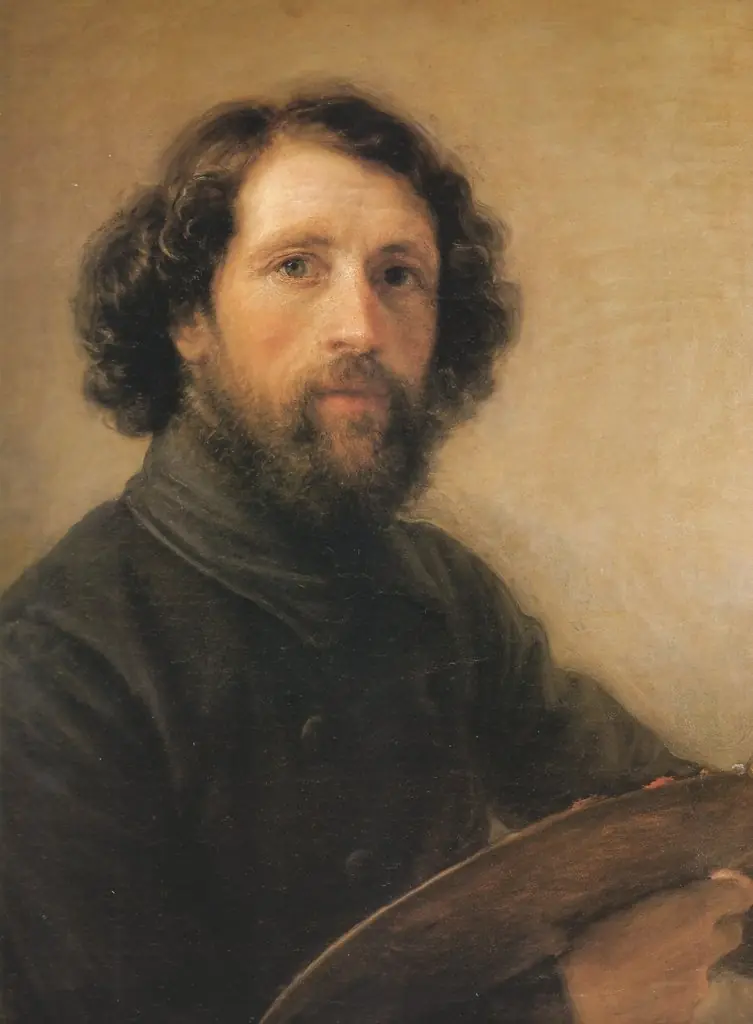
The painting is a portrait of a man in a dark suit and hat, holding a pencil and a piece of paper. He is looking directly at the viewer with a serious expression. The background is dark, which helps the subject stand out.
The man's attire and the style of the painting suggest that it was created in the 19th century. The artist's use of chiaroscuro, a technique that uses strong contrasts between light and dark, adds depth and dimension to the portrait.
If you're interested in learning more about this style of painting, you might want to look up the artist Vicente Palmaroli.
Overview
Painted in 1858 by Vicente Palmaroli, this oil portrait captures Pedro Collado de Tejada, a sculptor known for his work in Spain. The composition focuses tightly on the sitter, set against a deep, unbroken background that isolates him from any contextual detail. Palmaroli’s approach emphasizes presence over narrative, rendering the subject with quiet intensity through controlled lighting and restrained color.
Subject & Meaning
Pedro Collado de Tejada is portrayed not as an idealized figure, but as a working artist: dressed in formal 19th-century attire, he holds a pencil and a sheet of paper, tools of his craft. His direct gaze invites the viewer into a moment of quiet contemplation, suggesting the intellectual labor behind sculpture. The absence of his work in the frame shifts focus to the mind behind it—emphasizing the artist as thinker, not just maker.
Technique & Style
Palmaroli employs chiaroscuro to model the sculptor’s face and hands, using sharp contrasts between shadow and light to create volume and texture. The dark suit and hat absorb ambient light, while the face and paper catch subtle highlights, guiding the eye. Brushwork is precise but not overly refined, balancing realism with a sense of immediacy. The muted palette reinforces the portrait’s solemn tone.
History & Provenance
The painting entered the collection of the Museo del Prado in the 19th century, likely acquired as part of efforts to document Spanish artistic figures of the era. Its preservation reflects institutional interest in portraying artists of the period, not merely their finished works. No significant alterations or restorations are recorded, and it has remained in the museum’s care since its acquisition.
Context
In mid-19th century Spain, portraiture of artists was increasingly used to affirm cultural identity and professional dignity. Palmaroli, trained in Rome and active in Madrid, was part of a generation bridging academic tradition and emerging realism. This portrait aligns with broader European trends of depicting creative individuals with psychological depth, moving beyond mere likeness toward character study.
Legacy
The painting endures as a quiet testament to the dignity of artistic labor in 19th-century Spain. While not widely reproduced, it remains a key example of Palmaroli’s portraiture and a rare visual record of Collado de Tejada, whose sculptural output is less documented. It contributes to the Prado’s broader narrative of Spanish artistic identity through its unembellished, introspective tone.
Artist & collection