Artwork
Catherine II (1729-96), Empress of Russia
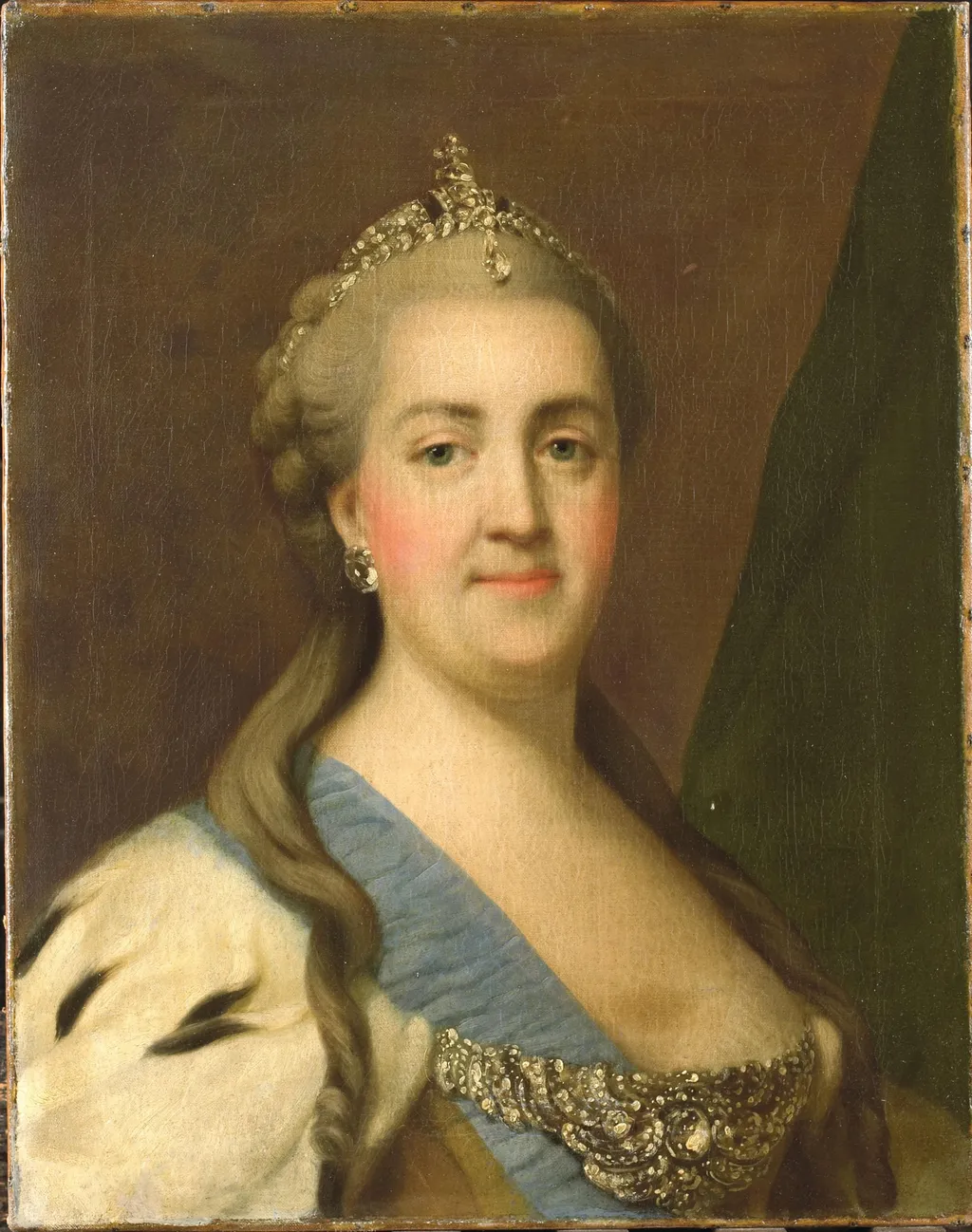
Catherine II (1729-96), Empress of Russia is an unspecified painting by the Rococo painting artist Vigilius Eriksen. It dates from 1766 and is held in the collection of the Rijksmuseum. The work depicts a young Catherine, later Empress of Russia, presented in profile with a dark gown and a jeweled crown.
About this work
Overview
The work depicts a young Catherine, later Empress of Russia, presented in profile with a dark gown and a jeweled crown. The composition focuses on her bust, turning slightly toward the viewer, and conveys a composed, restrained demeanor despite the glittering adornments.
Subject & Meaning
Catherine is shown before her accession, emphasizing her noble status through regal attire while her calm expression suggests an inner poise or concealed intention. The portrait functions as a statement of lineage and authority, presenting the future ruler in a dignified, almost introspective manner.
Technique & Style
Executed in oil on canvas, the painting employs a subdued palette for the dress contrasted with the bright sparkle of the diamond crown. The brushwork renders the fabric’s texture and the subtle modeling of the face, while the limited background keeps attention on the sitter’s head and shoulders.
History & Provenance
Created during Catherine’s youth, the portrait predates her coronation as Empress. The artist’s identity remains unknown, as no signature is present. The piece is part of the Rijksmuseum’s collection of royal portraiture, where it is displayed alongside other European court images.
Artist & collection
Artist
Vigilius Eriksen (2 September 1722 in Copenhagen – 25 May 1782 in Rungstedgård) was a Danish painter. He was the royal portraitist to Christian VI of Denmark.

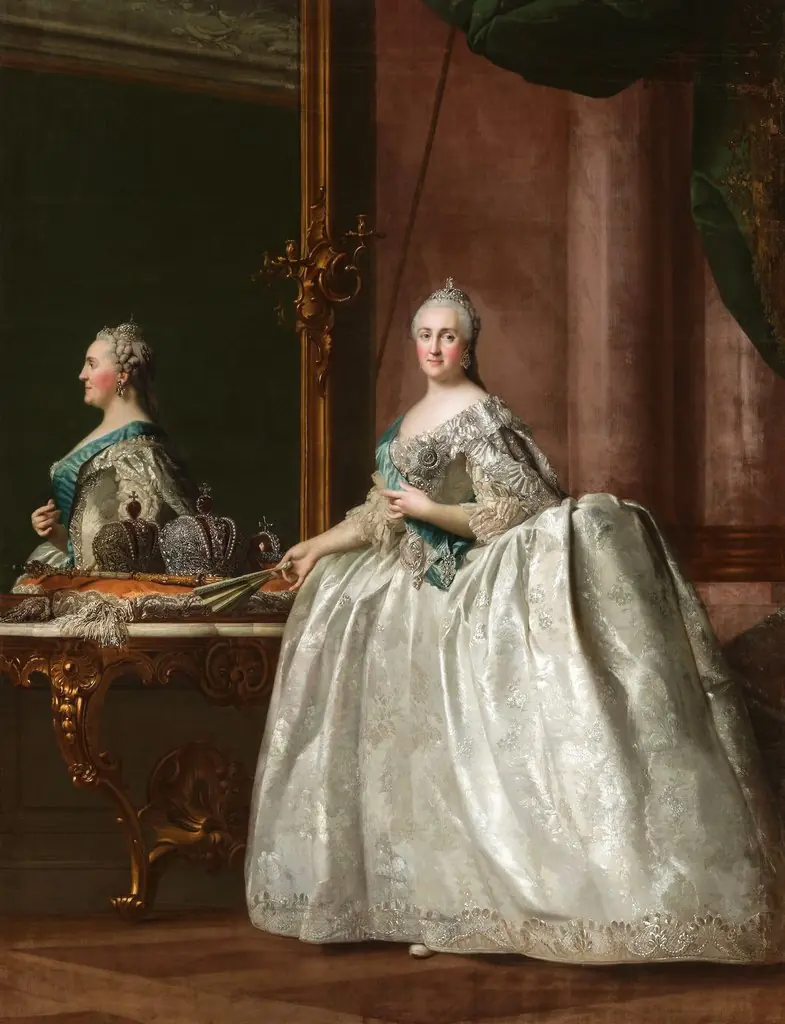 Portrait of Catherine II in front of a Mirror
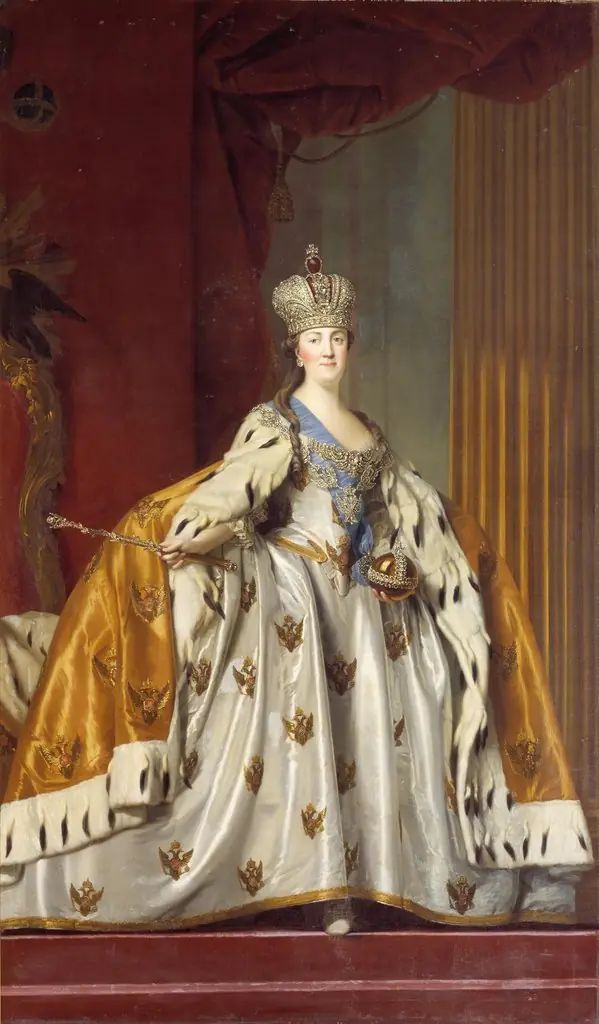 Catherine II, Empress of Russia (1729-1796)
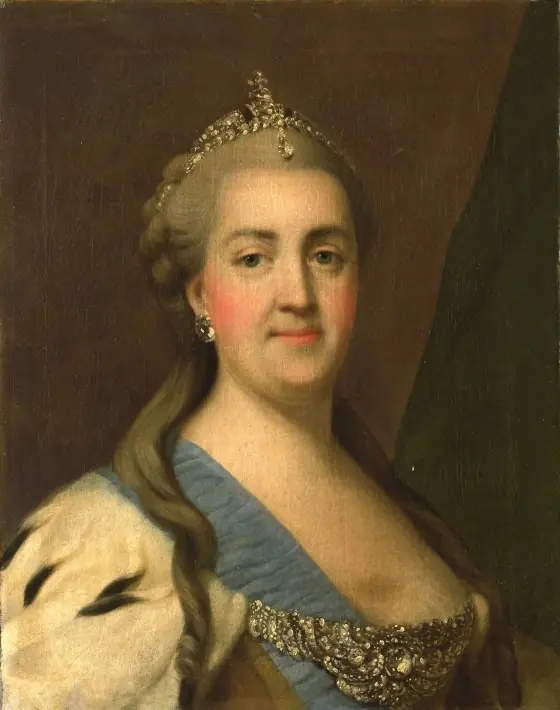 Portrait of Catherine II (1729-96), empress of Russia
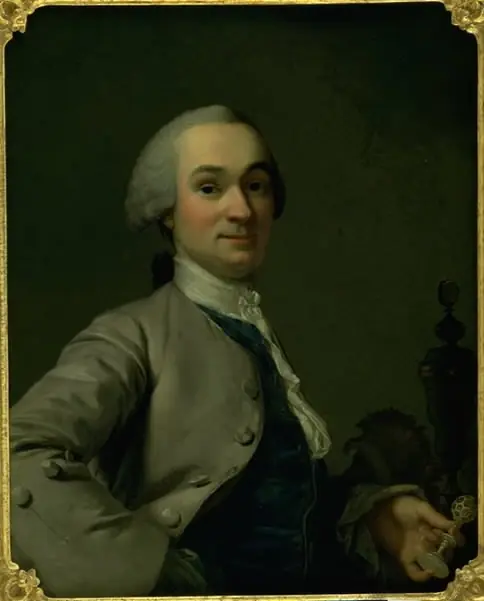 Portrait of Lorenz Spengler, Ivory Turner and Curator of the Royal Danish Kunstkammer
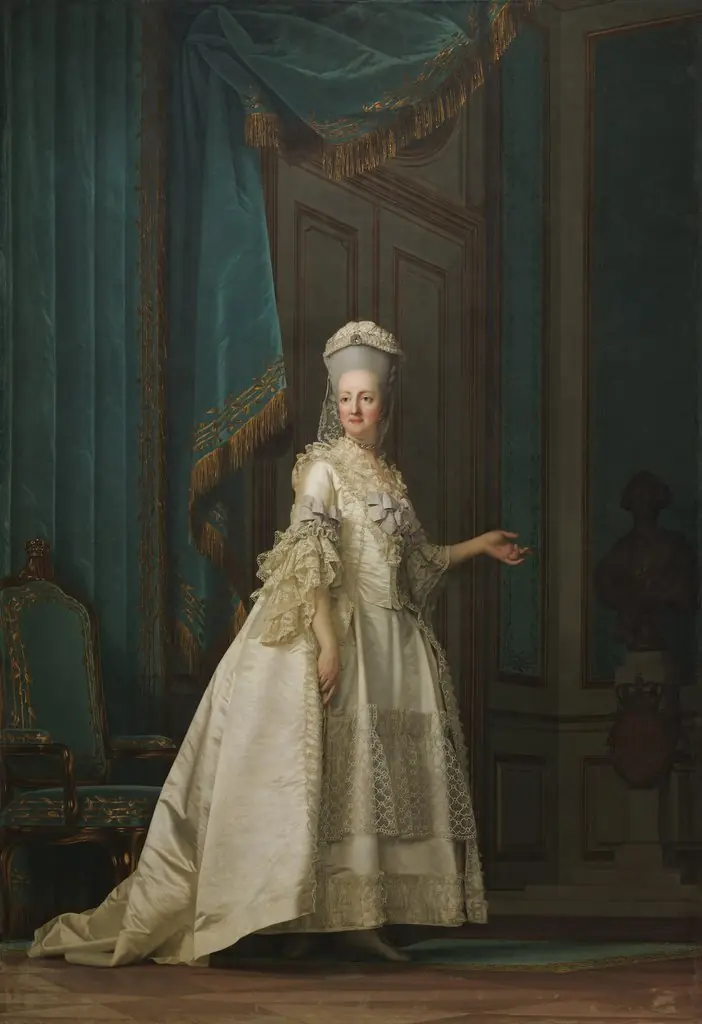 The Queen Dowager Juliane Marie
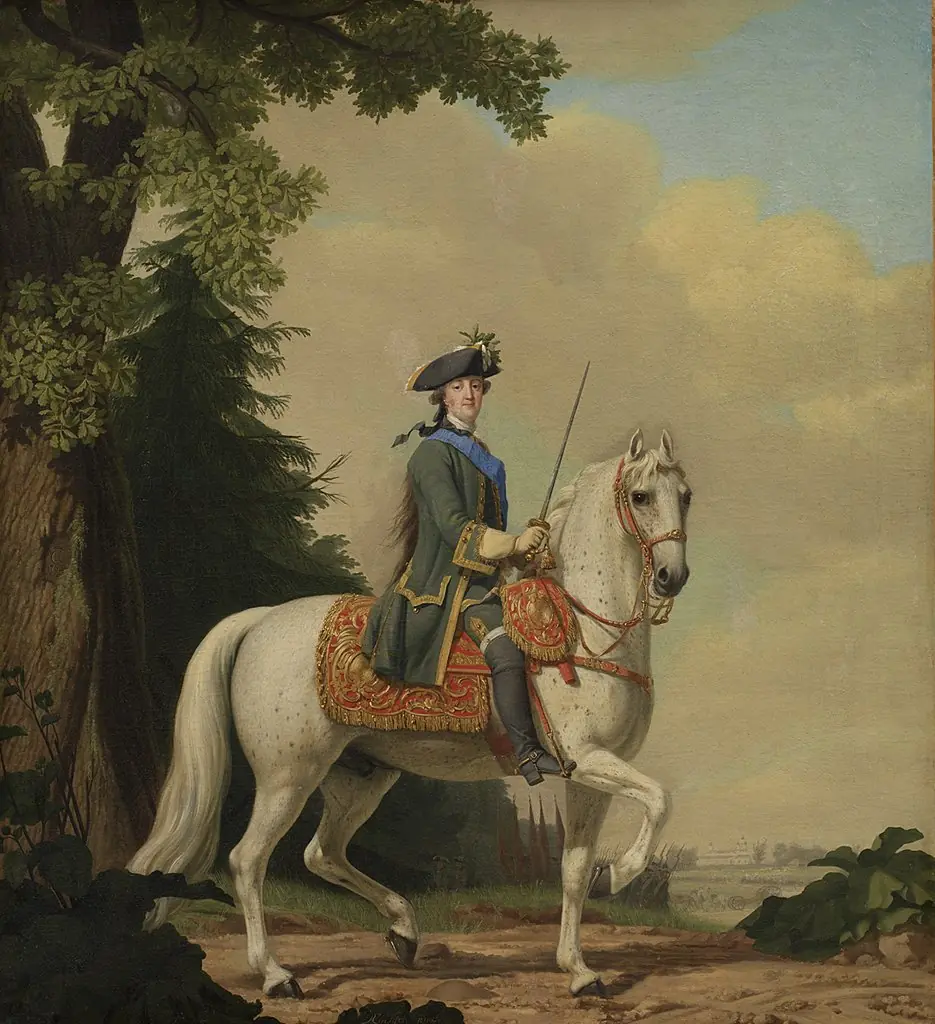 Catharina II of Russia and her stallion Brillante
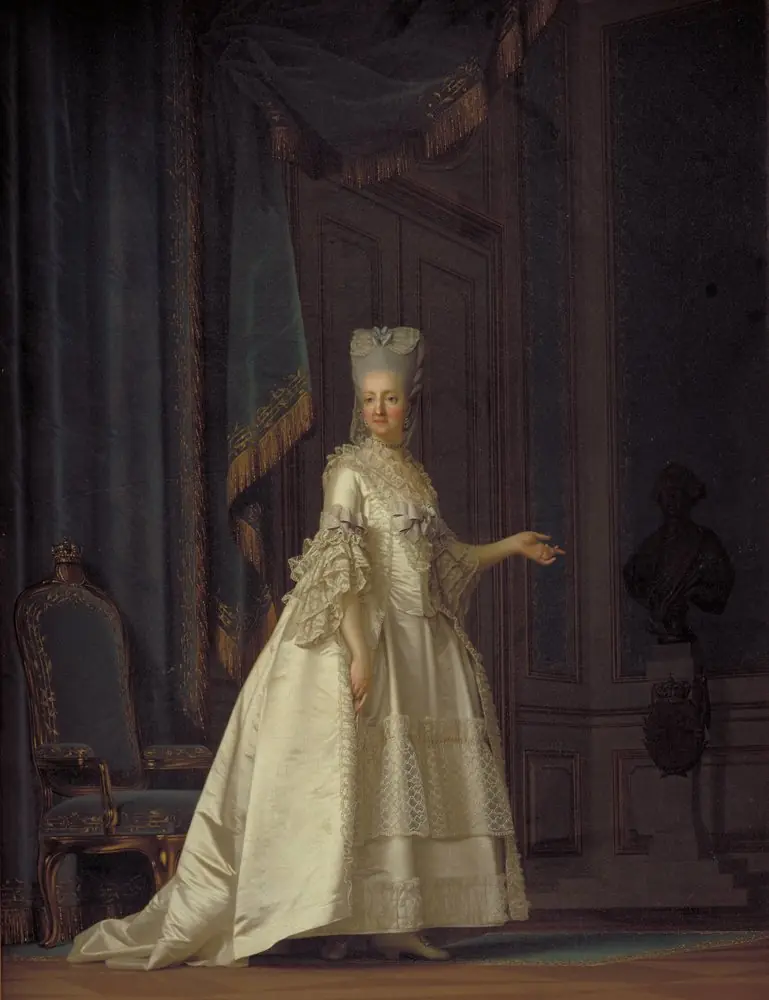 The Dowager Queen Juliane Marie of Denmark
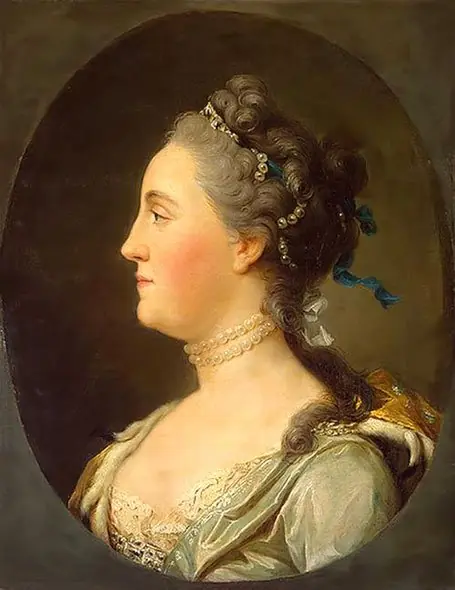 Portrait of Catherine II in Profile
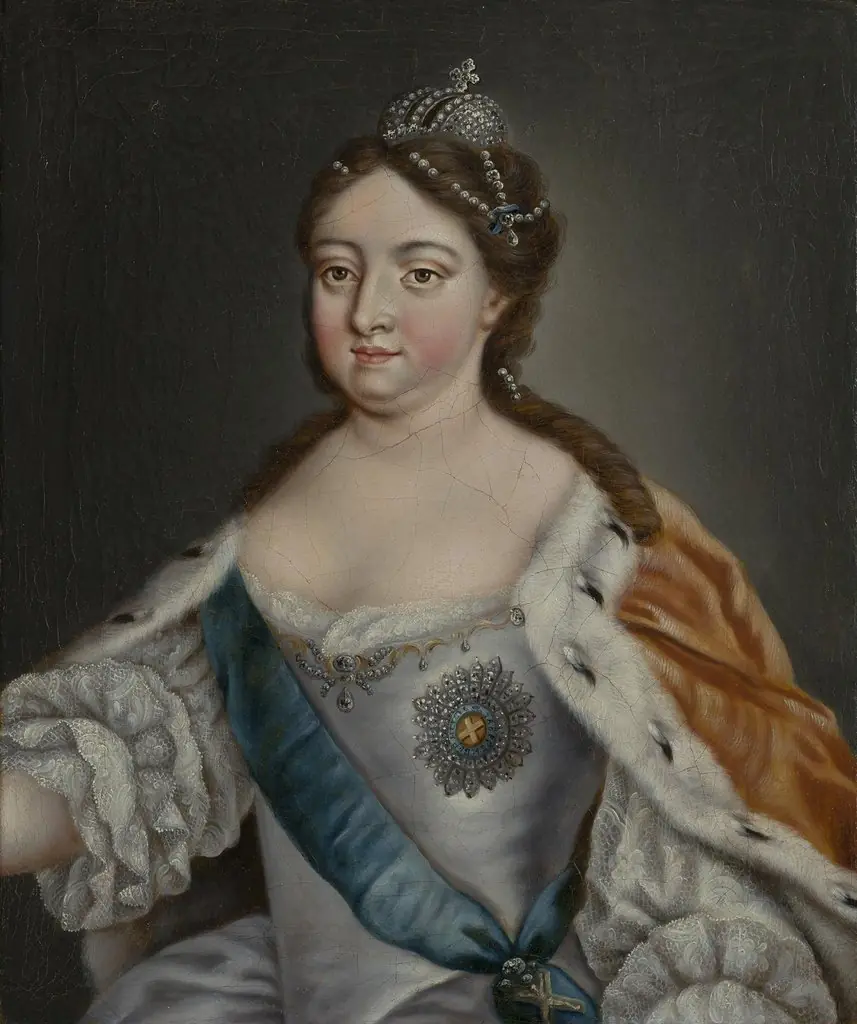 Portrait of Empress Anna Ioannovna
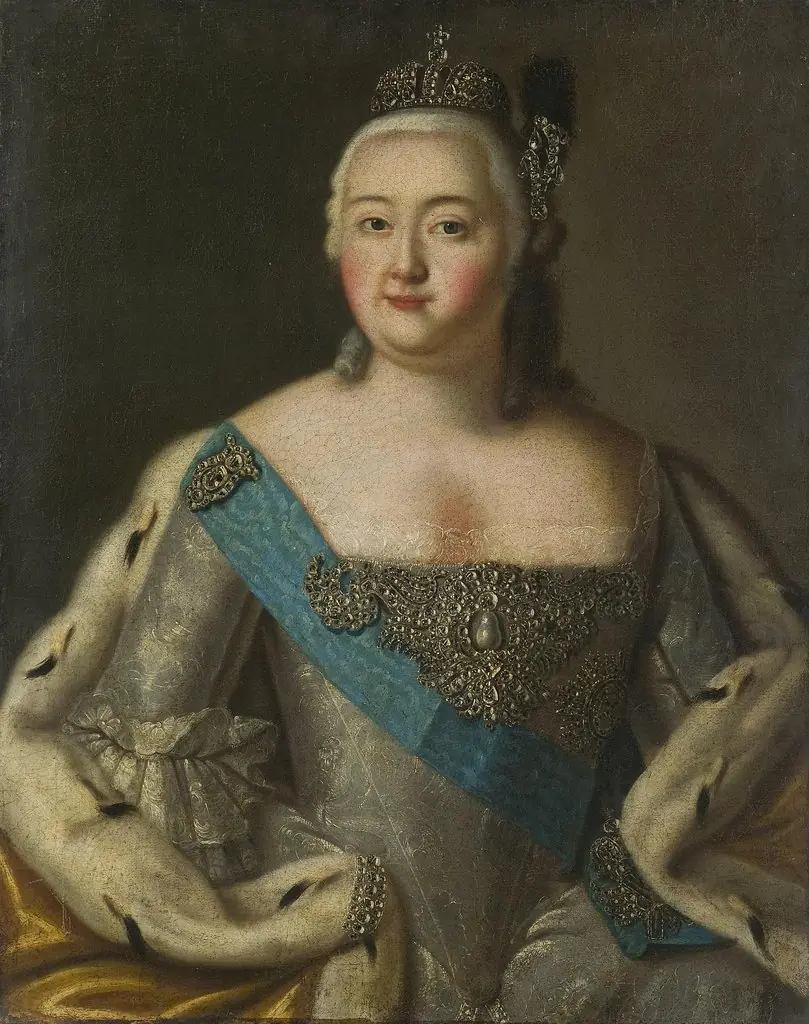 Portrait of Empress Elizabeth Petrovna
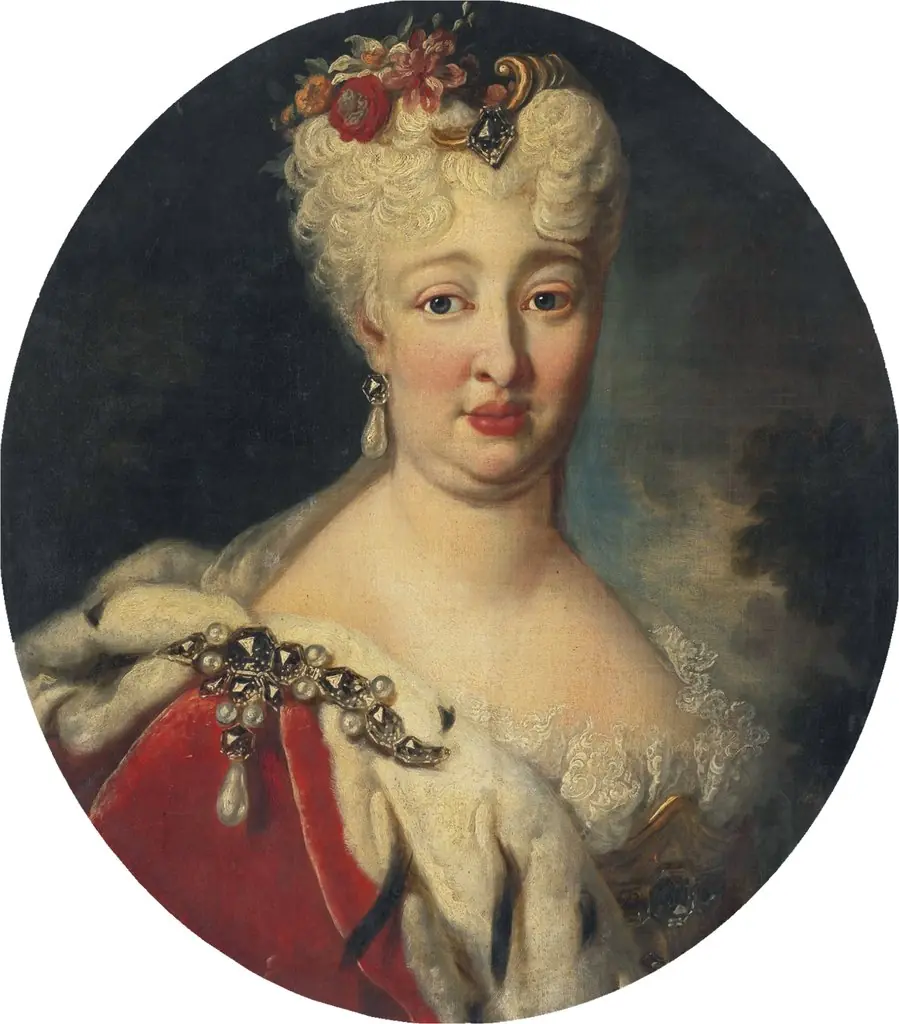 Portrait of Countess Palatine Elisabeth Auguste Sofie of Neuburg (1693 - 1728)
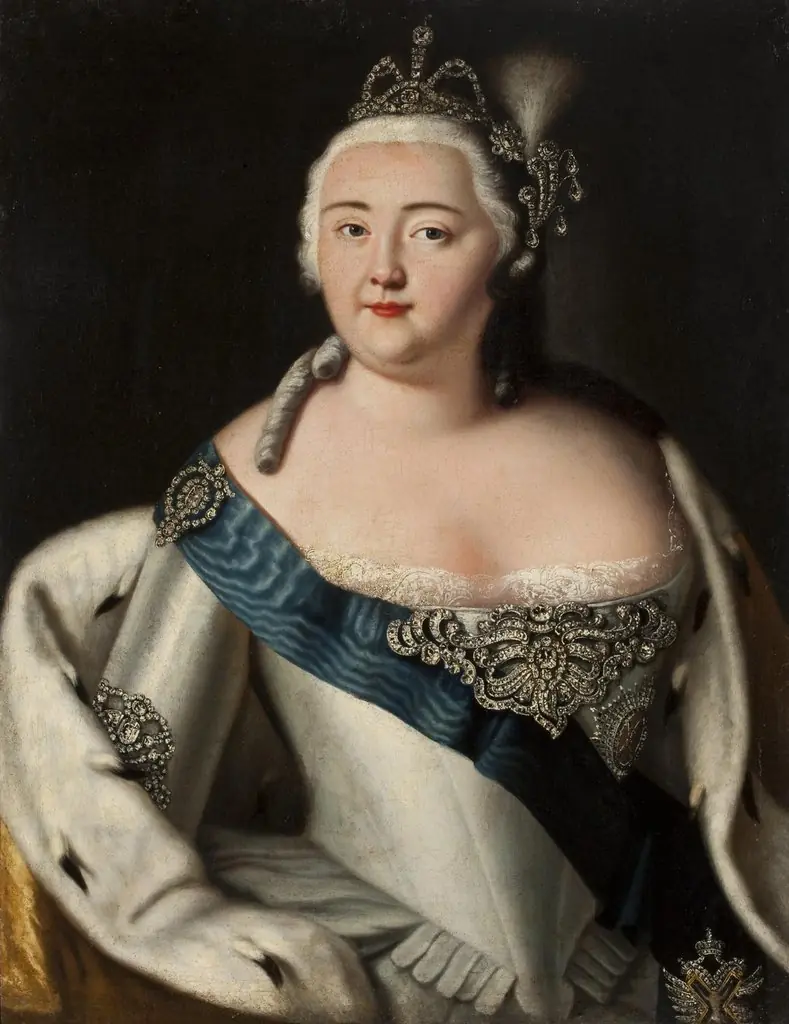 Portrait of Elizaveta Petrovna
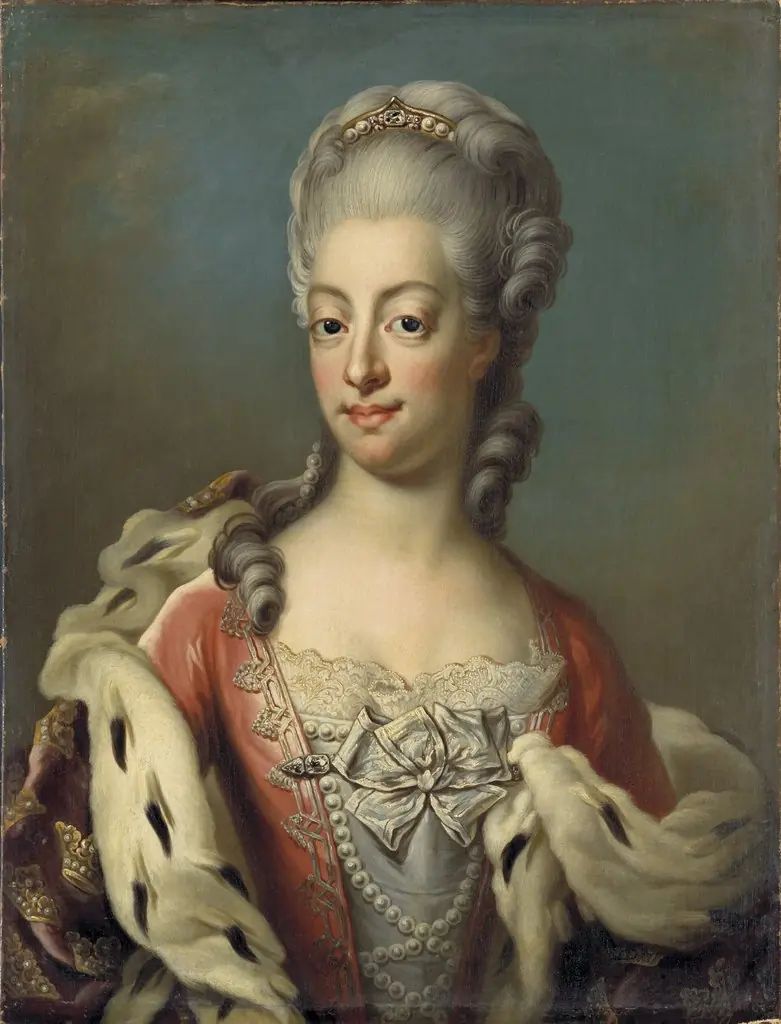 Sofia Magdalena, 1746-1813, Prinsessa av Danmark, drottning av Sverige
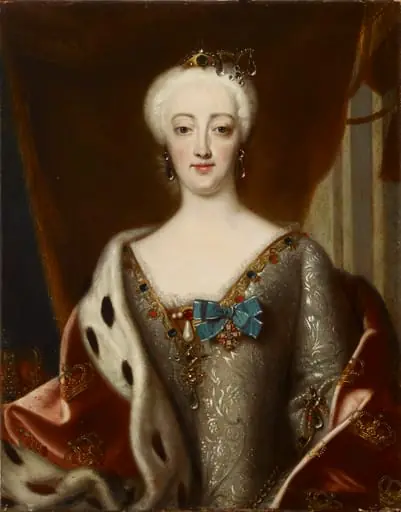 Tanskan kuningatar Sofia Magdalena
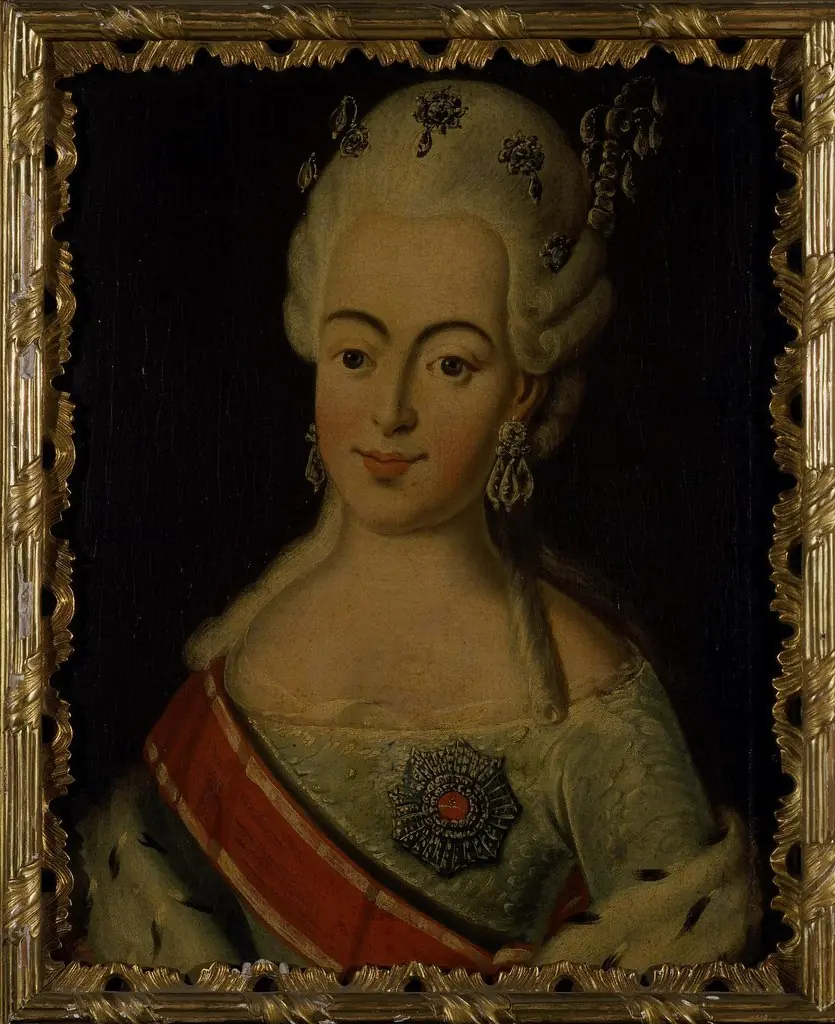 Portrait of Grand Duchess Natalya Alexeyevna