Artwork
Bank of the Oise at Auvers
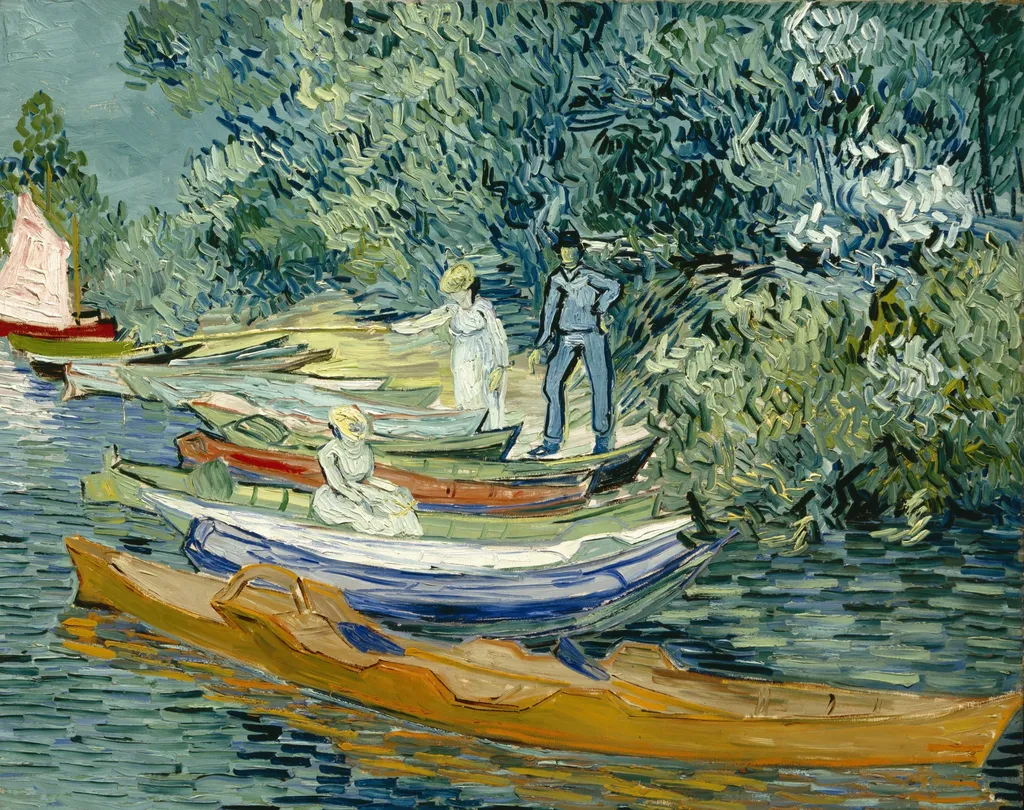
Bank of the Oise at Auvers is an oil painting by the Post-Impressionist artist Vincent van Gogh. It dates from 1890 and is held in the collection of the Detroit Institute of Arts.
About this work
Overview
Vincent van Gogh’s 1890 oil painting titled *Bank of the Oise at Auvers* presents a quiet riverside landscape. The composition centers on a tranquil stretch of water bordered by foliage, with a solitary rowboat and a few figures either standing on the bank or navigating the river. The work is part of the Detroit Institute of Arts’ collection.
Subject & Meaning
The scene captures a moment of peaceful leisure along the Oise River near Auvers, emphasizing the simple pleasures of rural life. The presence of a lone boat and scattered figures suggests a quiet, contemplative atmosphere, inviting viewers to consider the calm that can be found in everyday natural settings.
Technique & Style
Van Gogh employs his characteristic vigorous brushwork, laying thick impasto layers that give the surface a tactile quality. A palette of greens and blues dominates, punctuated by warm yellow and orange accents that highlight the boat and foliage. The expressive strokes convey movement within the stillness, reinforcing the painting’s serene mood.
History & Provenance
Created during the final year of van Gogh’s life, the painting was completed in 1890 while he was residing in Auvers-sur-Oise. It later entered the collection of the Detroit Institute of Arts, where it remains on display, representing a late period work that reflects his mature style.
Own this work as a print
Artist & collection
Artist
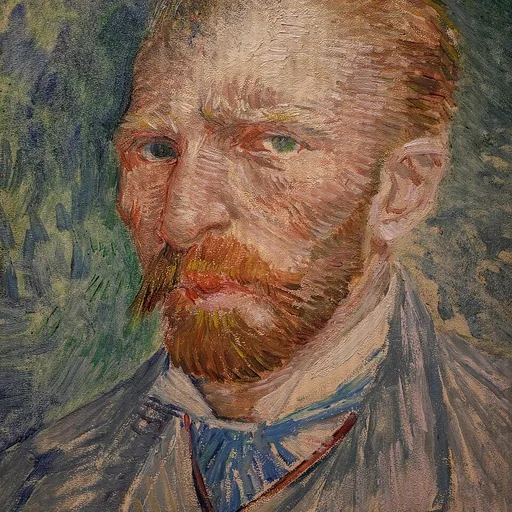
Vincent Willem van Gogh was a Dutch Post-Impressionist painter who is among the most famous and influential figures in the history of Western art.

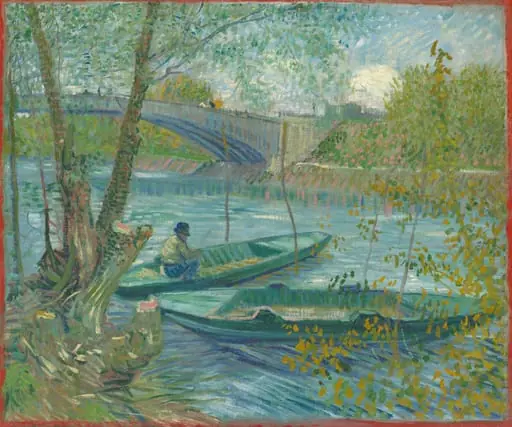 Fishing in Spring, the Pont de Clichy (Asnières)
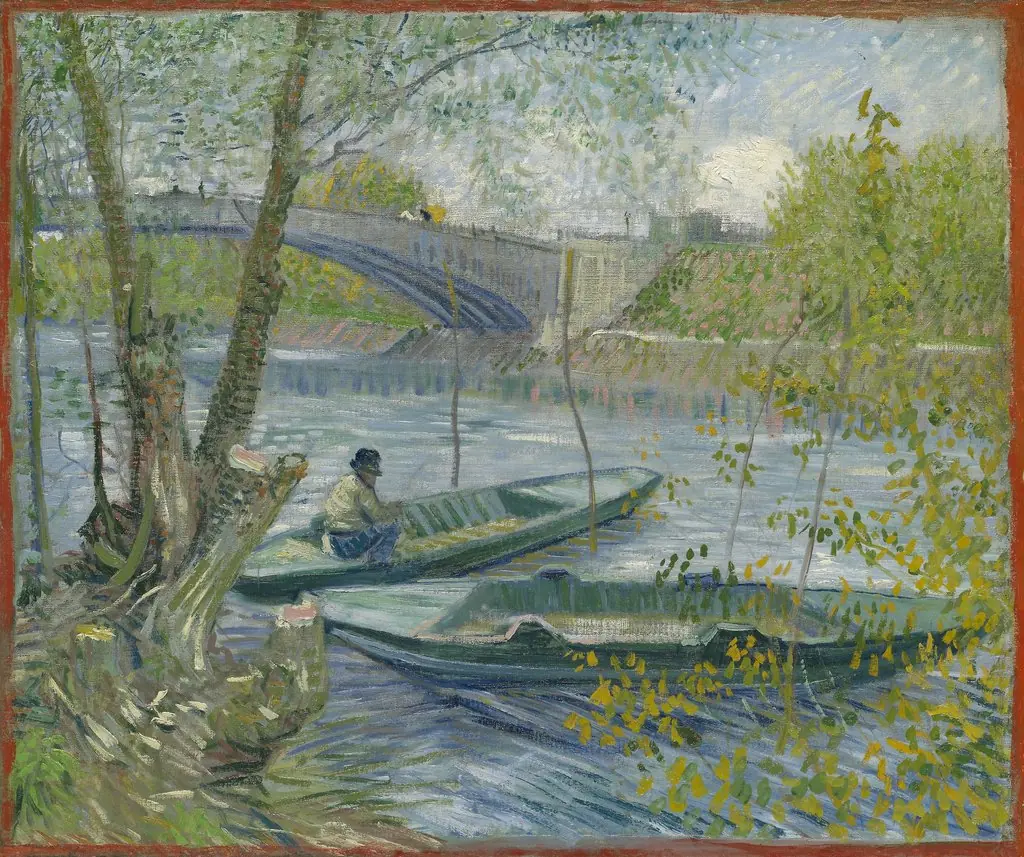 Fishing in Spring, the Pont de Clichy (Asnières)
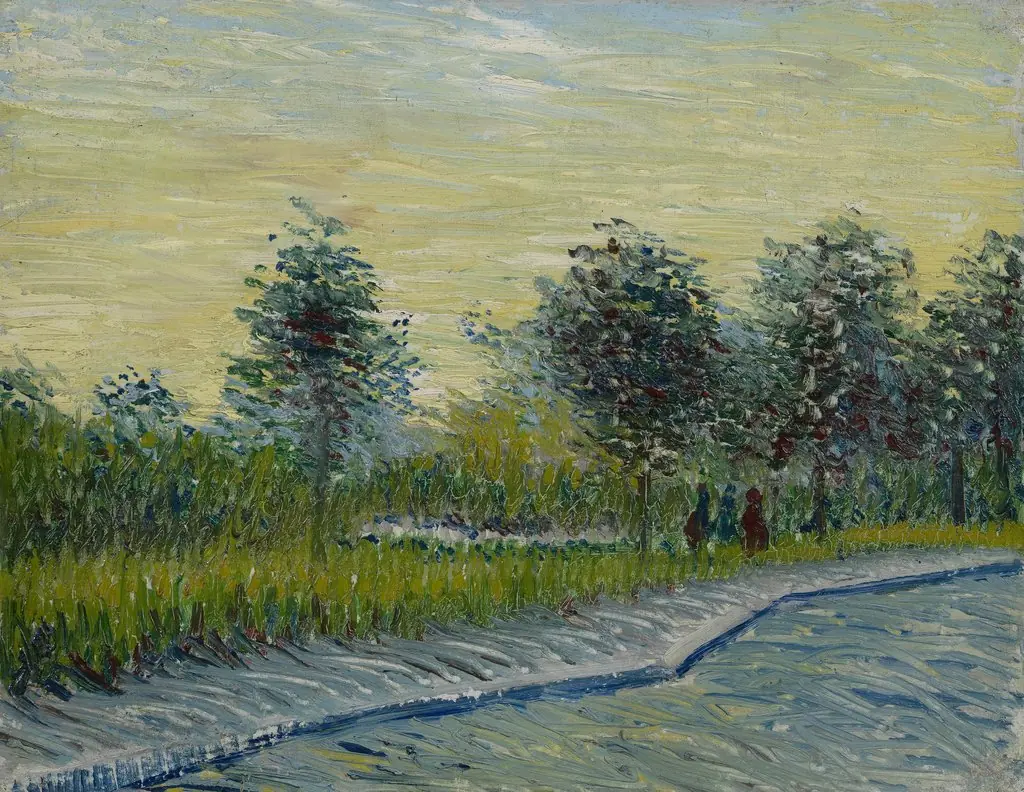 Square Saint-Pierre at Sunset
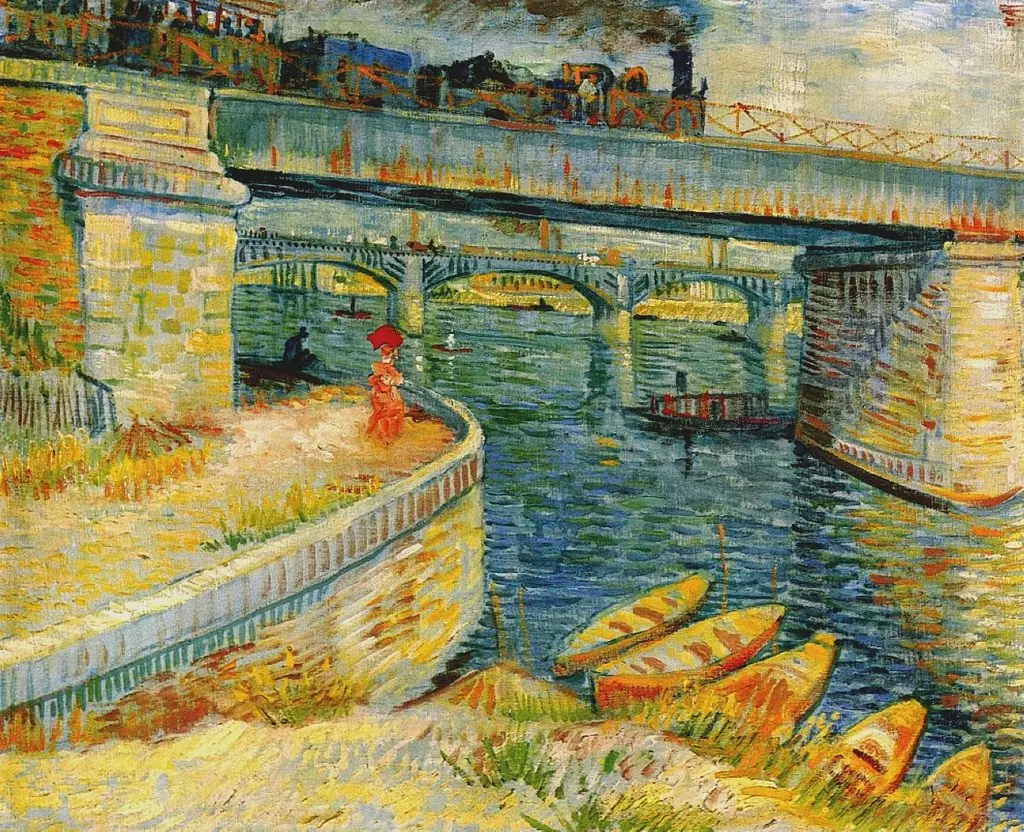 Bridges across the Seine at Asnieres
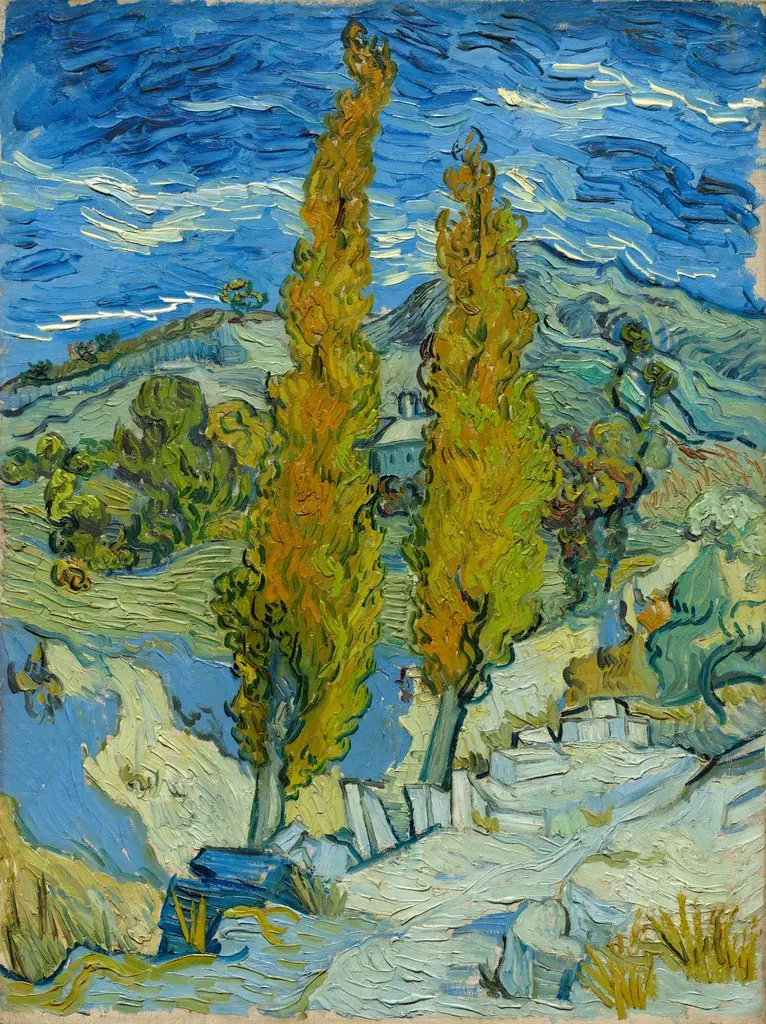 Two Poplars in the Alpilles near Saint-Rémy
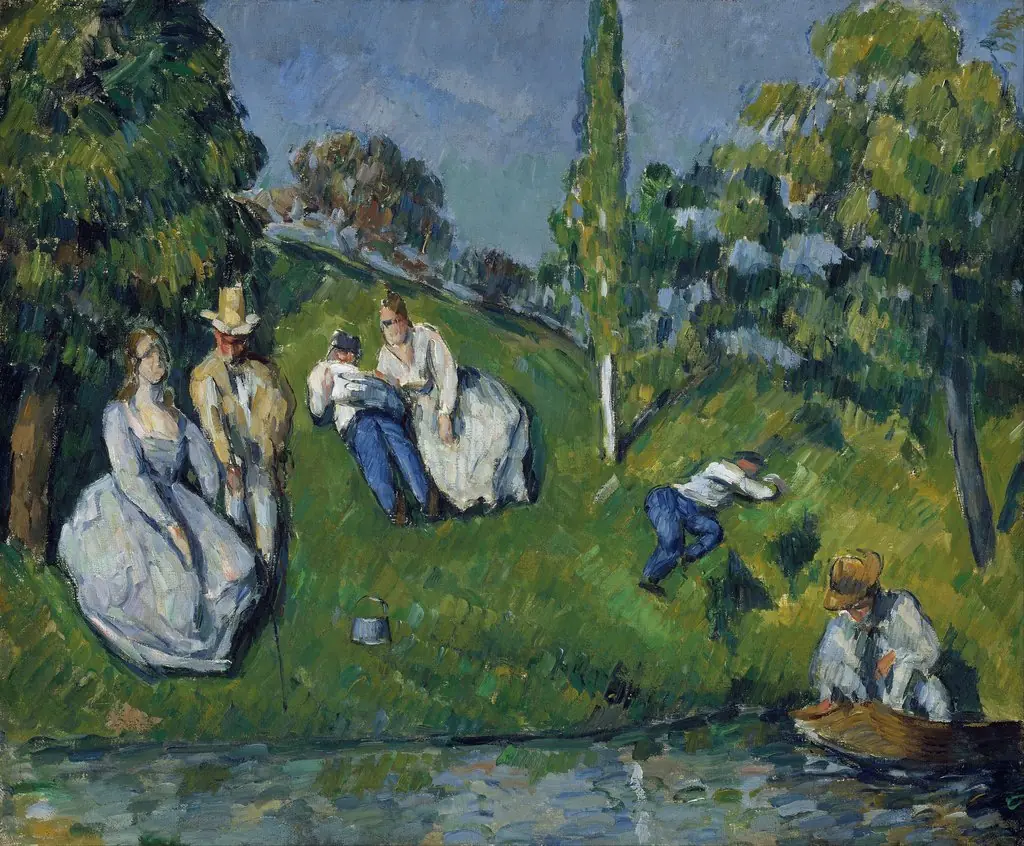 Au bord de l'étang (The Pond)
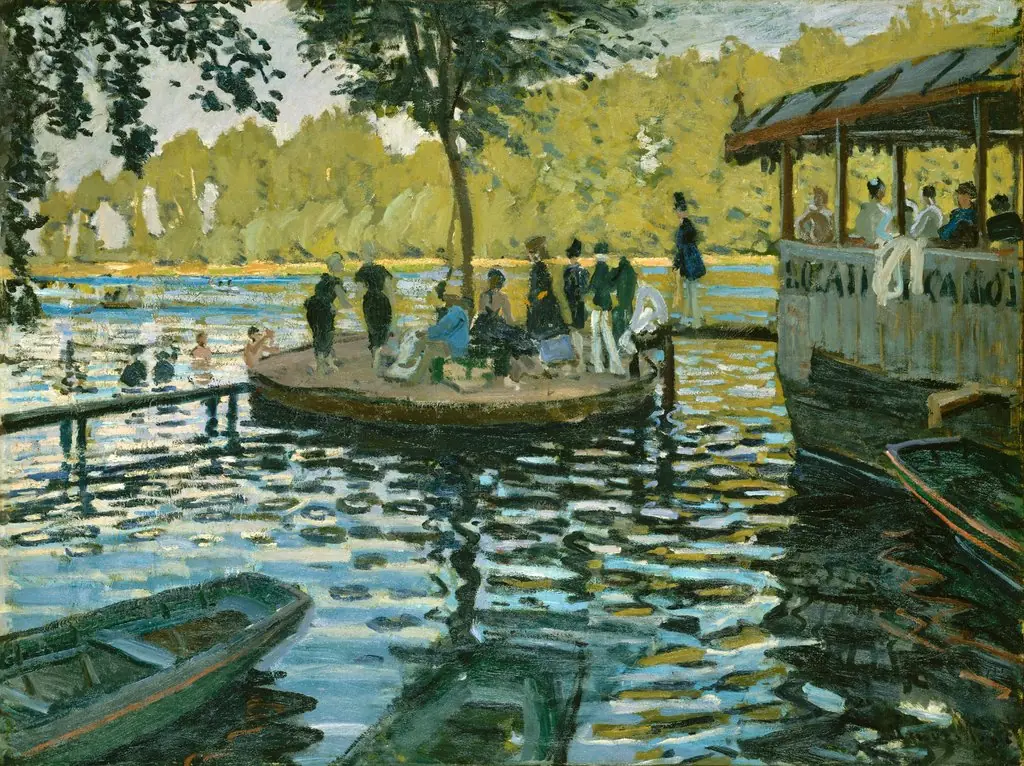 La Grenouillère
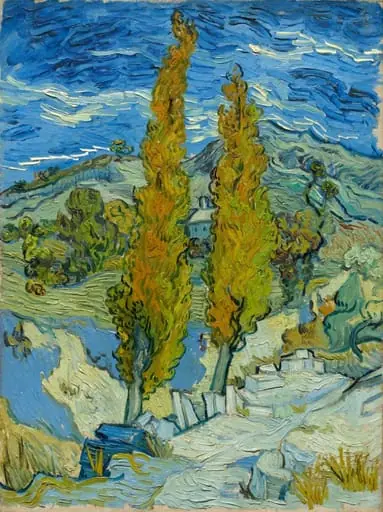 Two Poplars in the Alpilles near Saint-Rémy
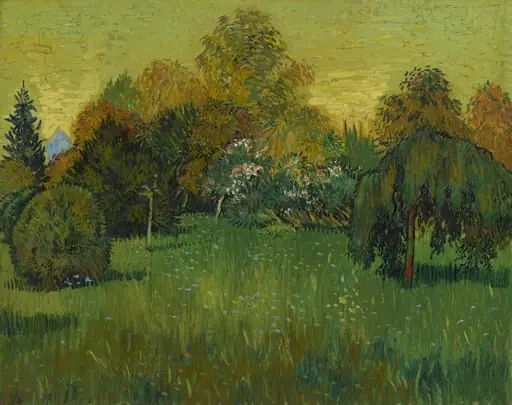 The Poet's Garden
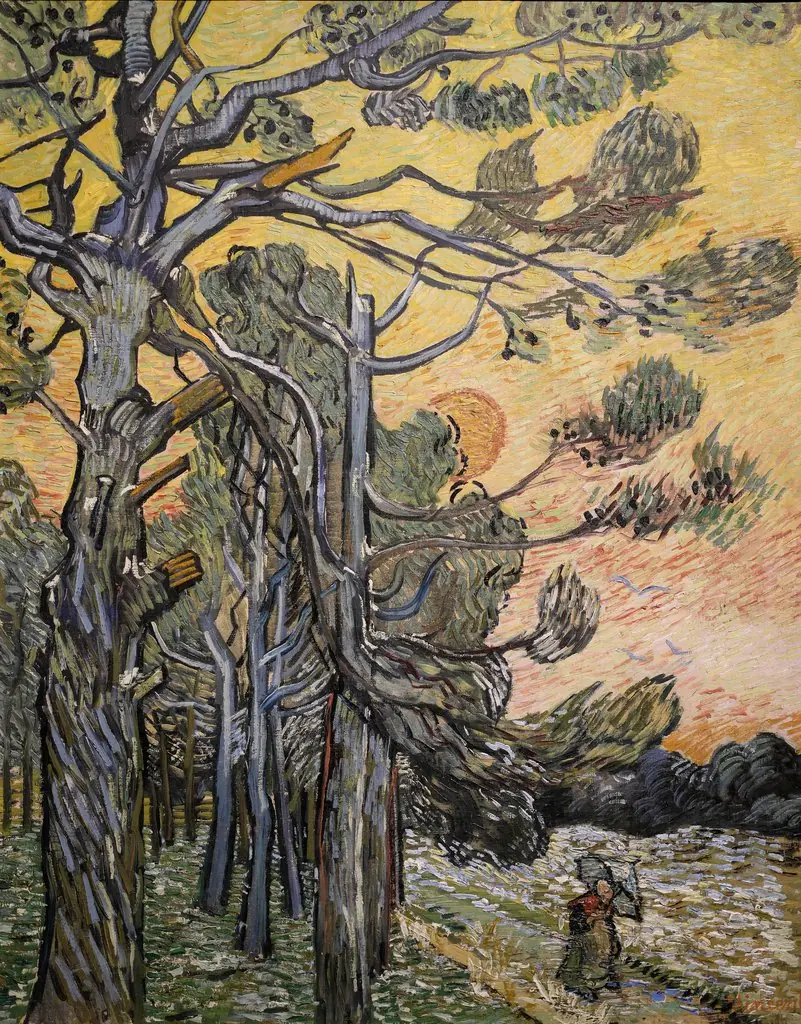 Pine Trees against a Red Sky with Setting Sun