Artwork
Orchard in Blossom, Bordered by Cypresses
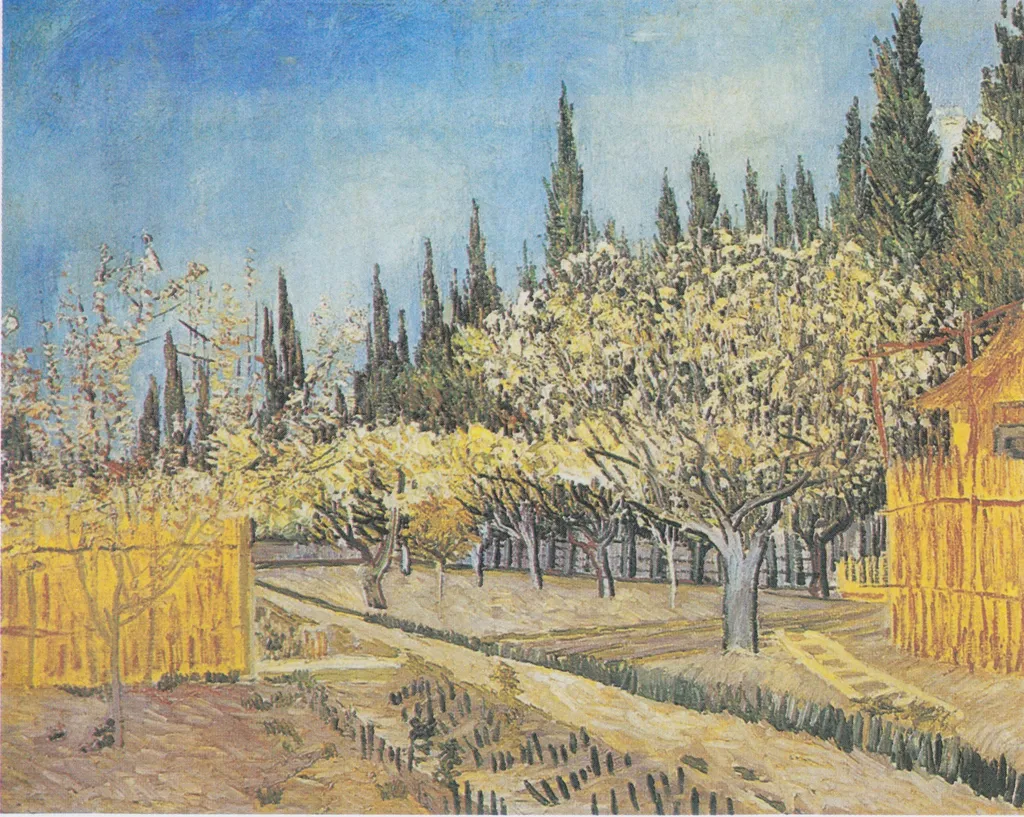
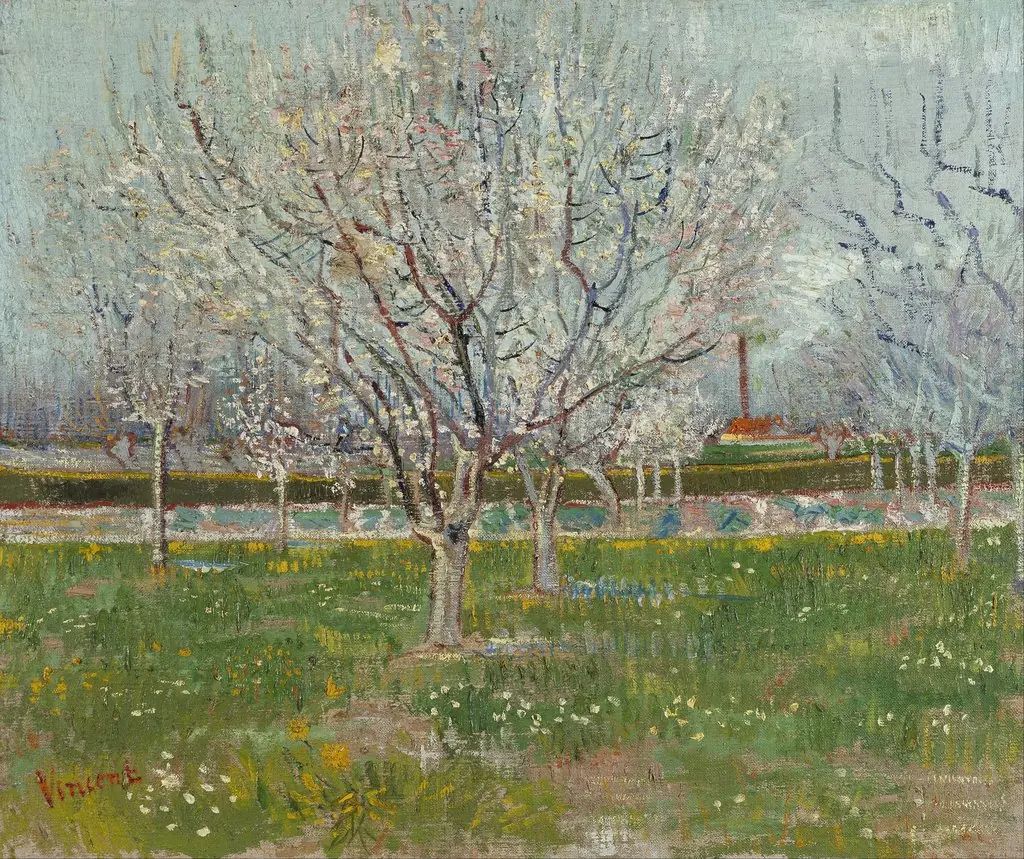
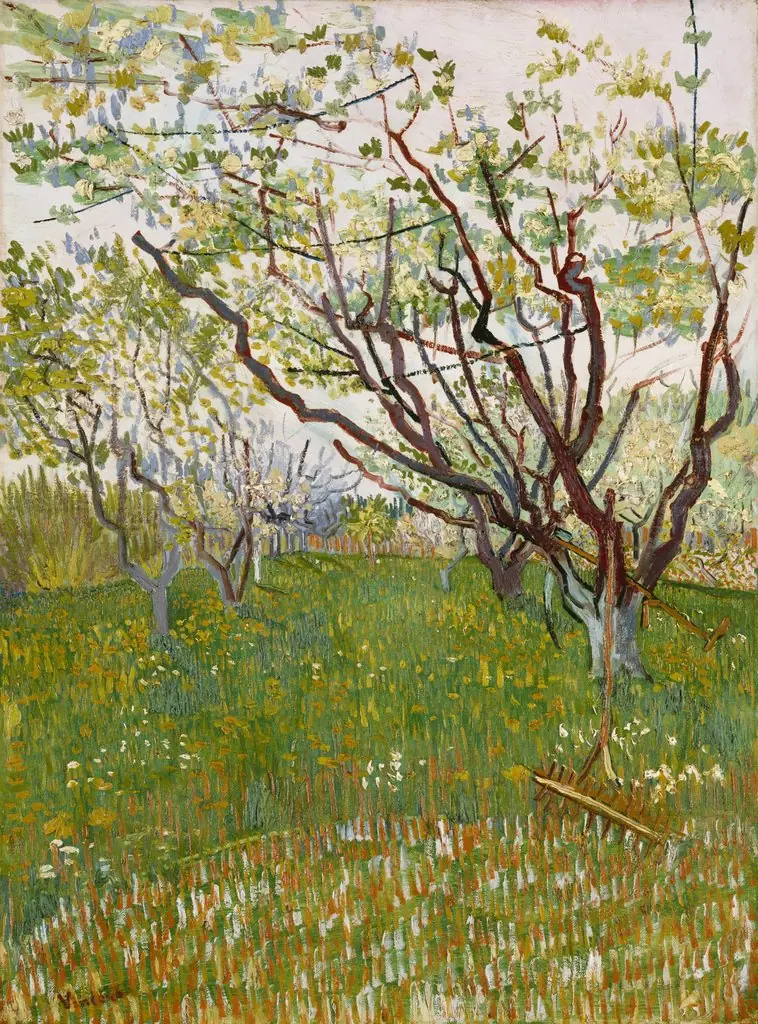
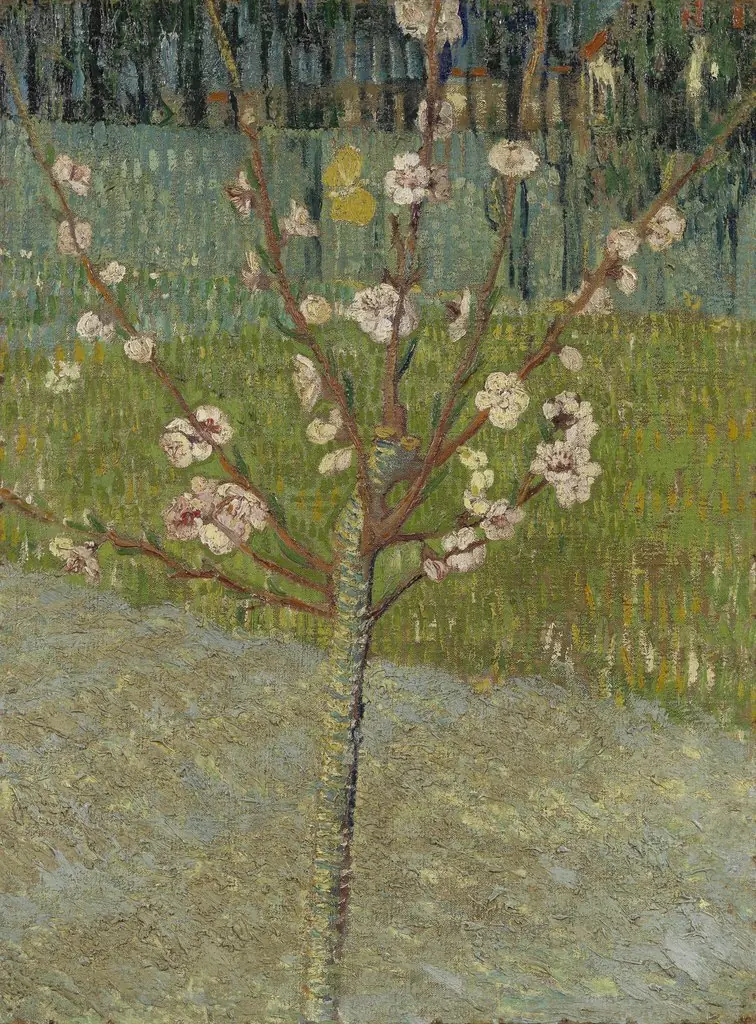
Orchard in Blossom, Bordered by Cypresses is an oil painting by the Post-Impressionist artist Vincent van Gogh. It dates from 1888 and is held in the collection of the Kröller-Müller Museum.
About this work
Overview
It captures a quiet agricultural scene in southern France, where fruit trees in bloom are framed by tall, dark cypresses.
Painted in 1888, Orchard in Blossom, Bordered by Cypresses is an oil-on-canvas landscape by Vincent van Gogh. It captures a quiet agricultural scene in southern France, where fruit trees in bloom are framed by tall, dark cypresses. The work is part of the Kröller-Müller Museum’s collection in Otterlo, the Netherlands, and reflects van Gogh’s deep engagement with the natural world during his time in Arles.
Subject & Meaning
The painting portrays a cultivated orchard in spring, its delicate blossoms suggesting renewal and fleeting beauty. The cypresses, evergreen and vertical, act as both boundary and counterpoint to the softness of the blooming trees. Their presence evokes a quiet solemnity, perhaps hinting at the cycle of life and death. The scene is not idealized but observed with quiet reverence, grounded in the rhythms of rural labor and seasonal change.
Technique & Style
Van Gogh applied thick, directional brushstrokes to convey texture and motion—short dashes for blossoms, swirling strokes for the sky, and vertical ridges for the cypresses. Color is used expressively: pale pinks and whites for the flowers contrast with the deep greens and blues of the foliage and sky. The composition uses low stone walls to structure the foreground, guiding the eye toward the horizon and enhancing spatial depth without linear perspective.
History & Provenance
Created during van Gogh’s prolific year in Arles, the painting was likely made in early spring 1888, shortly after his arrival in the region. It remained in private hands until acquired by Helene Kröller-Müller in the 1920s. She built one of Europe’s most significant collections of his work, and the painting has been held by the Kröller-Müller Museum since its founding in 1938.
Context
Van Gogh painted this during a period of intense productivity and emotional focus, inspired by the Provençal landscape and his desire to capture seasonal change. He wrote to his brother Theo about the emotional power of blossoming orchards, seeing them as symbols of hope. The cypresses, recurring in his work, were tied to local burial customs and the enduring presence of nature amid human transience.
Legacy
The painting exemplifies van Gogh’s mature style—where emotional resonance is channeled through color and brushwork rather than narrative detail. It influenced later modernist approaches to landscape, emphasizing subjective perception over realism. Today, it remains a quiet but vital testament to his ability to transform ordinary rural scenes into enduring visual meditations.
Artist & collection
Artist
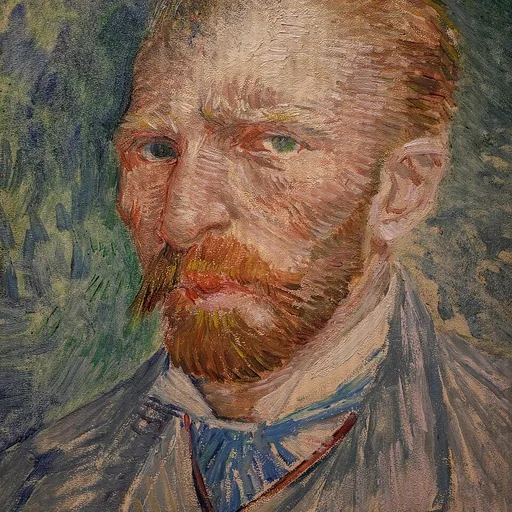
Vincent Willem van Gogh was a Dutch Post-Impressionist painter who is among the most famous and influential figures in the history of Western art.