Artwork
Two Diggers among Trees
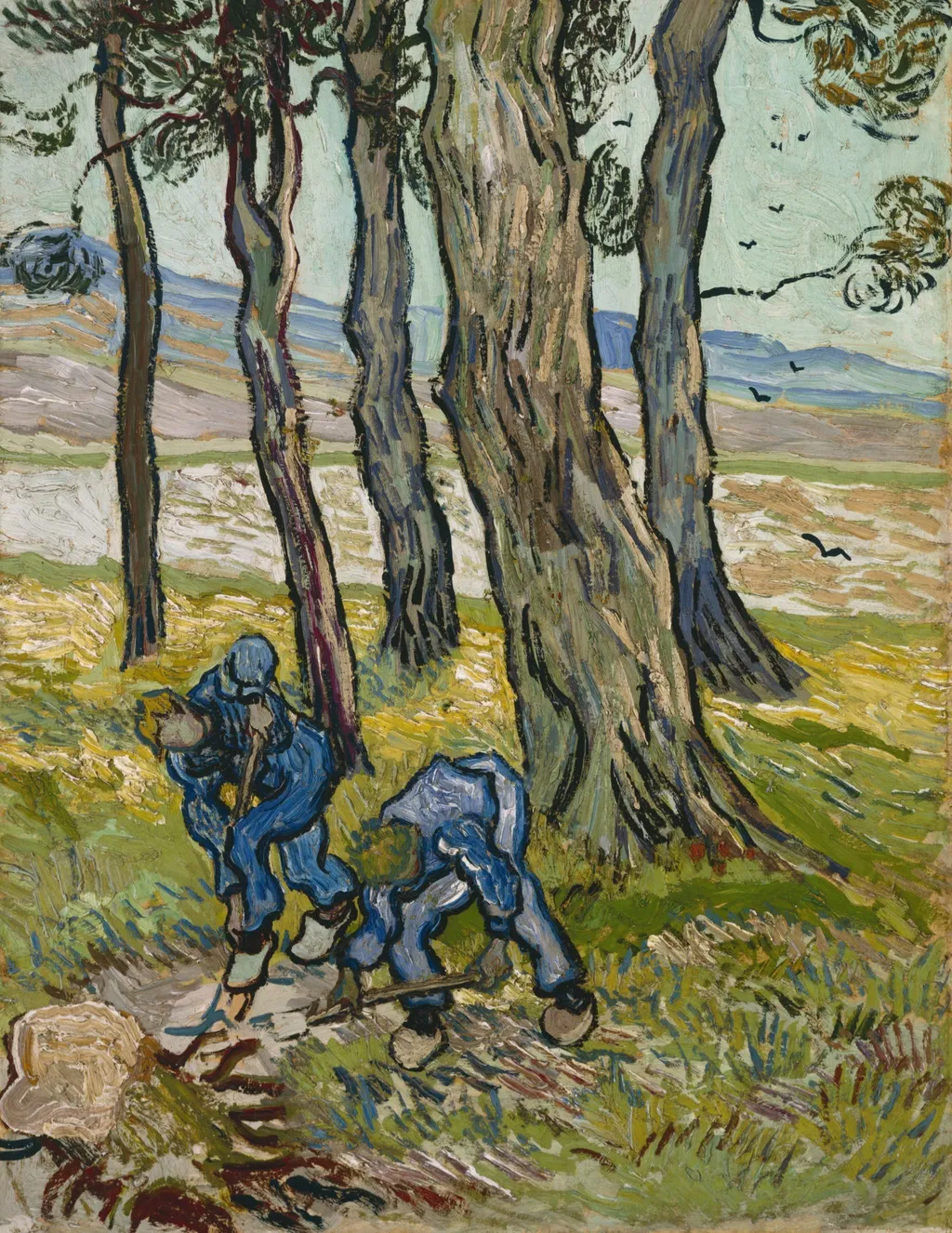
Two Diggers among Trees is an oil painting by the Post-Impressionist artist Vincent van Gogh. It is held in the collection of the Detroit Institute of Arts.
About this work
Overview
Painted in late 1889 during Vincent van Gogh’s stay at the asylum in Saint-Rémy-de-Provence, this oil on canvas depicts two laborers working in a field. The work is distinguished from another 1889 painting by van Gogh inspired by Millet by the addition of surrounding trees, leading to its alternate title, Two Diggers among Trees. It is held in the collection of the Detroit Institute of Arts.
Subject & Meaning
The two figures, bent low over their tools, represent rural laborers engaged in the repetitive, physical work of tilling the earth. Their anonymity emphasizes the dignity of manual toil, a theme van Gogh often returned to. The quiet, unidealized setting reflects his empathy for agricultural workers and his interest in the rhythms of peasant life, rendered without sentimentality.
Technique & Style
Van Gogh applied thick layers of oil paint, using impasto to build texture in the grass, tree trunks, and clothing.
Van Gogh applied thick layers of oil paint, using impasto to build texture in the grass, tree trunks, and clothing. Brushstrokes are directional and energetic, conveying motion through the undulating fields and fluttering leaves. The palette—deep blues for garments, varied greens for foliage, and pale sky tones—creates a grounded yet dynamic atmosphere, with color serving emotional and structural purposes.
History & Provenance
Created during van Gogh’s voluntary confinement at Saint-Rémy, the painting was likely made from direct observation or memory of the surrounding countryside. It entered the Detroit Institute of Arts’ collection in 1922 through the bequest of William H. Brearley, a Detroit businessman and early American collector of van Gogh’s work.
Context
Van Gogh was deeply influenced by Jean-François Millet’s depictions of peasant life, though he sought to reinterpret such scenes with his own expressive language. In Saint-Rémy, he painted numerous landscapes and laborers, responding to the seasonal rhythms of the region. This work reflects his ongoing engagement with themes of labor, nature, and human endurance.
Legacy
The painting stands as a quiet but forceful example of van Gogh’s mature style, where emotional intensity is channeled through physical brushwork and color. It contributes to broader understandings of how post-impressionist artists transformed everyday rural scenes into vehicles for personal and universal expression, influencing later realist and expressionist traditions.
Own this work as a print
Artist & collection
Artist
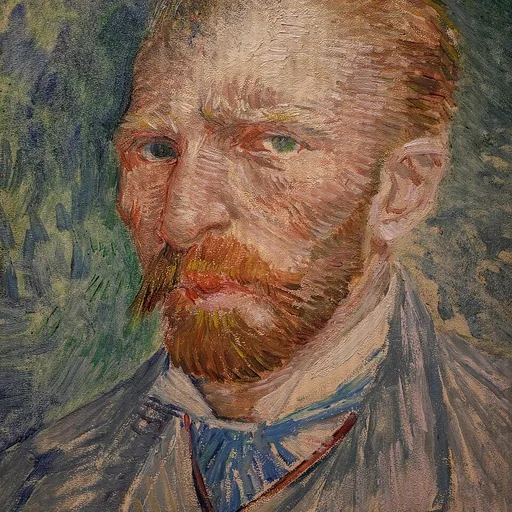
Vincent Willem van Gogh was a Dutch Post-Impressionist painter who is among the most famous and influential figures in the history of Western art.

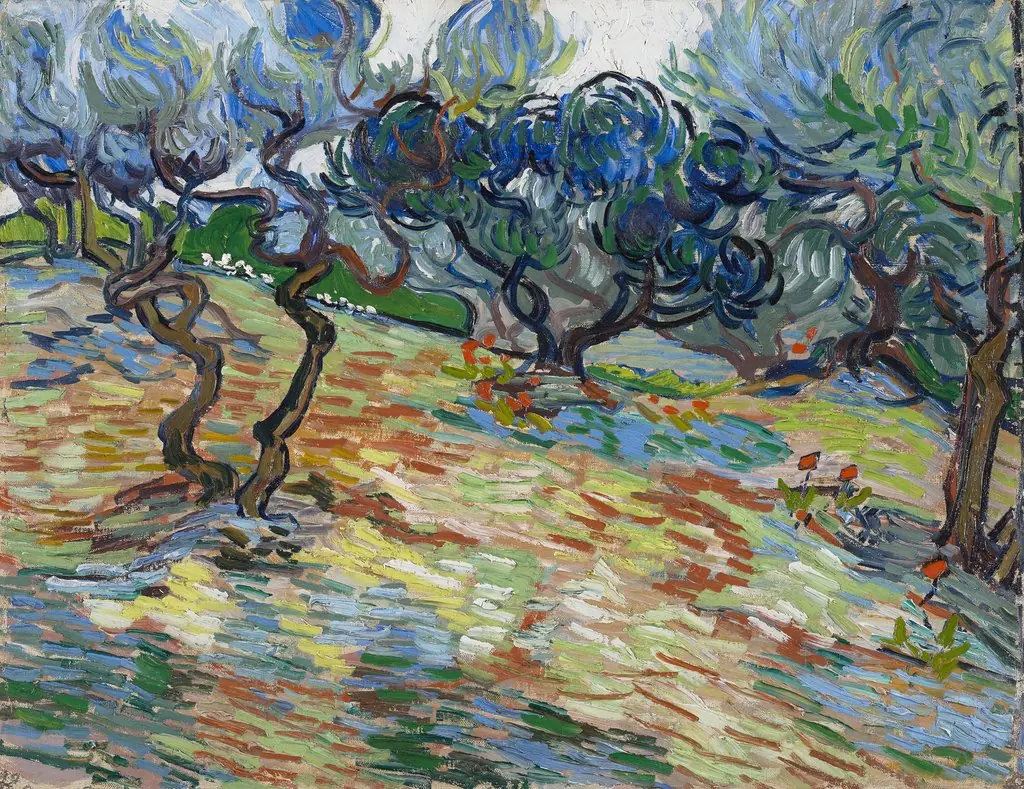 Olive trees
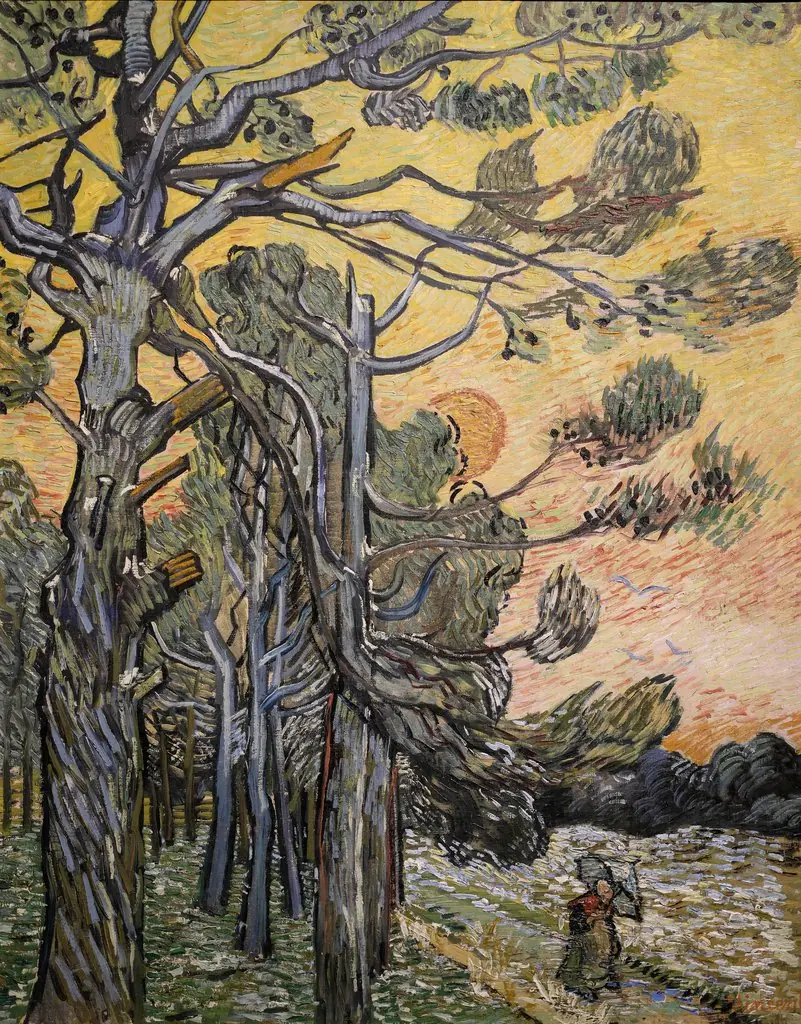 Pine Trees against a Red Sky with Setting Sun
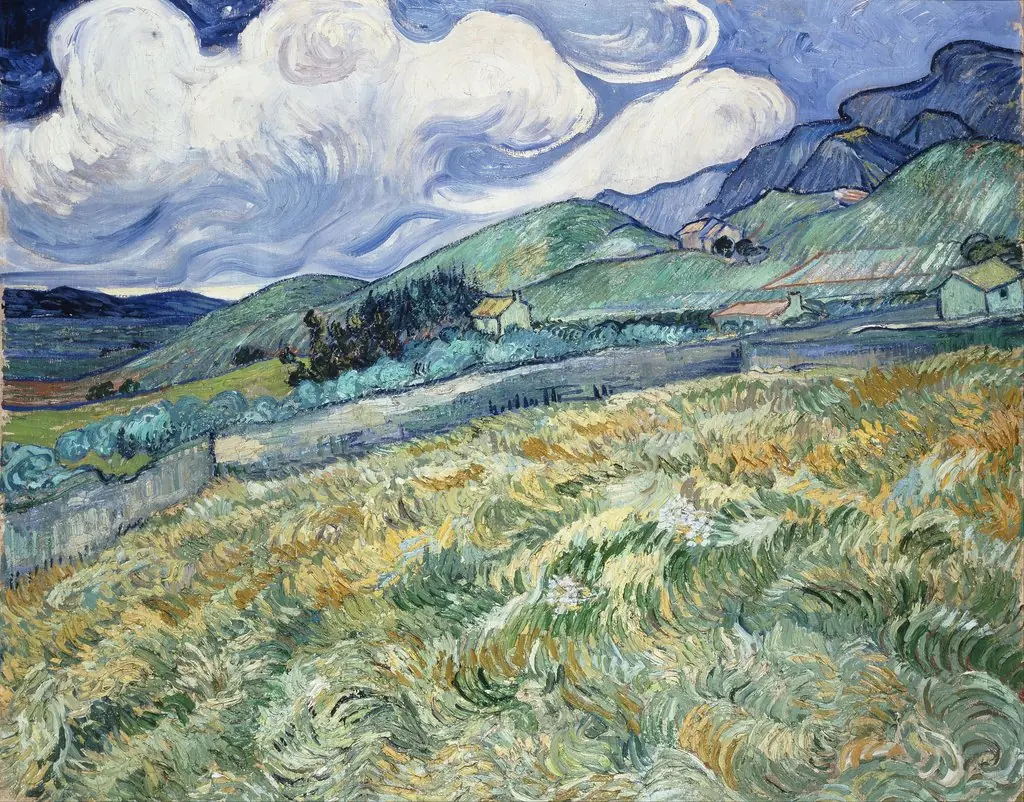 Mountainous Landscape Behind Saint-Paul Hospital
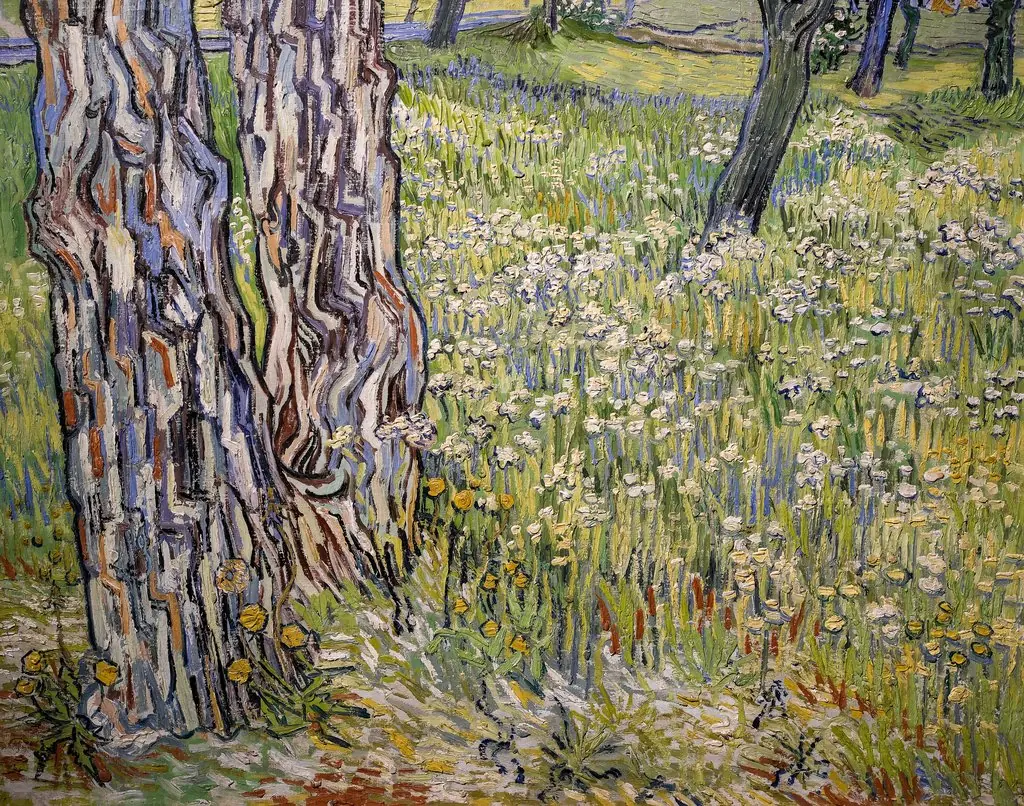 Flowering meadow with trees and dandelions
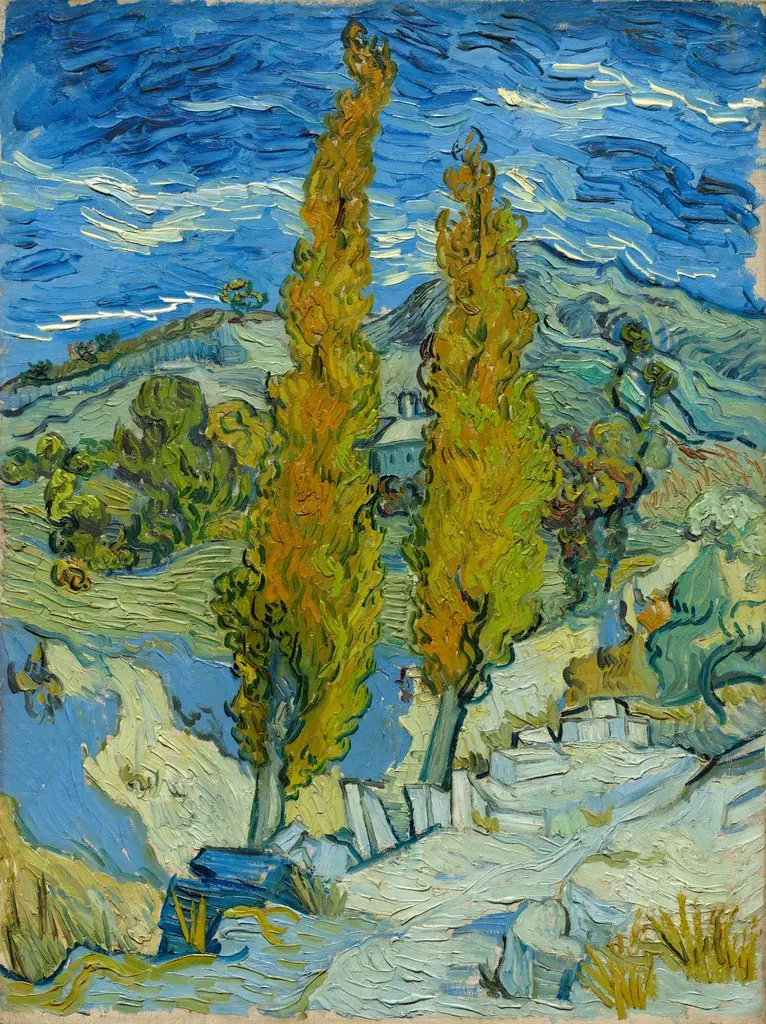 Two Poplars in the Alpilles near Saint-Rémy
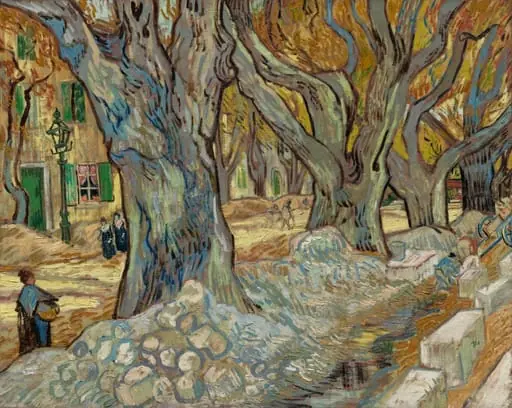 The Large Plane Trees (Road Menders at Saint-Rémy)
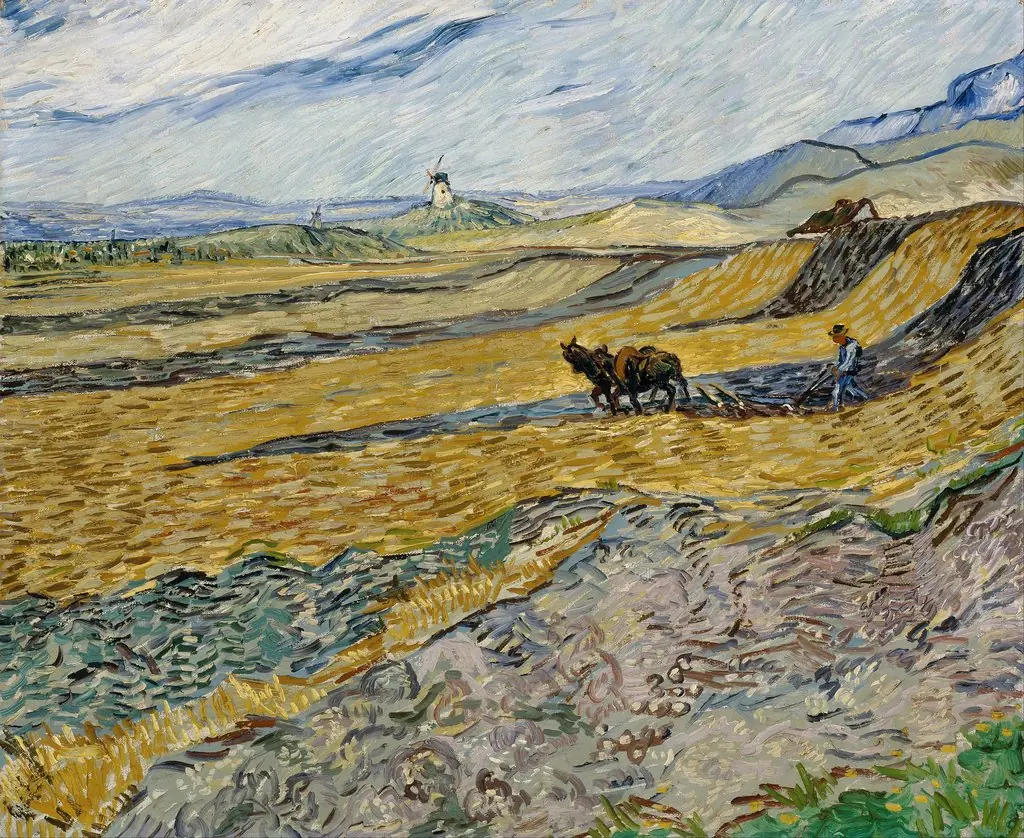 Enclosed Field with Ploughman
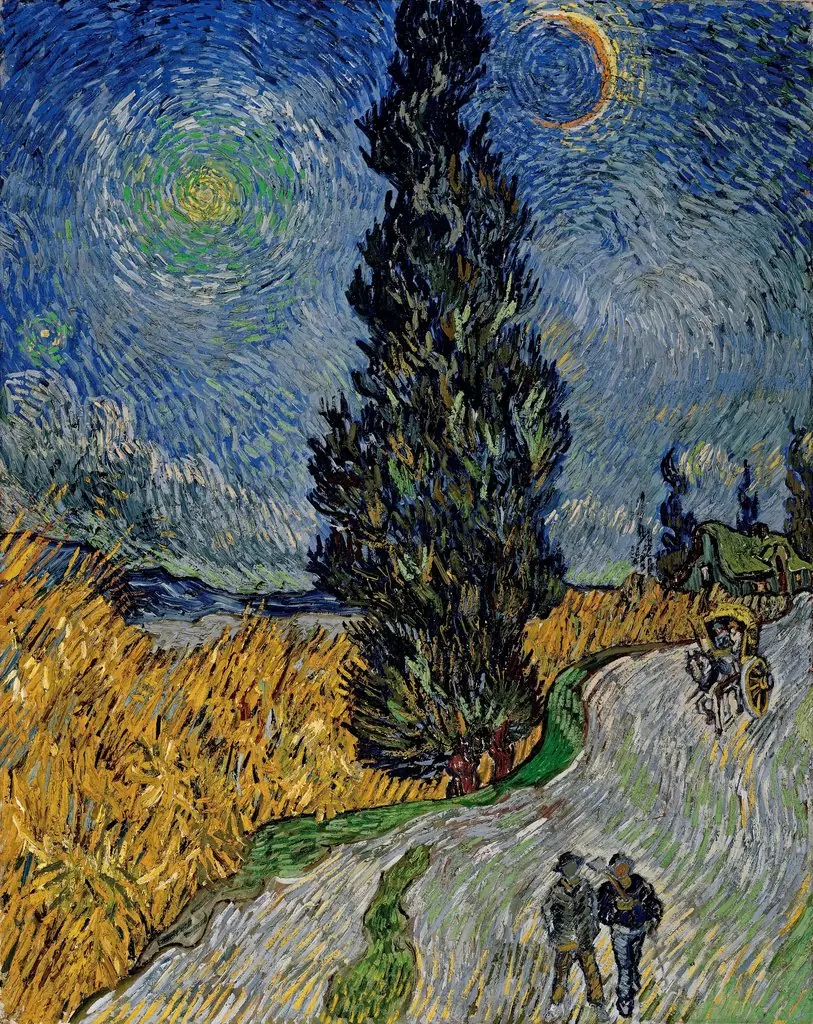 Road with Cypress and Star
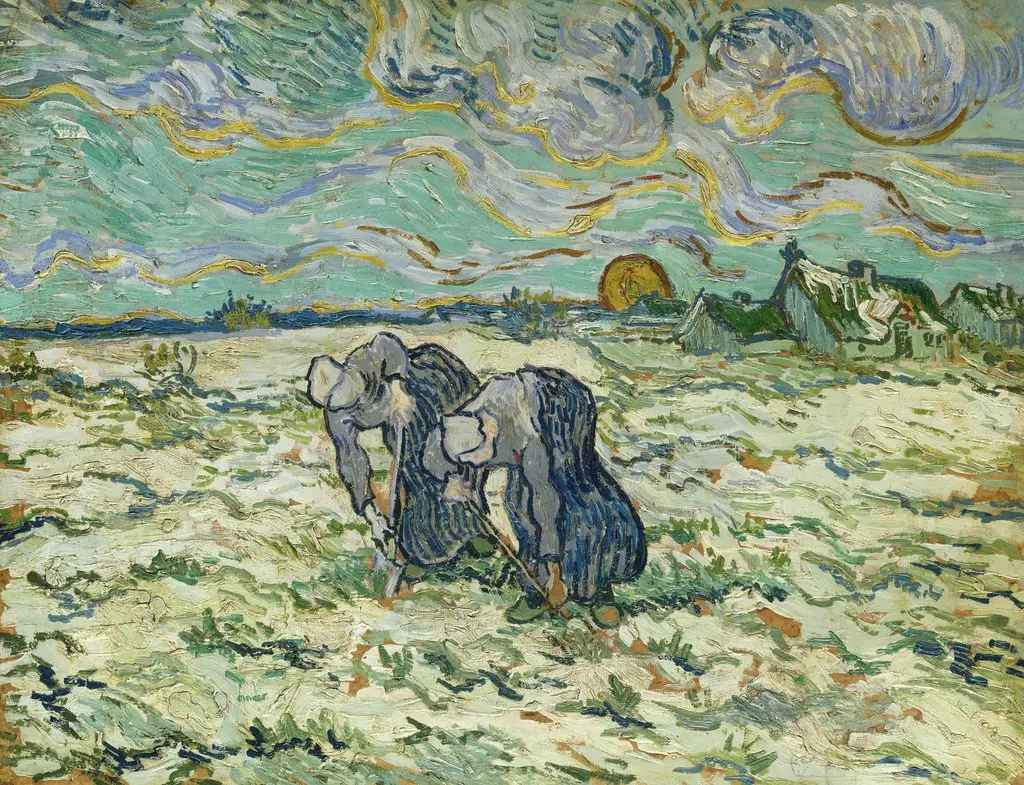 Two Peasant Women Digging in Field with Snow
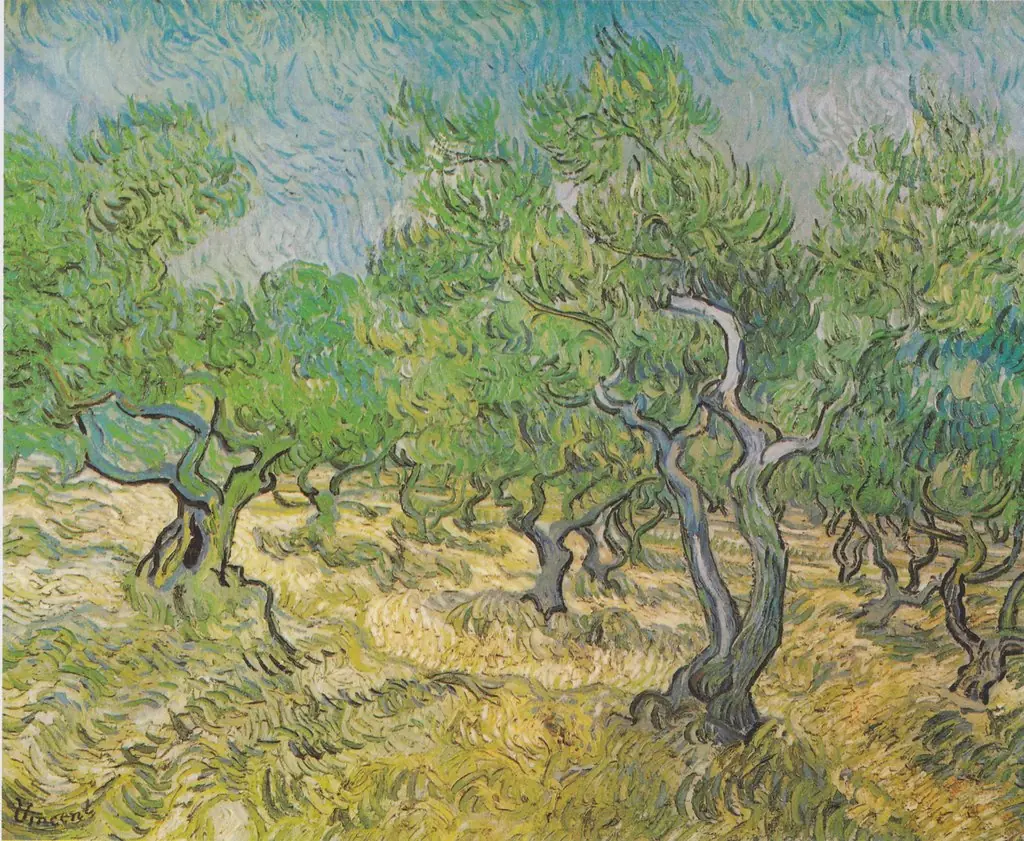 Olive Grove
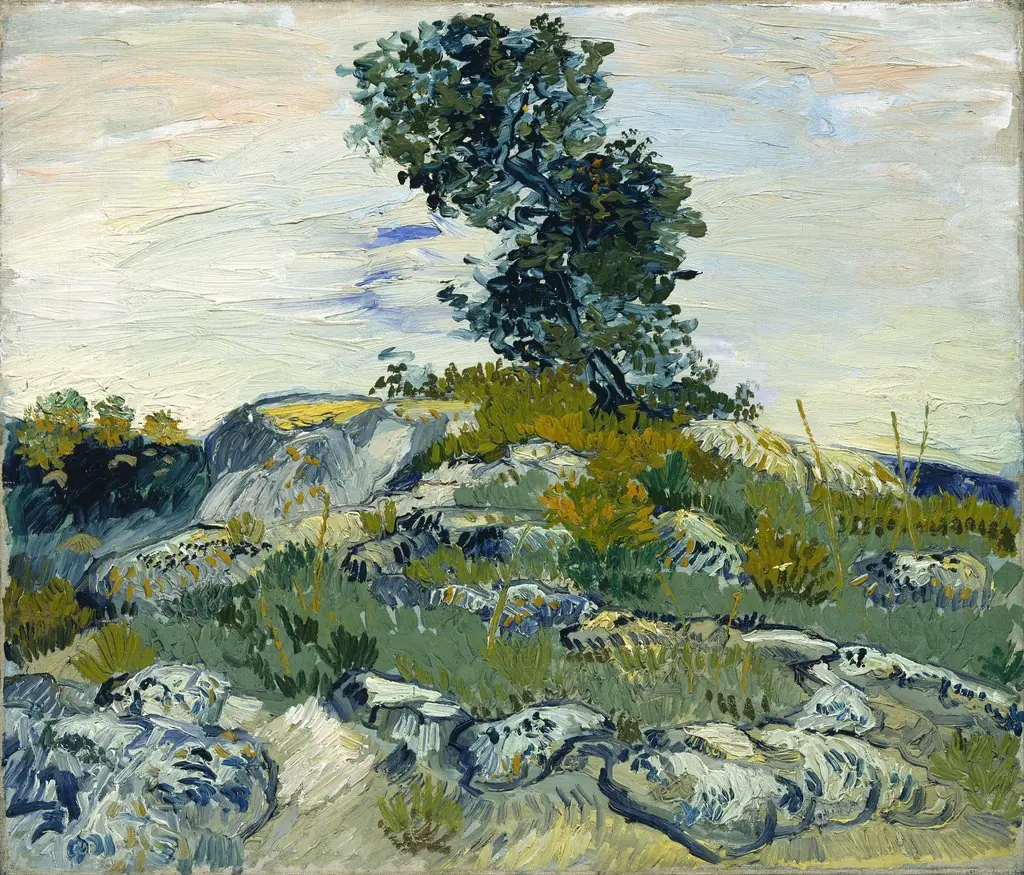 Rocks
Rocks