Artwork
Flowering meadow with trees and dandelions
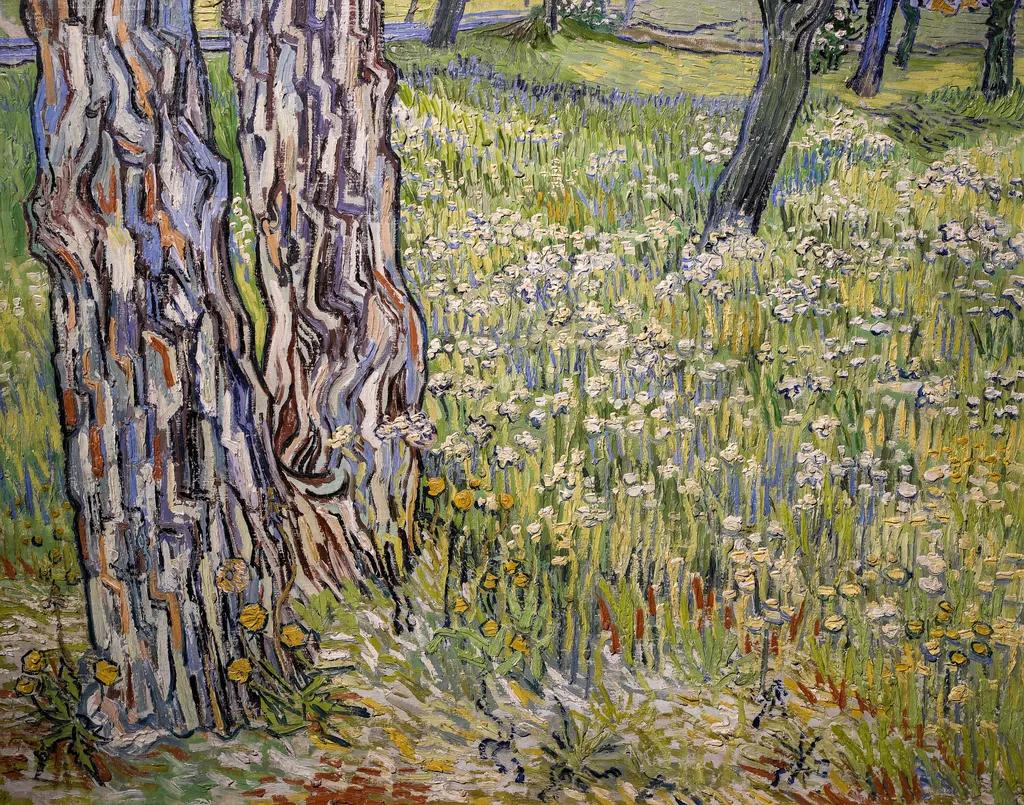
Flowering meadow with trees and dandelions is an oil painting by the Post-Impressionist artist Vincent van Gogh. It dates from 1890 and is held in the collection of the Kröller-Müller Museum.
About this work
Overview
Painted in 1890, this oil-on-canvas landscape captures a sunlit meadow near Auvers-sur-Oise, where Vincent van Gogh spent his final months.
Painted in 1890, this oil-on-canvas landscape captures a sunlit meadow near Auvers-sur-Oise, where Vincent van Gogh spent his final months. The composition centers on a dense patch of wildflowers, primarily dandelions, set against a backdrop of towering trees. Its vibrant palette and energetic brushwork reflect van Gogh’s evolving style during this period, marked by heightened emotional intensity and a focus on natural rhythms.
Subject & Meaning
The painting portrays a common rural scene — a meadow in full bloom, dominated by dandelions in various stages of growth. Their delicate white seed heads contrast with the yellow blooms and green grass, suggesting cycles of life and decay. The sturdy tree trunks anchor the scene, offering a sense of permanence amid the fleeting blossoms. Van Gogh often found spiritual resonance in ordinary landscapes, elevating them through attentive observation.
Technique & Style
Van Gogh applied thick, directional strokes of oil paint to convey texture and movement. The flowers are rendered with quick, dotted touches, while the grass and foliage are built up in layered swaths of color. The trees’ trunks are defined by heavy, vertical strokes, contrasting with the chaotic energy of the meadow. His use of pure, unmixed hues — yellows, whites, greens — enhances the luminosity and tactile quality of the scene.
History & Provenance
Created in the last months of van Gogh’s life, the painting was acquired by Helene Kröller-Müller in the early 20th century. She built one of the earliest and most significant collections of his work, eventually donating it to the Dutch state. The painting has remained in the Kröller-Müller Museum’s collection since its founding, preserved as part of a broader effort to document van Gogh’s late-period output.
Context
Van Gogh painted this work during a period of intense productivity in Auvers-sur-Oise, under the care of Dr. Gachet. He was deeply influenced by the surrounding countryside, often painting en plein air. The emphasis on wildflowers and unmanicured nature aligns with his interest in the dignity of ordinary landscapes, a theme that intensified as his mental health declined and his connection to nature deepened.
Legacy
This painting exemplifies van Gogh’s ability to transform humble natural subjects into emotionally resonant compositions. Its presence in the Kröller-Müller Museum ensures continued access to his late style, influencing how viewers understand his relationship with the natural world. Though not widely exhibited, it remains a quiet testament to his dedication to capturing fleeting moments of rural beauty with unwavering sincerity.
Own this work as a print
Artist & collection
Artist
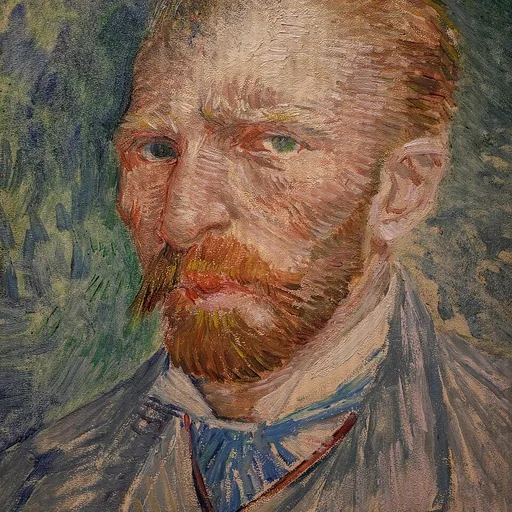
Vincent Willem van Gogh was a Dutch Post-Impressionist painter who is among the most famous and influential figures in the history of Western art.

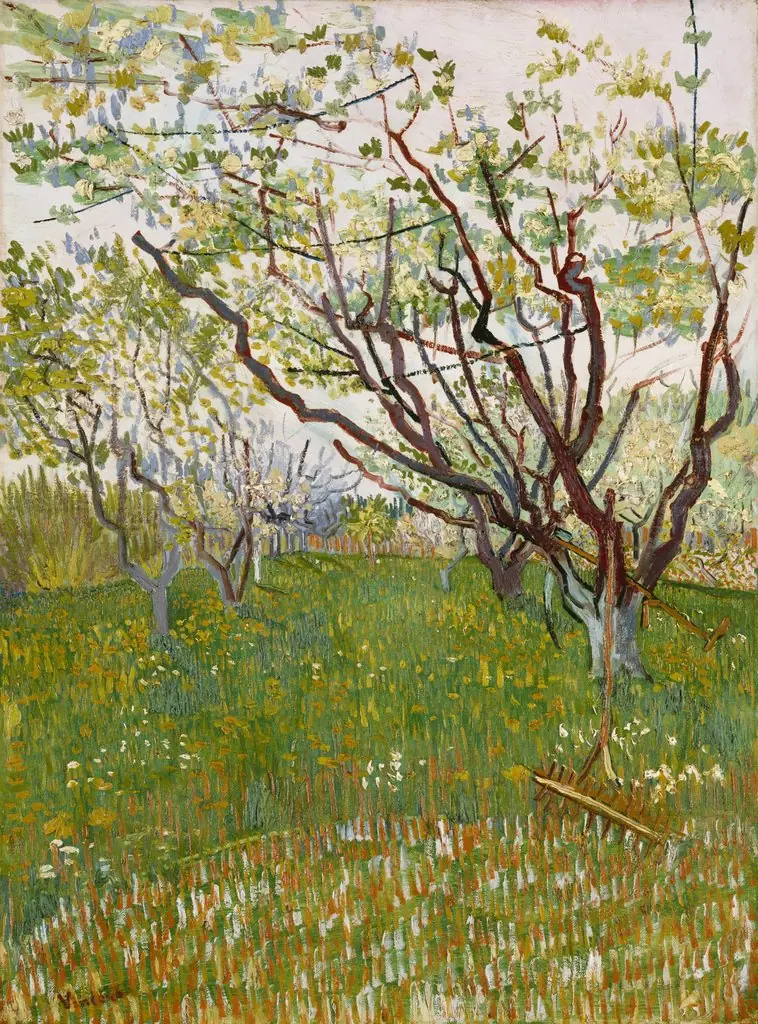 The Flowering Orchard
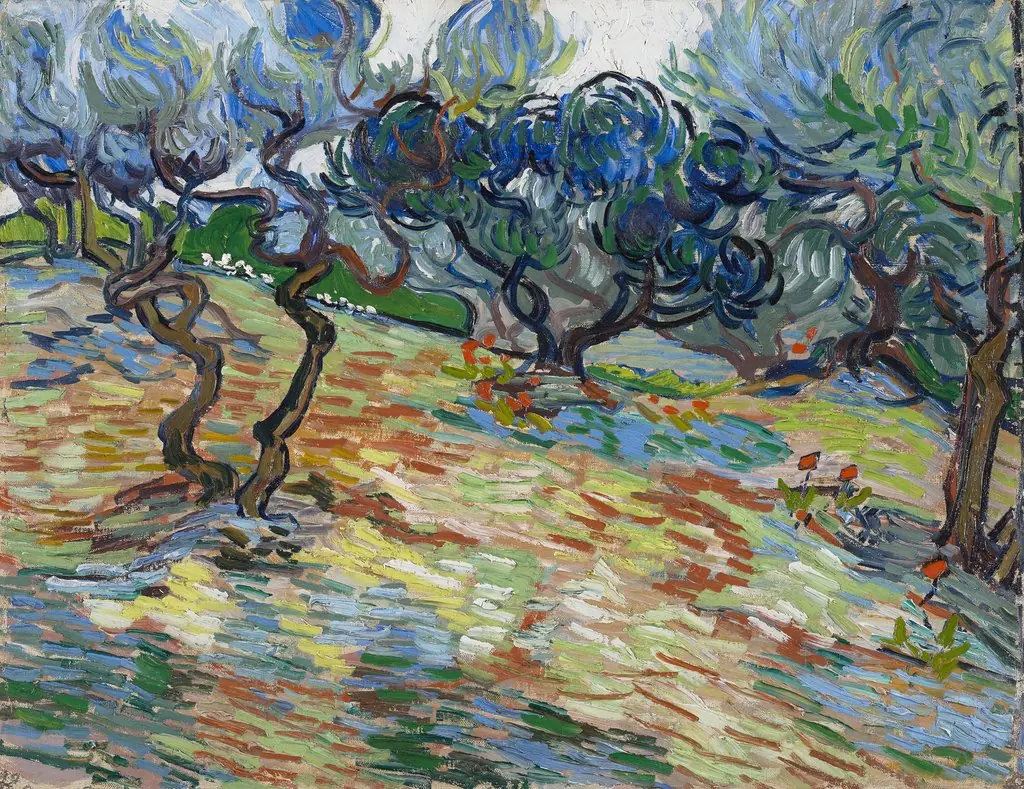 Olive trees
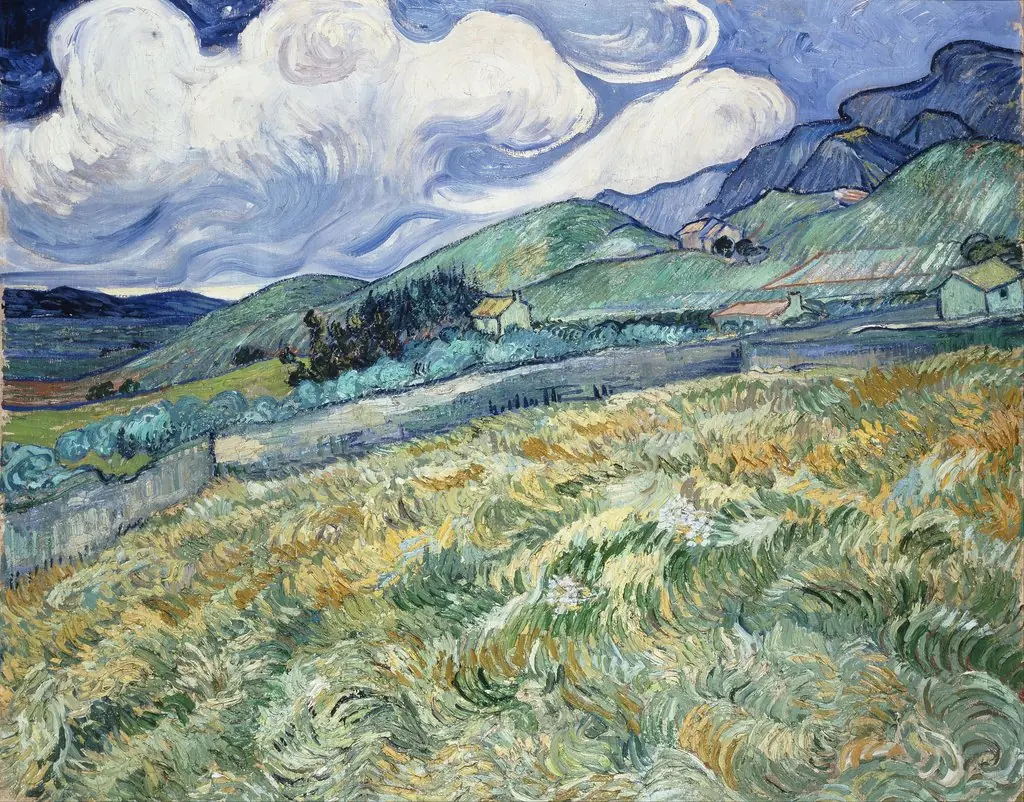 Mountainous Landscape Behind Saint-Paul Hospital
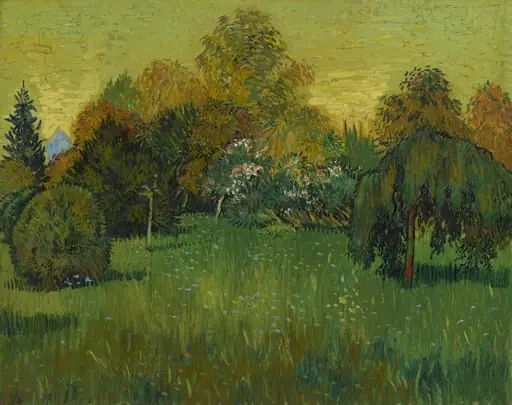 The Poet's Garden
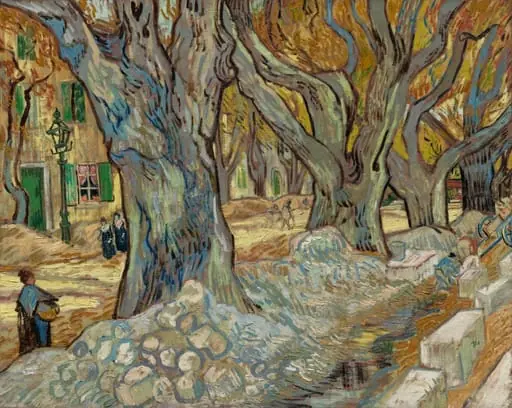 The Large Plane Trees (Road Menders at Saint-Rémy)
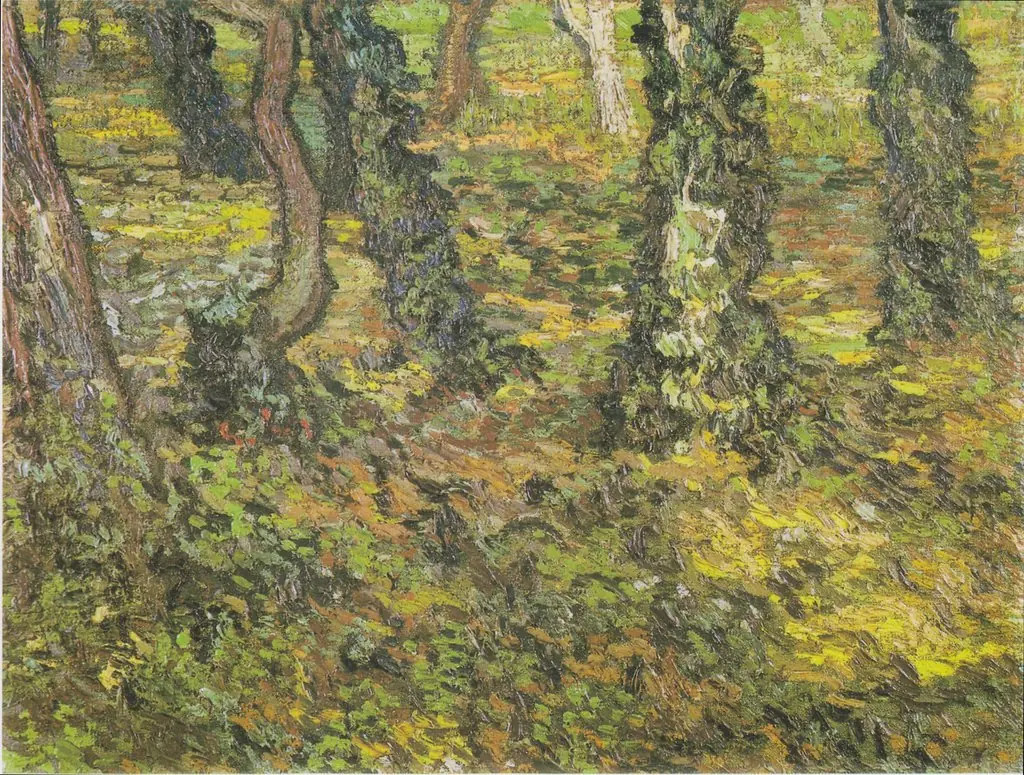 Tree Trunks with Ivy
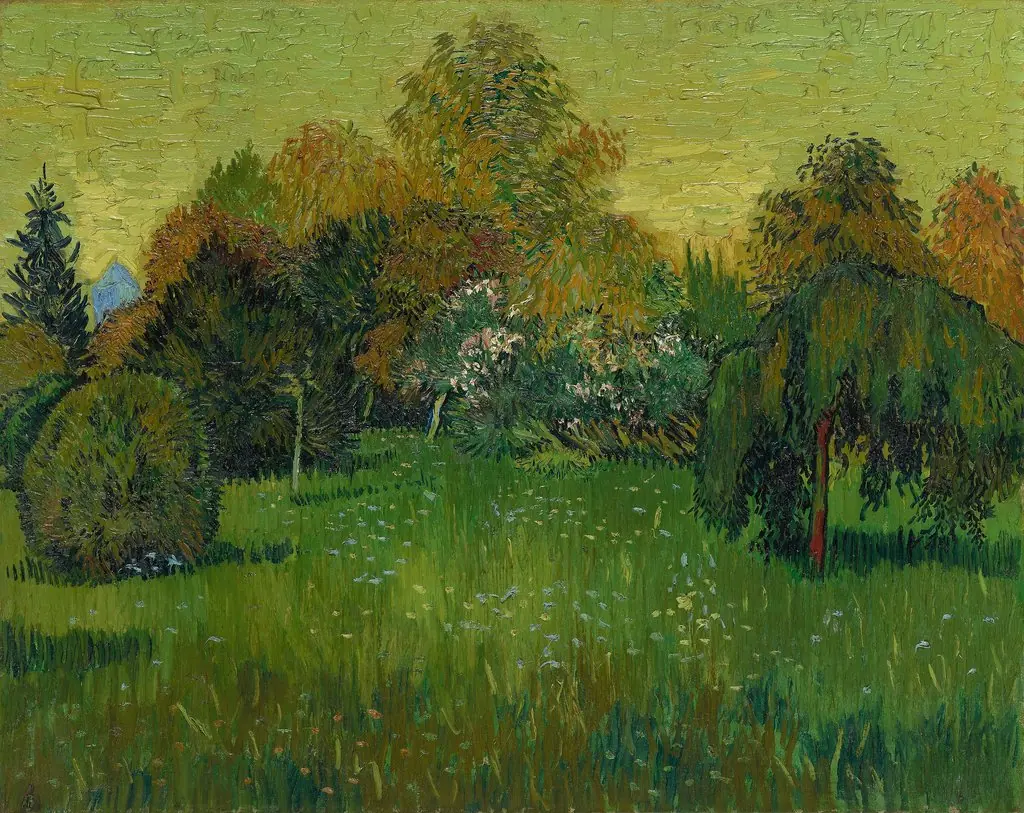 The Poet's Garden
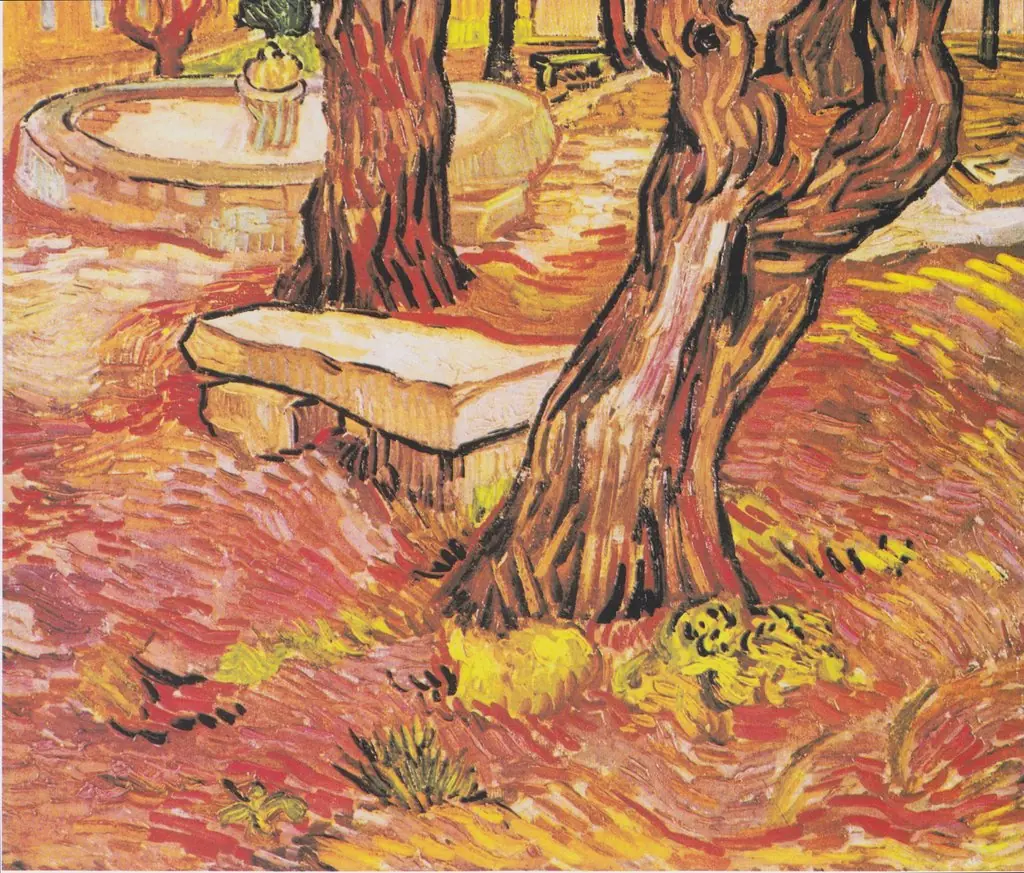 The Stone Bench in the Garden of Saint-Paul Hospital
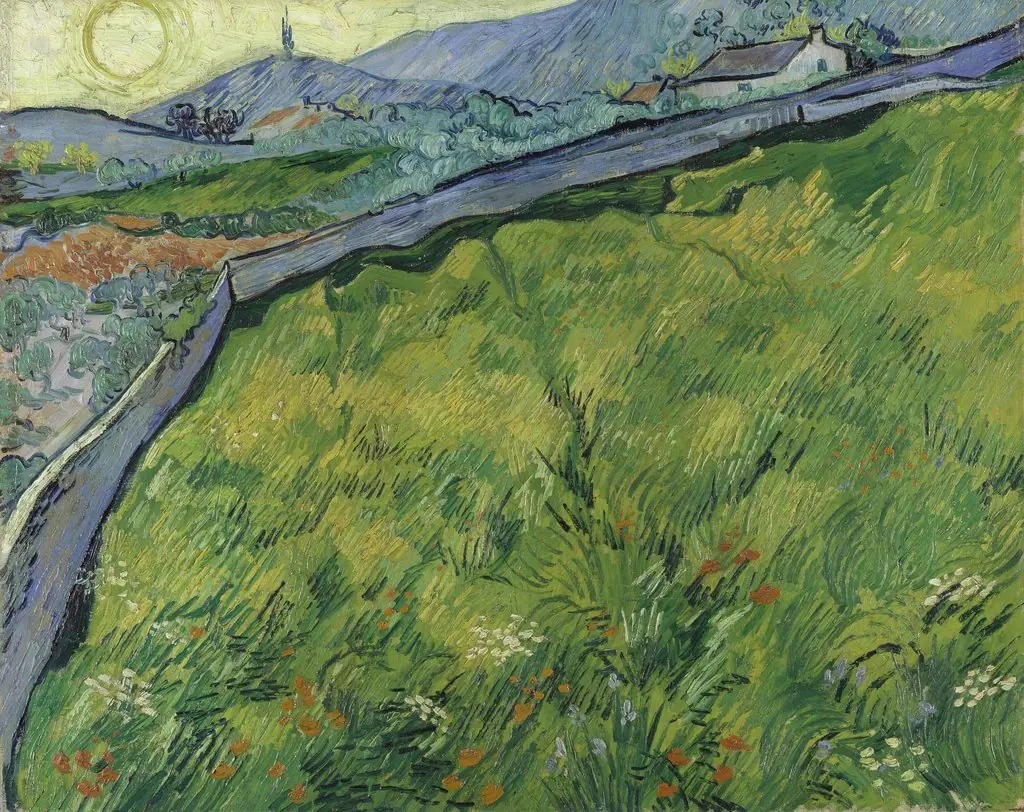 Enclosed Wheat Field with Rising Sun
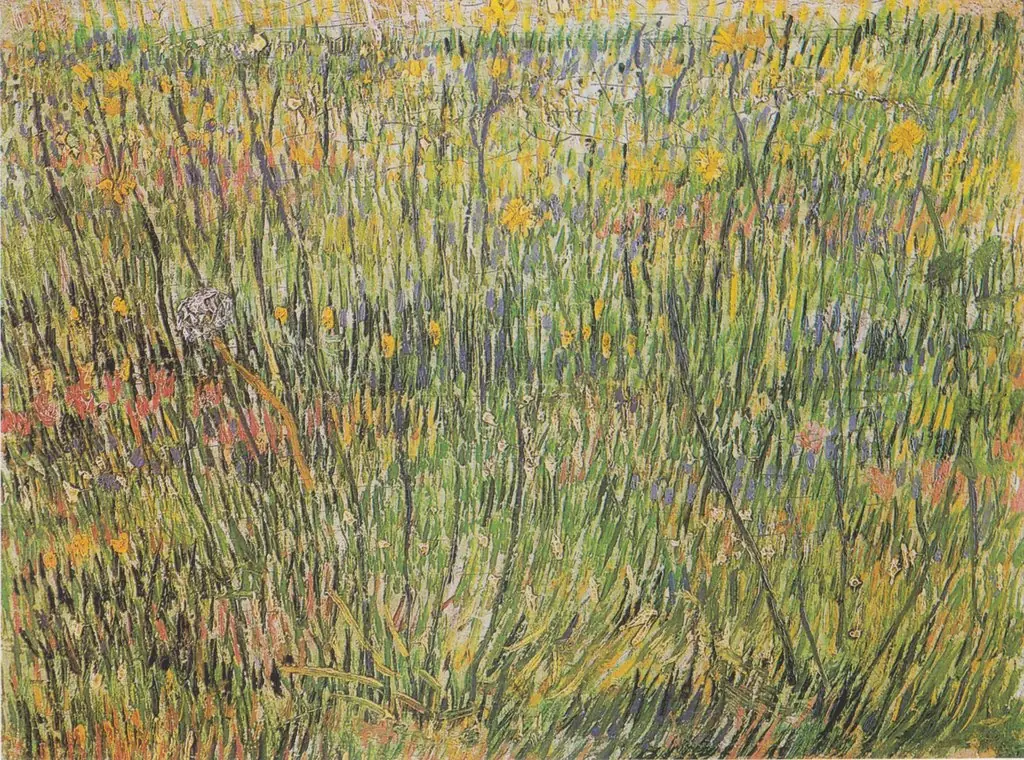 Pasture in Bloom
 Iris
Iris Two Diggers among Trees