Artwork
Sacred conversation
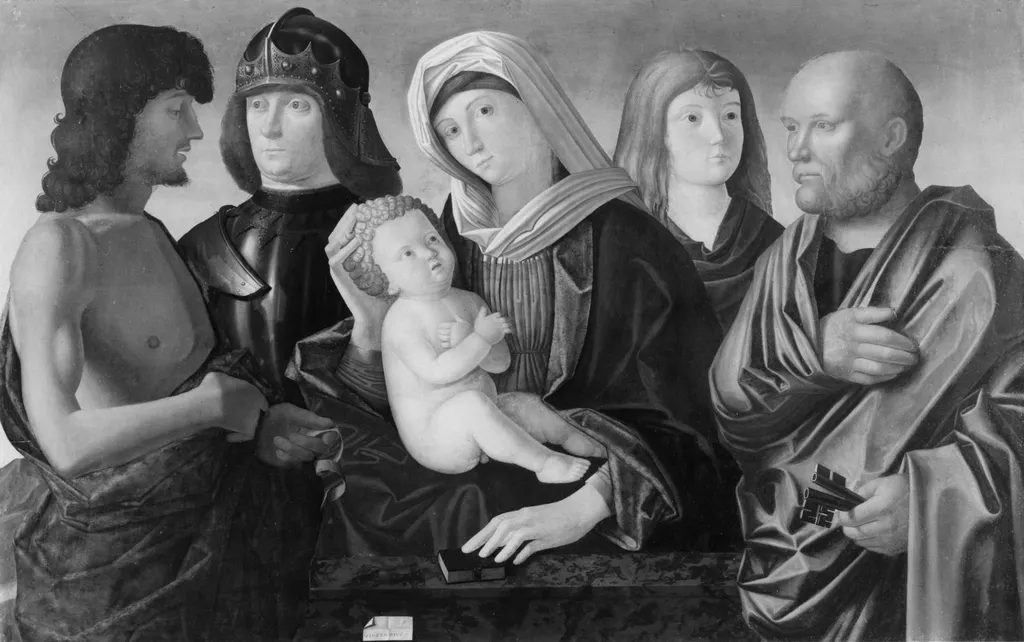
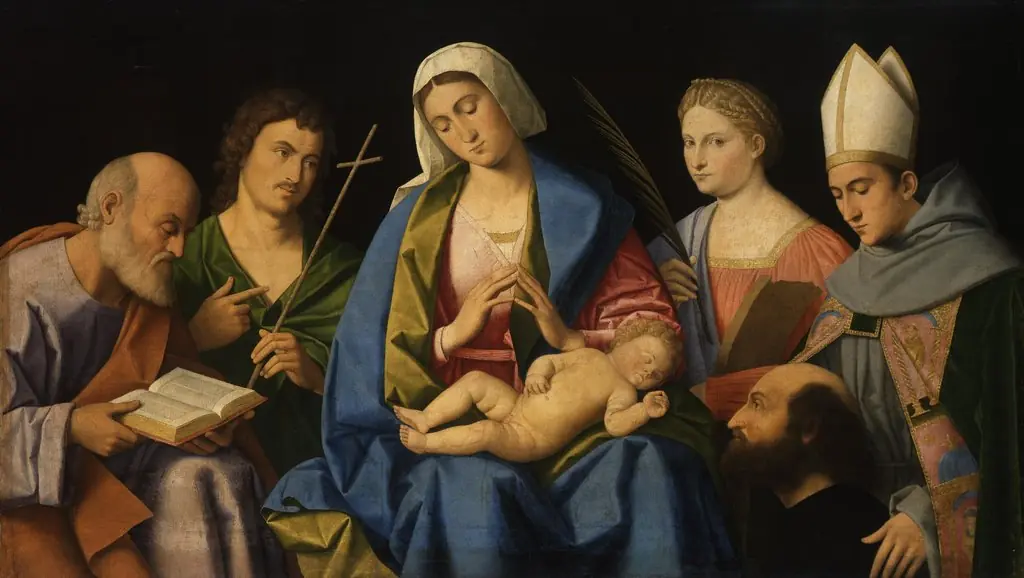
Sacred conversation is an unspecified painting by the High Renaissance artist Vincenzo Catena. It dates from 1500 and is held in the collection of the Walters Art Museum.
About this work
Overview
The painting resides in the Walters Art Museum, where it represents the quiet devotional tone characteristic of early High Renaissance Venetian altarpieces.
Painted around 1500 by Vincenzo Catena, a Venetian artist active in the late 15th and early 16th centuries, this work exemplifies the sacra conversazione tradition. It presents the Virgin Mary with the infant Jesus at its center, flanked by saints in a composed, circular arrangement. The background is muted and unadorned, focusing attention on the figures. The painting resides in the Walters Art Museum, where it represents the quiet devotional tone characteristic of early High Renaissance Venetian altarpieces.
Subject & Meaning
The Virgin and Child occupy the central axis, symbolizing divine presence and maternal tenderness. Surrounding them are saints engaged in silent communion, their postures suggesting spiritual awareness rather than interaction. The armored figure likely represents a warrior saint, while the woman with long hair may be Mary Magdalene or another female saint. The bald man holding a cross introduces a symbol of sacrifice, anchoring the scene in Christian theology. The composition invites contemplation, not narrative action.
Technique & Style
Catena employs soft modeling and subtle gradations of light to define forms, reflecting Venetian preferences for color over linear precision. The figures are arranged in a shallow, semi-circular space, creating intimacy without depth. Drapery is rendered with quiet realism, and skin tones are warm but restrained. The gray background eliminates distraction, emphasizing the figures’ stillness. Palette is muted—ochres, deep reds, and grays—conveying solemnity rather than spectacle.
History & Provenance
The painting entered the Walters Art Museum’s collection in the early 20th century, acquired as part of Henry Walters’ broader assembly of European art. Its earlier history is undocumented, but its style aligns with devotional panels produced for private chapels or small churches in Venice during the turn of the 16th century. No records of its original commission survive, though its scale and subject suggest it was intended for personal or monastic devotion.
Context
In early 16th-century Venice, sacra conversazione paintings were common in religious settings, blending Byzantine iconography with emerging Renaissance naturalism. Catena, influenced by Bellini and Giorgione, favored calm compositions over dramatic movement. This work reflects a shift from earlier, more rigid altarpieces toward emotionally restrained, psychologically nuanced groupings. It sits within a broader Venetian trend of integrating sacred figures into harmonious, earthly spaces.
Legacy
Though not widely known outside scholarly circles, Catena’s painting exemplifies the quiet evolution of Venetian religious art before the full emergence of Titian’s dramatic style. Its restrained emotion and tonal harmony influenced later devotional works in northern Italy. Today, it serves as a representative example of how Renaissance artists balanced spiritual gravity with human presence, offering a model of contemplative piety distinct from the theatricality of later Mannerism.
Artist & collection
Artist
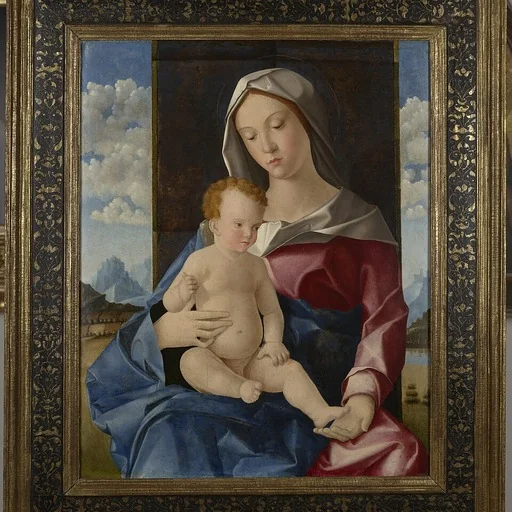
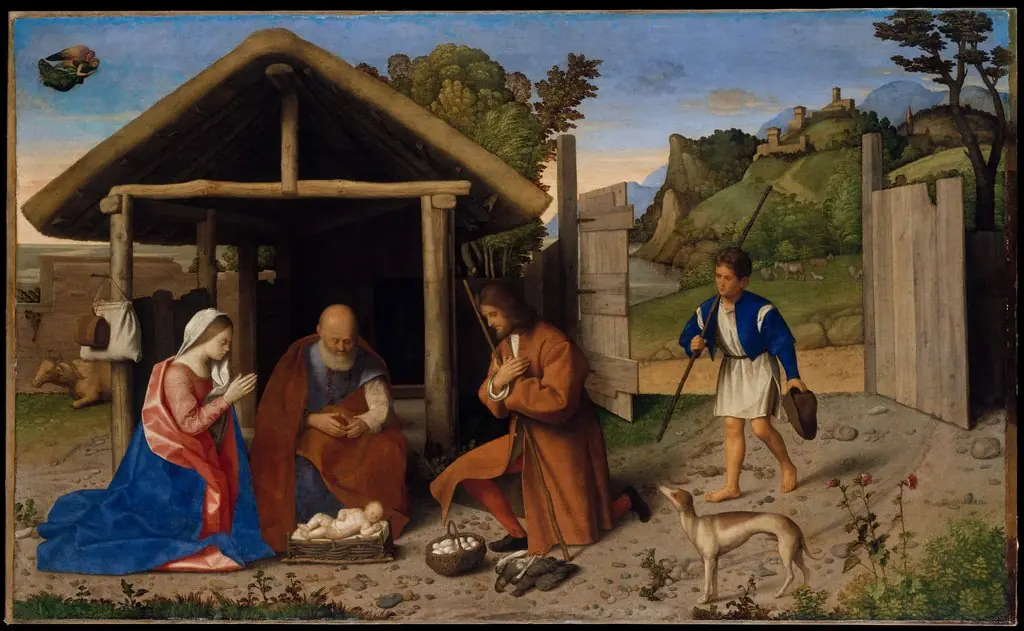
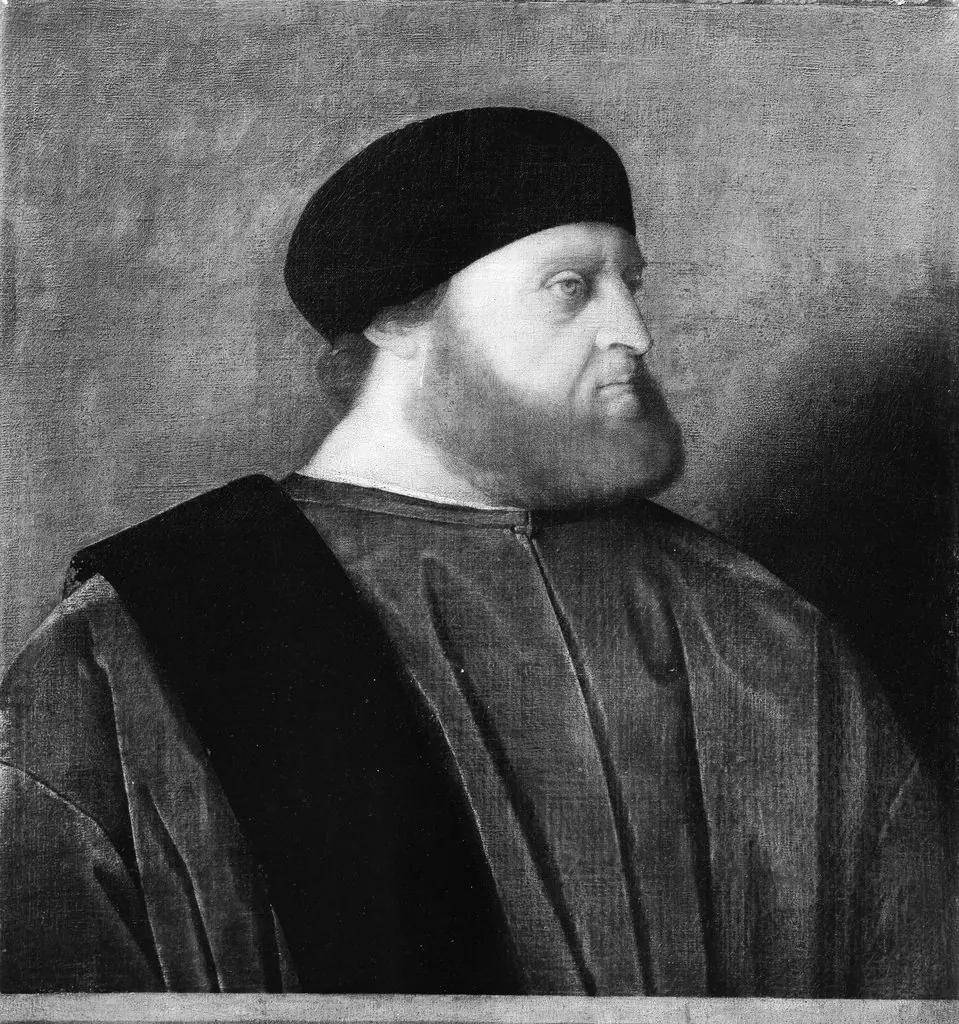
Vincenzo Catena (c. 1480–1531) was an Italian painter of the Renaissance Venetian school. He is also known as Vincenzo de Biagio.

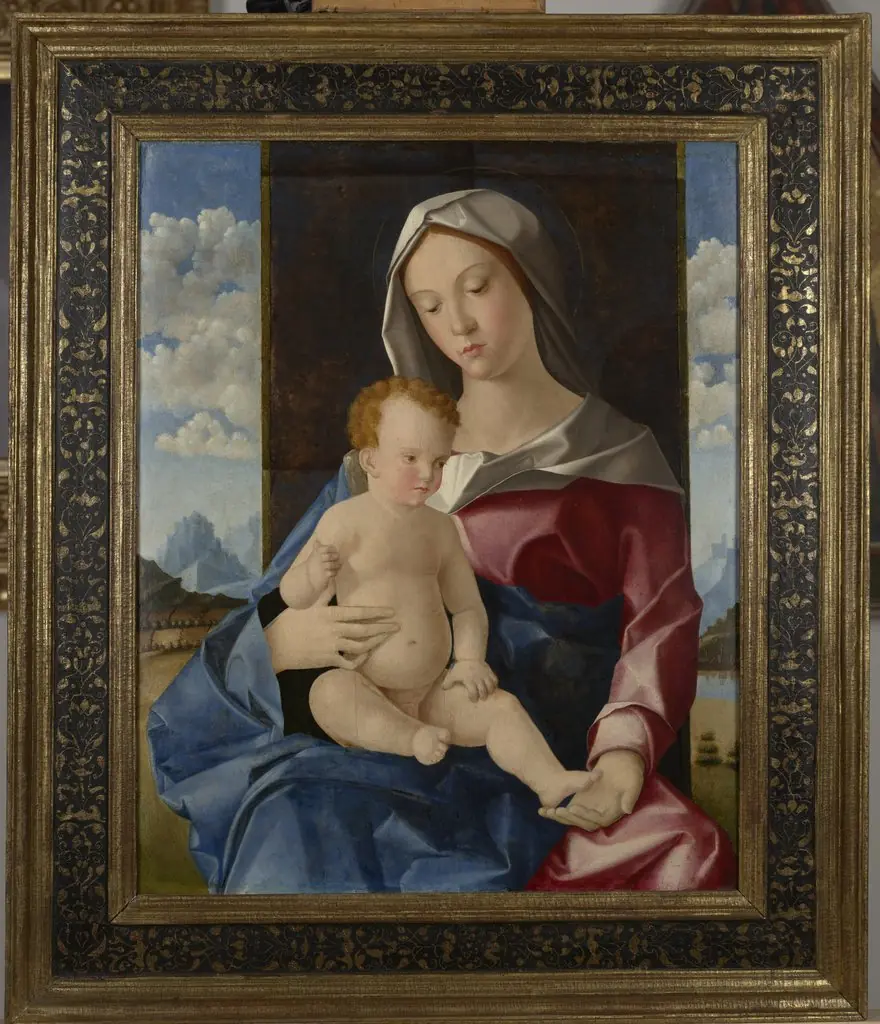
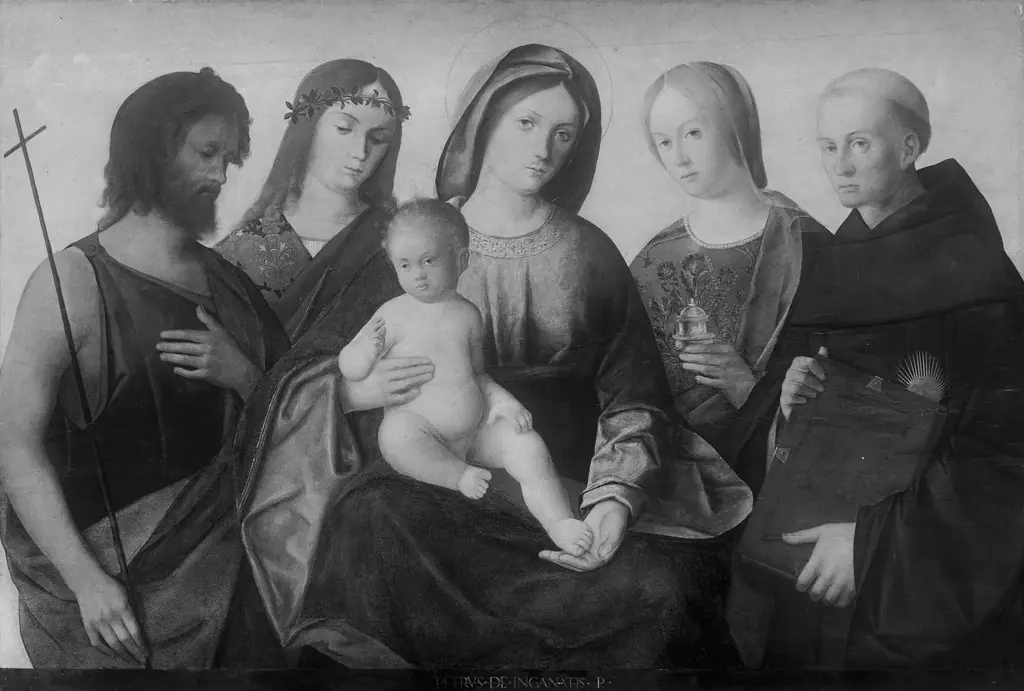 Mary with the child and four saints
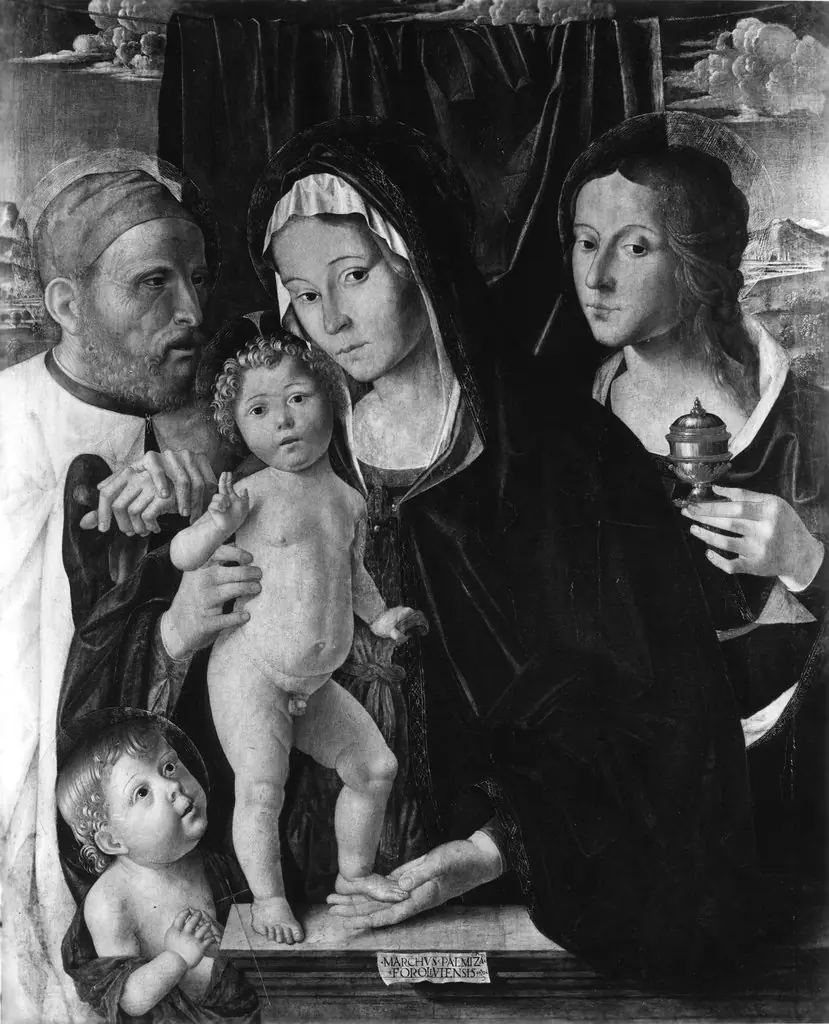 The Holy Family with St John the Baptist and St Mary Magdalen
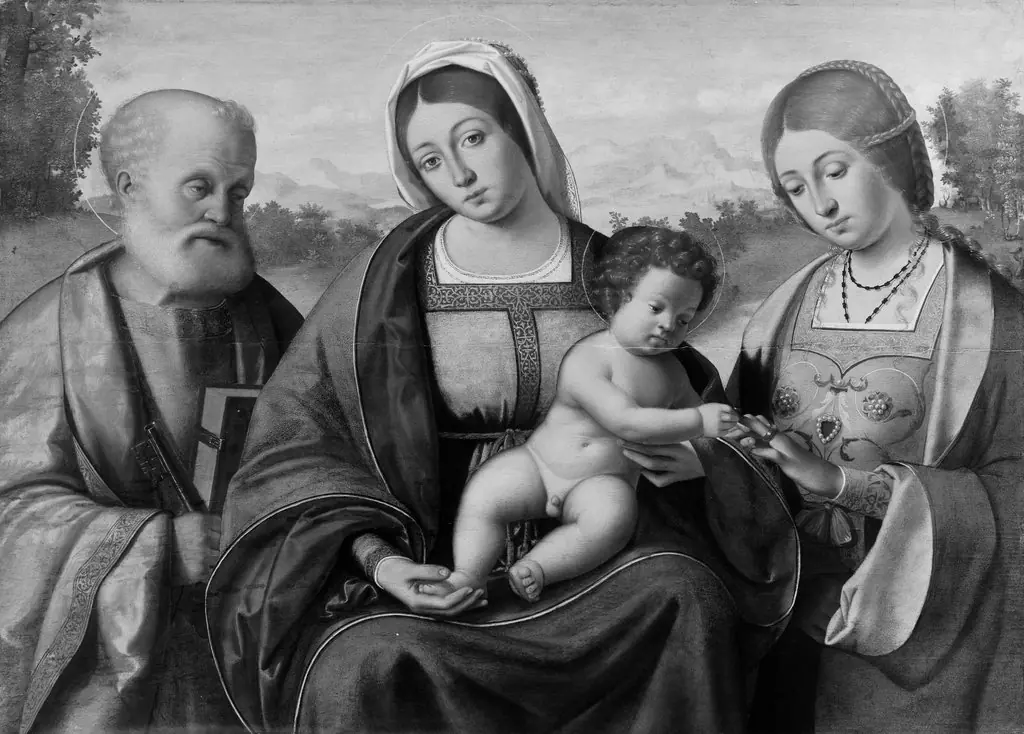 The engagement of Saint Catherine
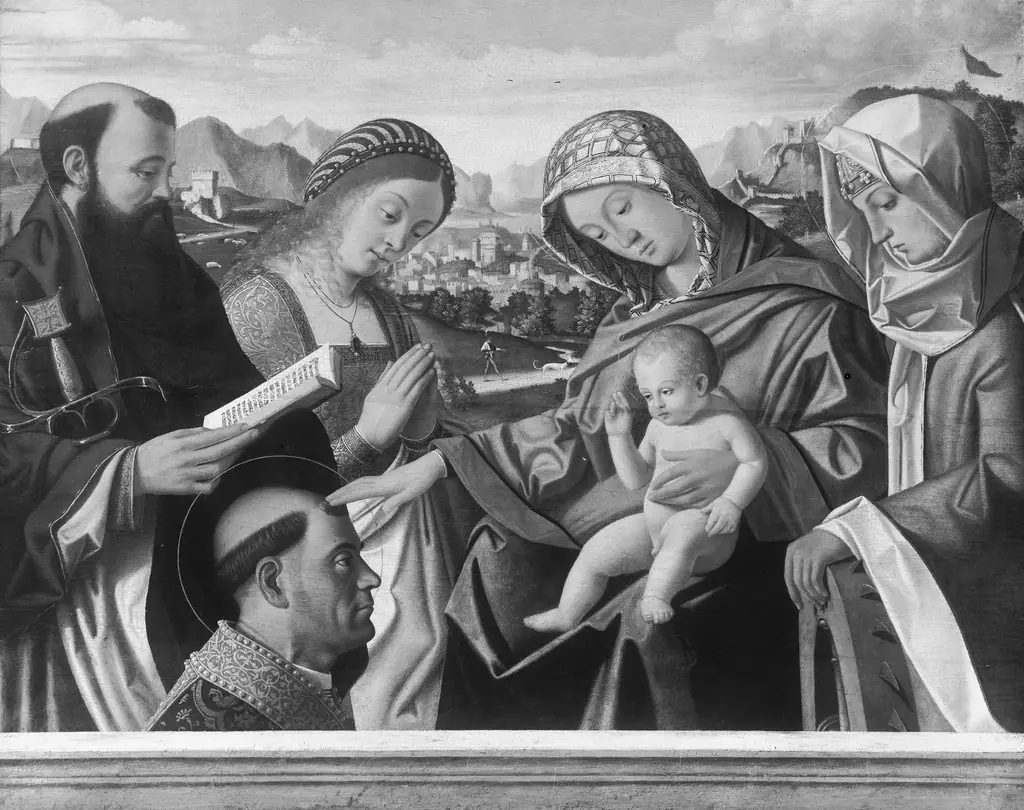 Mary with the child and four saints
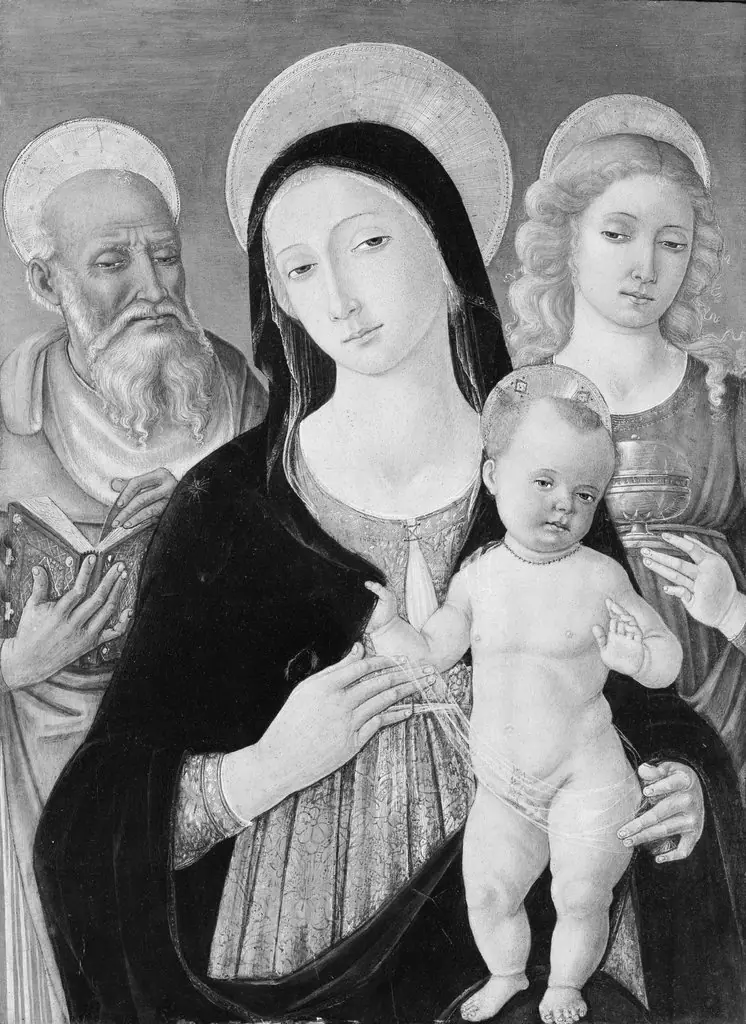 Madonna and Child with Saints Jerome and Mary Magdalen
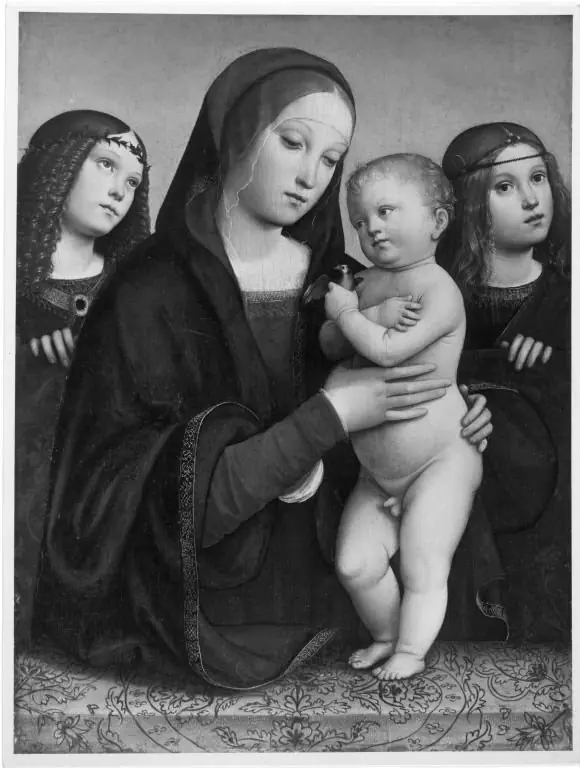 Maria mit dem Kinde und zwei Engeln
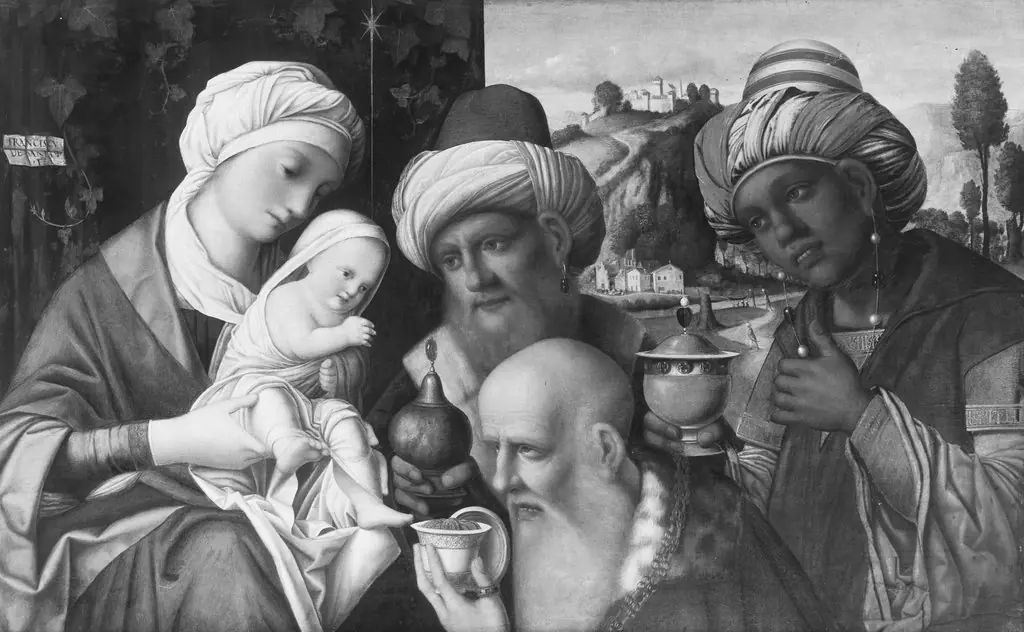 Adoration of the Kings
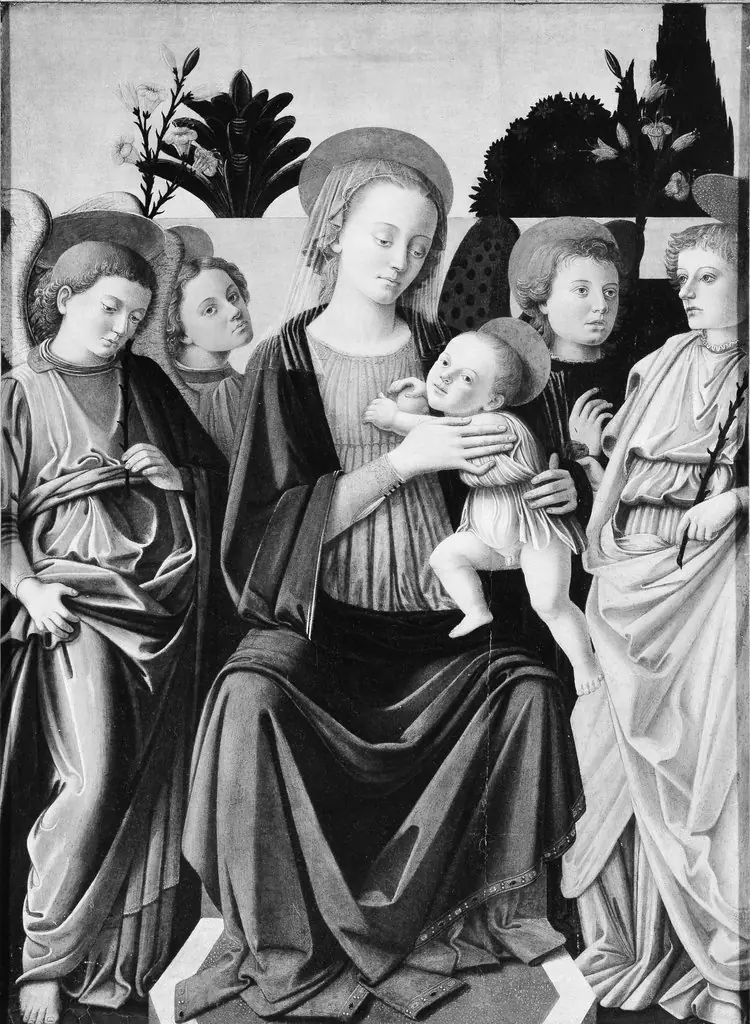 Madonna and Child with Angels
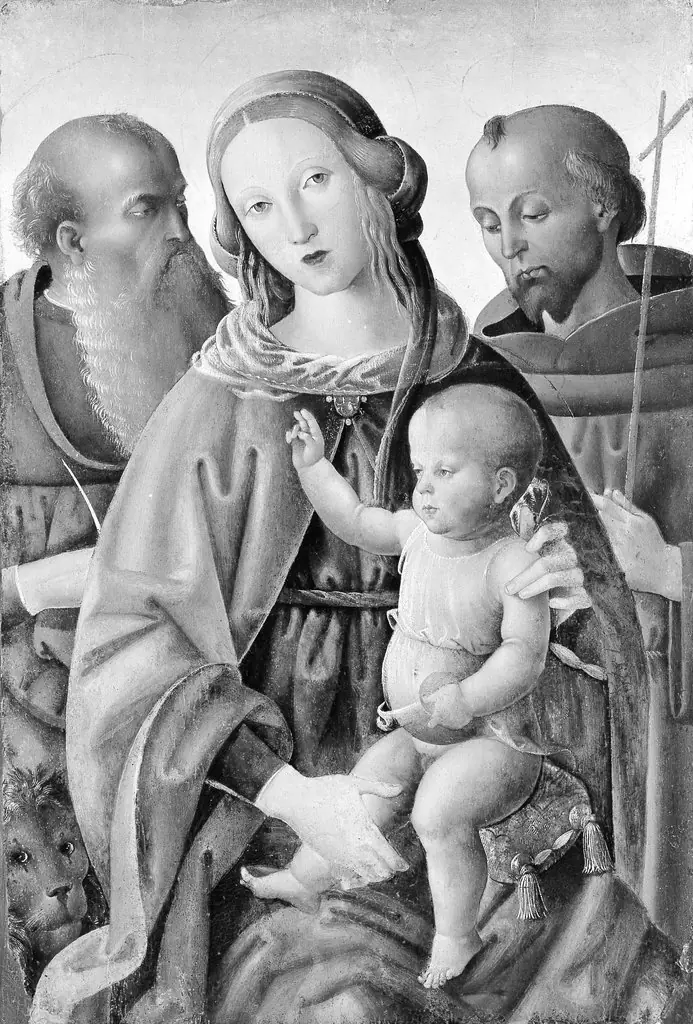 Madonna and Child with Saints Jerome and Francis
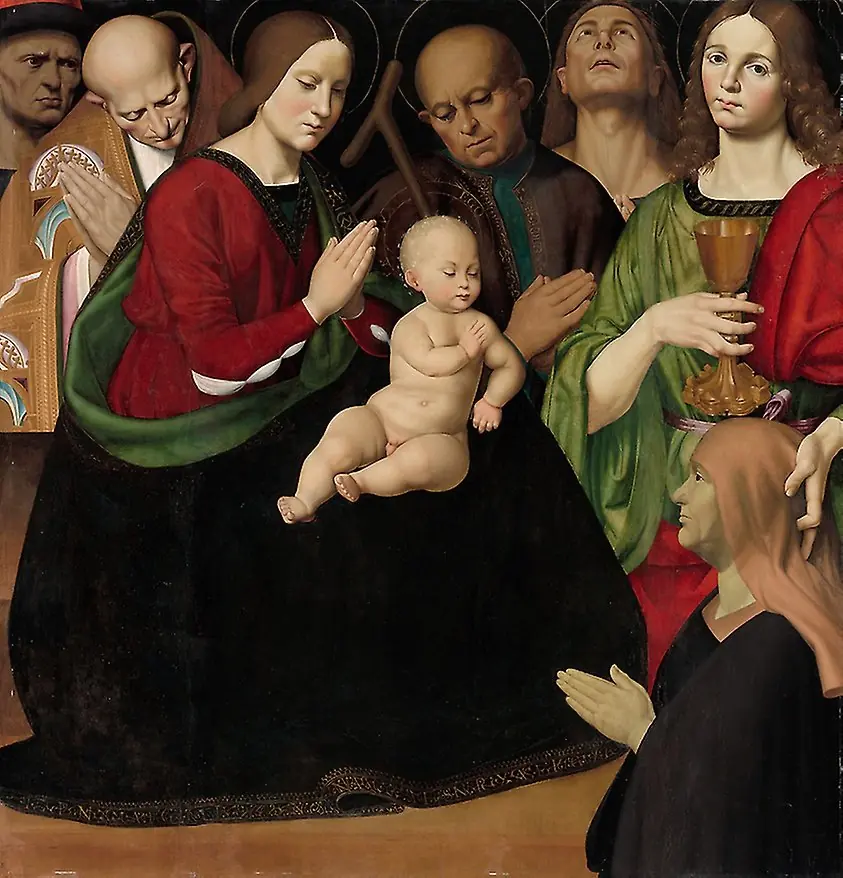 The Holy Family with Four Saints and a Female Donor
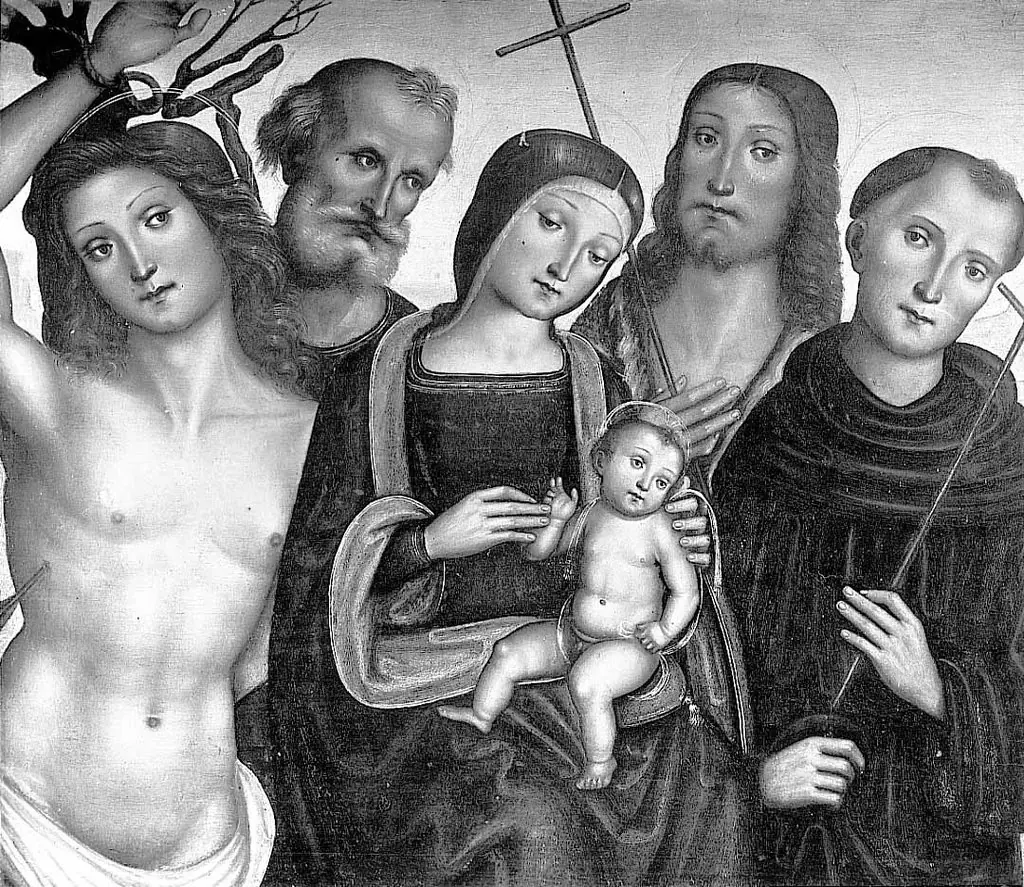 Mary with the child and Saints Sebastian, Antonius Eremita, Antonius of Padua and John the Baptist
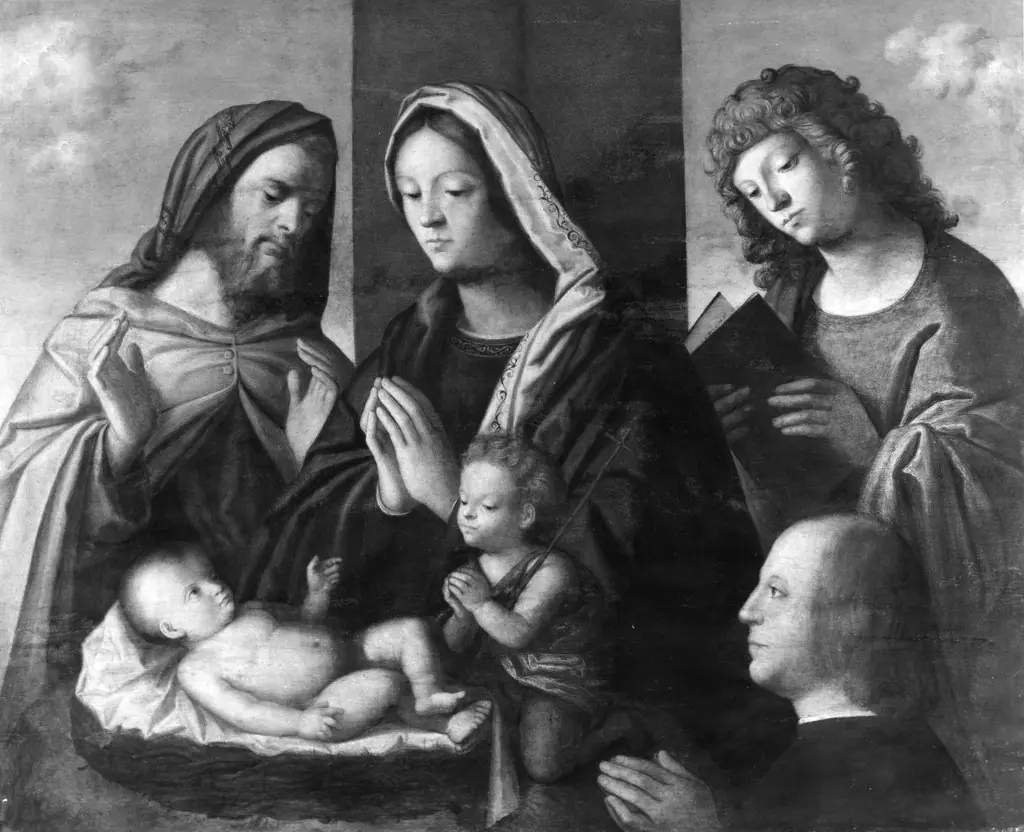 The Holy Family with the Young St. John the Baptist, St. John the Evangelist, and a Donor