Artwork
The engagement of Saint Catherine
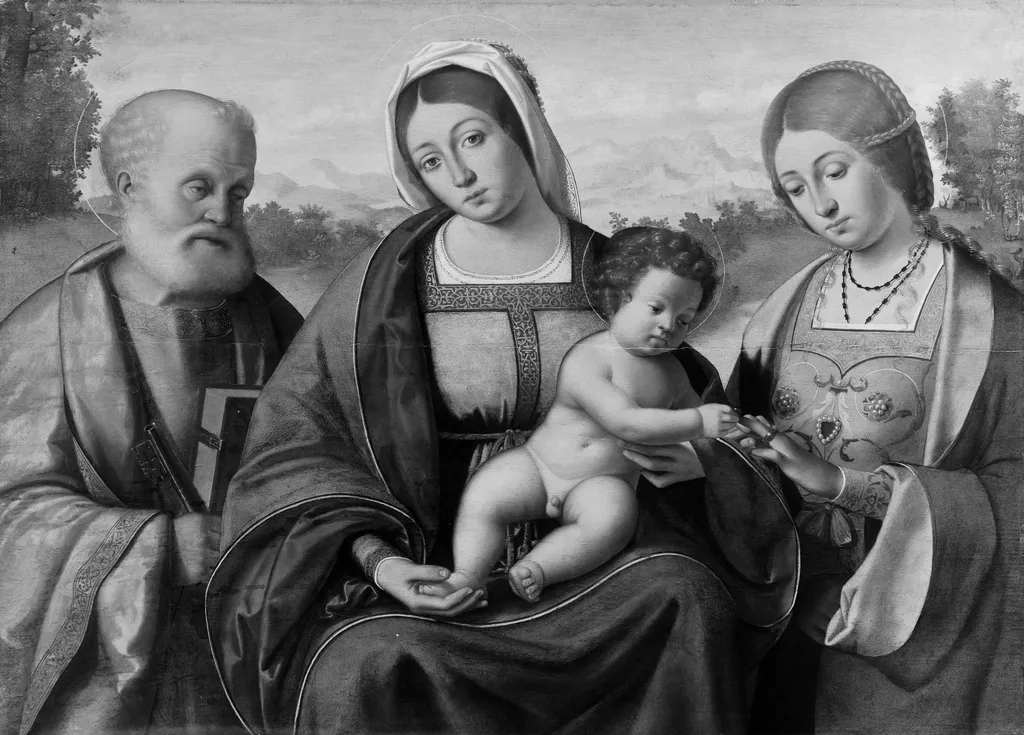
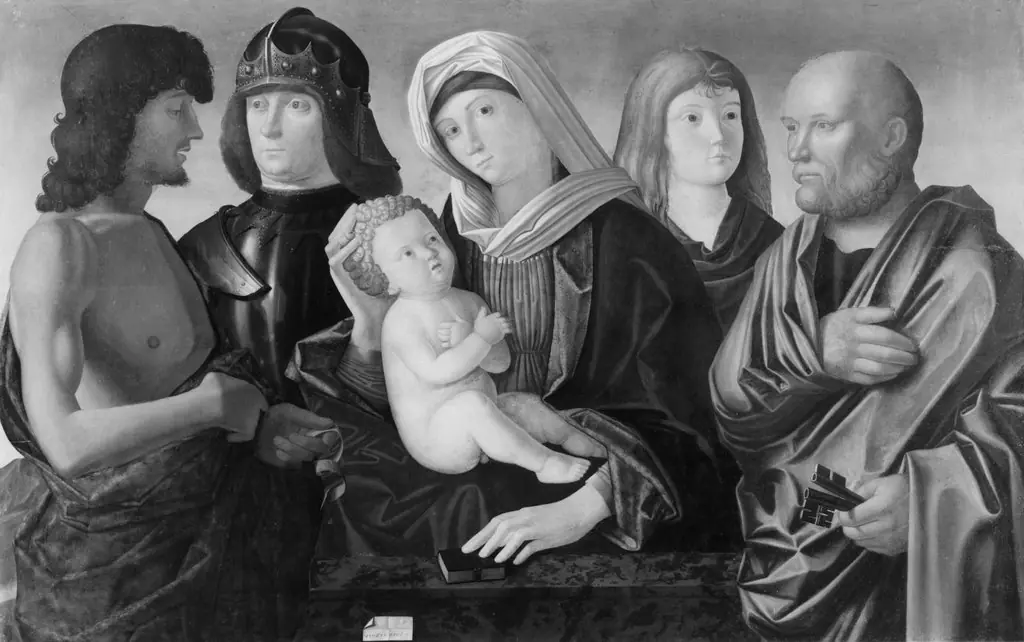
The engagement of Saint Catherine is a paint painting by the Early Renaissance artist Andrea Previtali. It dates from 1510 and is held in the collection of the Gemäldegalerie Berlin.
About this work
Overview
The painting is now part of the Gemäldegalerie Berlin’s collection, where it remains a quiet example of regional Renaissance piety.
Painted circa 1510 by Andrea Previtali, this work captures a moment from the legend of Saint Catherine of Alexandria. Executed in oil on panel, it reflects the devotional painting traditions of early 16th-century Lombardy. The composition centers on a quiet, intimate encounter among three figures, set against a softly rendered landscape. The painting is now part of the Gemäldegalerie Berlin’s collection, where it remains a quiet example of regional Renaissance piety.
Subject & Meaning
The scene illustrates the mystical betrothal of Saint Catherine to Christ, symbolized by the infant Jesus placing a ring on her finger. The bearded figure on the left is likely God the Father, while the central woman, Saint Catherine, receives the divine pledge. The calm expressions and gentle gestures convey spiritual union rather than dramatic revelation. This iconography, rooted in medieval hagiography, emphasized personal devotion and heavenly grace over theatrical spectacle.
Technique & Style
Previtali employs subtle chiaroscuro to model the figures with quiet volume, avoiding harsh contrasts. The drapery folds are rendered with restrained precision, and the landscape background, though minimal, provides spatial depth through atmospheric perspective. Facial features are softly defined, emphasizing serenity over individuality. The palette is muted, dominated by earth tones and pale hues, reinforcing the contemplative mood. Brushwork remains controlled, typical of Lombard painters influenced by both Venetian color and Northern detail.
History & Provenance
The painting was likely created for private devotion or a small chapel in Bergamo, where Previtali worked under the influence of Giovanni Bellini and local traditions. It entered the Gemäldegalerie Berlin’s collection in the 19th century, possibly through the acquisition of private German holdings. No early documentation of its commission survives, but its scale and subject suggest it was intended for a devotional context rather than public display.
Context
In early 16th-century northern Italy, religious imagery often blended local devotional practices with broader Renaissance ideals. Previtali’s work reflects the transition from Gothic intensity to Renaissance calm, aligning with trends in Lombard painting that favored emotional restraint and naturalistic setting. While Venice influenced his color, his compositions retain a northern attention to detail, illustrating the cross-regional currents shaping Italian art before the High Renaissance fully took hold.
Legacy
Though not widely known outside scholarly circles, the painting exemplifies the quiet, personal piety characteristic of regional Renaissance workshops. It preserves a moment in art history when religious narratives were rendered with intimacy rather than grandeur. Previtali’s restrained approach influenced lesser-known contemporaries in Bergamo and contributed to the development of a local style that valued harmony over spectacle.
Own this work as a print
Artist & collection
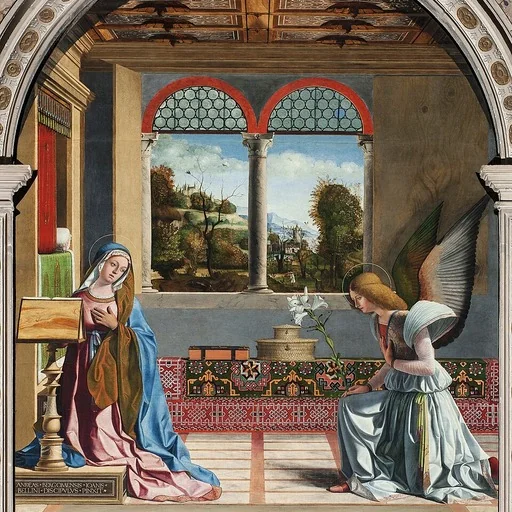
Artist
Andrea Previtali (c. 1480–1528) was an Italian painter of the Renaissance period, active mainly in Bergamo. He was also called Andrea Cordelliaghi.

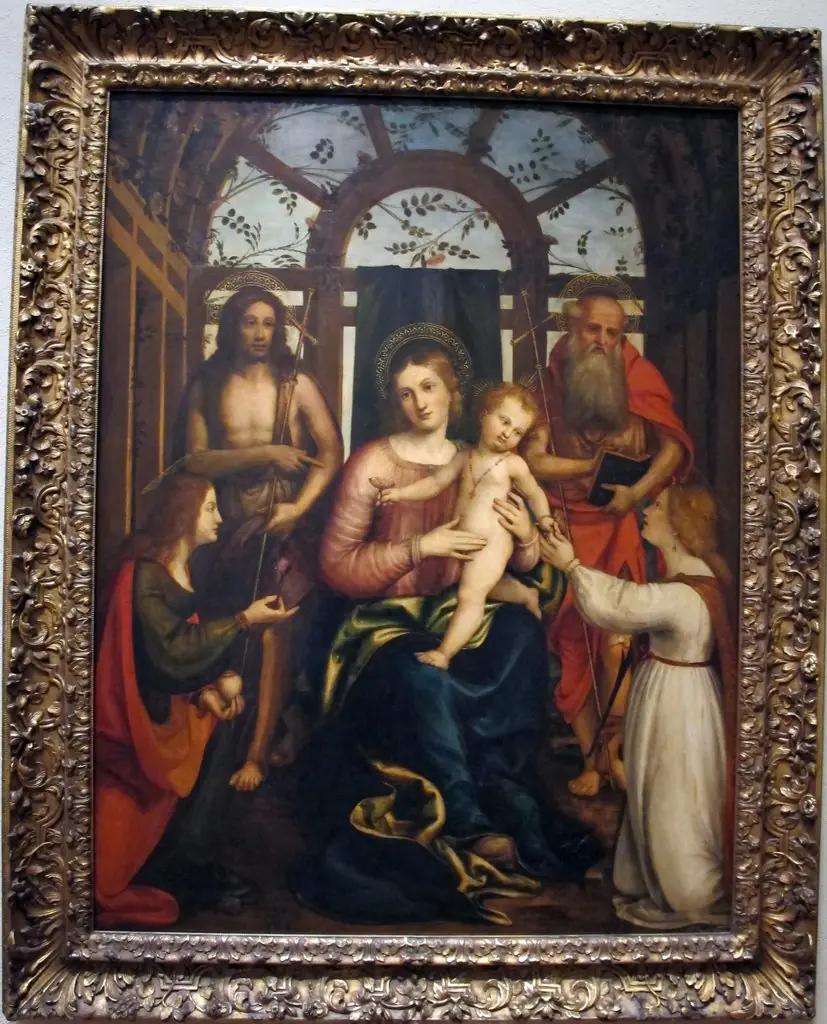 Virgin and Child, with Saints Mary Magdalene, John the Baptist, Jerome, and Catherine of Alexandria
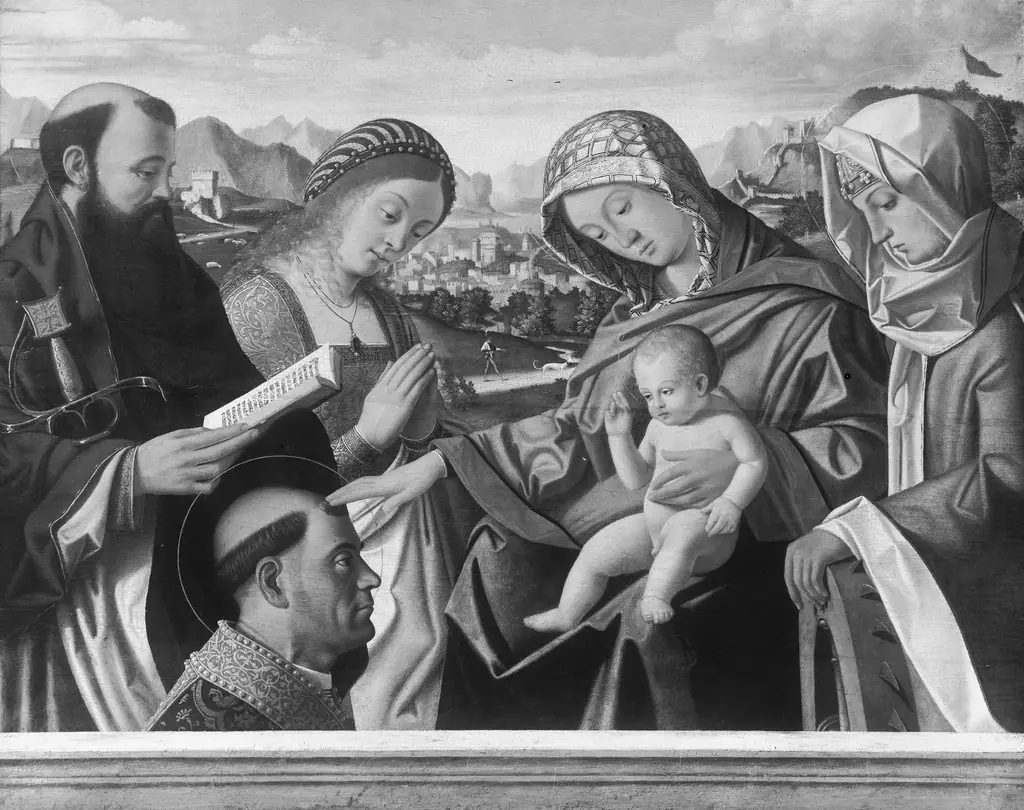 Mary with the child and four saints
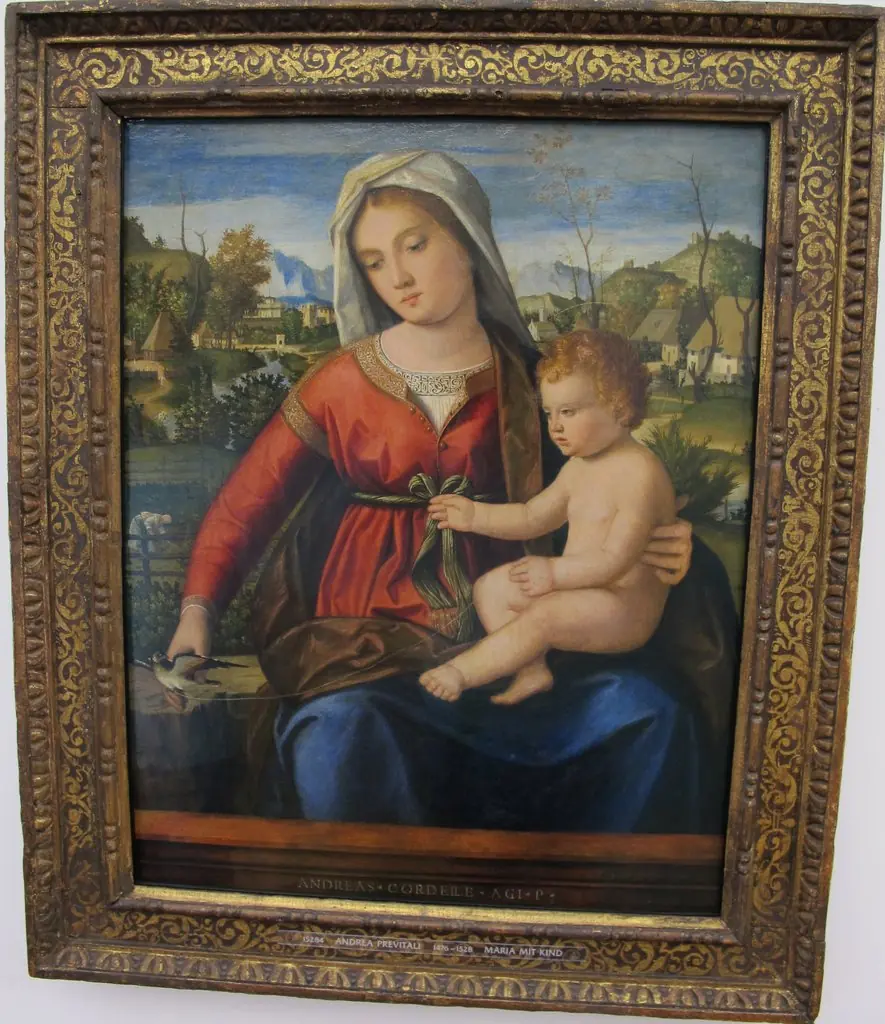 Muttergottes mit Kind
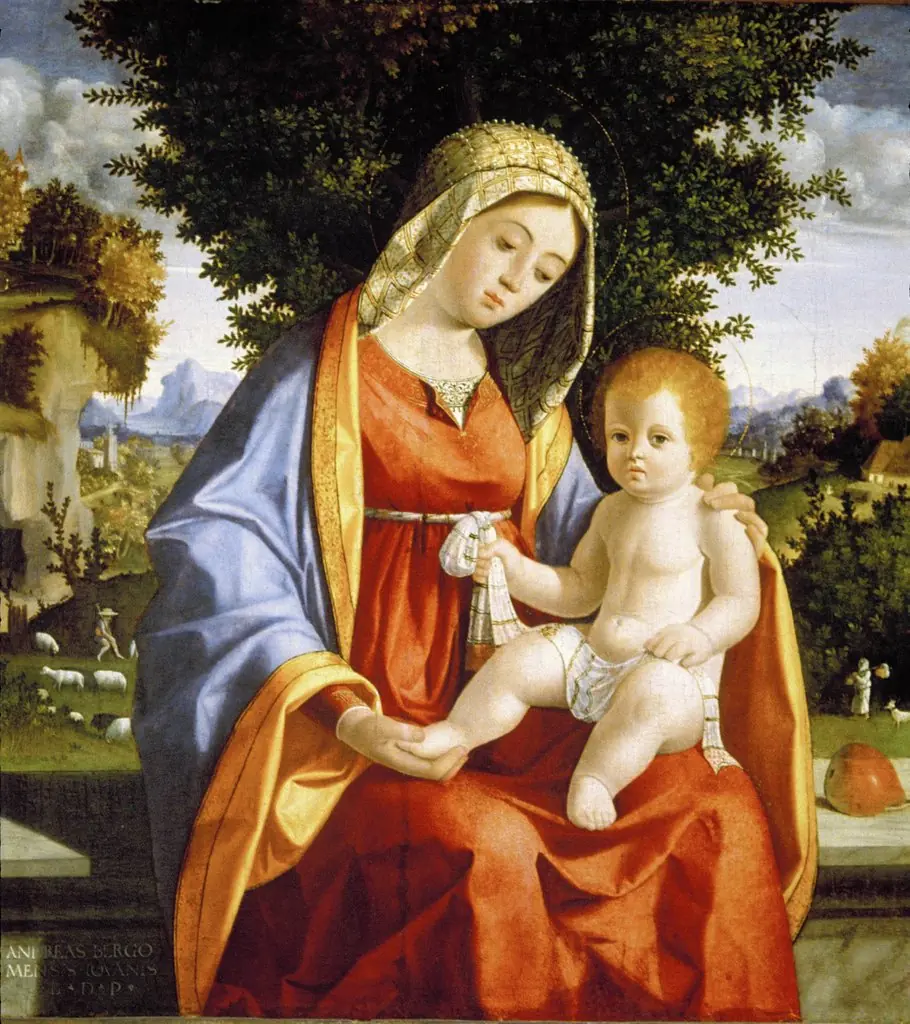 Madonna and Child in Landscape
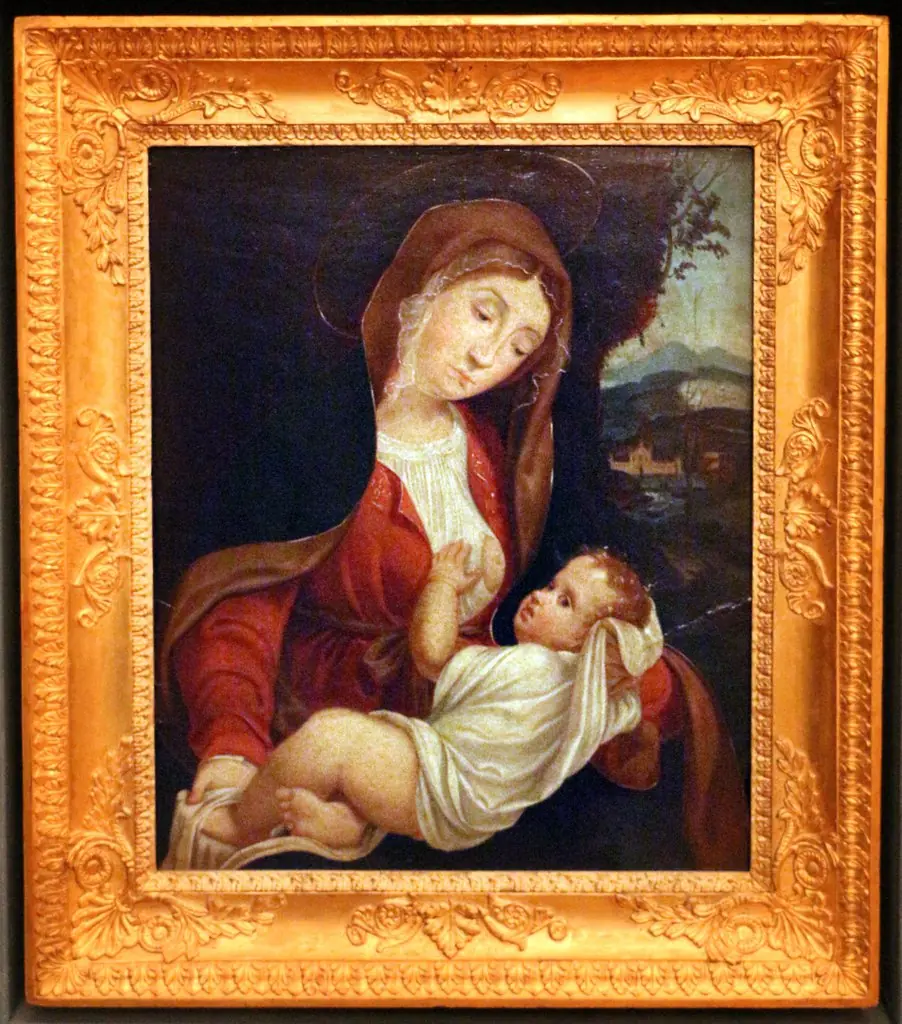 Madonna del latte (Previtali)
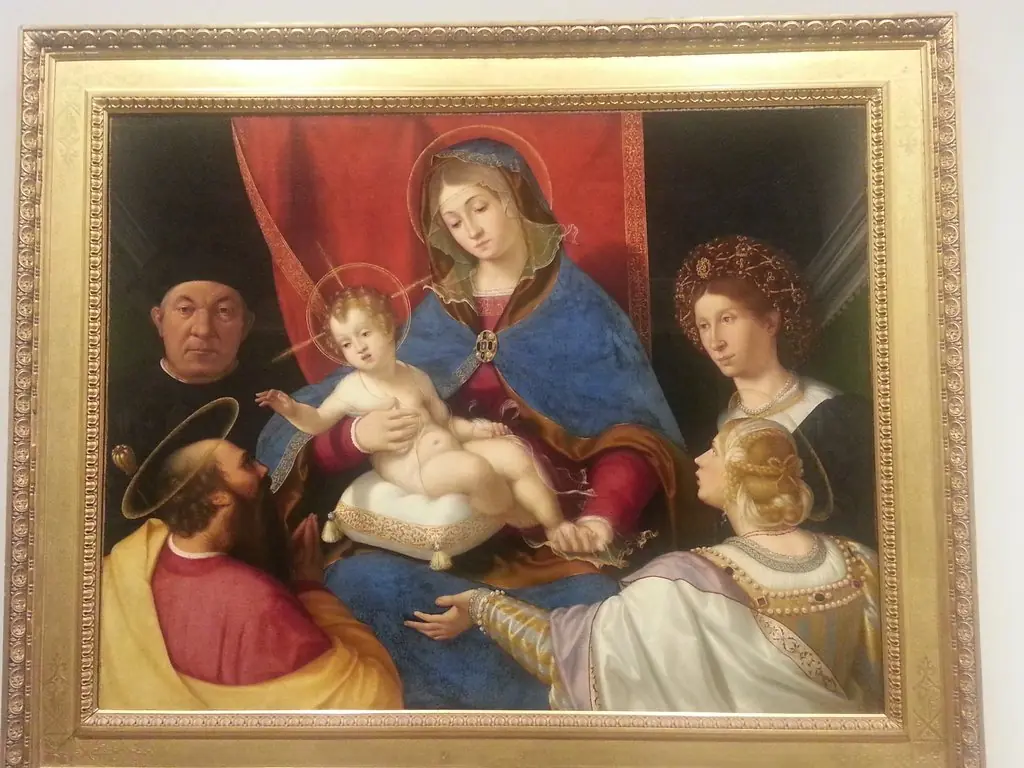 Madonna and child
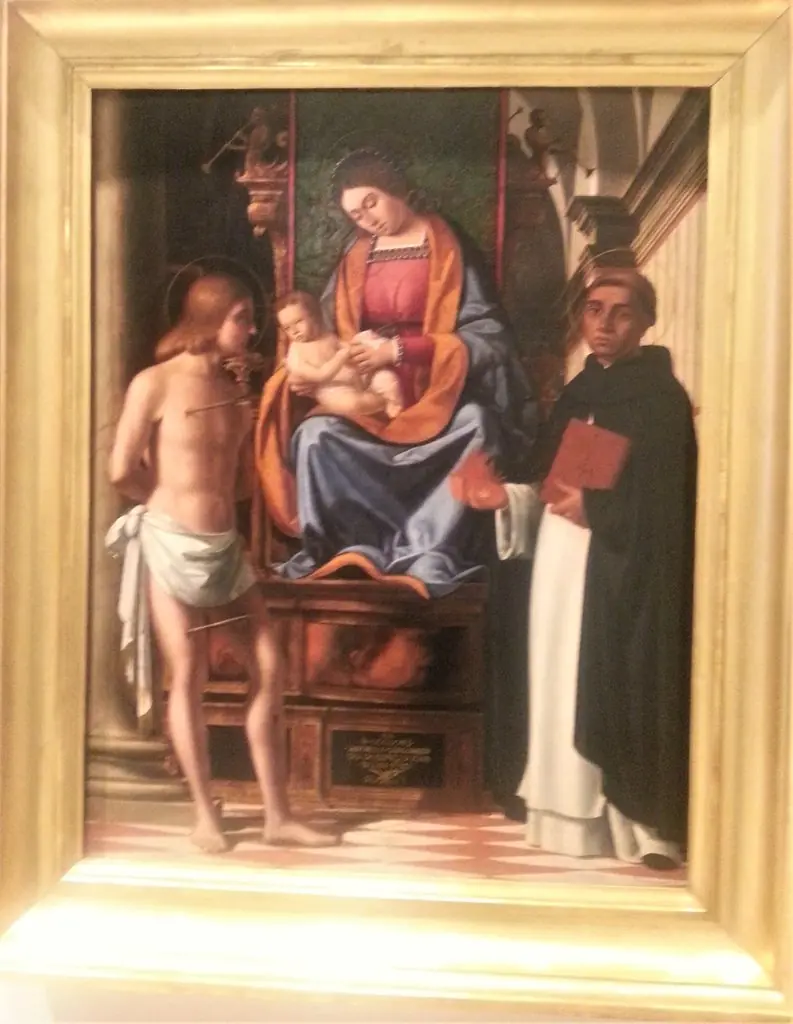 Madonna and Child enthroned between Saints Sebastian and Vincenzo Ferrer
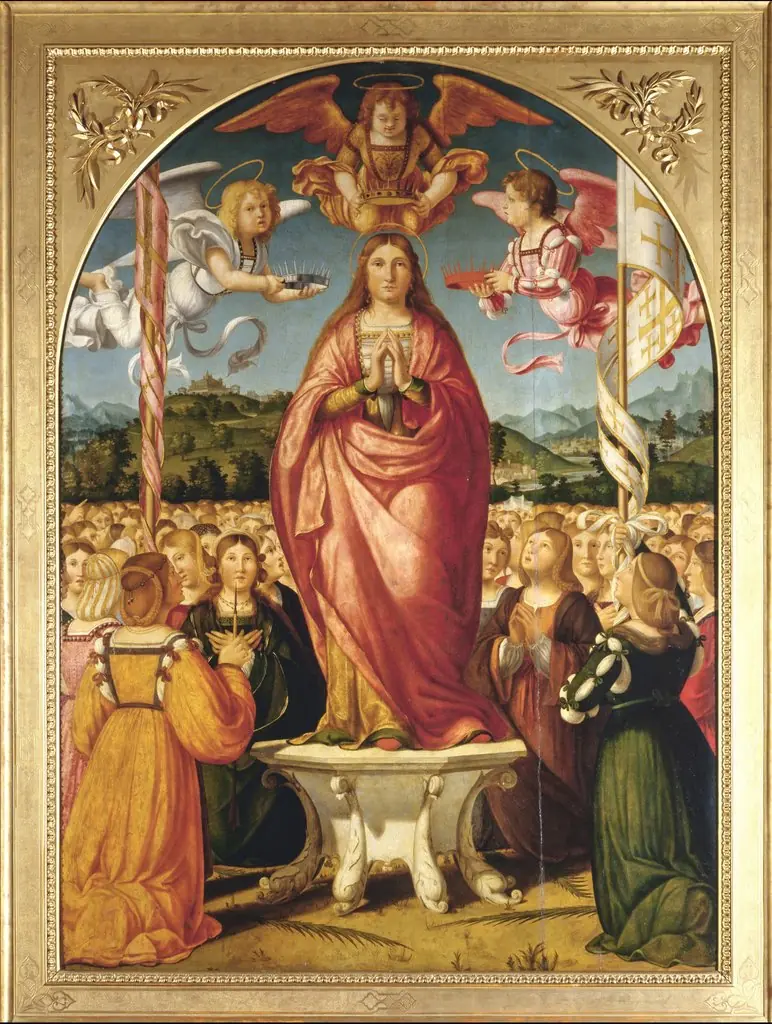 Sant'Orsola in gloria
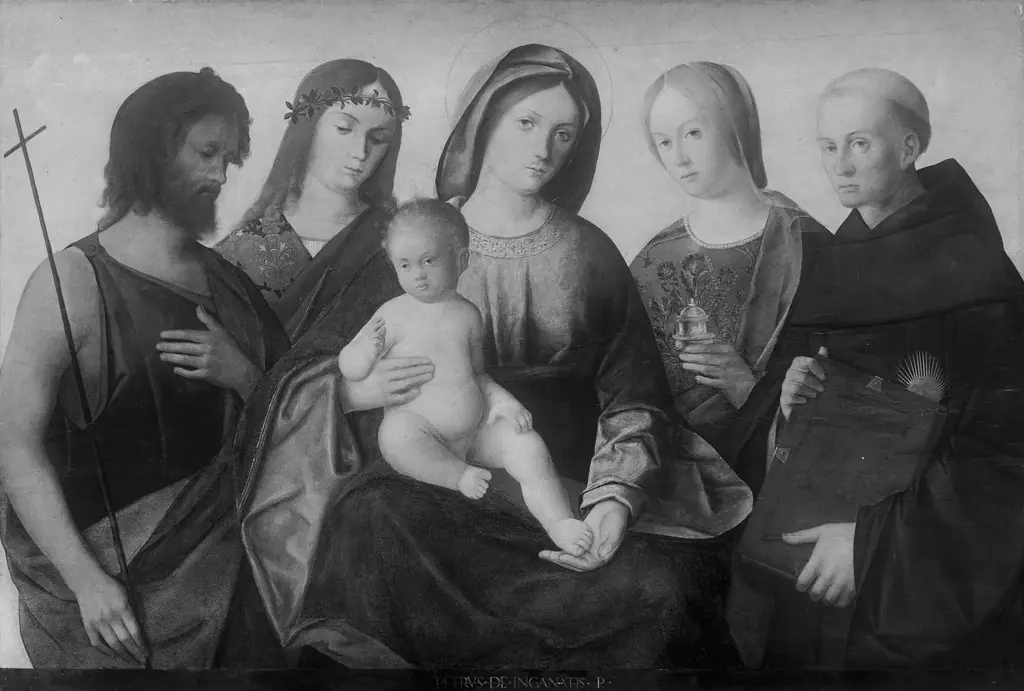 Mary with the child and four saints
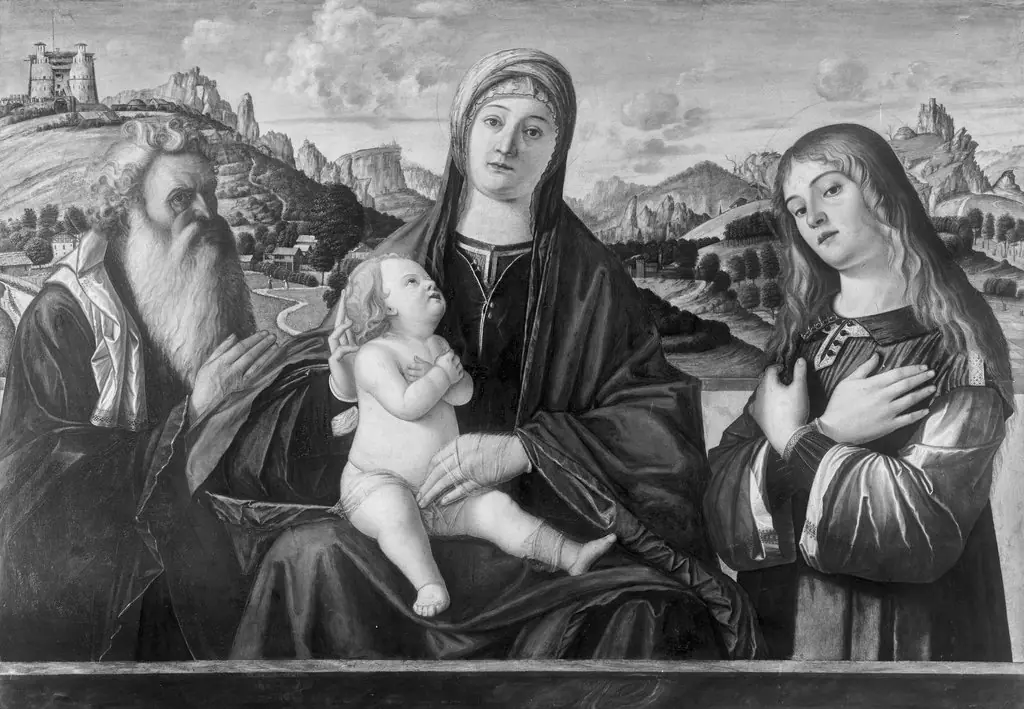 Madonna and Child with two Saints
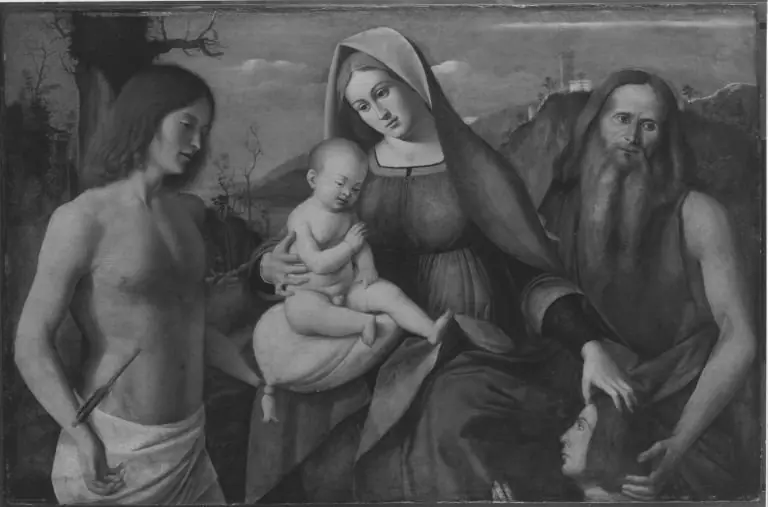 Madonna and Child, Saints Jeronimo, Sebastian und a donor
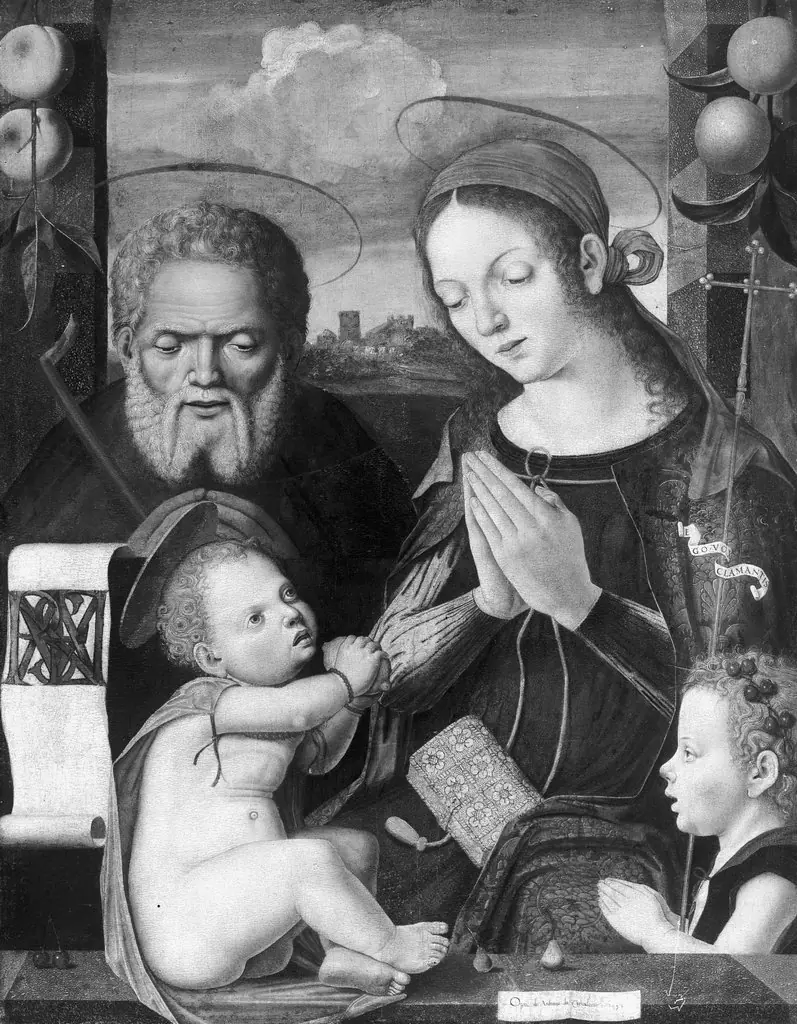 The Holy Family with little John
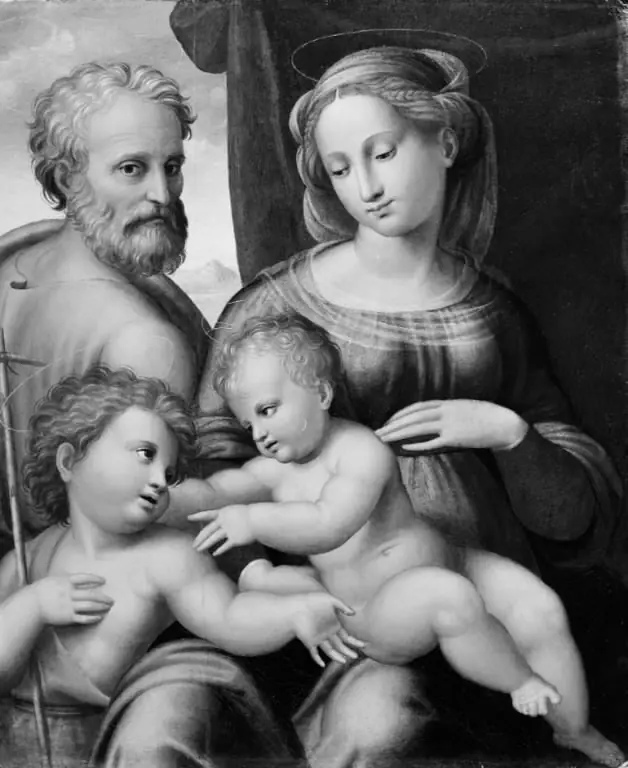 The Holy Family and St John
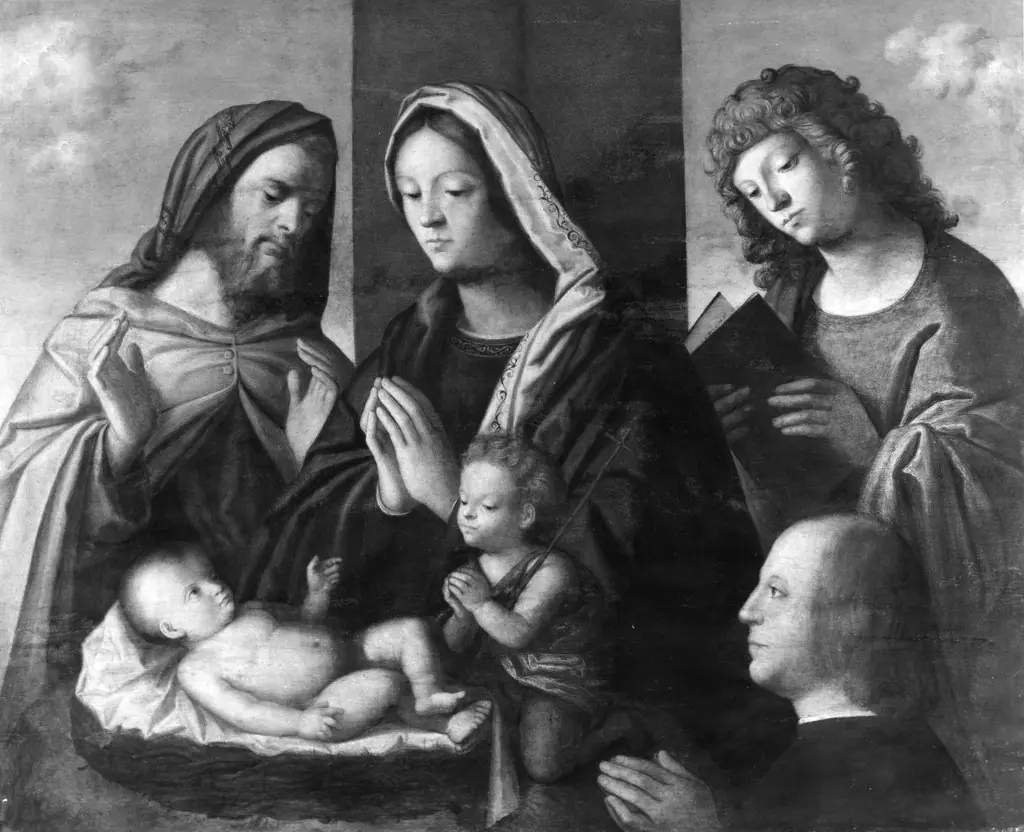 The Holy Family with the Young St. John the Baptist, St. John the Evangelist, and a Donor
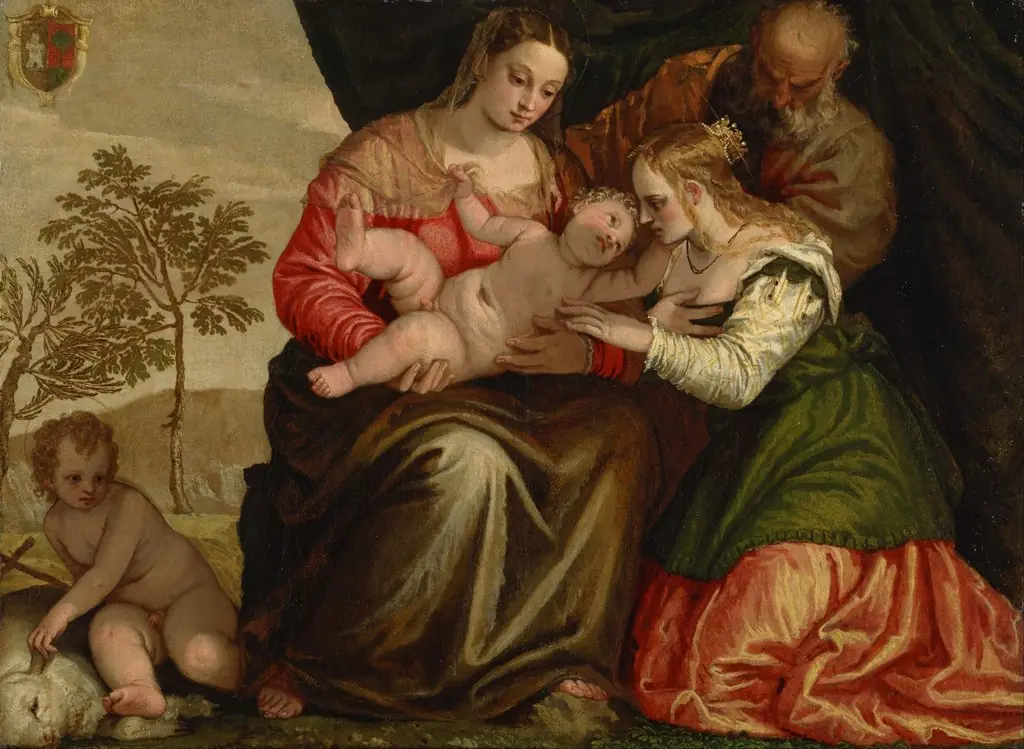 The Mystic Marriage of St. Catherine
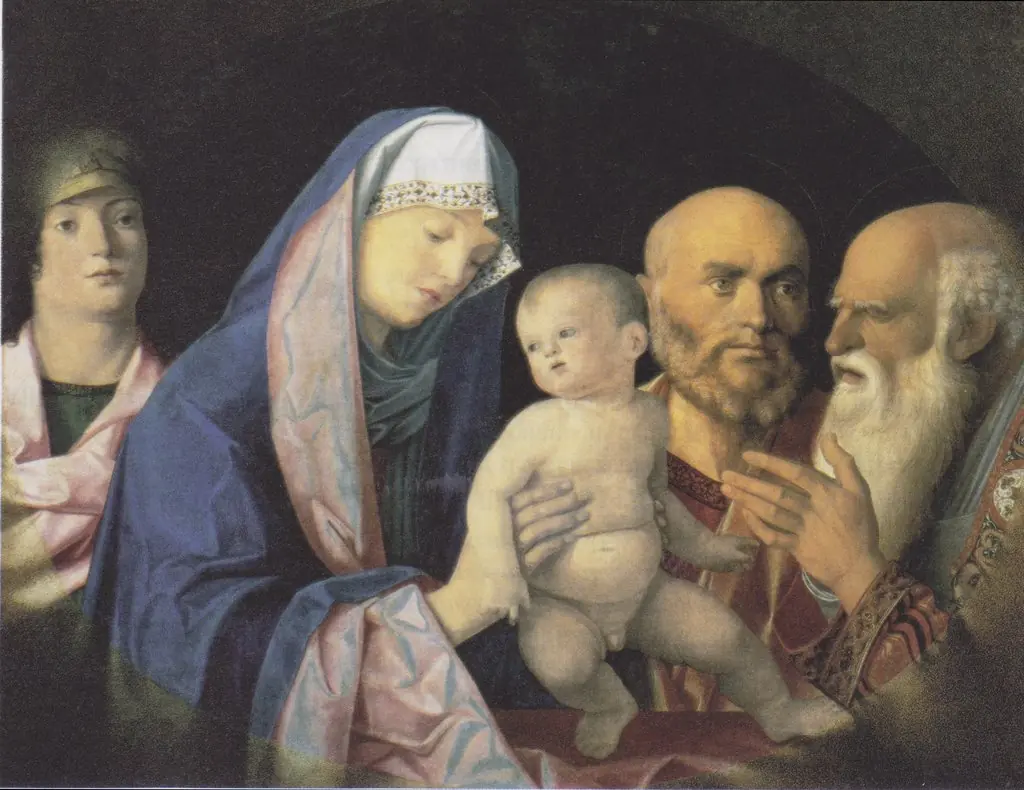 Presentation of Jesus
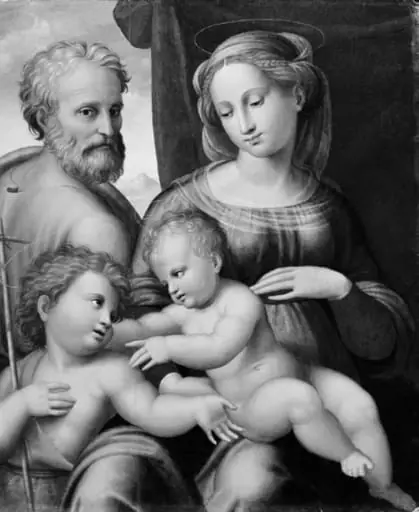 The Holy Family and St John
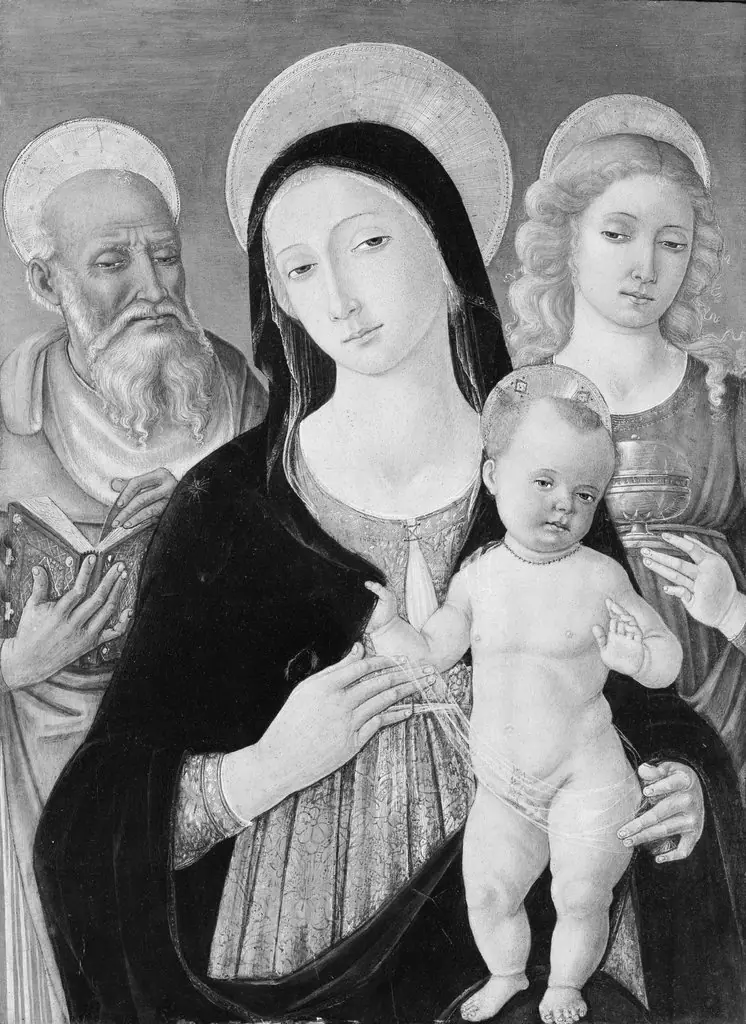 Madonna and Child with Saints Jerome and Mary Magdalen
 Sacred conversation