Artwork
Virgin and Child with Saint Mary Magdalene and Another Female Saint
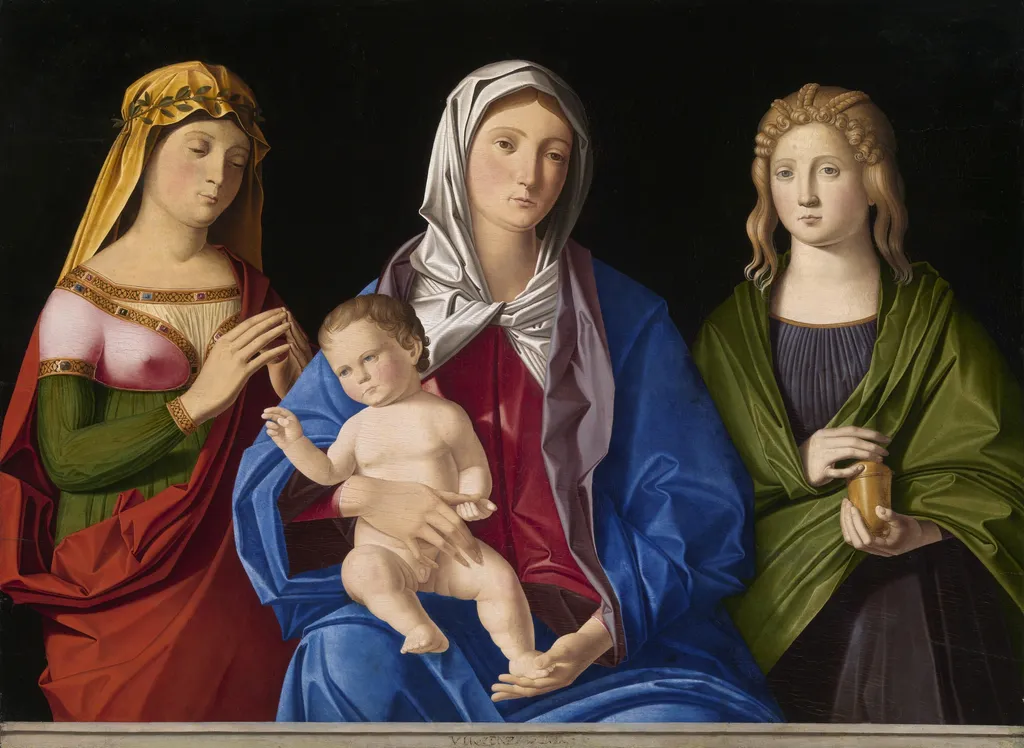
Virgin and Child with Saint Mary Magdalene and Another Female Saint is an oil painting by the High Renaissance artist Vincenzo Catena. It dates from 1510 and is held in the collection of the Kelvingrove Art Gallery and Museum.
About this work
Overview
The composition is centered on the seated Madonna, who cradles the child, while the saints flank her on either side.
Created circa 1510, this oil painting by Venetian Renaissance artist Vincenzo Catena—also recorded as Vincenzo de Biagio—brings together the Virgin Mary with the infant Christ and two attendant female saints. The composition is centered on the seated Madonna, who cradles the child, while the saints flank her on either side. The work is part of the permanent collection at the Kelvingrove Art Gallery and Museum.
Subject & Meaning
The central figure of the Virgin, robed in blue and red, embodies the traditional iconography of motherhood and divine intercession. The Christ Child, modestly covered only by a blue cloth, emphasizes his humanity. Flanking saints—identified as Mary Magdalene and an unnamed female saint—represent penitence and sanctified virtue, reinforcing the devotional intent of the piece.
Technique & Style
Catena employs oil on canvas to achieve a luminous surface, using a dark background that heightens the vivid hues of the garments and the flesh tones. The contrast of light and shadow reflects a chiaroscuro approach, while the delicate rendering of fabrics and the serene expressions align with High Renaissance aesthetics prevalent in Venice.
History & Provenance
Active in Venice at the turn of the 16th century, Catena produced works that blended local traditions with broader Italian influences. After remaining in private hands for several centuries, the painting entered the Kelvingrove Art Gallery and Museum collection, where it has been displayed as part of the museum’s Renaissance holdings.
Context
The composition follows a common Venetian devotional format, pairing the Madonna and Child with saints to create a personal intercessory group. The inclusion of Mary Magdalene reflects the period’s renewed interest in penitential figures, while the anonymous female saint may represent a patron’s chosen intercessor, a practice typical of early 16th‑century commissions.
Artist & collection
Artist
Vincenzo Catena (c. 1480–1531) was an Italian painter of the Renaissance Venetian school. He is also known as Vincenzo de Biagio.

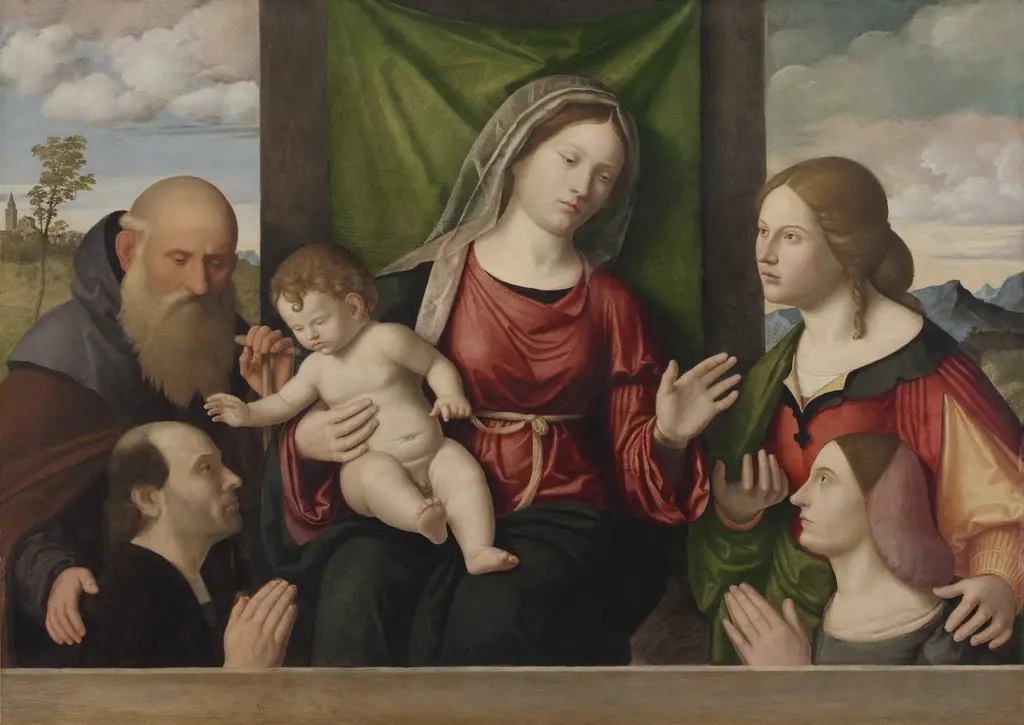 Virgin and Child with Saints and Donors
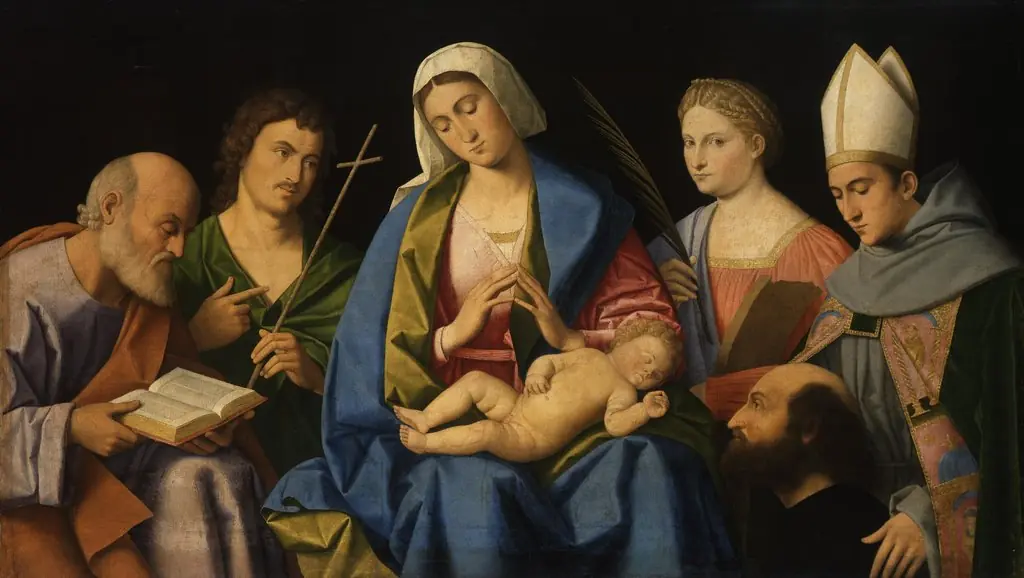
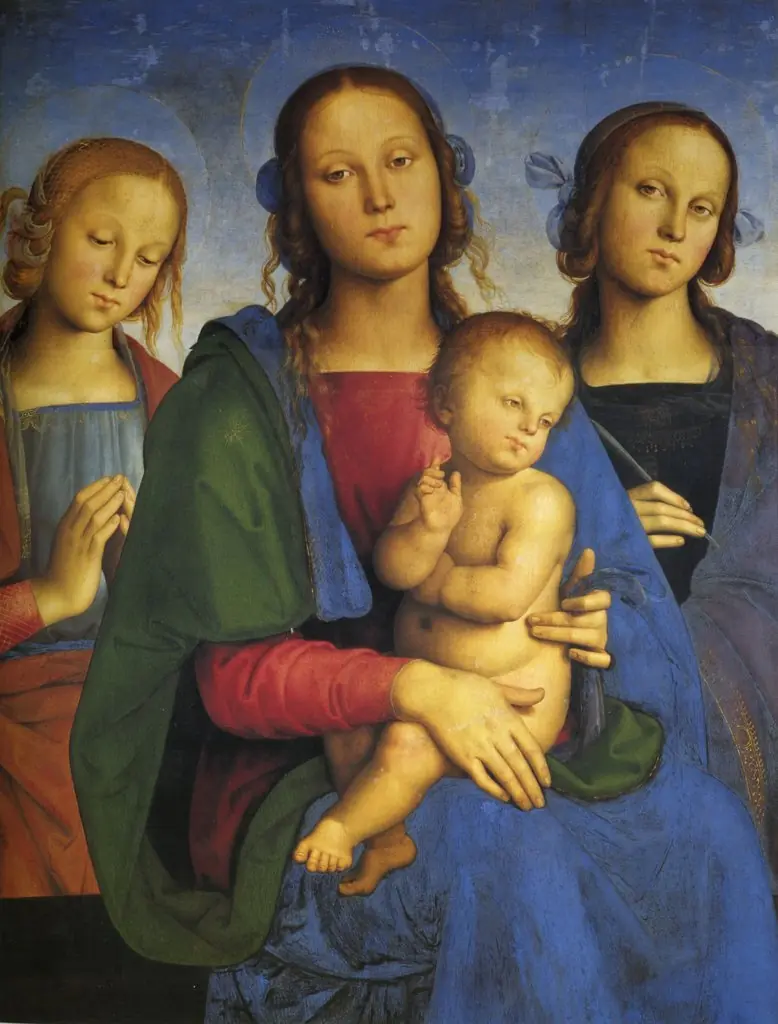 Madonna with child and two female saints
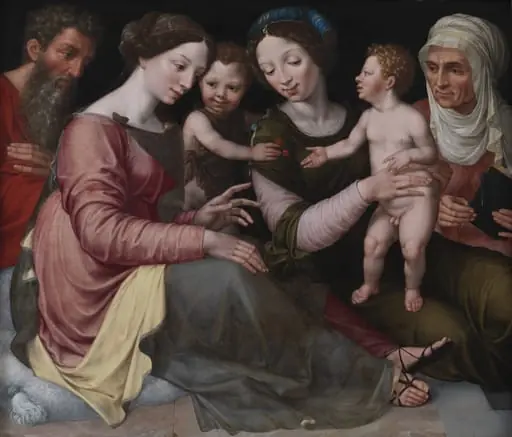 The Holy Family with the Infant St John, St Elizabeth and St Anna
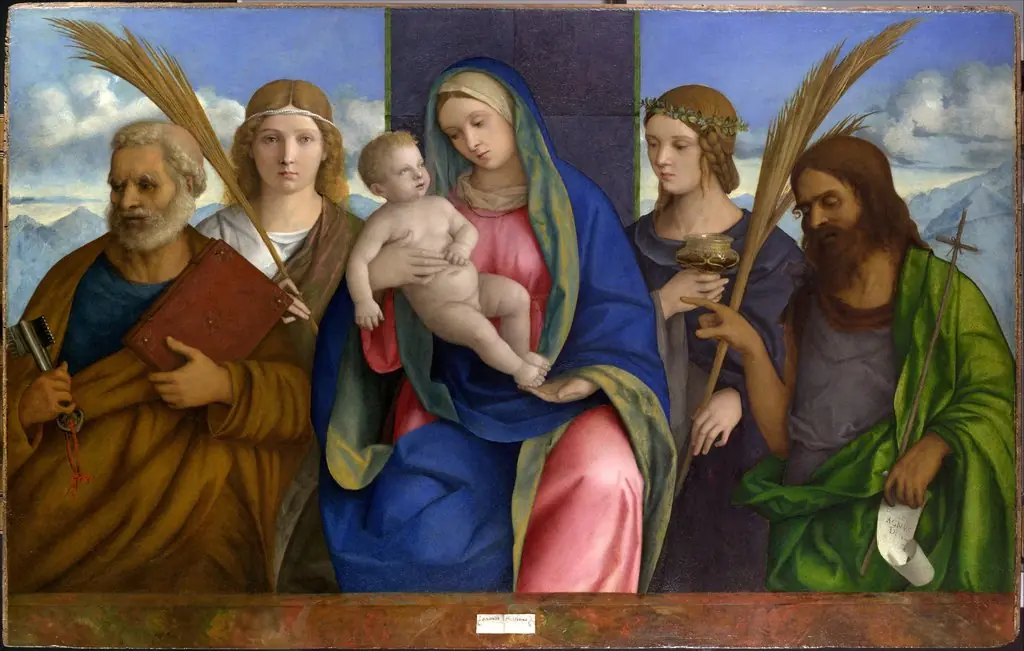 Madonna and Child with Saints
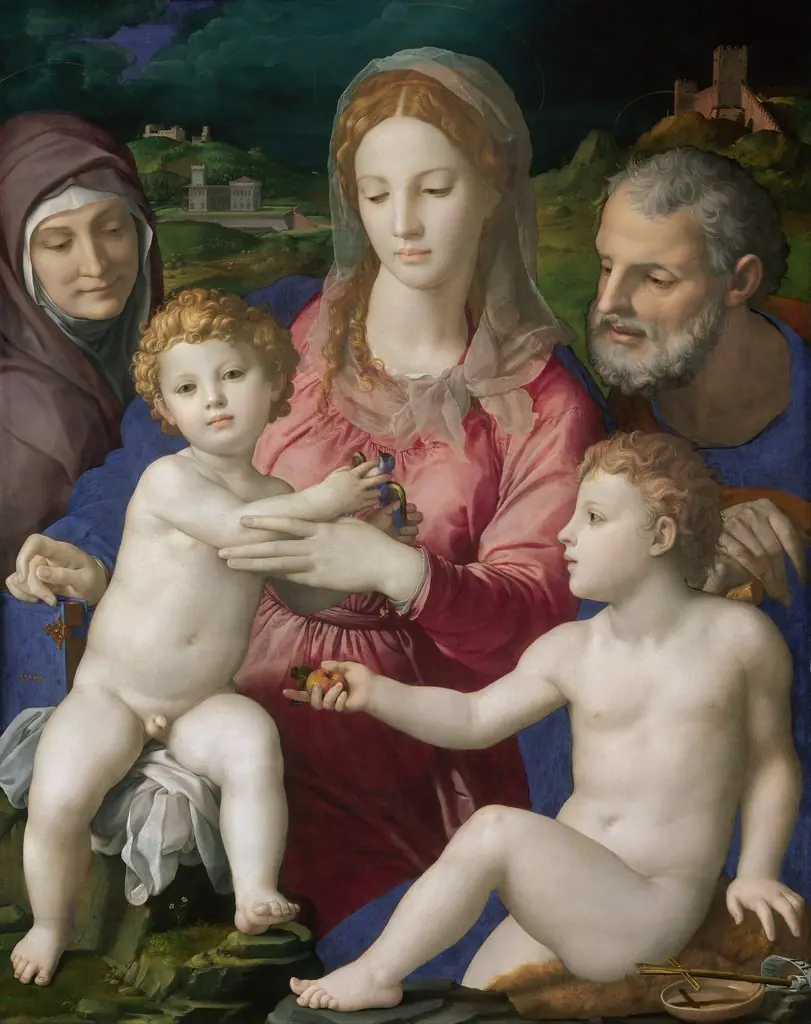 Holy Family with St. Anne and the Infant St. John
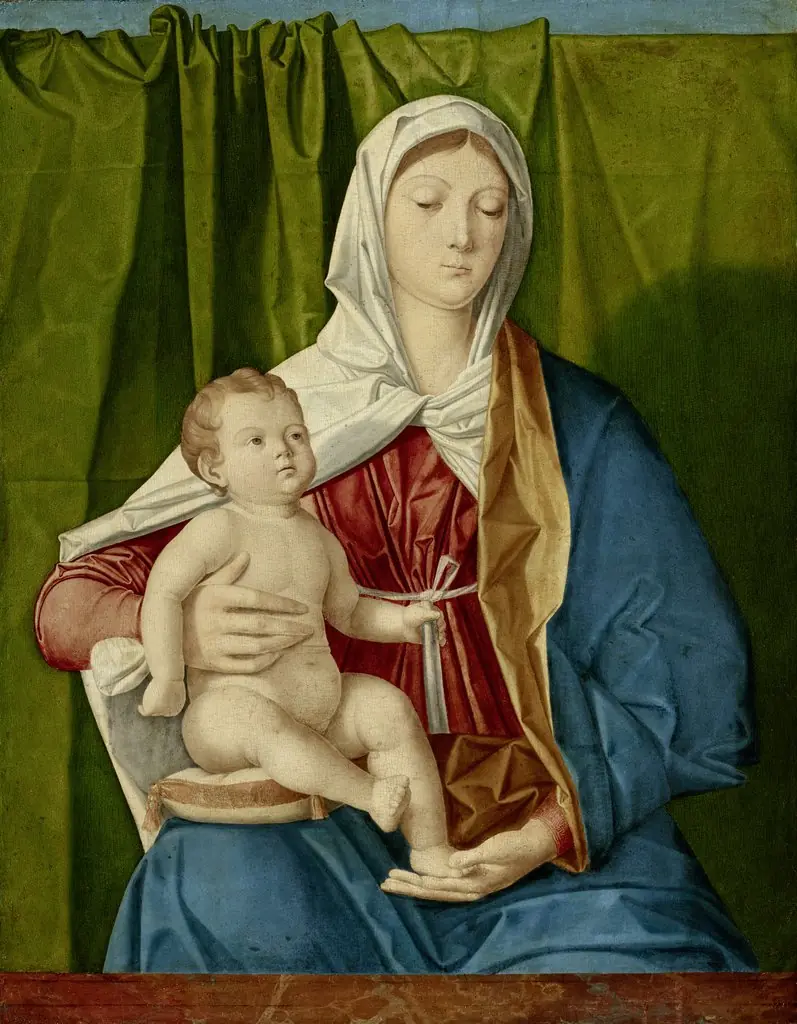
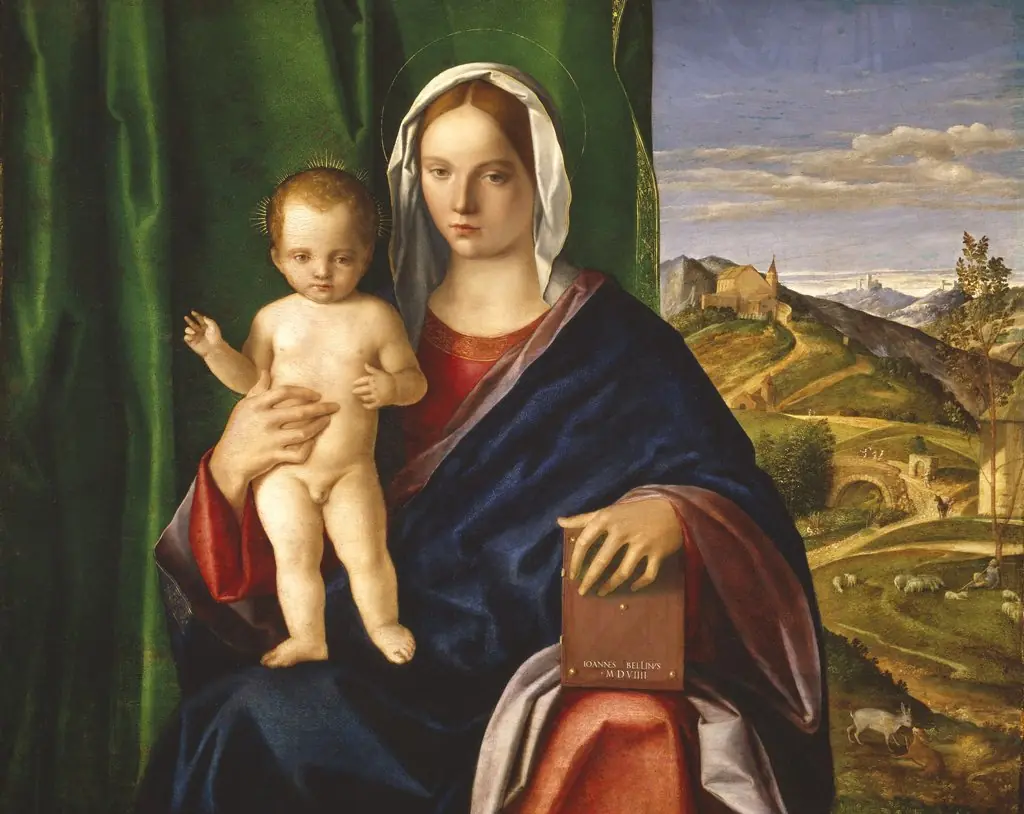 Madonna and Child
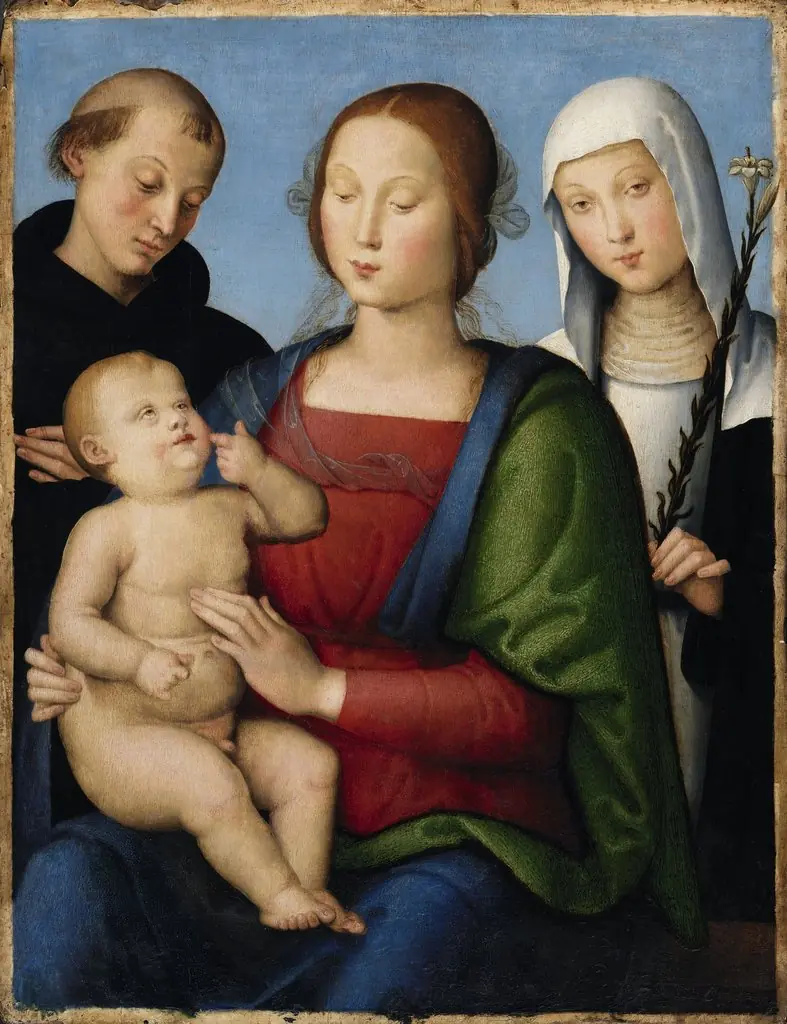 The Virgin and Child with Saints Nicholas of Tolentino and Catherine of Siena
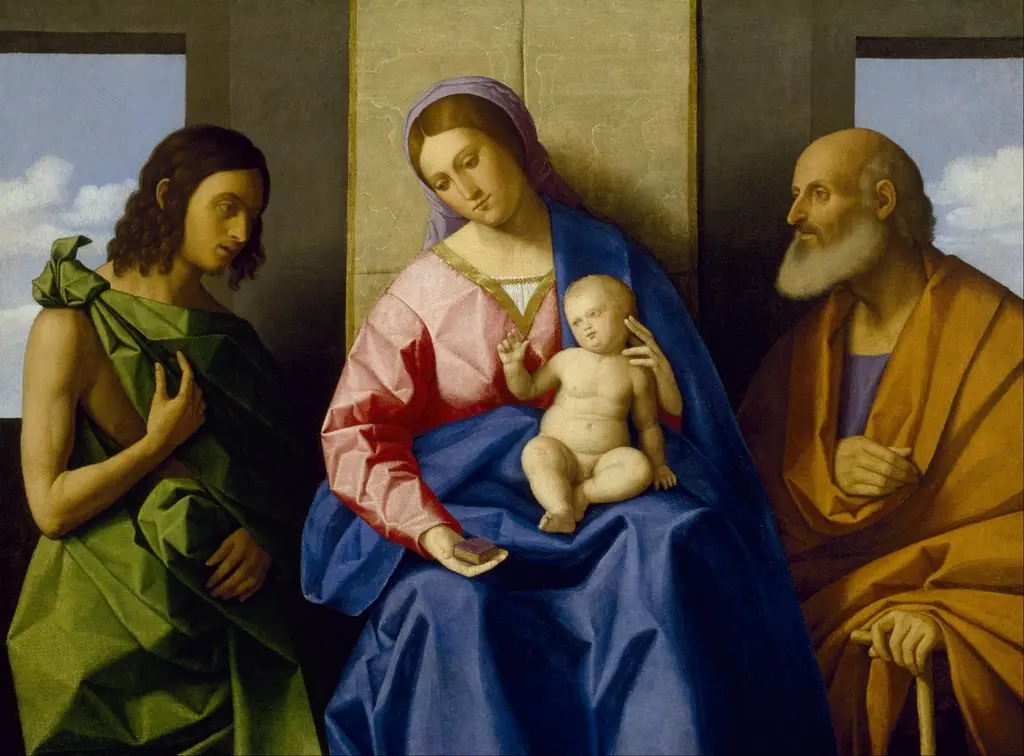 Virgin and Child with Saints John the Baptist and Joseph
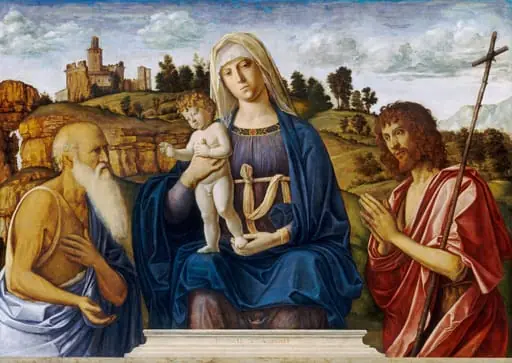 Madonna and Child with Saint Jerome and Saint John the Baptist
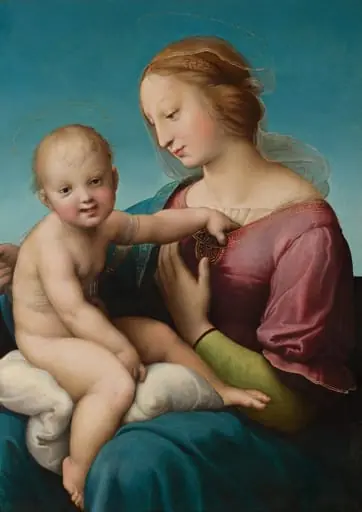 The Niccolini-Cowper Madonna
 The Virgin and Child Enthroned, with Saints John the Baptist and Lucy
 The Virgin and Child between two Saints