Artwork
Porträt der Elizaveta Markovna Olenina
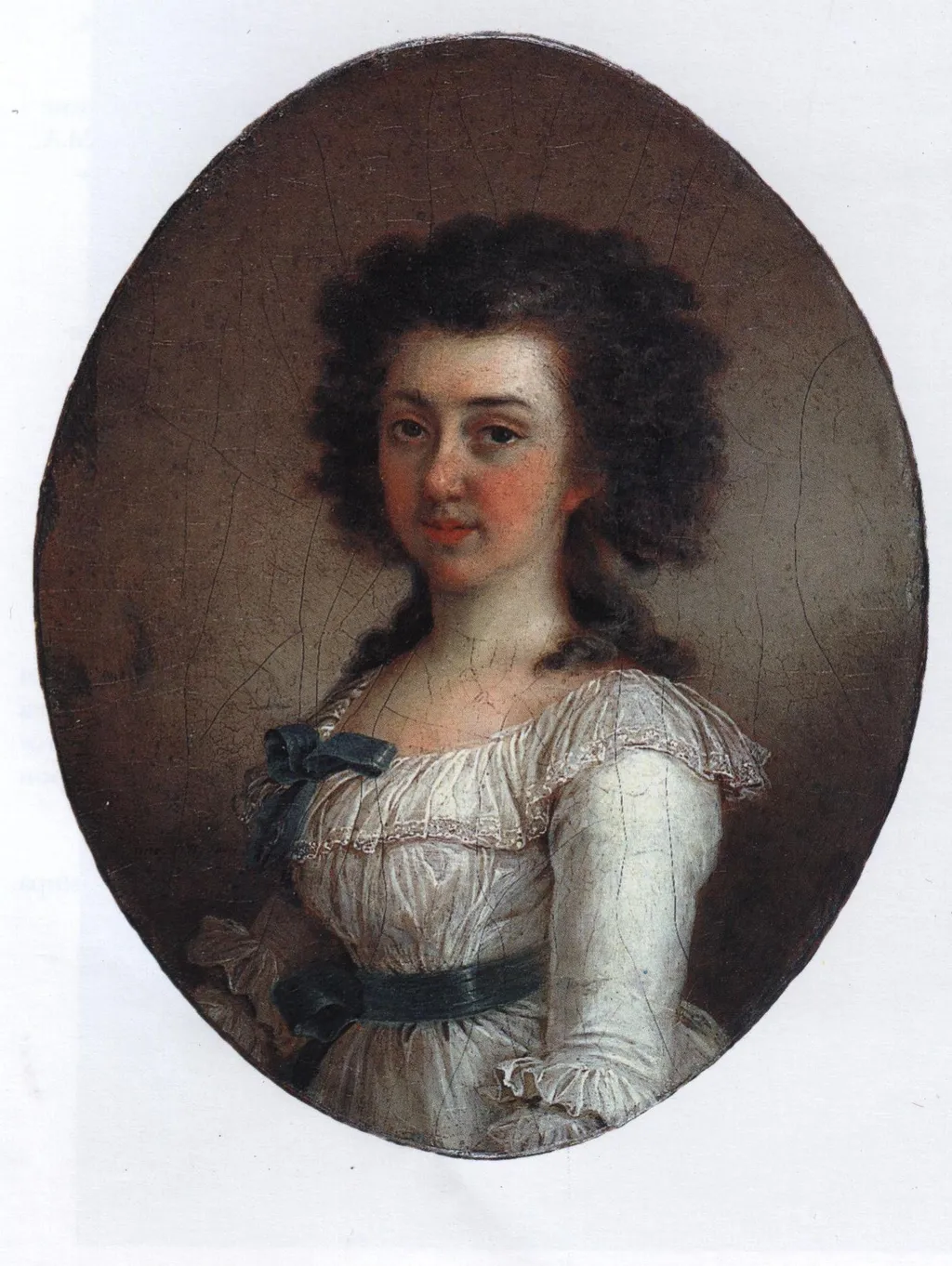
Porträt der Elizaveta Markovna Olenina is an oil painting by the Rococo painting artist Vladimir Borovikovsky. It dates from 1796 and is held in the collection of the Tretyakov Gallery.
About this work
Overview
Created in 1796, this oil portrait by Vladimir Borovikovsky captures Elizaveta Markovna Olenina. Executed in the Rococo idiom, the work is part of the Tretyakov Gallery’s collection. The composition presents a young woman in a white dress with a dark waist ribbon, set against a subdued brown backdrop, conveying a quiet, introspective atmosphere.
Subject & Meaning
Elizazeta Markovna appears serene, her gaze directed downward as if absorbed in contemplation. The slight smile on her lips and the relaxed curl of her hair suggest a moment of personal reflection rather than formal display, inviting viewers to consider the inner life of the sitter beyond her social standing.
Technique & Style
Borovikovsky employs chiaroscuro to model the figure, allowing light to illuminate the face and dress while deeper shadows give the composition depth. The delicate handling of brushwork, characteristic of Rococo’s elegance, renders the fabric’s texture and the subtle play of light across the subject’s features.
History & Provenance
The portrait was produced while Borovikovsky served at the court of Catherine the Great, a period when he was in high demand among Russian aristocracy. After changing hands among private collections, the painting entered the Tretyakov Gallery, where it remains accessible to the public.
Context
Borovikovsky, of Ukrainian Cossack ancestry, was a leading portraitist in late‑18th‑century Russia. His work reflects the court’s taste for refined, intimate portrayals that blend Western Rococo influences with Russian sensibilities, illustrating the cultural exchange shaping Russian art during Catherine’s reign.
Artist & collection
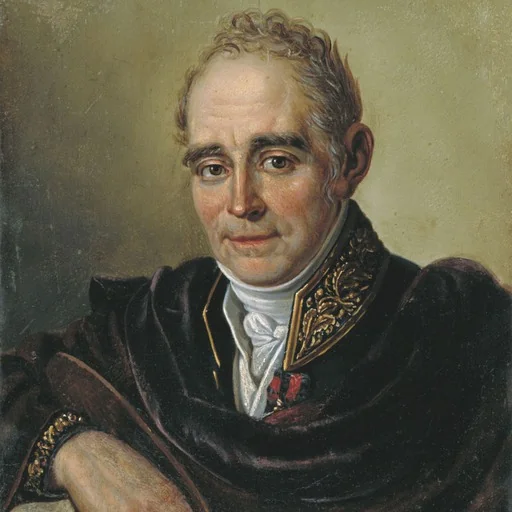
Artist
Vladimir Lukich Borovikovsky (August 4 1757 – April 18 1825) was a Russian artist of Ukrainian Cossack origin. He served at the court of Catherine the Great and dominated portraiture in Russia at the turn of the 19th century.

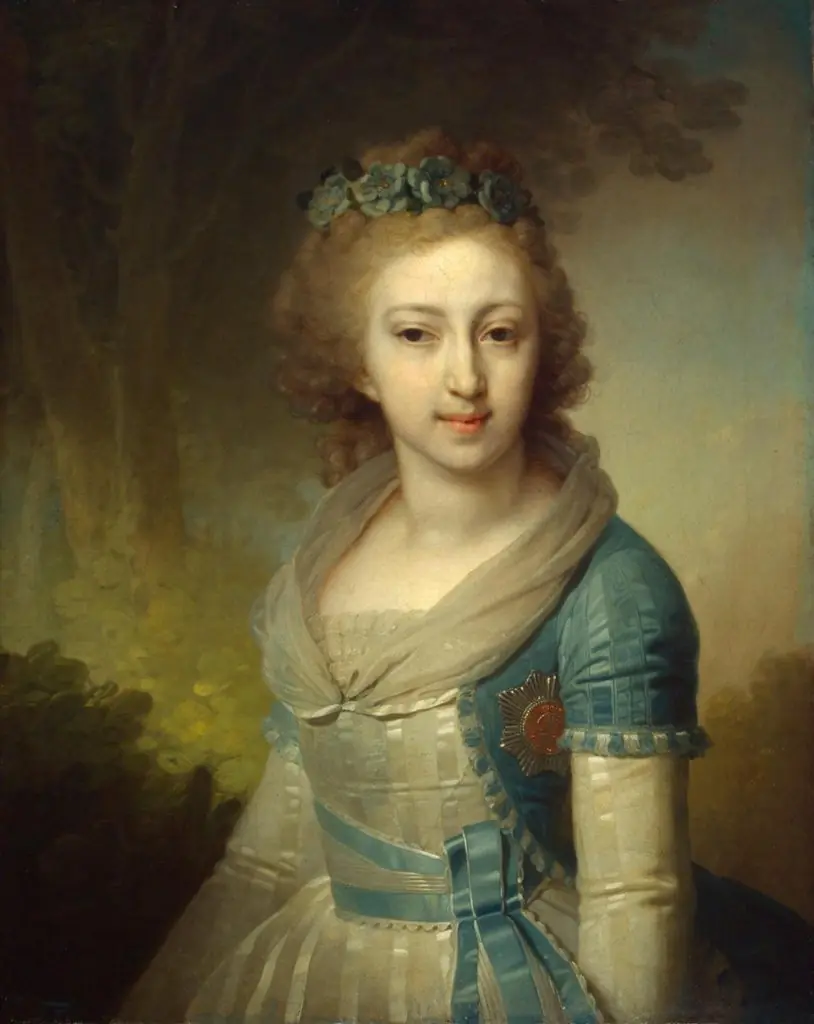 Portrait of Grand DuchessYelena Pavlovna
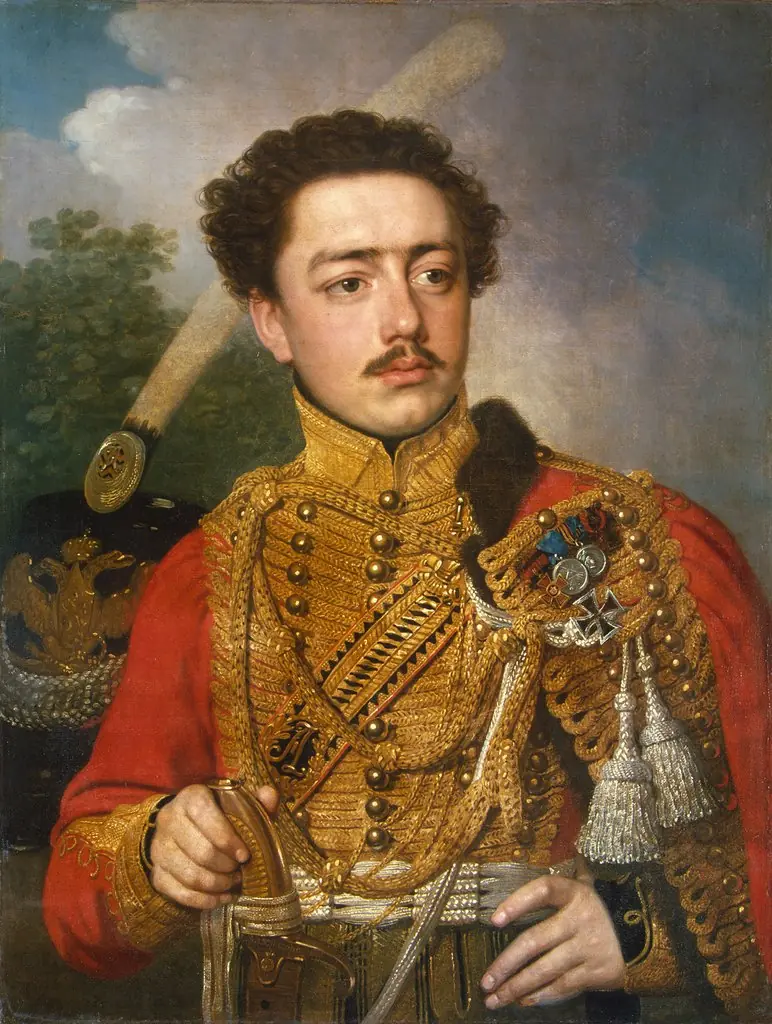 Portrait of Pavel Masyukov, the Cavalry Captain of the Life-Guards Hussar Regiment
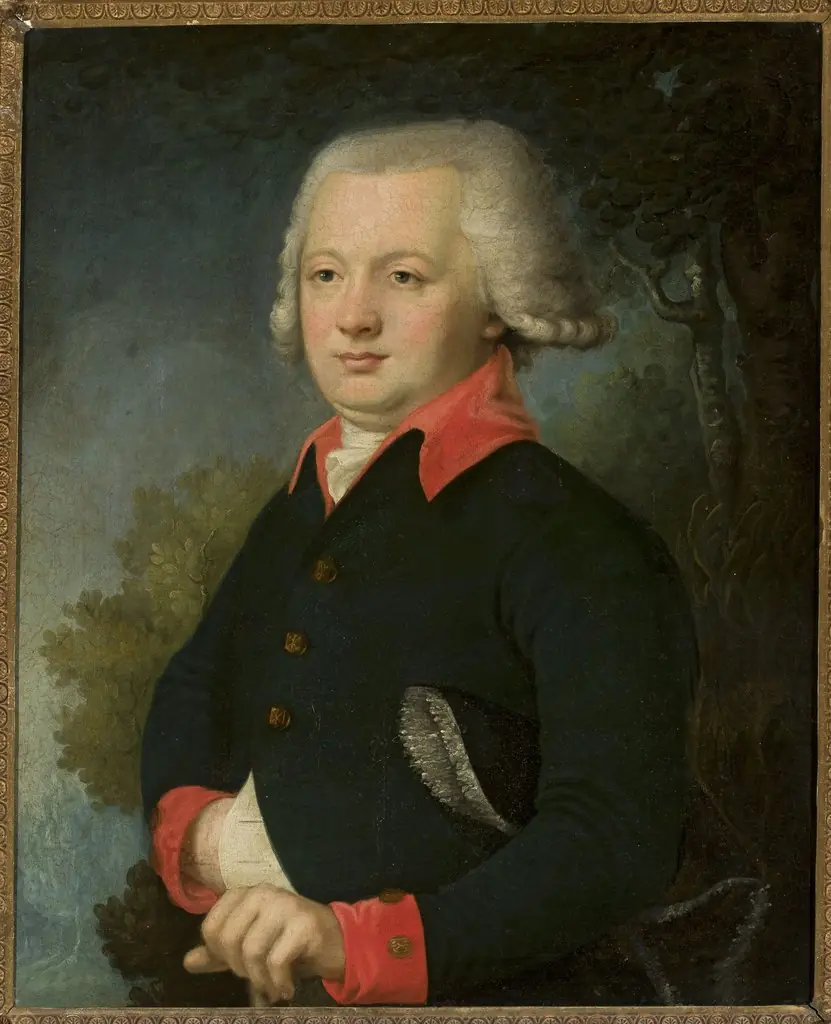 Portrait of a young man
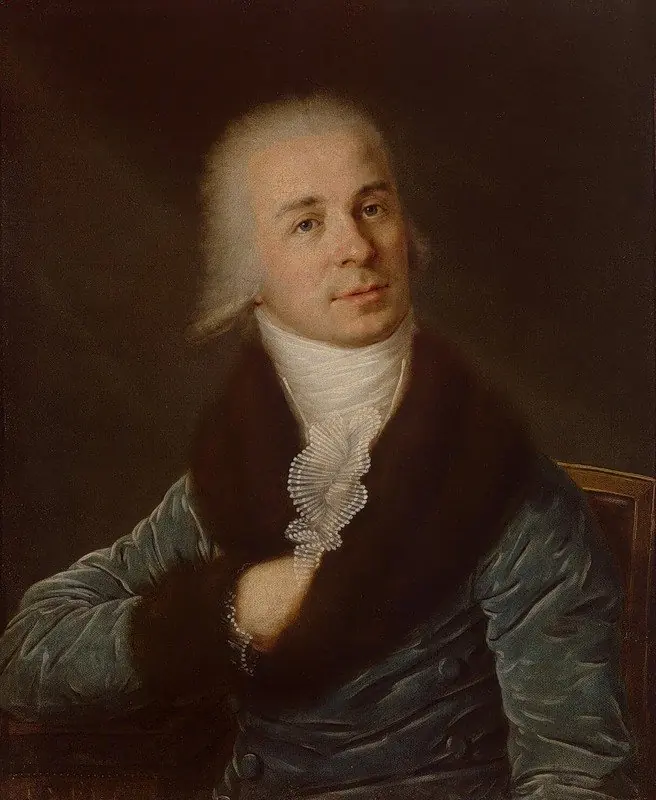 Portrait of Gavrila Derzhavin
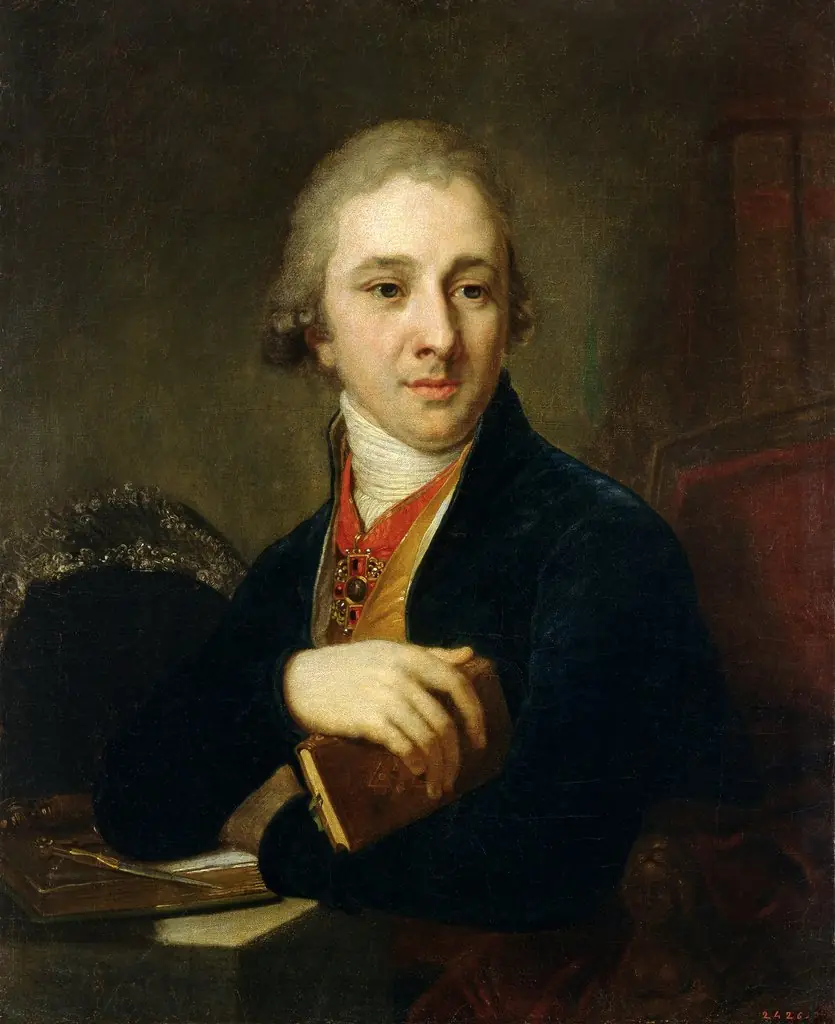 "Portrait of Alexander Labzin" (1766-1825)
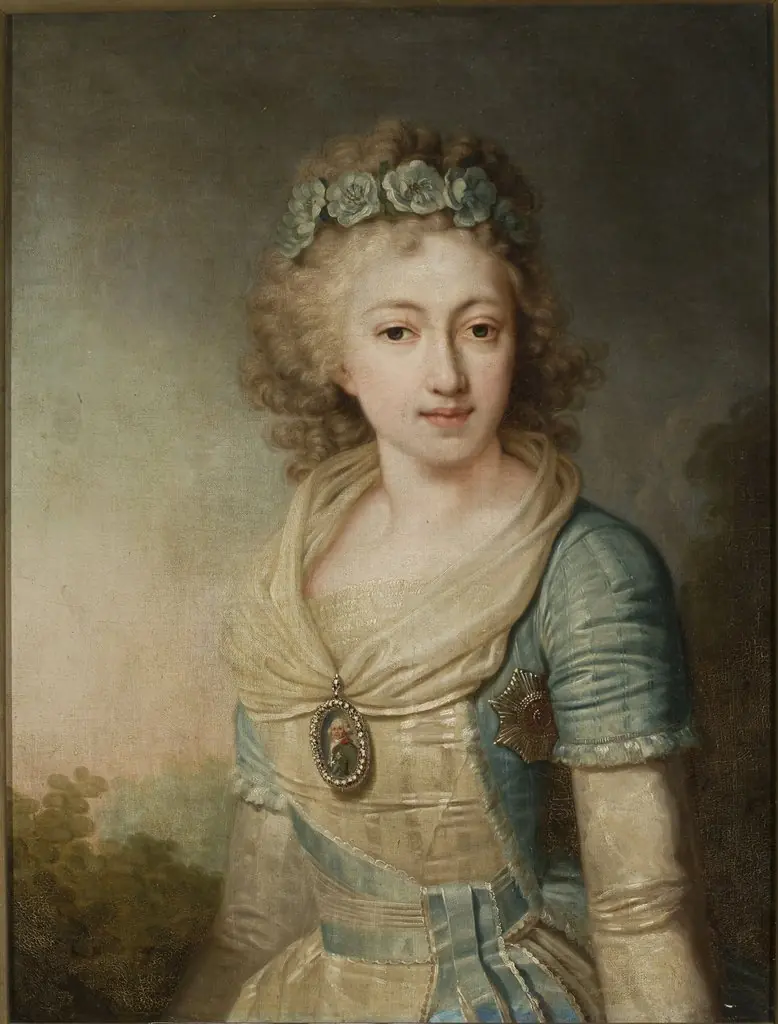 Portrait of Paul I’s daughter – Helena
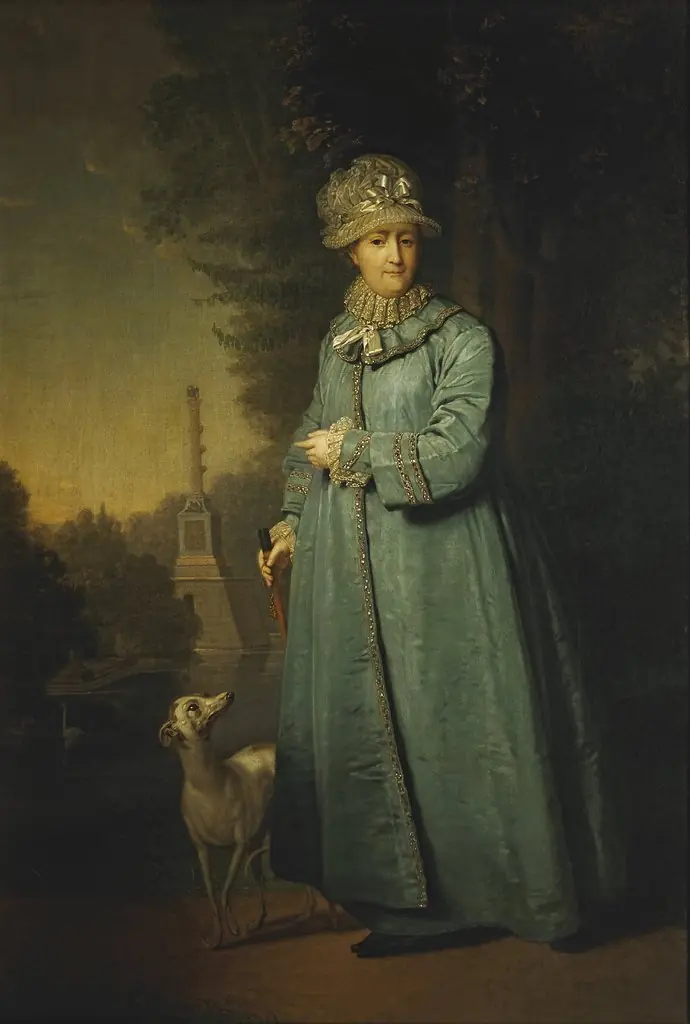 Catherine II during a walk in the Tsarskosyelsky Park
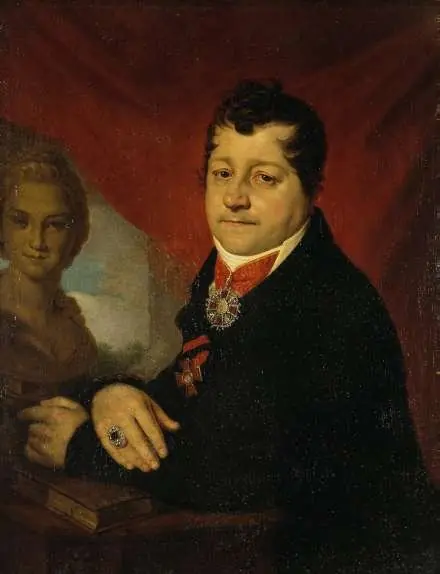 Portrait of Sergei Yakovlev
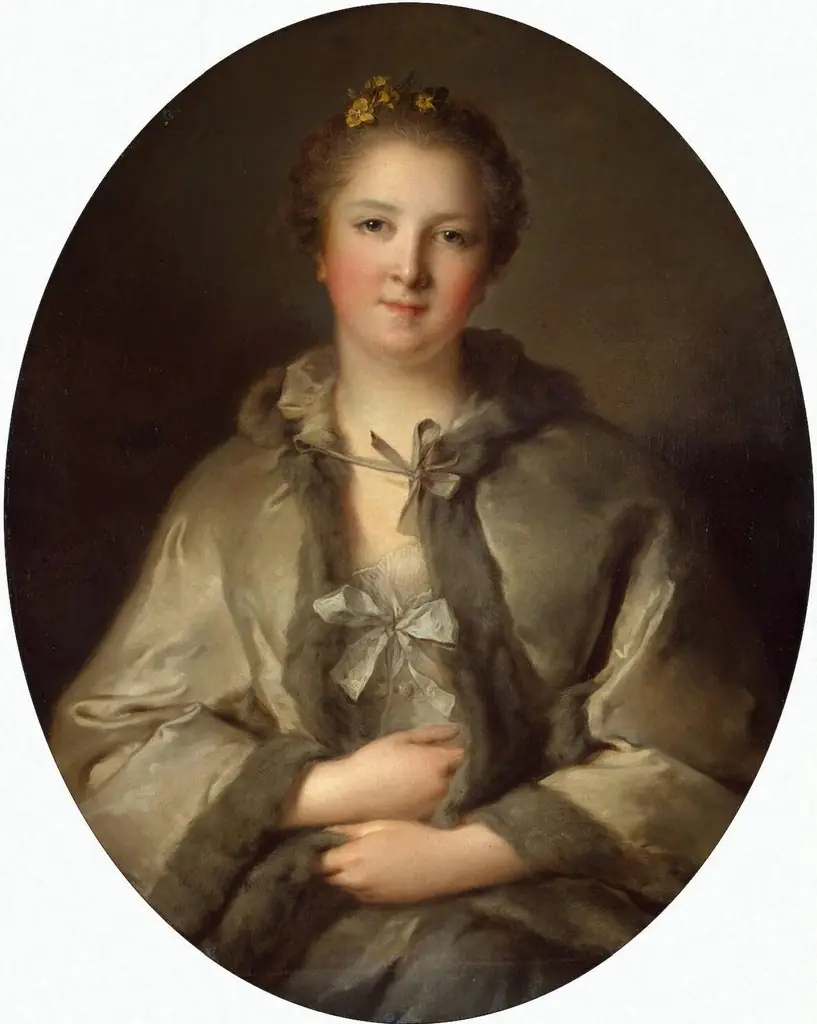 Portrait of a Woman in Grey
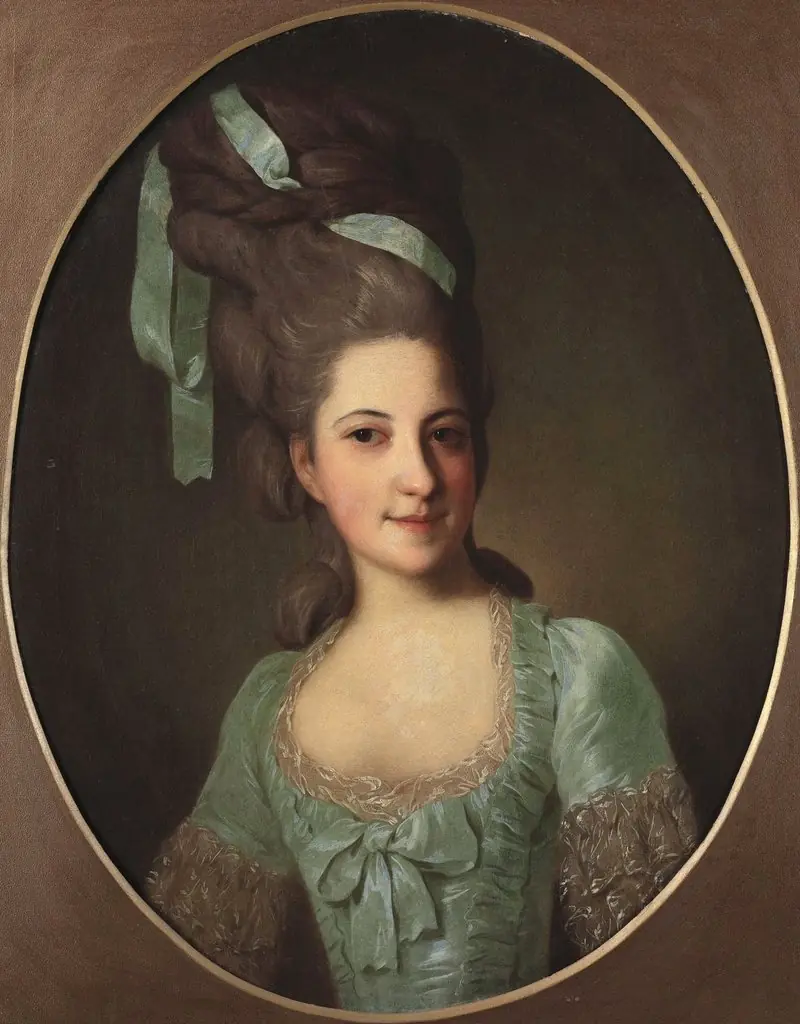 Portrait of Countess Darya I. Uvarova
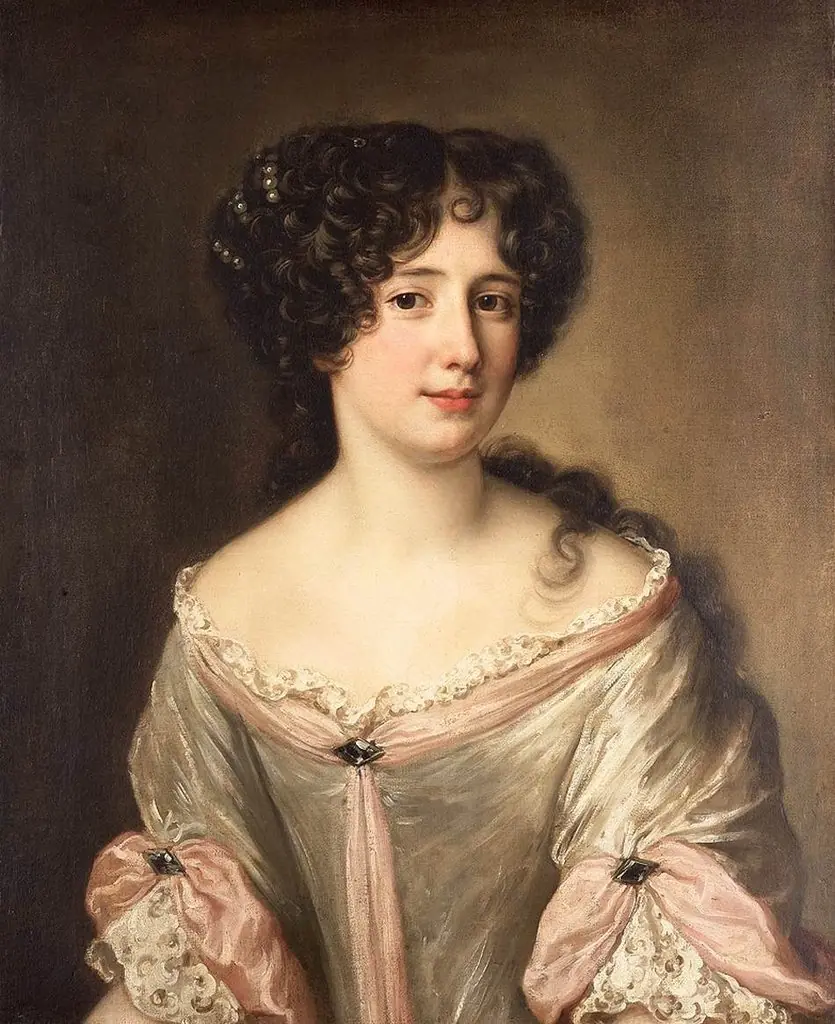 Portrait of Maria Mancini Colonna (1639-1715)
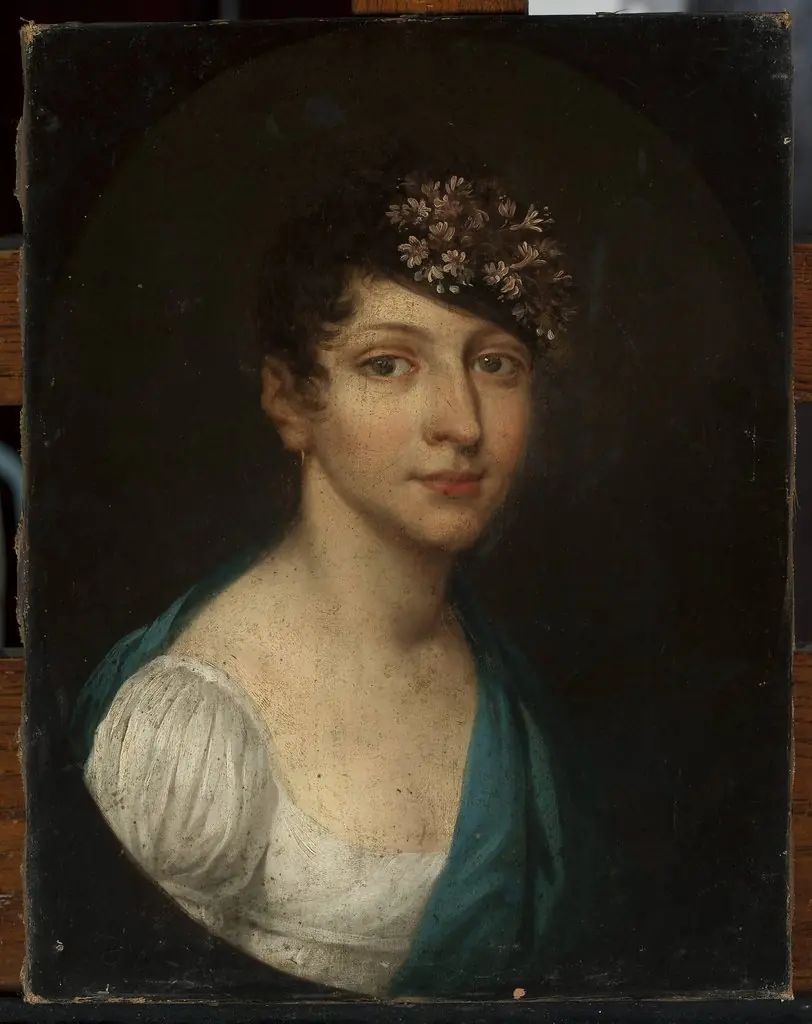 Portrait of Maria Żebrowska née Cieślik
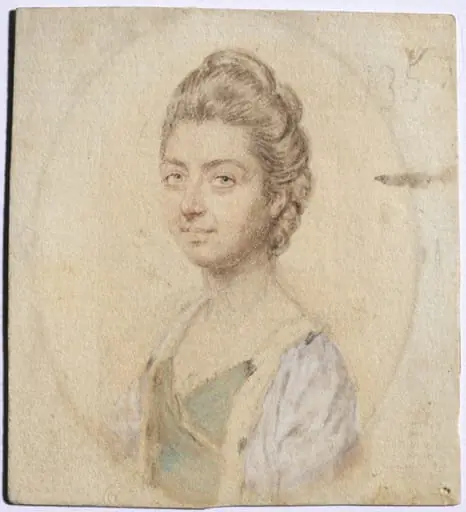 Portrait of Sukey, Lady Oglander, née Serle
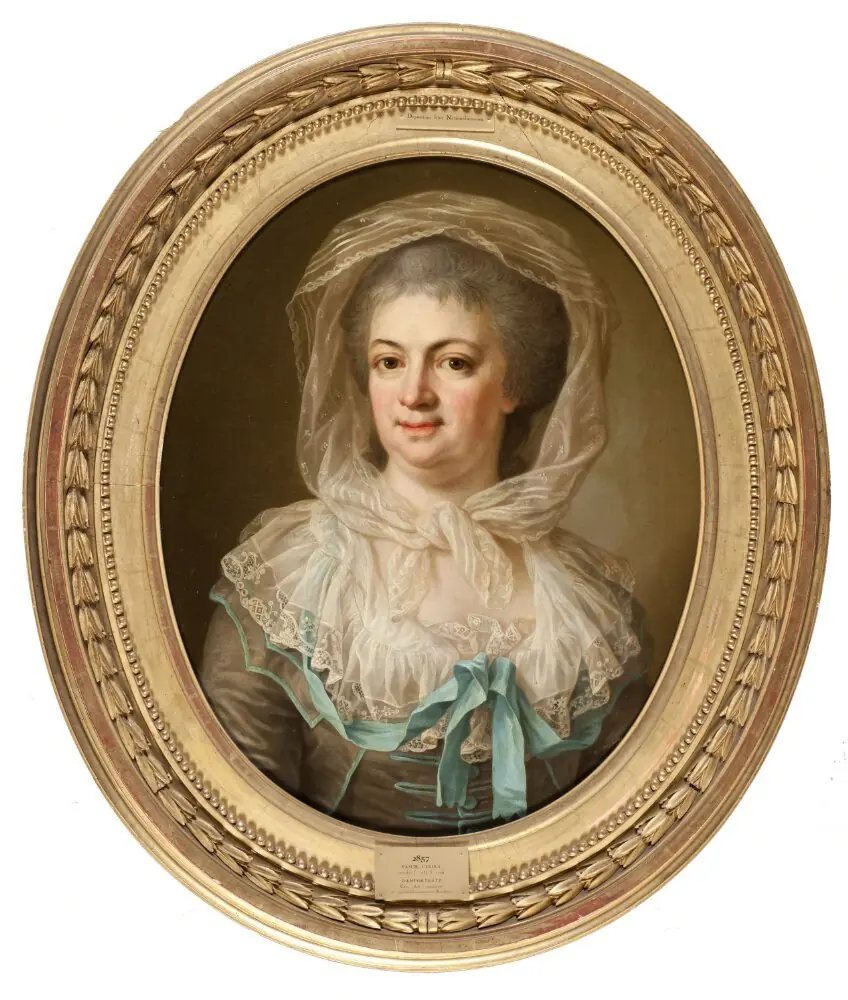 Portrait of a Lady
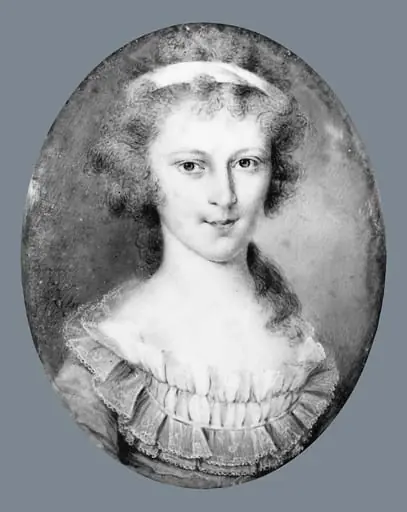 Mrs. John Sevier, Jr. (Rebecca Richards)
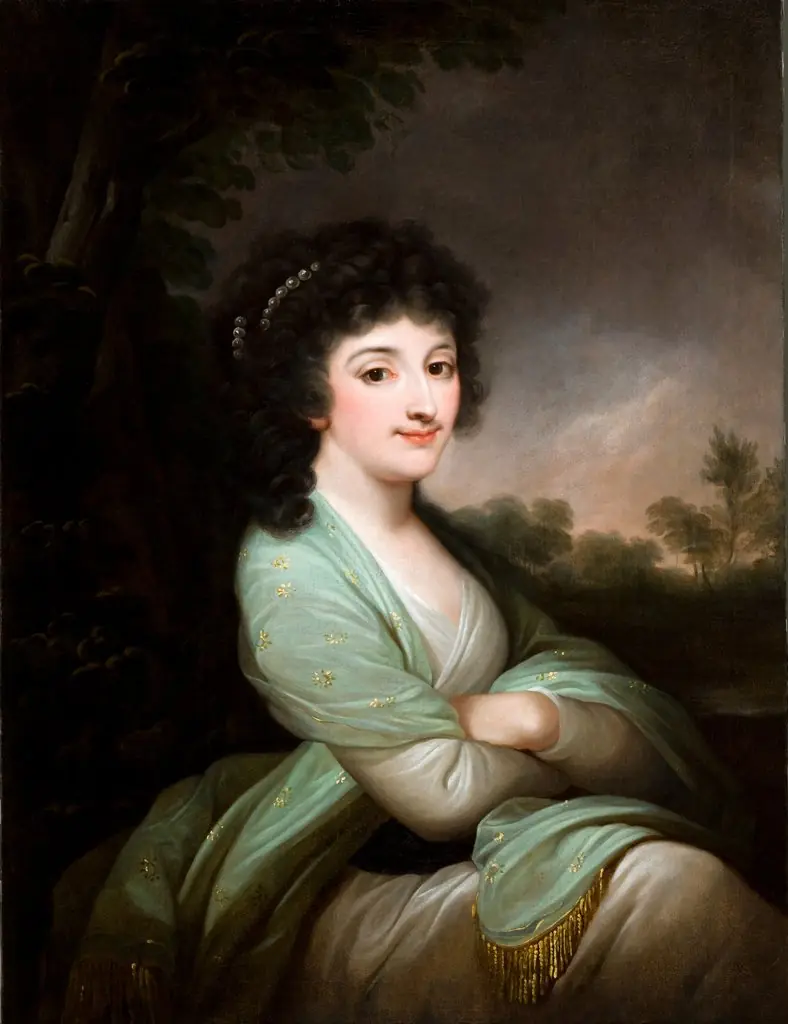 Portrait of Izabela Ogińska née Lasocka
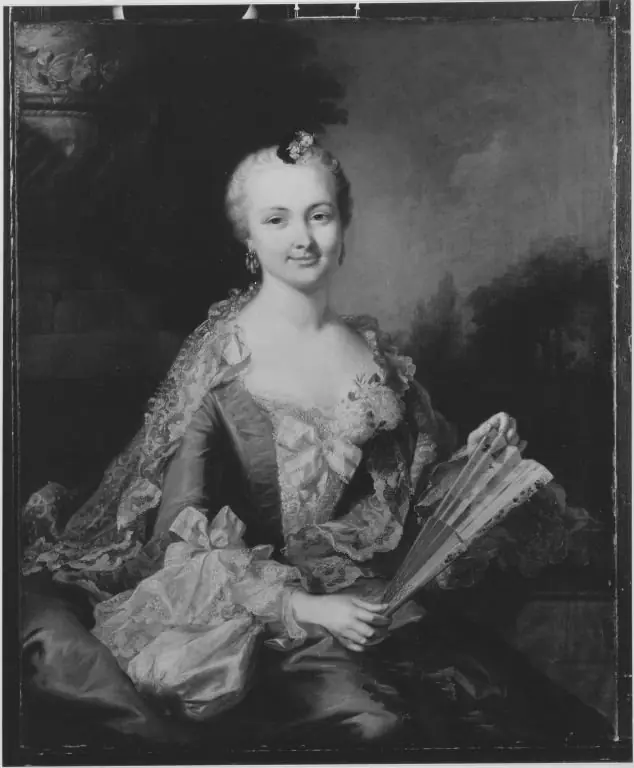 Johanna Elisabeth von Schmerfeld
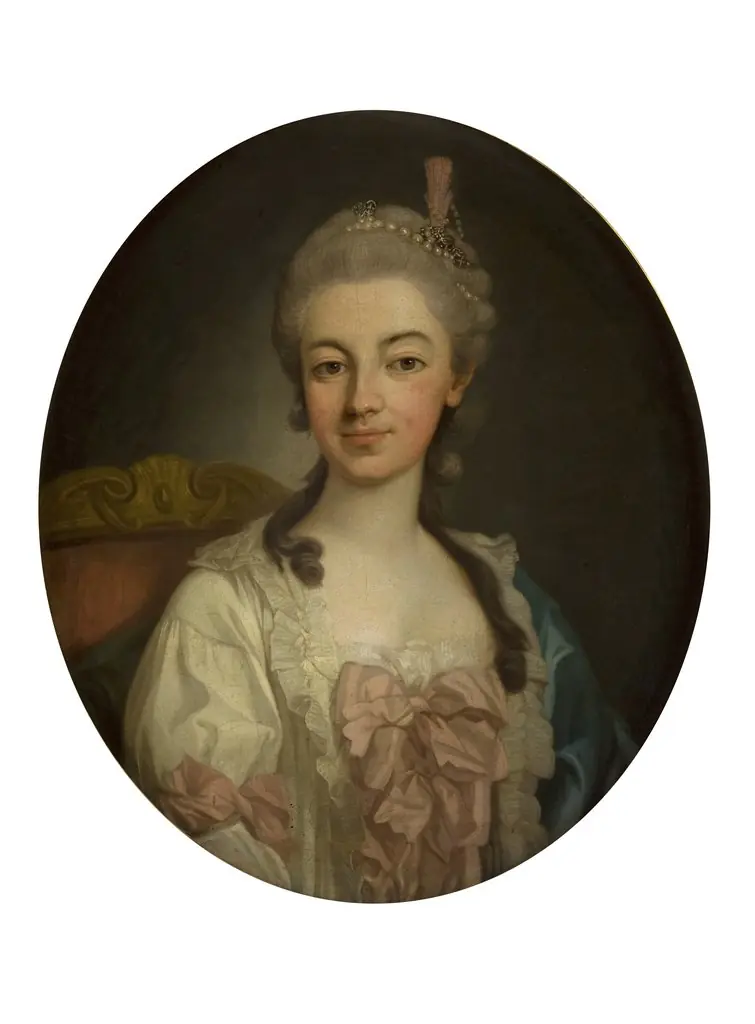 Portrait of Teresa Poniatowska
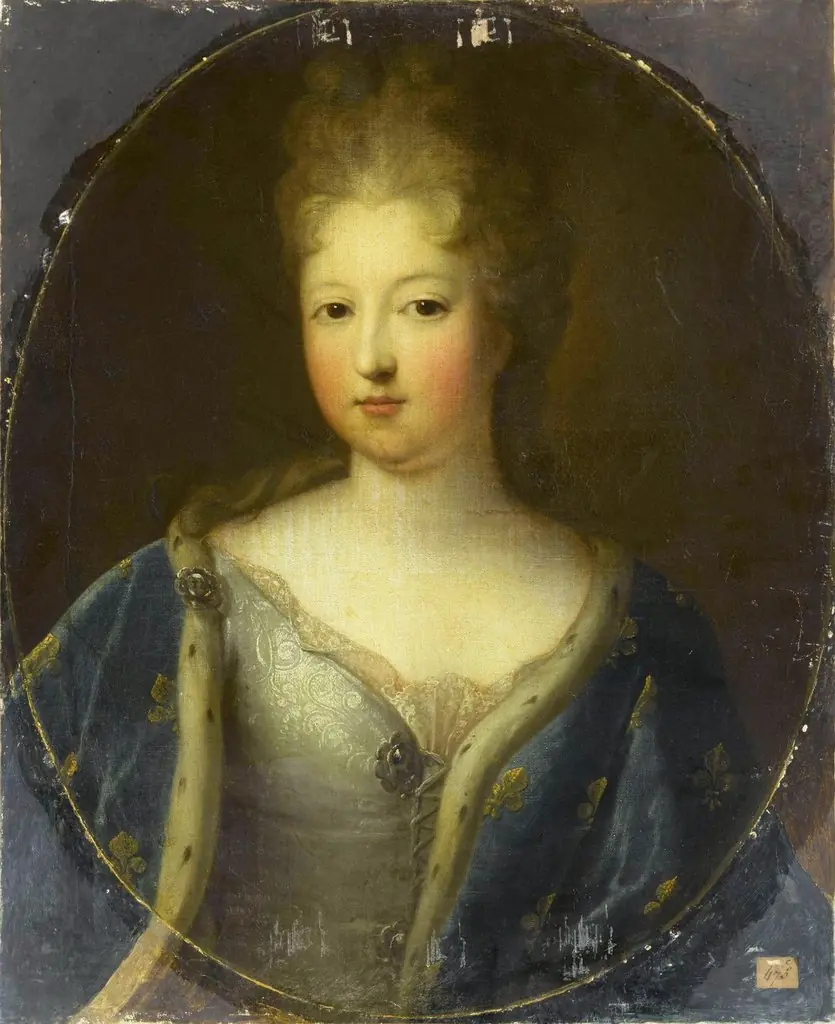 Portrait of Françoise-Marie de Bourbon