Artwork
L'innocence inspire la tendresse
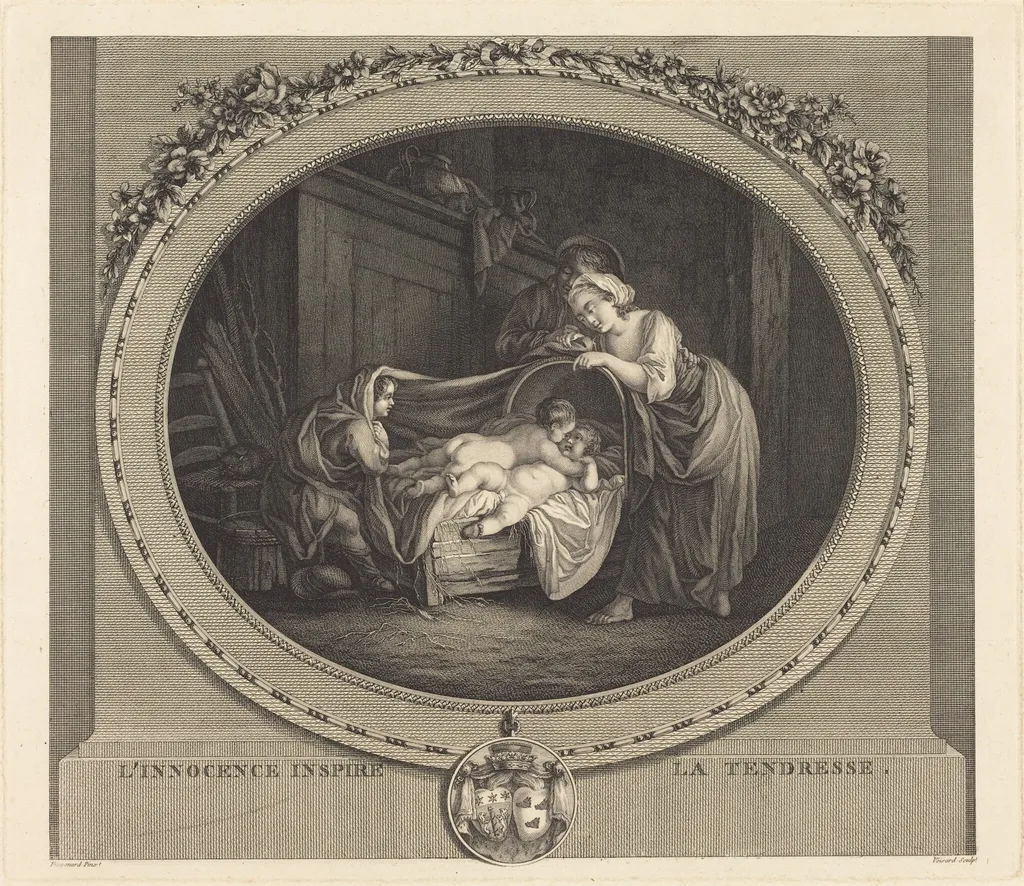
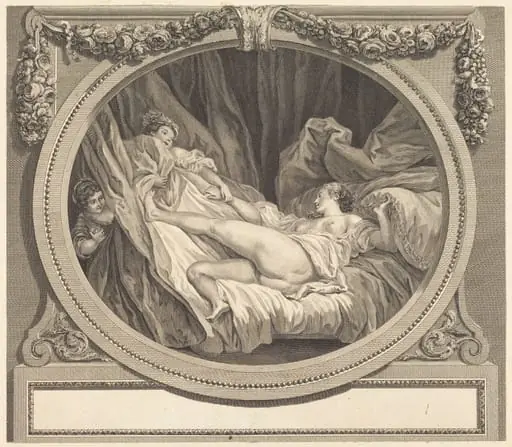
L'innocence inspire la tendresse is an ink print by the Baroque artist Etienne Claude Voysard. It dates from 1779 and is held in the collection of the National Gallery of Art.
About this work
Overview
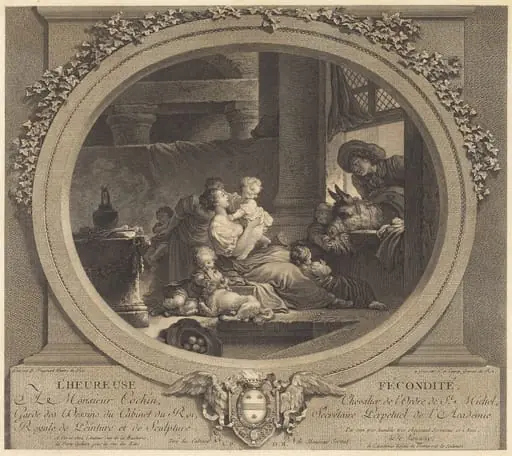
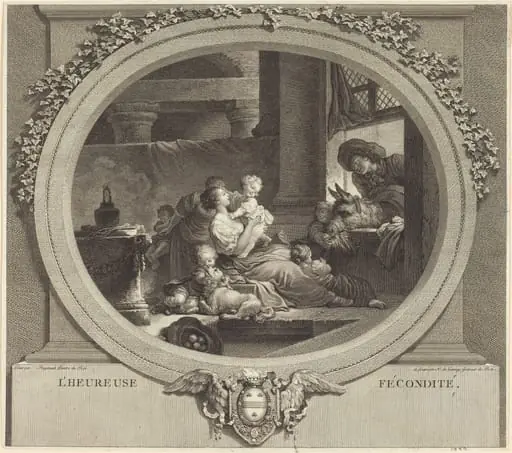
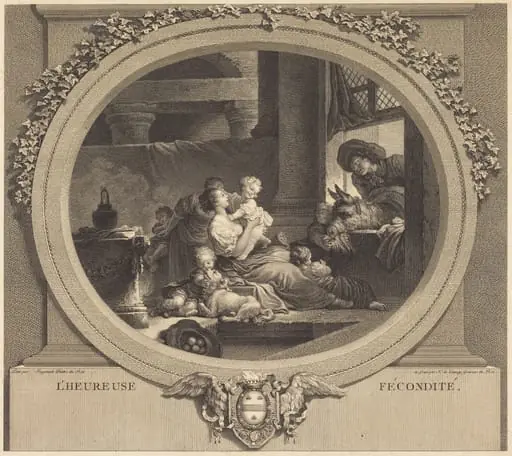
L'innocence inspire la tendresse is an 18th‑century print executed in 1779 by French engraver Etienne Claude Voysard. Rendered as an engraving, the work measures a modest size typical of the period’s intimate devotional or genre scenes and is framed by ornamental scrolls and floral motifs that border the central image.
Subject & Meaning
The composition depicts three women gathered around an infant lying in a bed. One figure gently holds the child's hand while the others observe with attentive expressions, suggesting a moment of protective care. The title, translating to “Innocence Inspires Tenderness,” underscores the theme of gentle affection prompted by the child's purity.
Technique & Style
Voysard employed fine line engraving to model the soft folds of the women's garments and the delicate skin of the baby, using cross‑hatching to achieve subtle gradations of tone. The surrounding decorative elements—scrollwork and a small medallion—are rendered with precise, ornamental lines characteristic of late‑Baroque French printmaking.
History & Provenance
Created in 1779, the print was likely produced for the domestic market, where such sentimental scenes were popular among collectors of the Enlightenment era. It remains attributed to Voysard, whose oeuvre includes a range of genre and allegorical prints, and it has surfaced in several museum and private collections specializing in 18th‑century French graphic art.
Artist & collection