Artwork
Portrait of the artist’s father
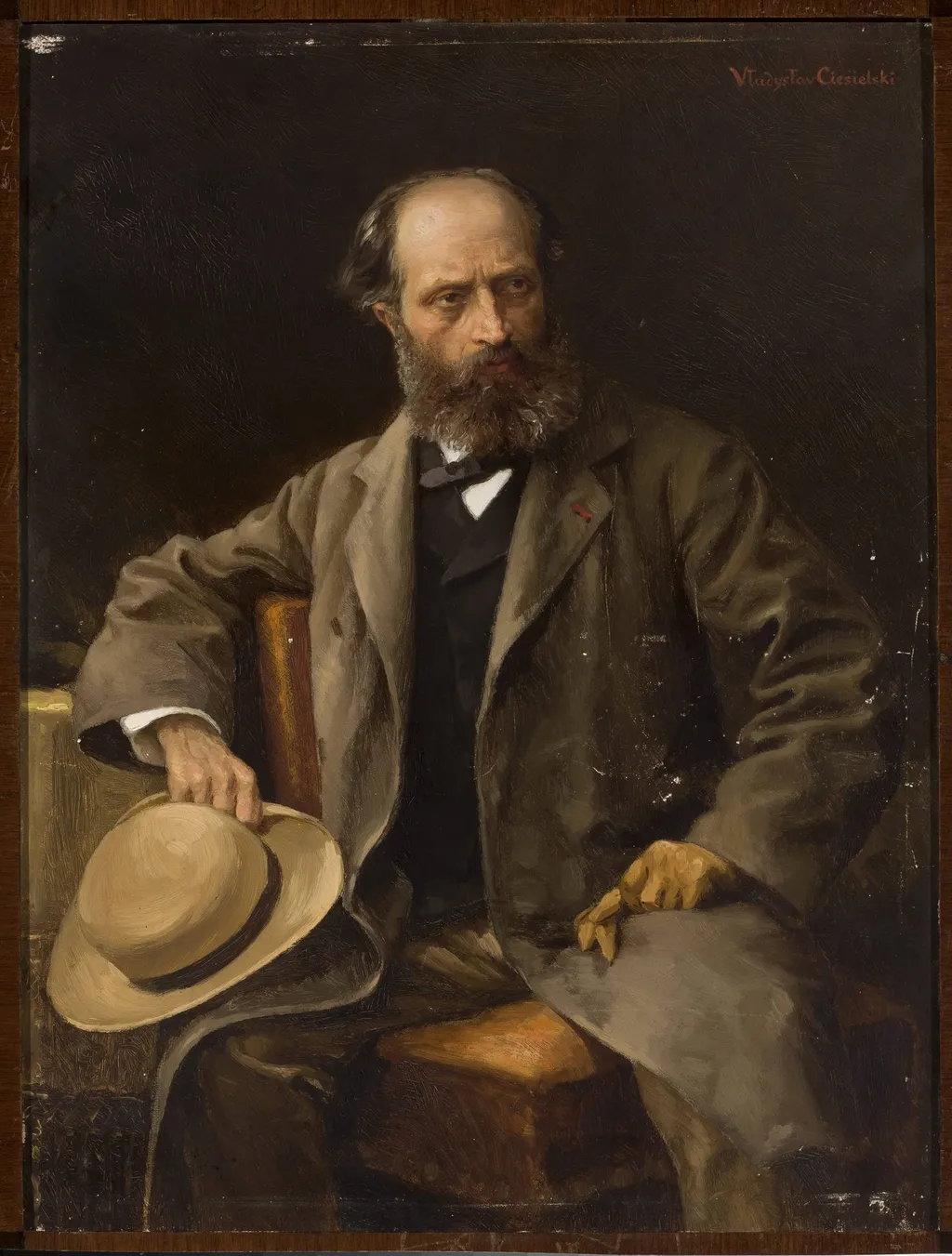
Portrait of the artist’s father is an oil painting by Władysław Ciesielski. It dates from 1883 and is held in the collection of the National Museum in Warsaw.
About this work
Overview
Painted around 1883 by Władysław Ciesielski, this oil portrait depicts his father as a composed, middle-aged man. The work is part of the National Museum in Warsaw’s collection. Rendered with careful attention to detail, the painting reflects the artist’s focus on intimate familial representation within the context of late 19th-century Polish portraiture.
Subject & Meaning
The subject, the artist’s father, is portrayed seated with a hat resting in his right hand and a dark beard framing his face. His direct gaze and upright posture convey quiet dignity rather than grandeur. The absence of symbolic objects or elaborate settings suggests an emphasis on personal presence, possibly reflecting values of modesty and inner strength common in the artist’s family circle.
Technique & Style
Ciesielski employed oil paint to achieve subtle tonal transitions and precise modeling of form. The dark, unbroken background isolates the figure, enhancing the three-dimensionality of his face and clothing. Light falls deliberately across the beard and coat, suggesting an awareness of chiaroscuro, though the effect remains restrained, prioritizing naturalism over dramatic contrast.
History & Provenance
The painting has remained in public hands since its creation, entering the National Museum in Warsaw’s collection in the early 20th century. Its provenance is unbroken, with no record of private sale or relocation. The work’s preservation reflects its recognition as a representative example of domestic portraiture from the period.
Context
Created during a time when Polish artists were navigating national identity under foreign partitions, this portrait stands apart from grand historical or political themes. Instead, it reflects a quiet trend toward intimate, psychologically grounded depictions of family, aligning with broader European trends in realist portraiture while avoiding overt nationalism.
Legacy
Though not widely exhibited outside Poland, the portrait remains a key example of Ciesielski’s approach to personal subject matter. It illustrates his ability to convey character through restraint and observation, influencing later generations of Polish painters who favored emotional authenticity over theatricality in portraiture.
Artist & collection

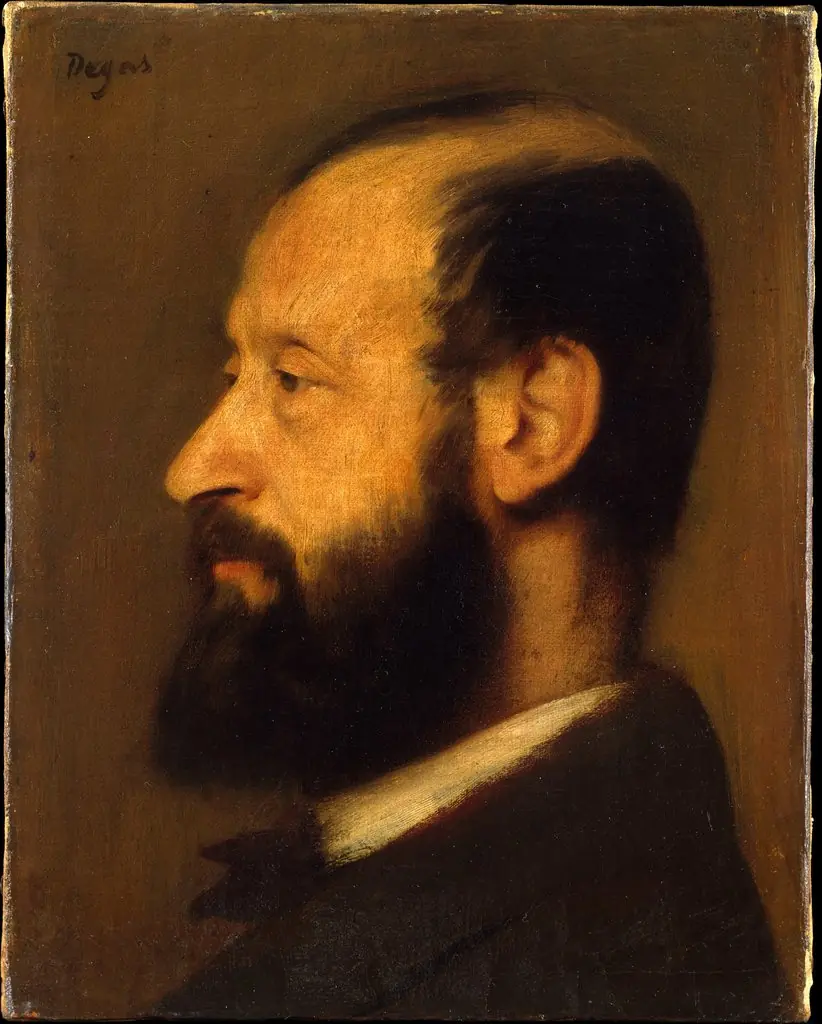 Joseph-Henri Altès (1826–1895)
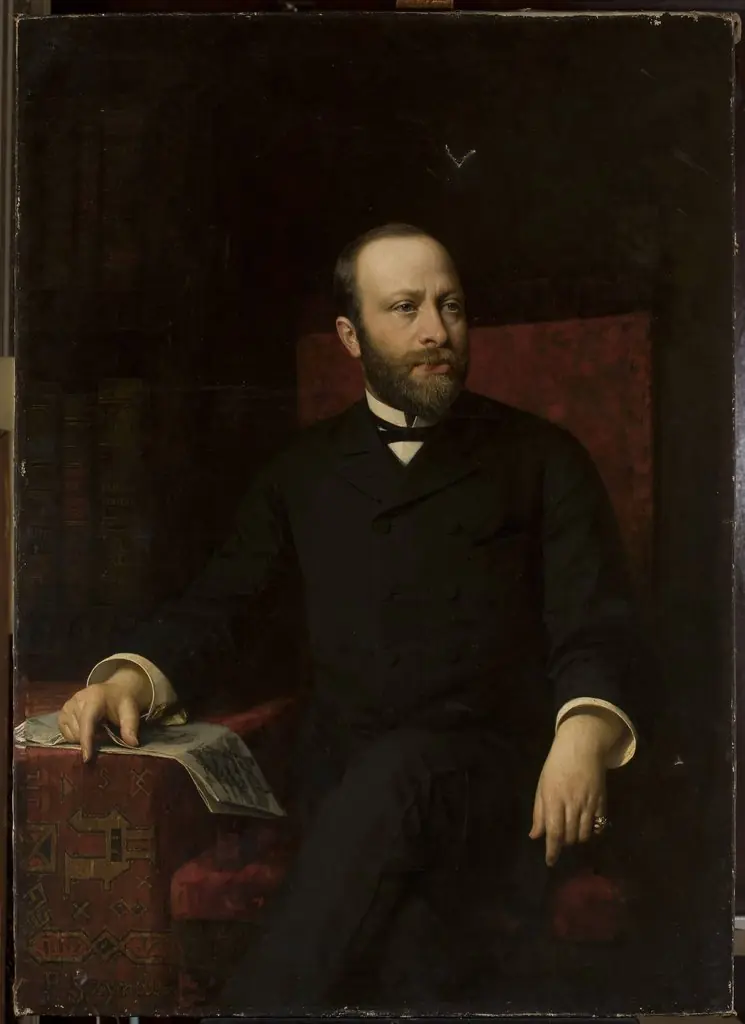 Portrait of Francis de Sales Lewental
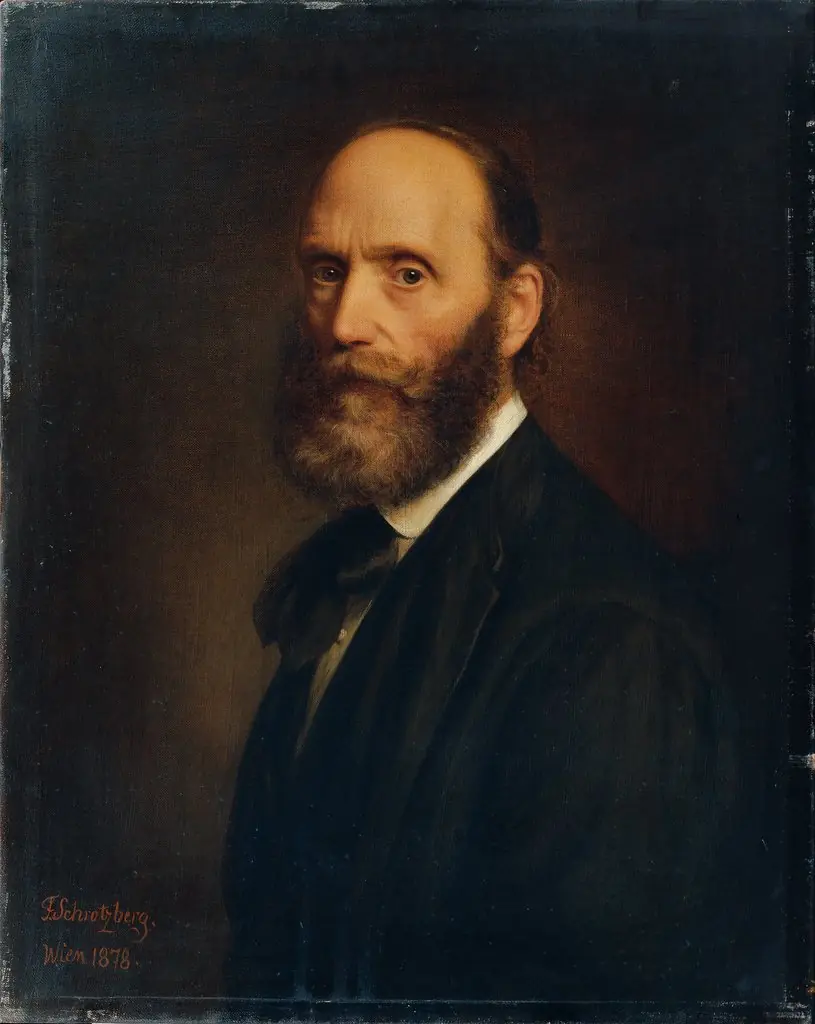 Selbstbildnis
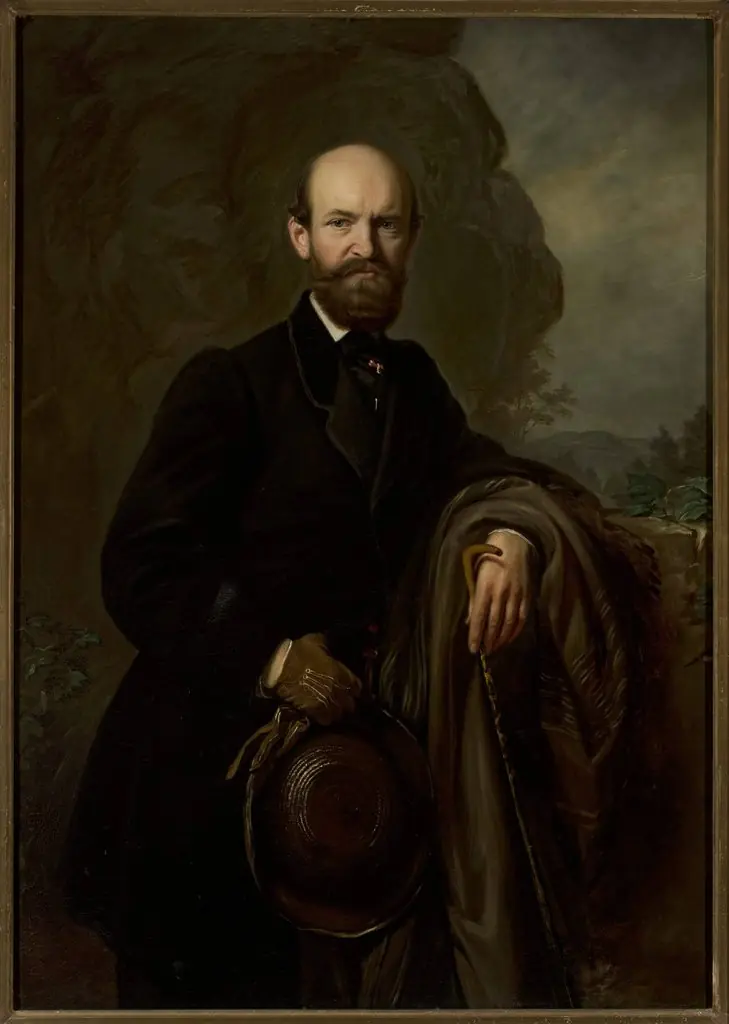 Portrait of Jan Reszke
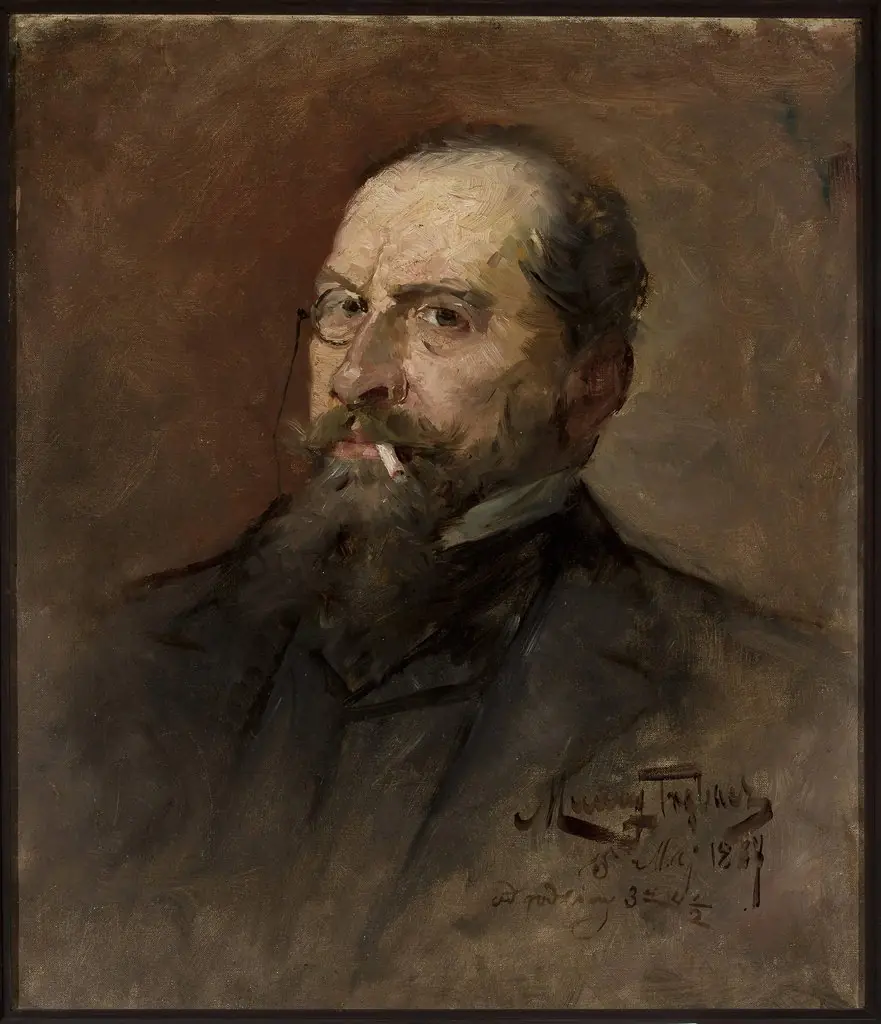 Portrait of Lucjan Wrotnowski, painter
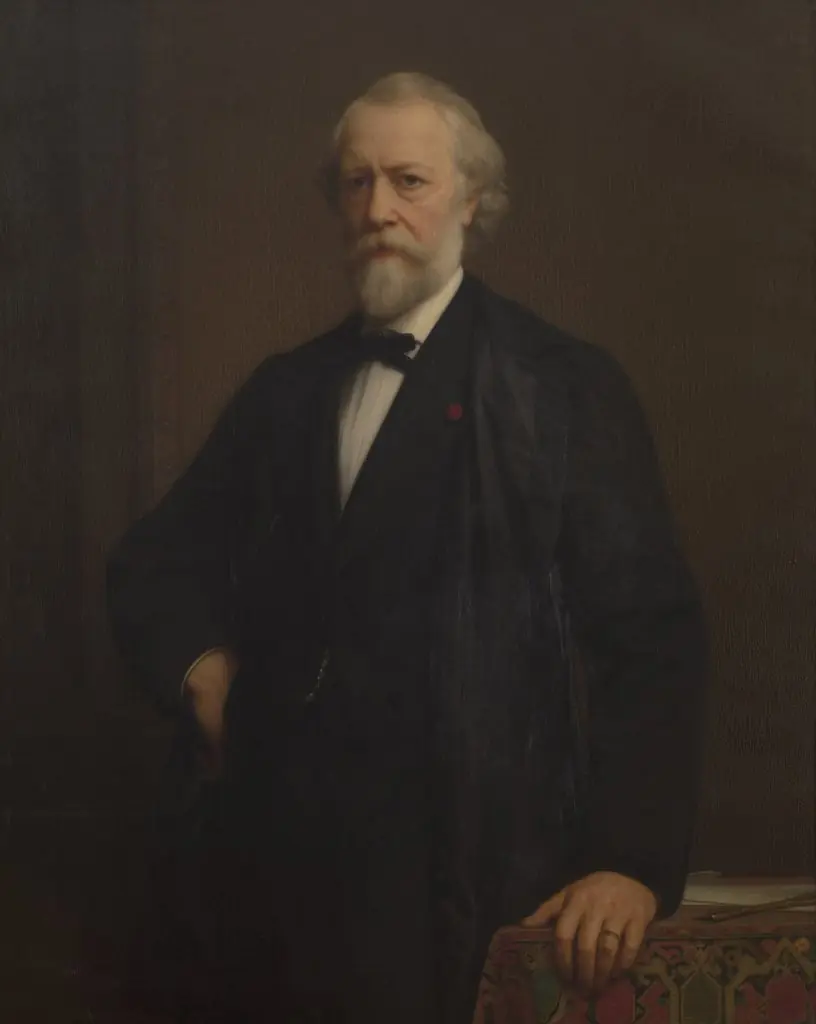 Self Portrait
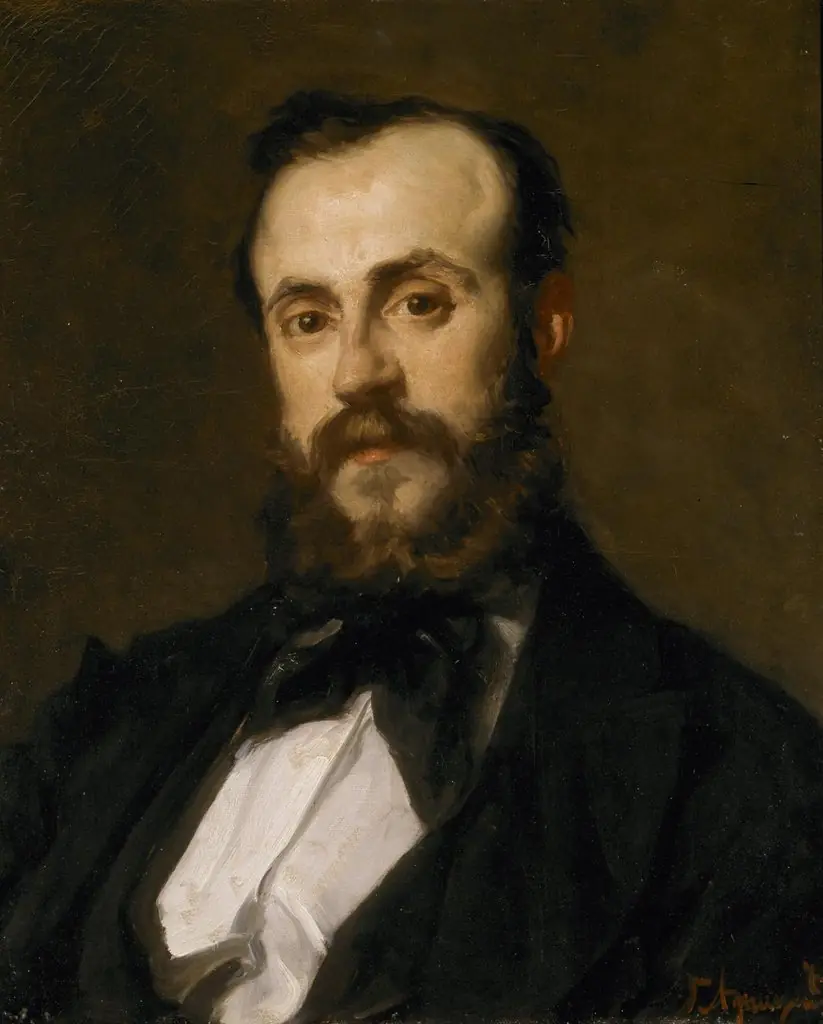 César Costermans
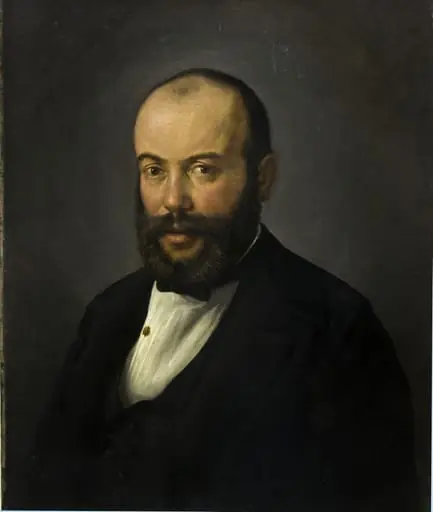 Portretul Bancherului Davicion Bally
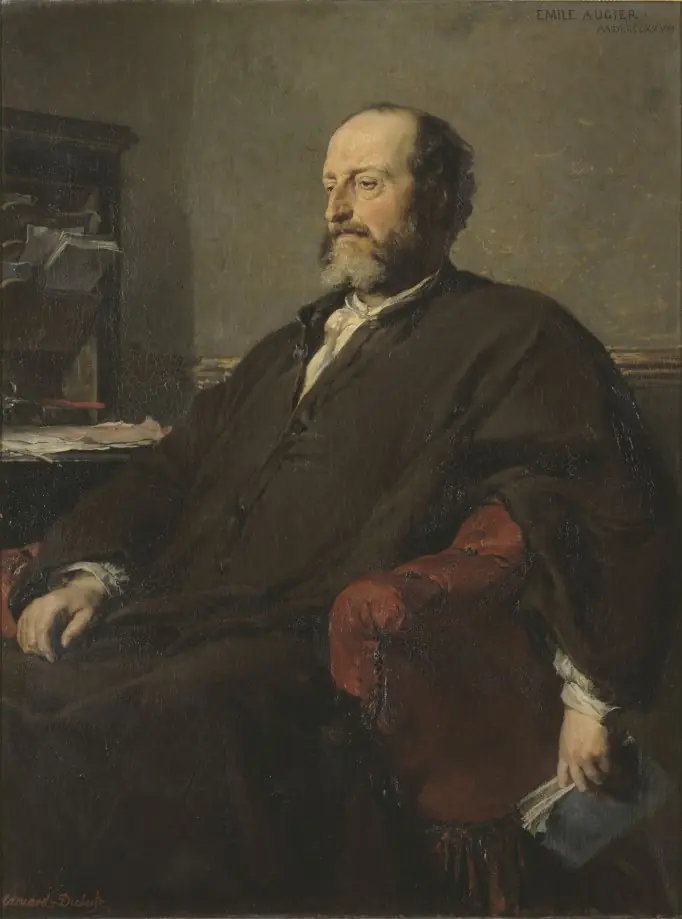 Portrait of Emile Augier
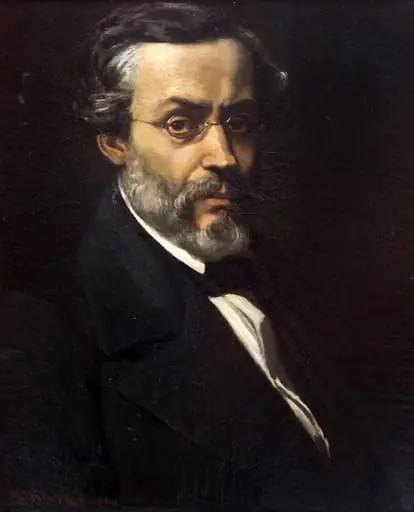 Portretul lui Cezar Bolliac
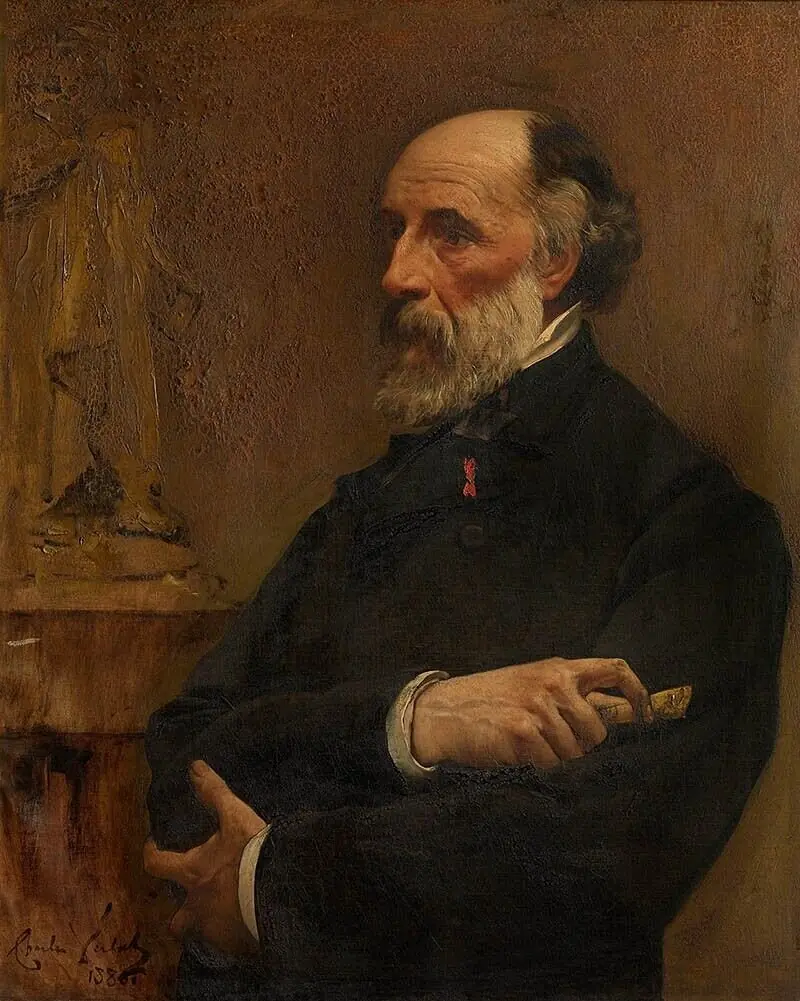 Portrait of the sculptor Jacques De Braekeleer
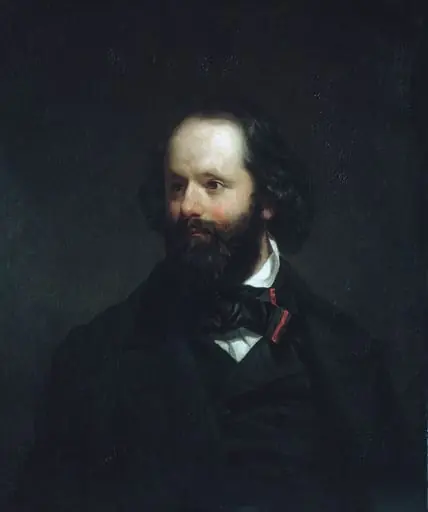 Portrait of the Artist