Artwork
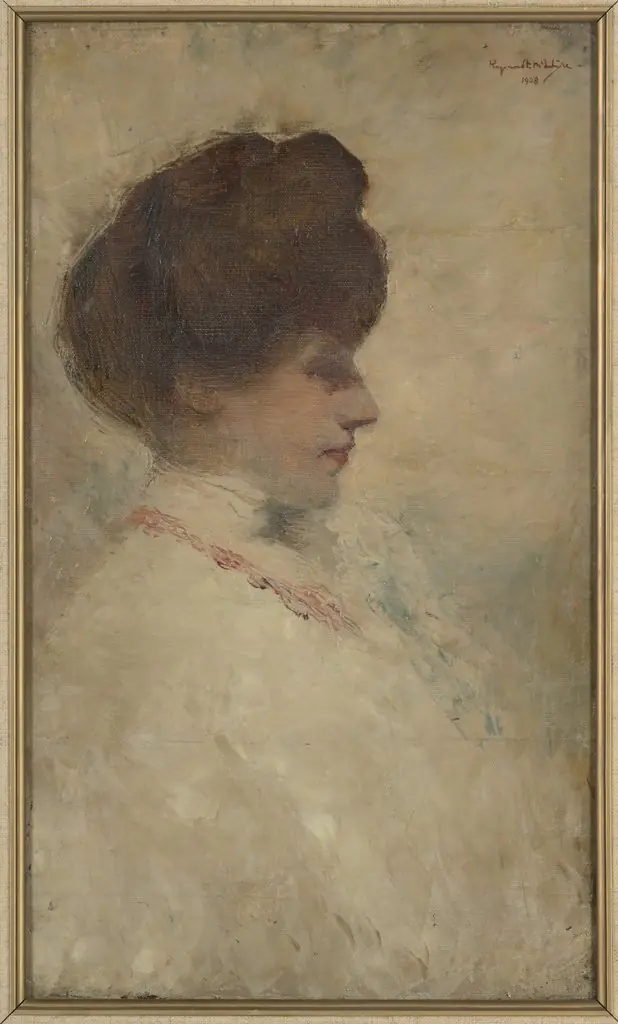
Portrait of a woman
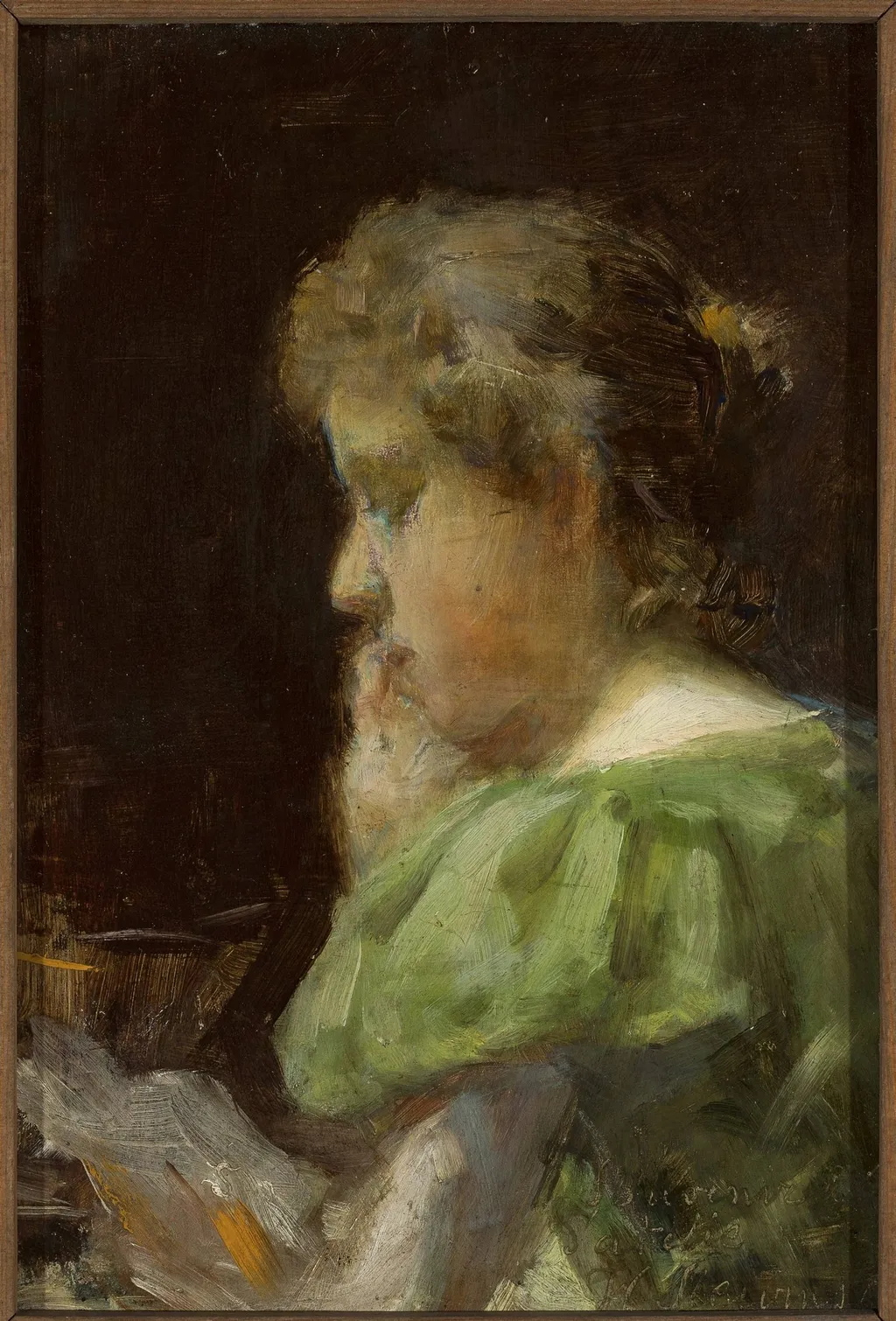
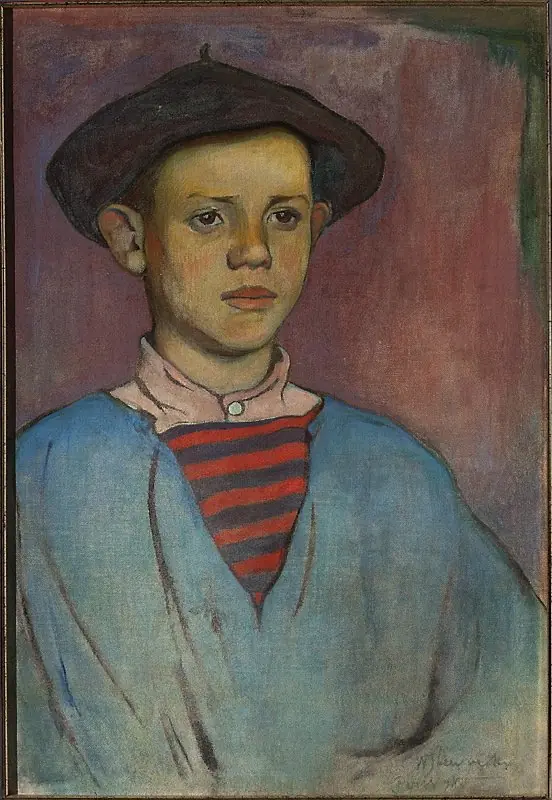
Portrait of a woman is an oil painting by the Post-Impressionist artist Władysław Ślewiński. It dates from 1907 and is held in the collection of the National Museum in Warsaw.
About this work
Overview
Painted in 1907, this oil portrait by Władysław Ślewiński reflects the stylistic concerns of post-impressionism in early 20th-century Poland.
Painted in 1907, this oil portrait by Władysław Ślewiński reflects the stylistic concerns of post-impressionism in early 20th-century Poland. As a participant in the Young Poland movement, Ślewiński brought to his work the influence of his time with Paul Gauguin, favoring emotional resonance over precise representation. The painting is part of the National Museum in Warsaw’s permanent collection, where it stands as a quiet example of his mature style.
Subject & Meaning
The subject is a woman depicted in profile, facing left, her identity unknown. Her stillness and unadorned presence suggest introspection rather than narrative. The lack of facial definition and the absence of contextual clues shift focus from individuality to mood, aligning with Ślewiński’s interest in evoking inner states through form and color rather than literal description.
Technique & Style
Ślewiński employs loose, visible brushwork and a restrained palette dominated by muted greens and dark tones. The woman’s green dress and white collar contrast subtly against the shadowed background, while her face is rendered with soft, blurred edges. This deliberate ambiguity, combined with flattened space and minimal modeling, reflects Gauguin’s influence and a move away from academic realism toward expressive abstraction.
History & Provenance
The painting entered the National Museum in Warsaw’s collection shortly after its creation, likely through direct acquisition or donation from the artist. Its continuous presence in the museum’s holdings since the early 20th century underscores its recognized significance within Polish modernist circles, though it has never been widely exhibited outside Poland.
Context
Created during the height of the Young Poland movement, the portrait aligns with a broader cultural turn toward spiritual and aesthetic introspection. Artists like Ślewiński rejected rigid academic traditions, embracing instead symbolic form and emotional tone. This work reflects a broader European shift toward personal expression, paralleling developments in French post-impressionism but rooted in Polish artistic priorities.
Legacy
Though not among Ślewiński’s most reproduced works, this portrait exemplifies his distinctive synthesis of Gauguin’s formal innovations with a distinctly Polish sensibility. It remains a reference point in studies of Polish modernism, illustrating how regional artists adapted international styles to convey quiet, contemplative subjects without overt symbolism or narrative.
Artist & collection
Artist
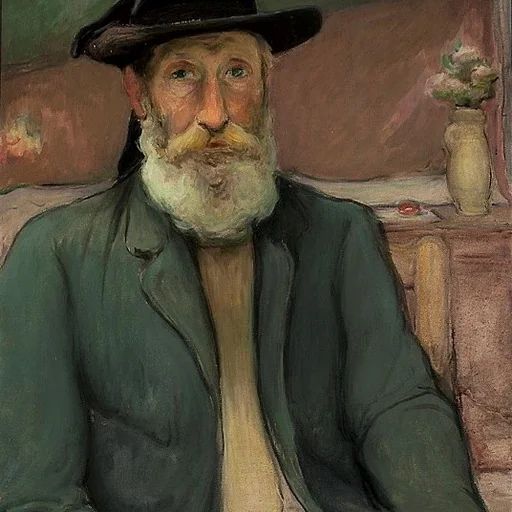
Władysław Ślewiński (1 June 1856 – 24 March 1918) was a Polish painter. He was one of Gauguin's students and a leading artist of the Young Poland movement.

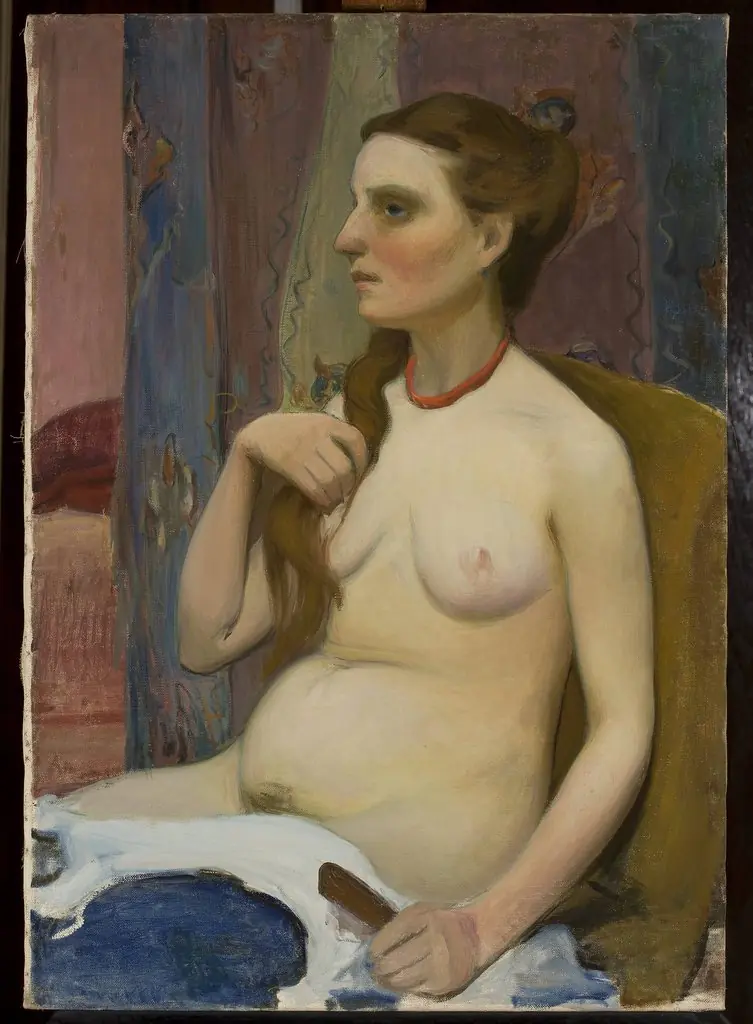
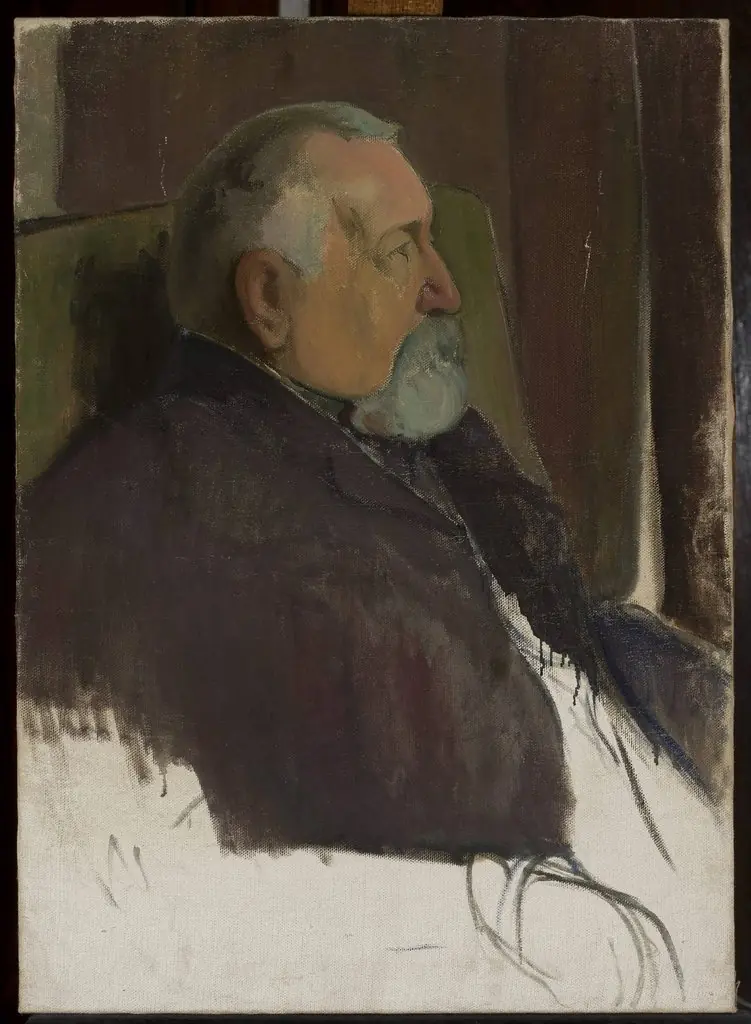
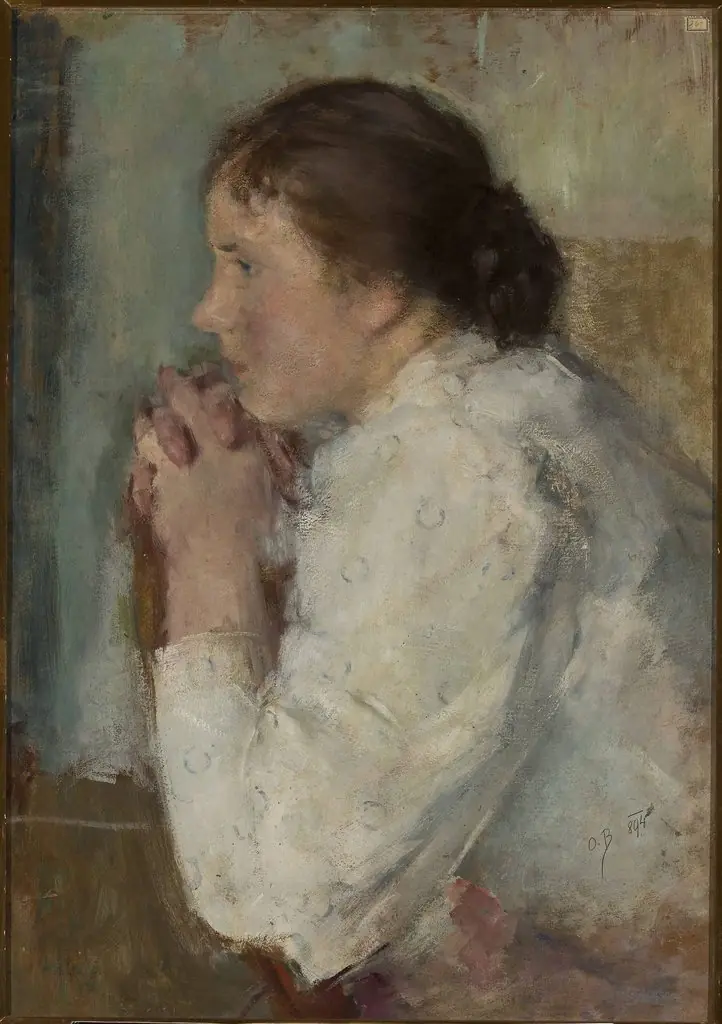 Portrait of a lady in profile
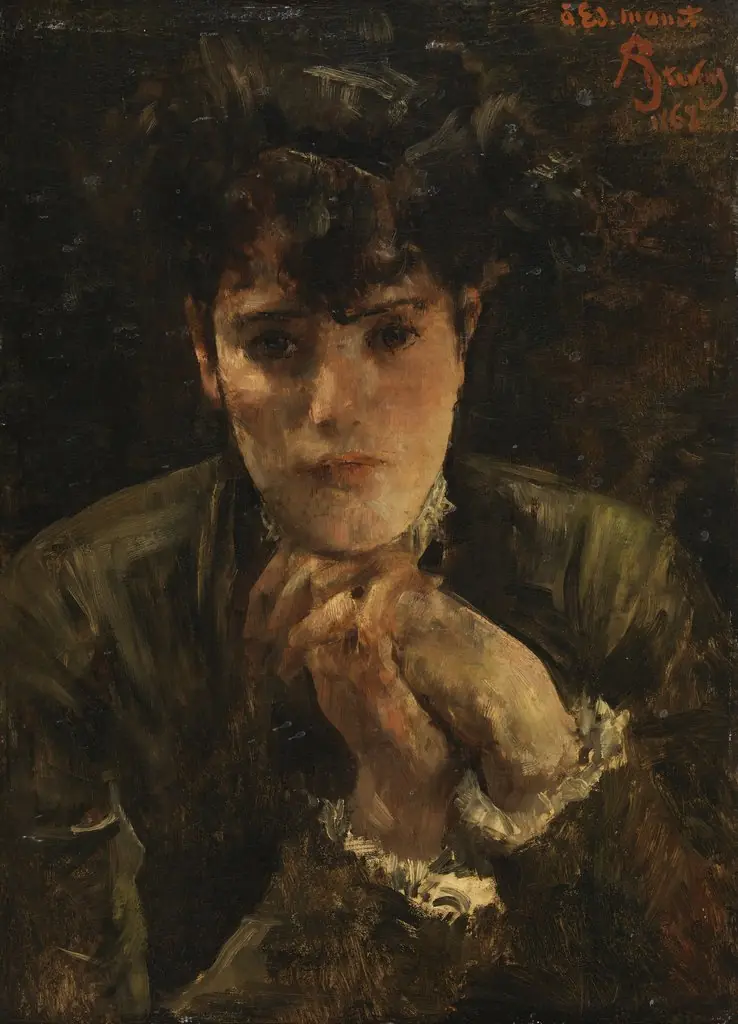 Portrait of a Young Woman
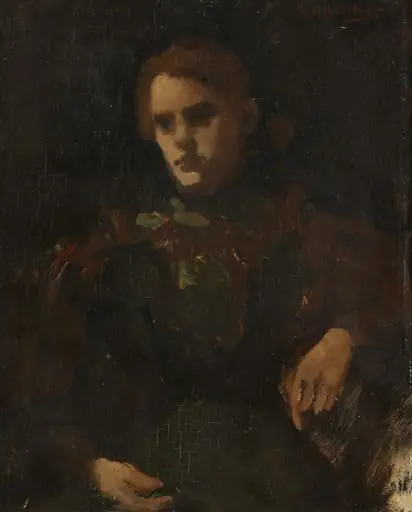 Study after the Model (Geesje Kwak?)
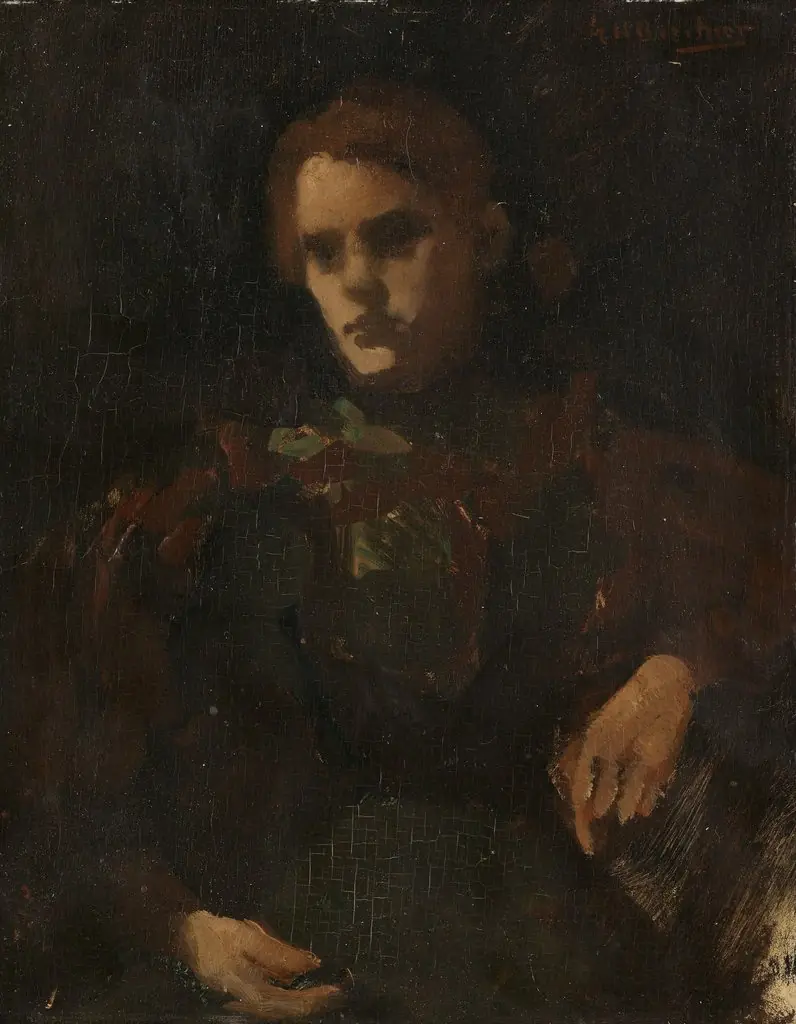 Study after the Model (Geesje Kwak?)
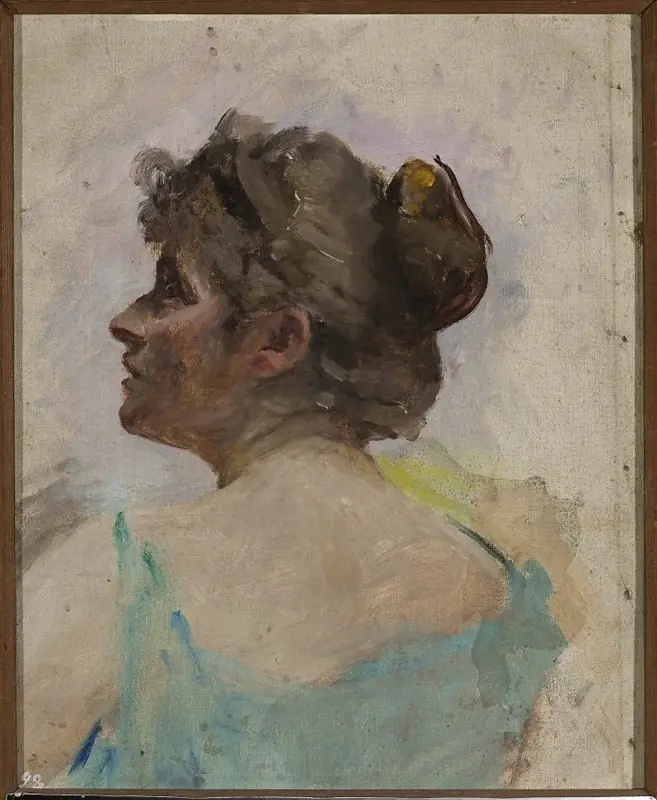 Study of the head for the painting “Symbolic dance”
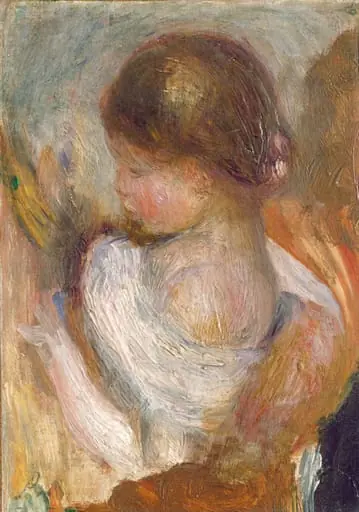 Young Girl Reading
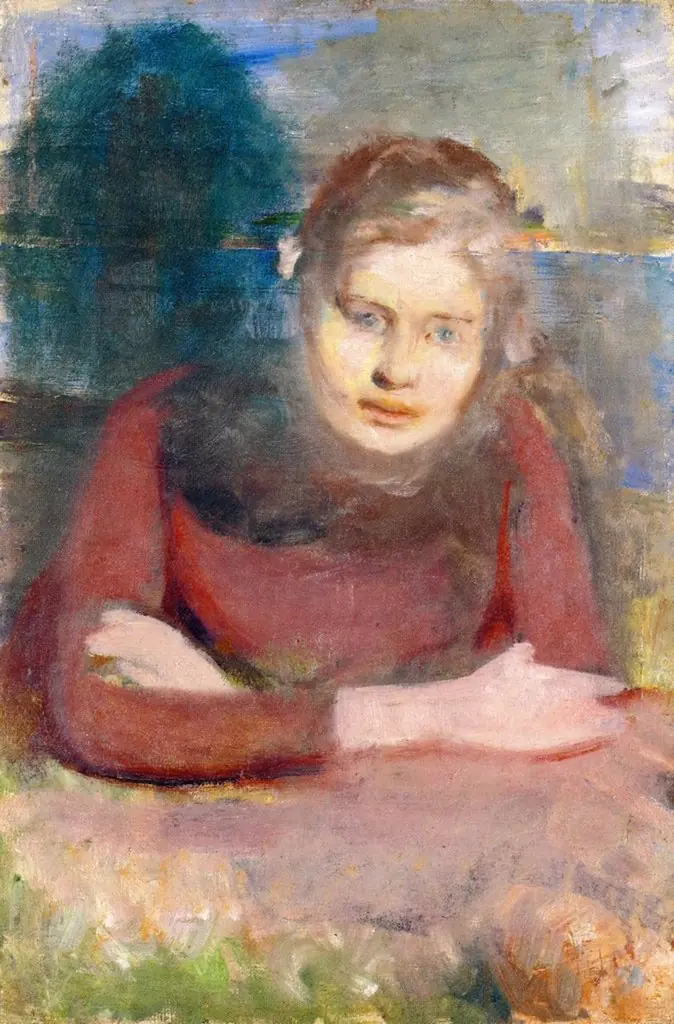 Aasta Carlsen
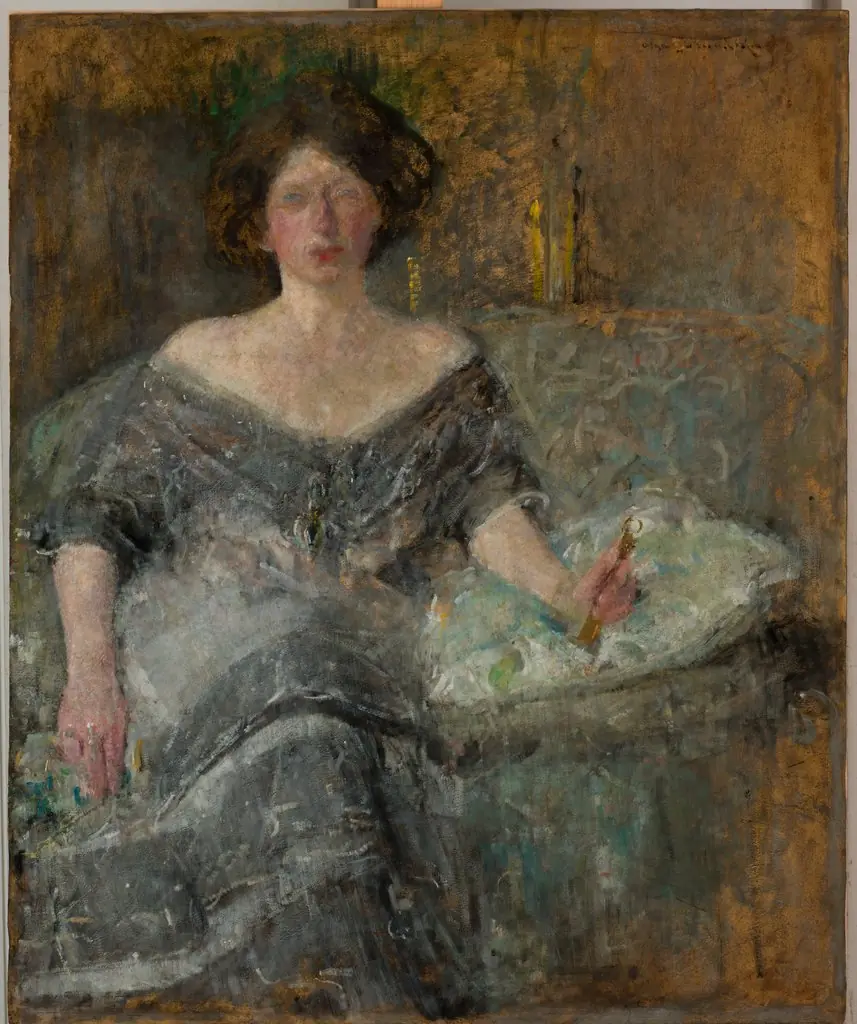 Portrait of Elza Krauze
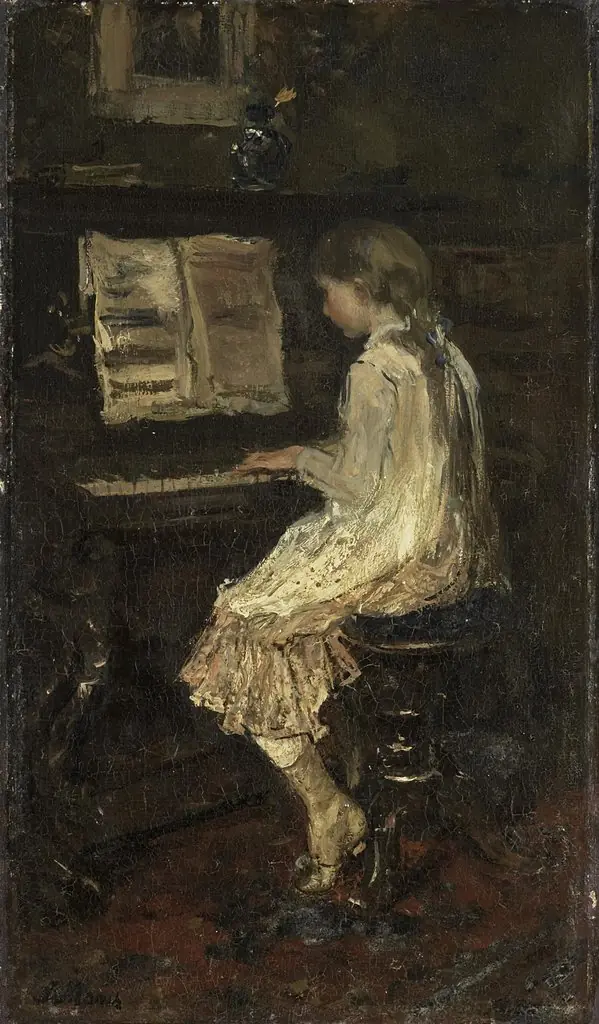 Girl at the Piano
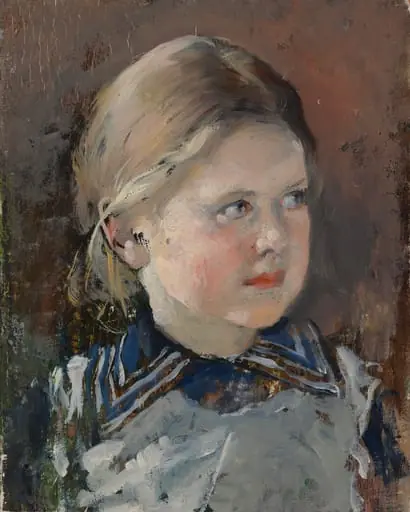 Tytön pää, harjoitelma vapaaherra Viktor Magnus von Bornin perhemuotokuvaa varten
 Portrait of Doris McIntyre
 After laying