Artwork
Wilczyce - pole koniczyny
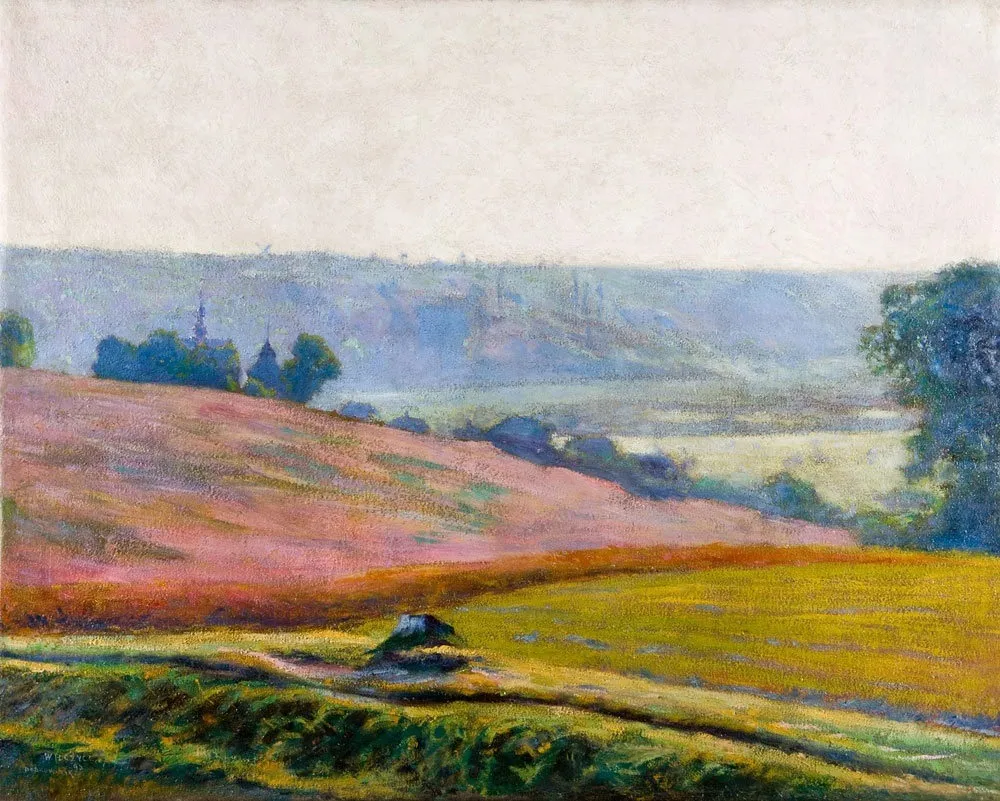
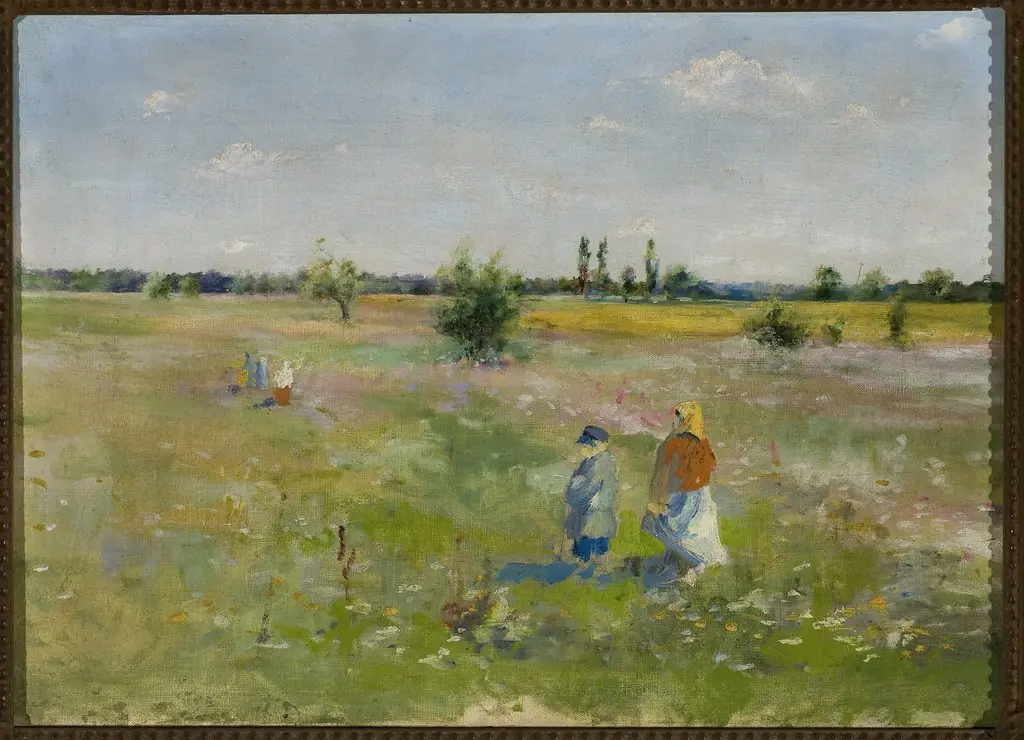
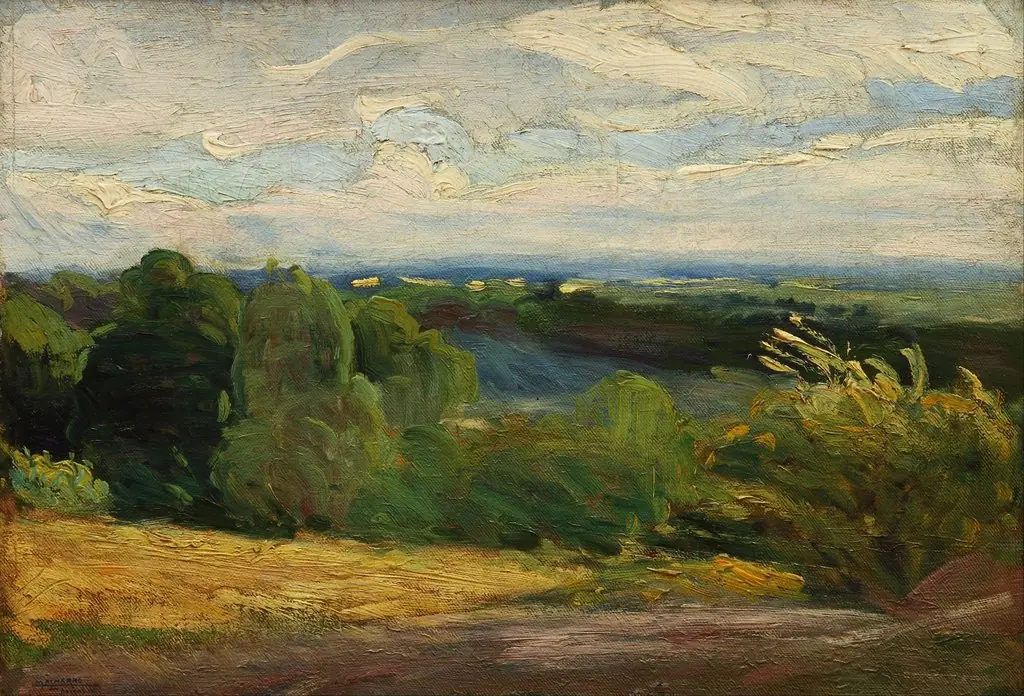
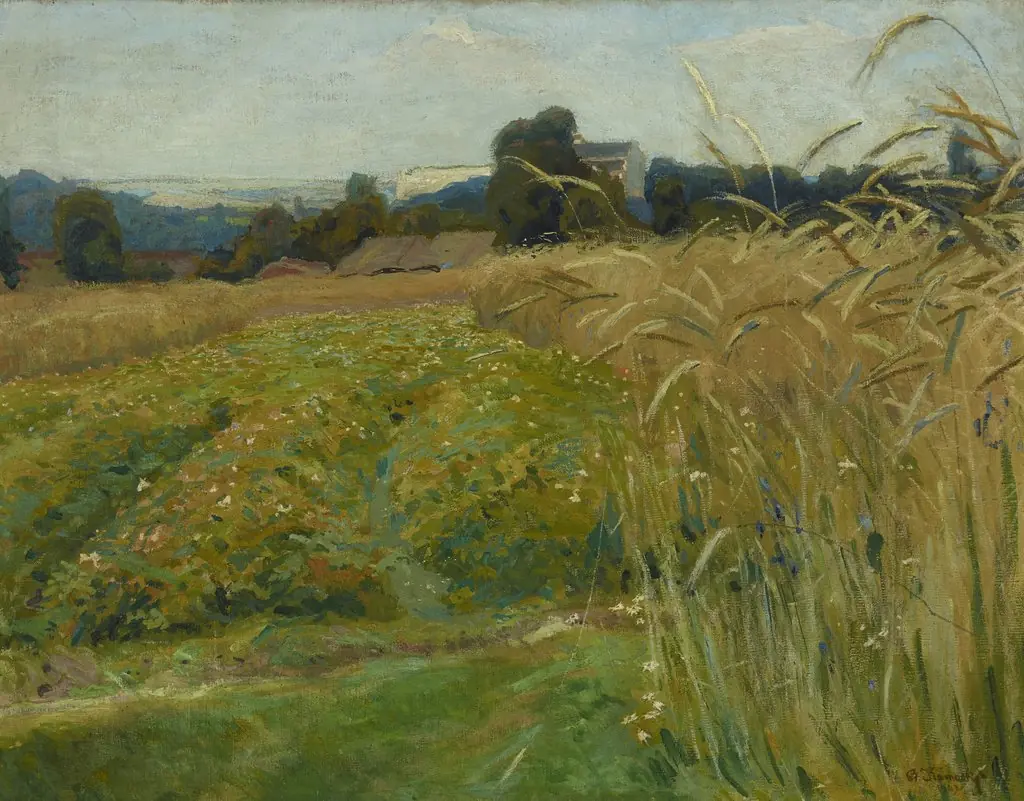
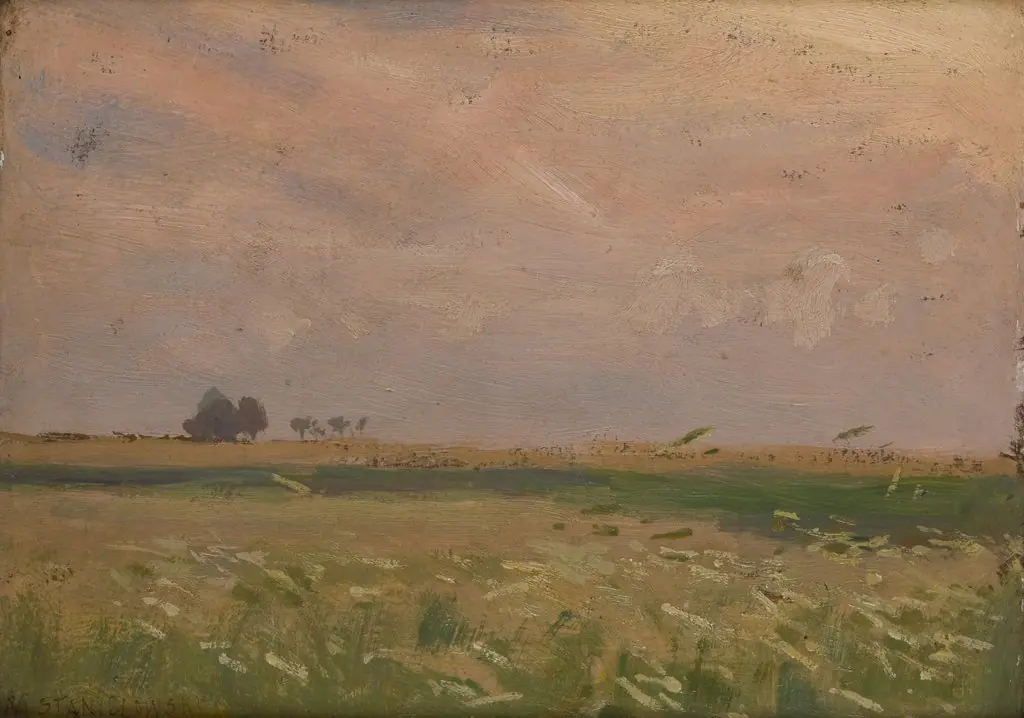
Wilczyce - pole koniczyny is an oil painting by the Post-Impressionist artist Władysław Podkowiński. It is held in the collection of the National Museum in Kraków.
About this work
Overview
It is now part of the National Museum in Kraków’s permanent collection, representing a quiet moment in late 19th-century Polish landscape painting.
Władysław Podkowiński painted *Wilczyce - pole koniczyny* in 1897 using oil on canvas. A key figure in Poland’s Young Poland movement, he captured a rural landscape near the village of Wilczyce. The work reflects his engagement with post-impressionist approaches, emphasizing atmosphere over detail. It is now part of the National Museum in Kraków’s permanent collection, representing a quiet moment in late 19th-century Polish landscape painting.
Subject & Meaning
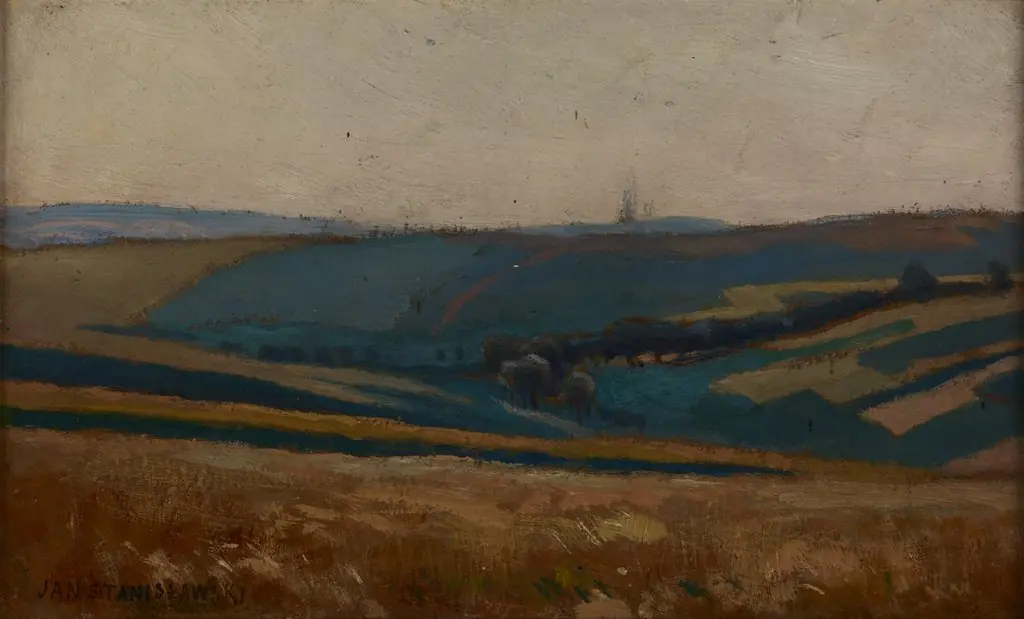
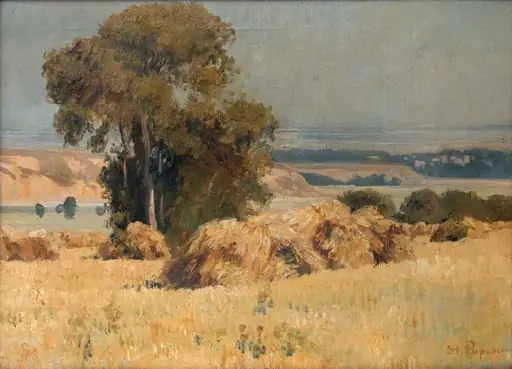
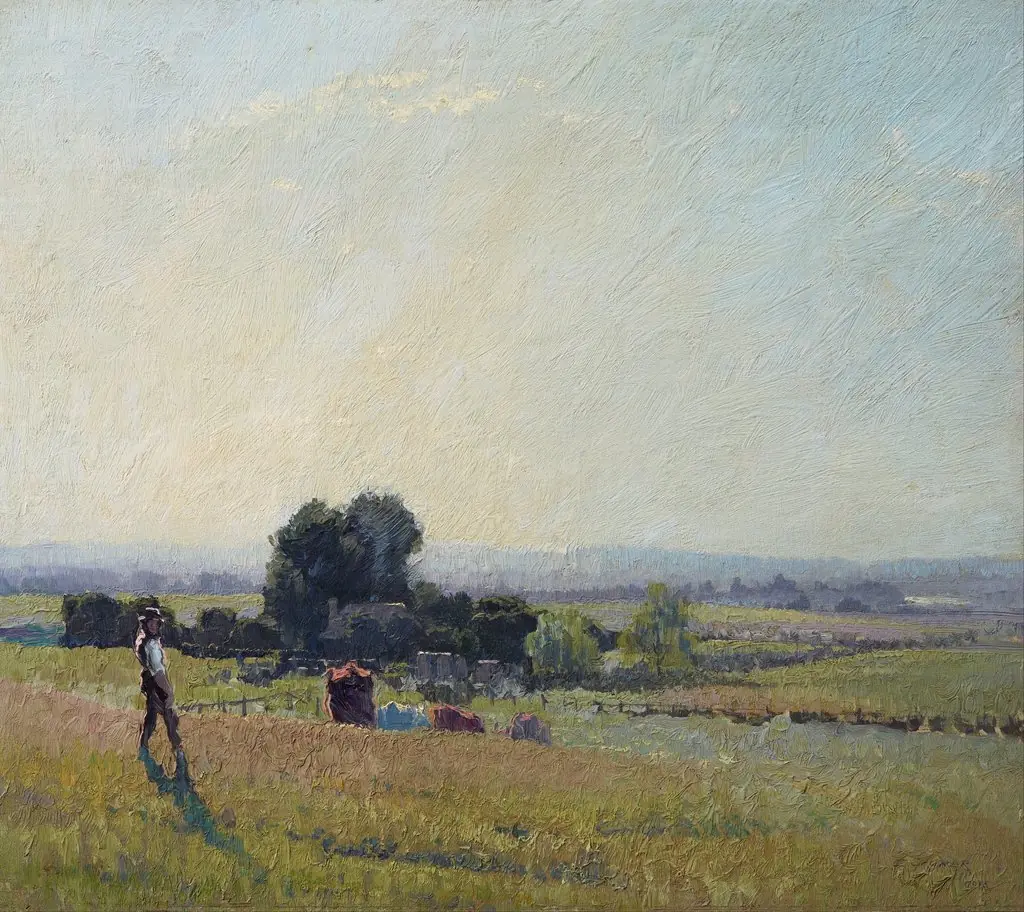
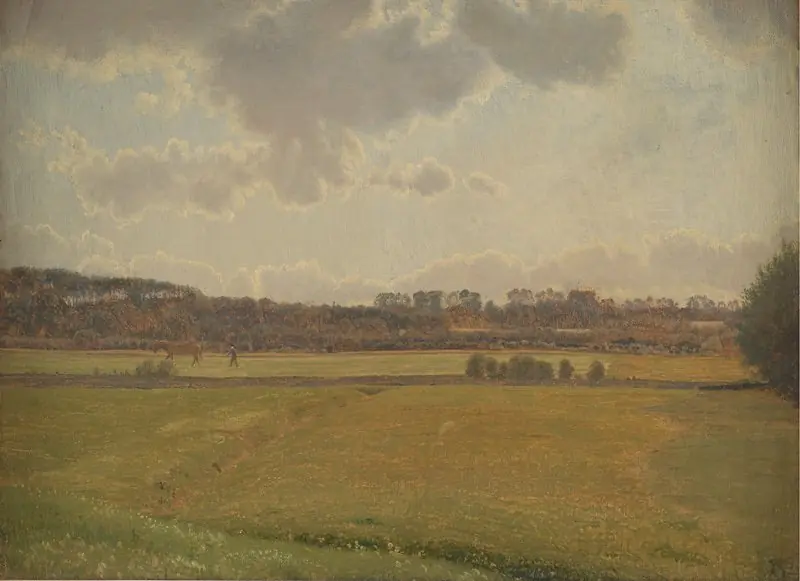
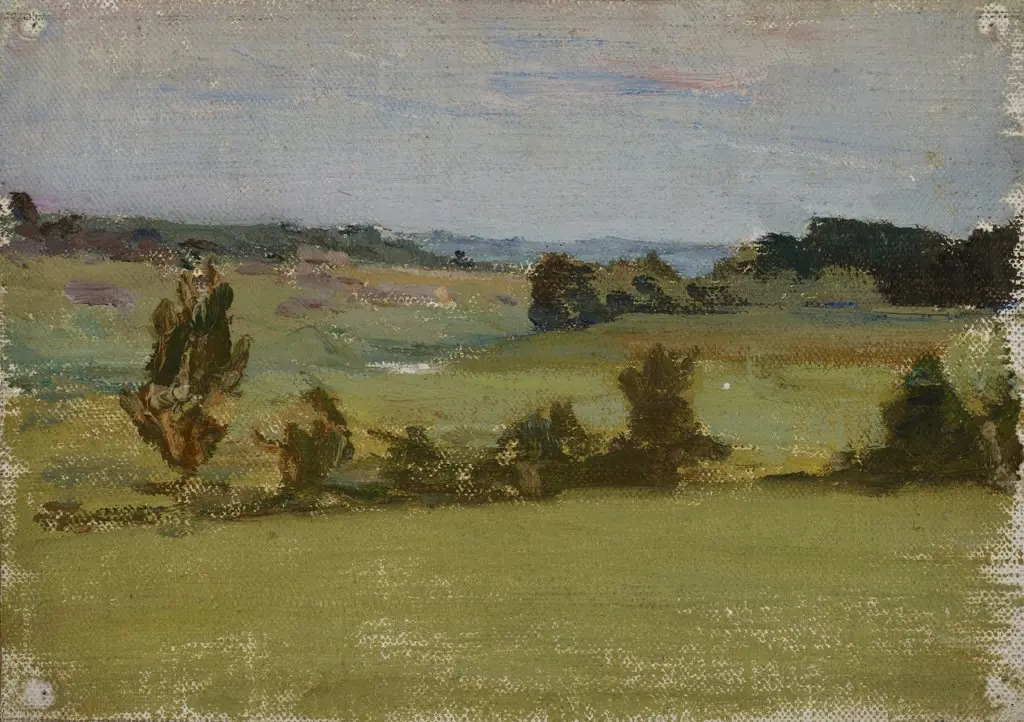
The painting portrays a gentle, undulating field of clover under a diffused sky, with no human figures or structures. The absence of narrative focus invites contemplation of nature’s quiet rhythms. The subject reflects a broader cultural turn toward introspective landscapes in Polish art, where the land itself becomes a vessel for mood rather than a backdrop for action or symbolism.
Technique & Style
Podkowiński employed loose, textured brushwork to suggest the movement of wind through grass and the soft transition of light across hills. Earth tones—olive, ochre, and muted brown—dominate, avoiding sharp contrasts. The sky is rendered with thin, blended washes, creating a hazy horizon. His method prioritizes sensory impression over precise form, aligning with post-impressionist tendencies while retaining a distinctly personal rhythm.
History & Provenance
Created in the final year of Podkowiński’s life, the painting was likely made during a period of personal and artistic reflection. It entered the National Museum in Kraków’s collection shortly after his death in 1895, though the date of creation is recorded as 1897, suggesting possible posthumous cataloging or dating adjustments. Its preservation reflects early institutional interest in modern Polish painting.
Context
In the 1890s, Polish artists increasingly turned to native landscapes as expressions of national identity under foreign partition. Podkowiński’s work diverged from academic traditions, embracing emotional tone and atmospheric effects. *Wilczyce - pole koniczyny* aligns with this shift, echoing broader European trends in post-impressionism while rooting itself in the specific light and terrain of rural Poland.
Legacy
Though not widely exhibited outside Poland, the painting remains a touchstone for understanding Podkowiński’s evolution toward expressive landscape. It influenced later generations of Polish modernists who sought to convey inner states through natural forms. Its quiet intensity continues to be studied as an example of how emotional resonance can emerge from subtle, unadorned observation.
Artist & collection
Artist
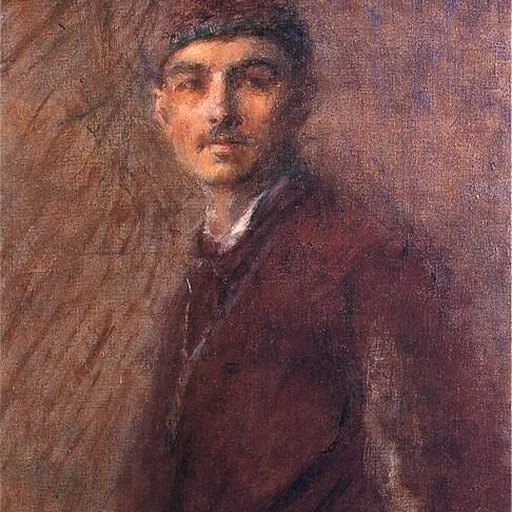
Władysław Podkowiński (Polish: ; 4 February 1866 – 5 January 1895) was a Polish master painter and illustrator associated with the Young Poland movement during the Partition period.