Artwork
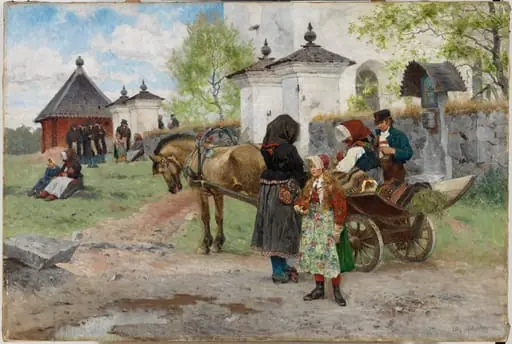
Street in Siennica
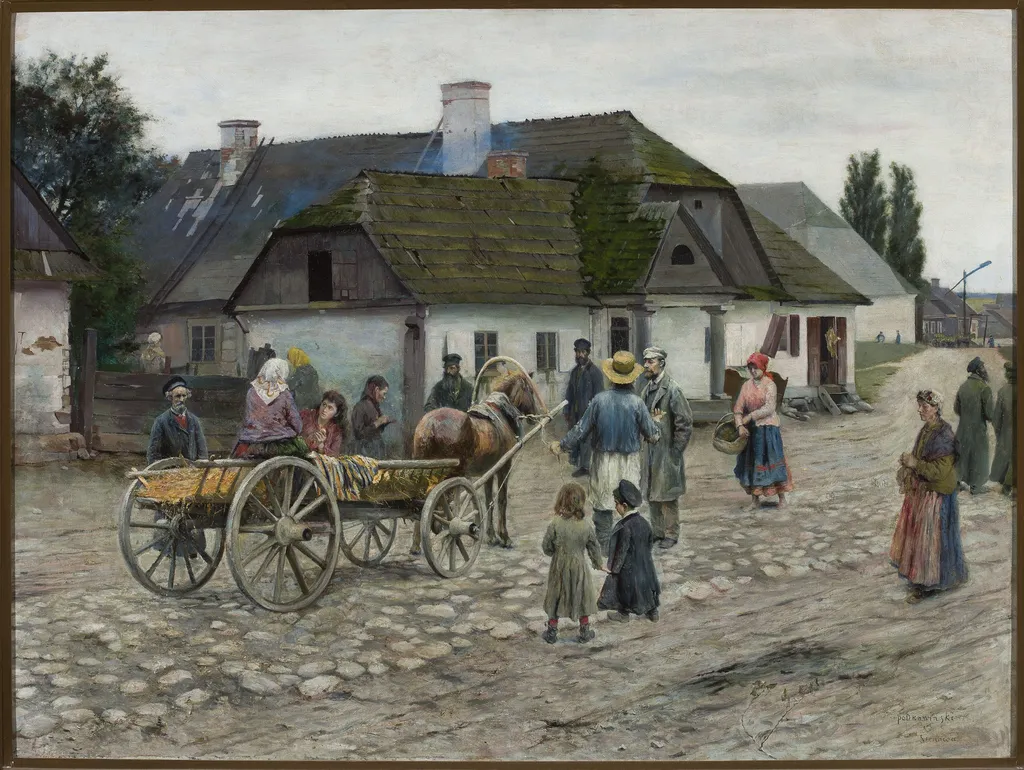
Street in Siennica is an oil painting by the Impressionist artist Władysław Podkowiński. It is held in the collection of the National Museum in Warsaw.
About this work
If you're interested in learning more about the artist's use of light and shadow, you might want to explore the technique of chiaroscuro.
The painting shows a street scene with a horse-drawn cart in the foreground. The cart is filled with what looks like hay or straw, and a group of people are gathered around it. In the background, there are buildings with tiled roofs and chimneys.
The scene is set in a rural area, possibly in the late 19th century. The artist has used earthy tones to depict the scene, with shades of brown and green dominating the palette. The brushstrokes are loose and expressive, giving the painting a sense of movement and energy.
If you're interested in learning more about the artist's use of light and shadow, you might want to explore the technique of chiaroscuro.
Overview
Created in 1896, *Street in Siennica* is an oil painting by Polish artist Władysław Podkowiński. The work depicts a quiet rural thoroughfare, centered on a horse‑drawn cart laden with straw and surrounded by villagers. It is part of the National Museum’s collection in Warsaw and exemplifies the artist’s engagement with the visual concerns of the Young Poland movement.
Subject & Meaning
The composition captures a moment of everyday life in a provincial setting, likely in the late‑19th century. Figures cluster around the cart, suggesting communal activity, while the modest architecture and tiled roofs convey a sense of regional identity. The painting emphasizes the interaction between people, their labor, and the surrounding landscape, offering a modest narrative of rural routine.
Technique & Style
Podkowiński employs an impressionistic approach, using loose, expressive brushwork to convey atmosphere and motion. Earthy browns and muted greens dominate the palette, reinforcing the natural setting. Light falls softly across the scene, creating subtle contrasts that hint at chiaroscuro without overt dramatization, while the fluid strokes suggest the fleeting quality of the moment.
History & Provenance
After its completion, the canvas entered the holdings of the National Museum in Warsaw, where it remains on display. The painting reflects the broader European trend toward capturing light and everyday subjects in the final decades of the 1800s, aligning Podkowiński with contemporaneous impressionist tendencies while retaining a distinct Polish sensibility.
Artist & collection
Artist
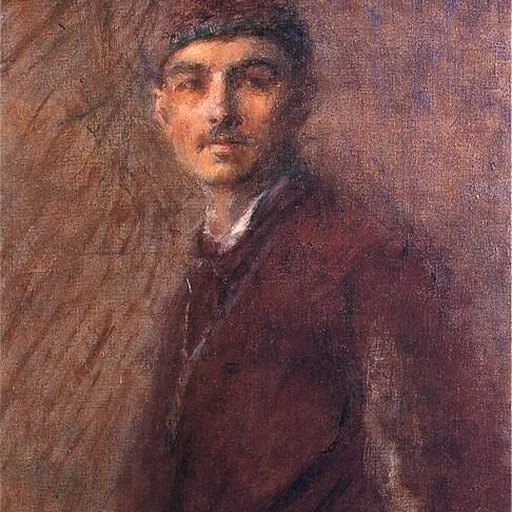
Władysław Podkowiński (Polish: ; 4 February 1866 – 5 January 1895) was a Polish master painter and illustrator associated with the Young Poland movement during the Partition period.

 Sunnuntai Flodan kirkolla Taalainmaassa
 At the entrance to a tavern
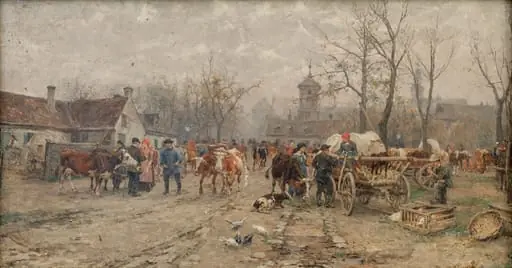 Târg de vite
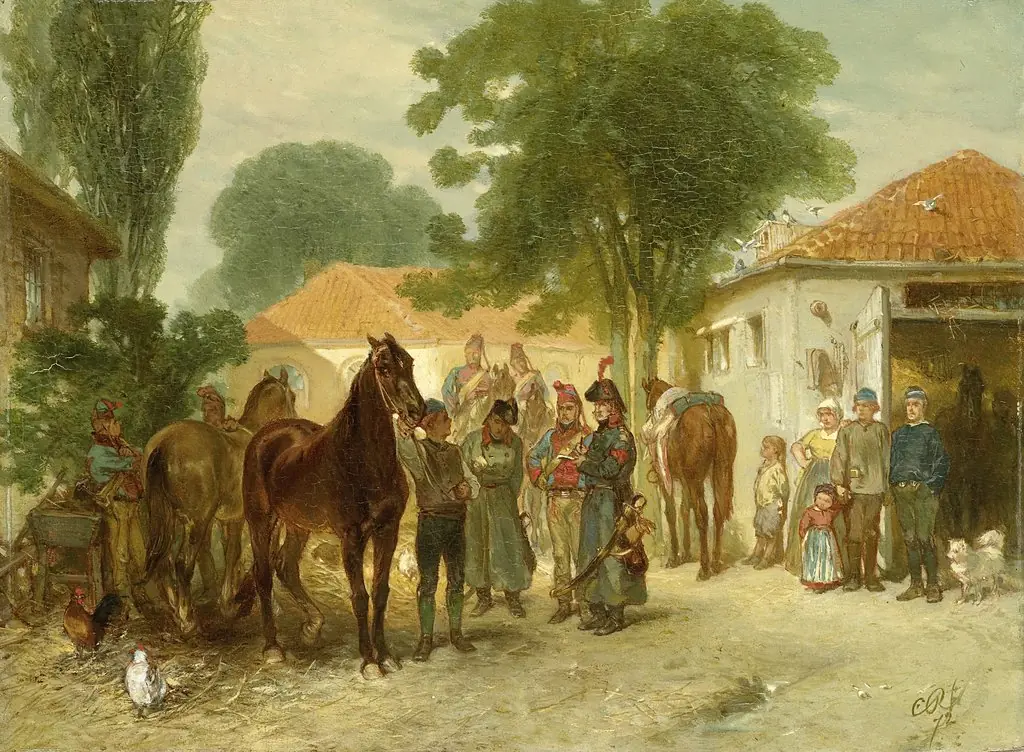 De requisitie
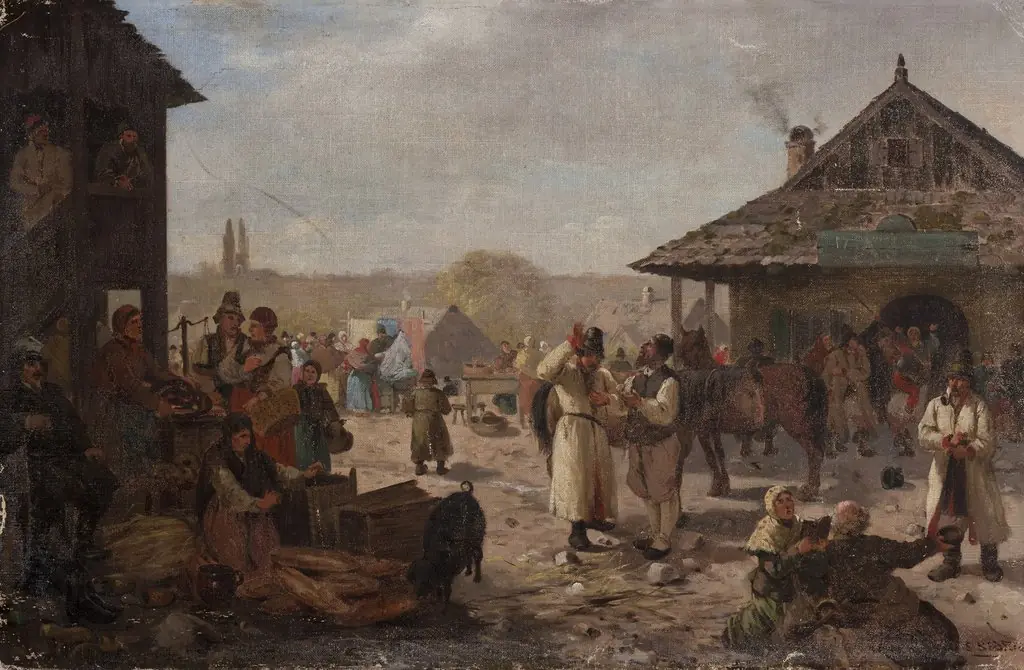 Fair in a Small Town
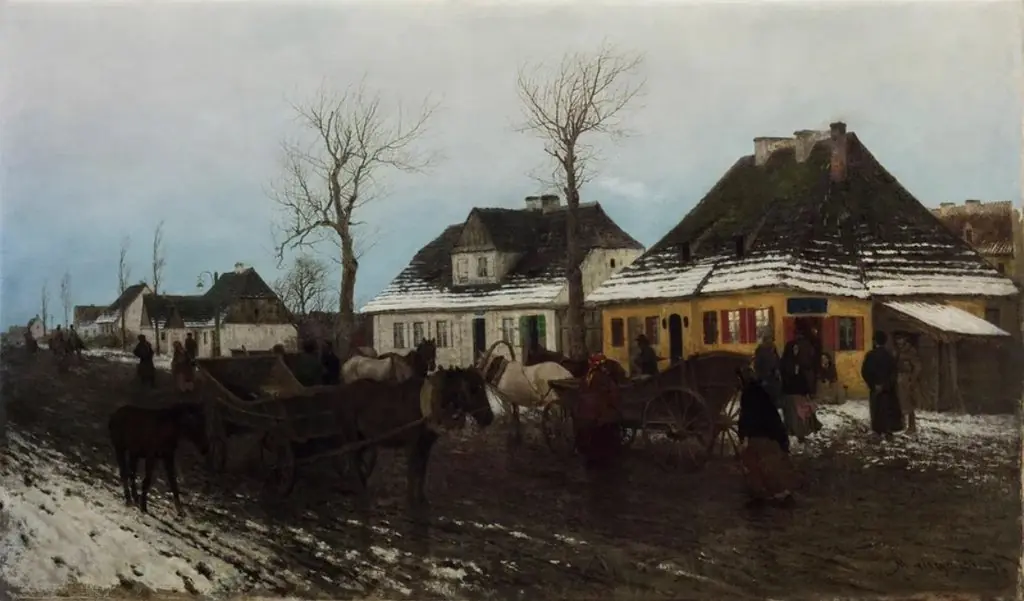 Winter in a small town
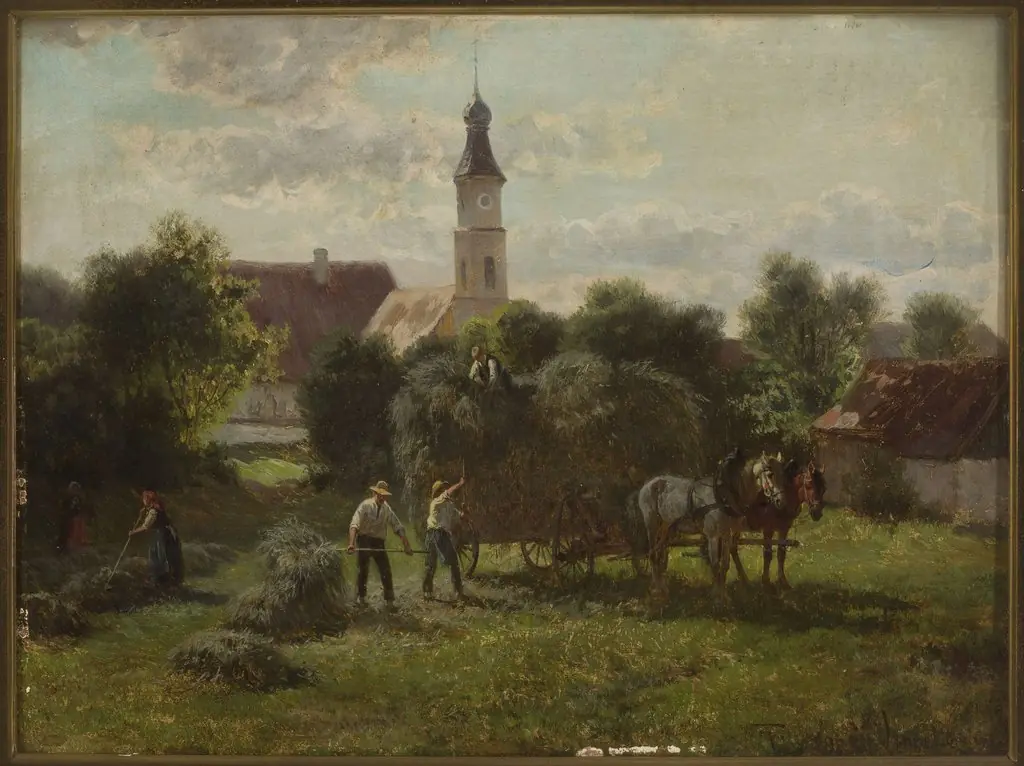 Carting hay with a view of the village and the church
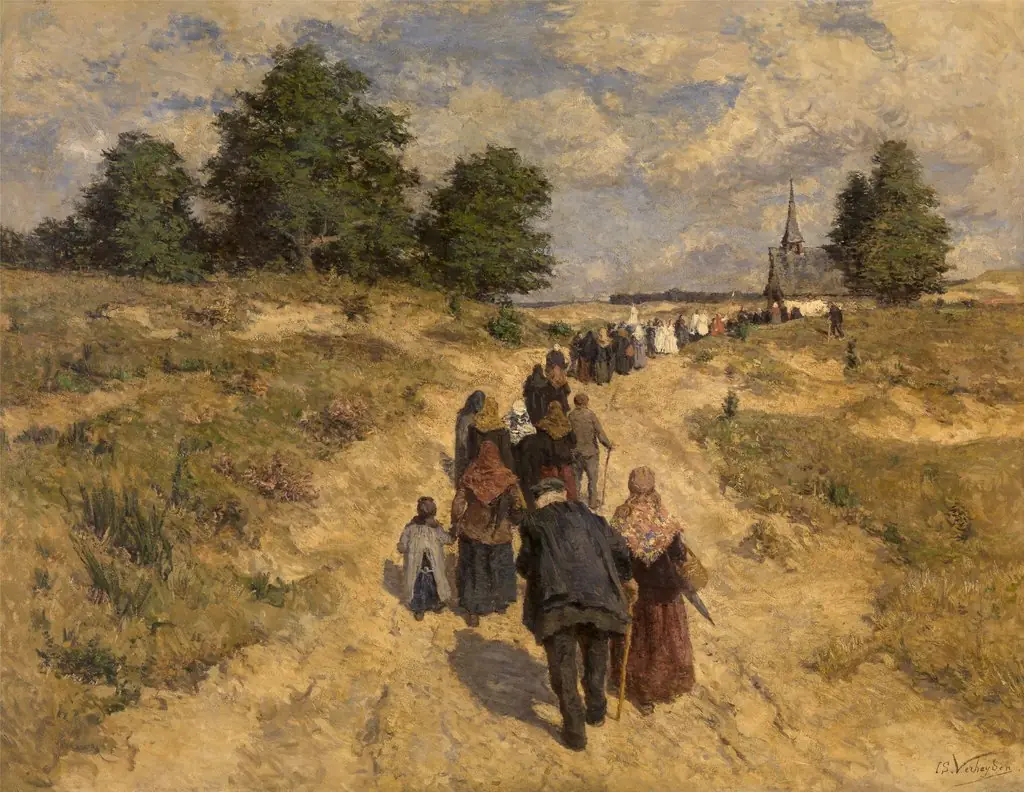 Pilgrimage in the Kempen
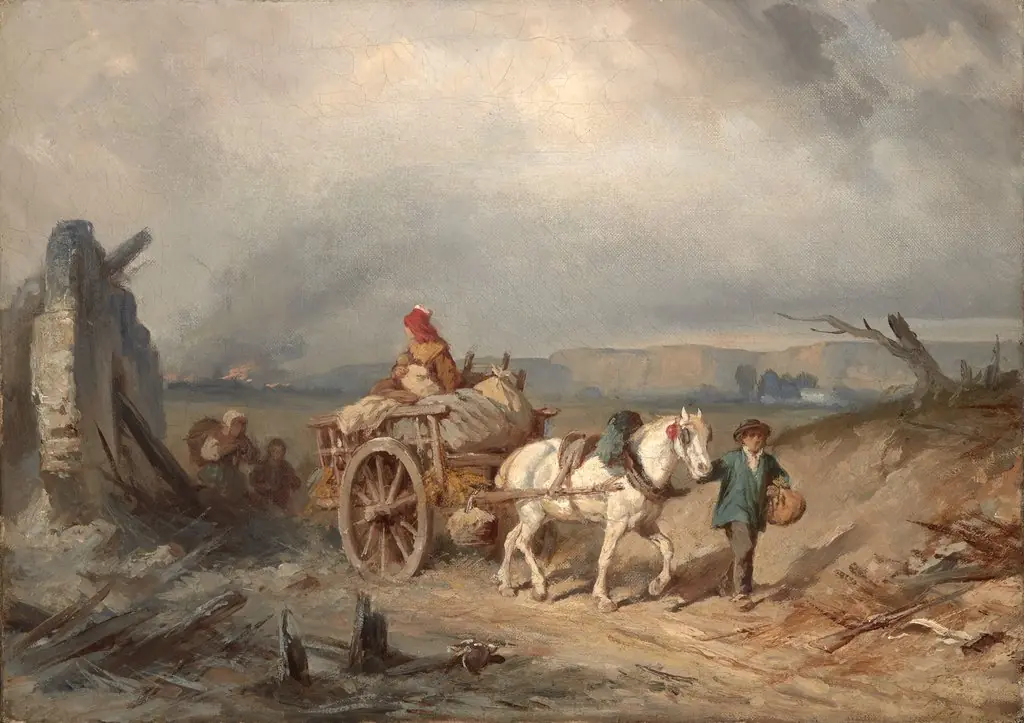 Escape
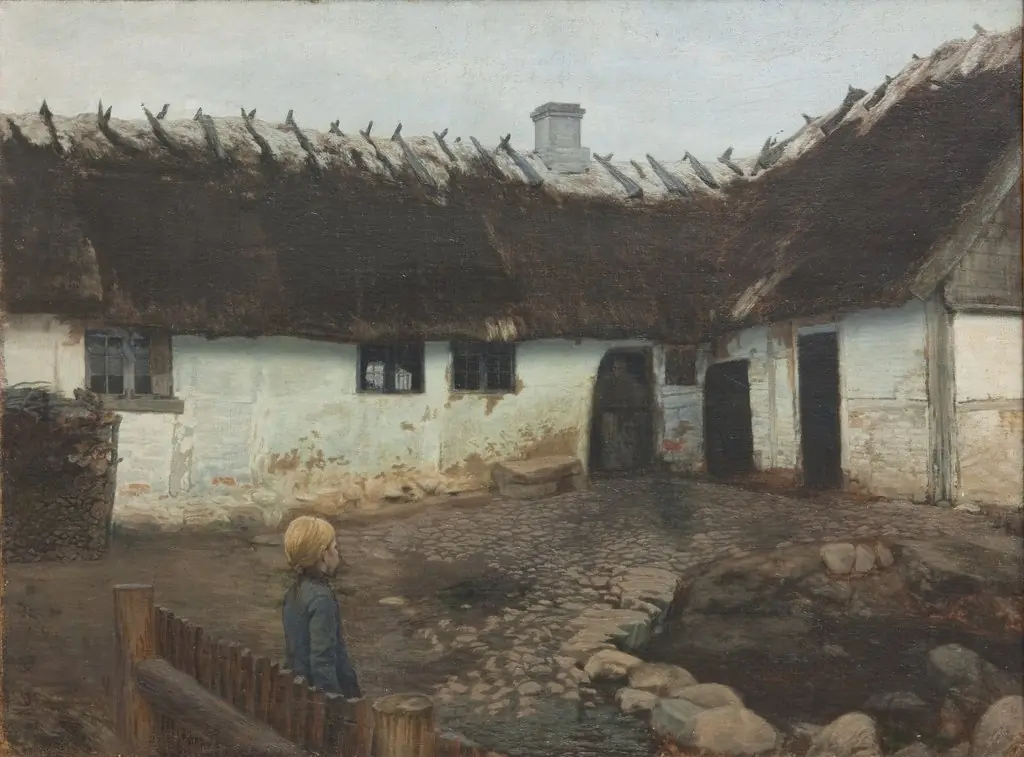 Uden for et husmandssted
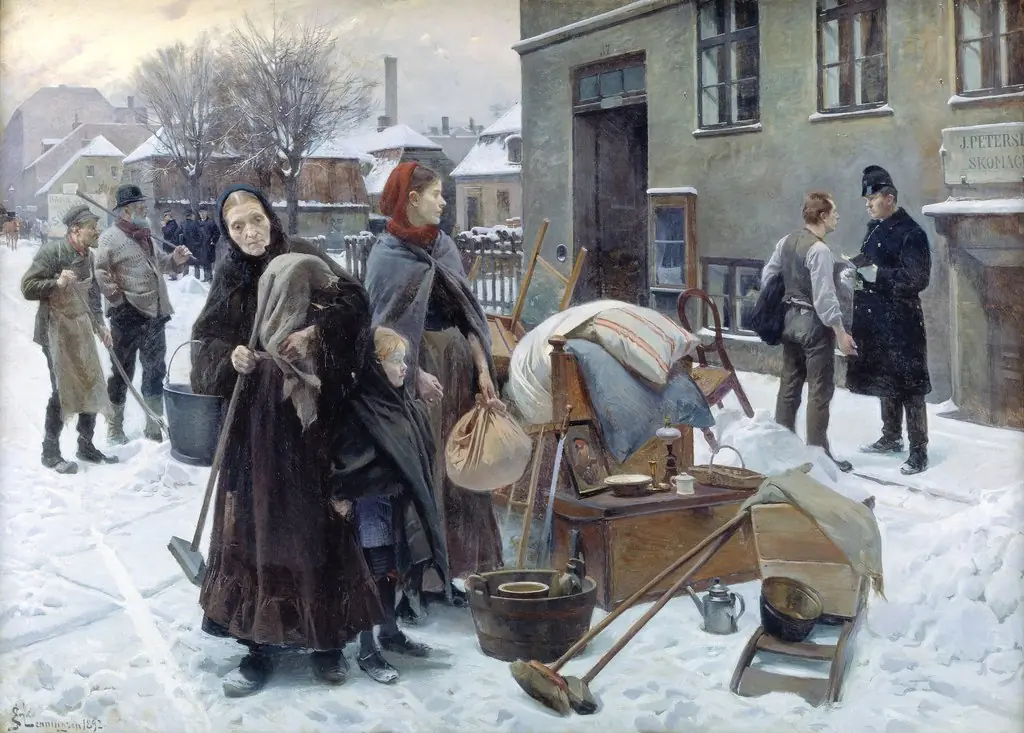 Evicted Tenants
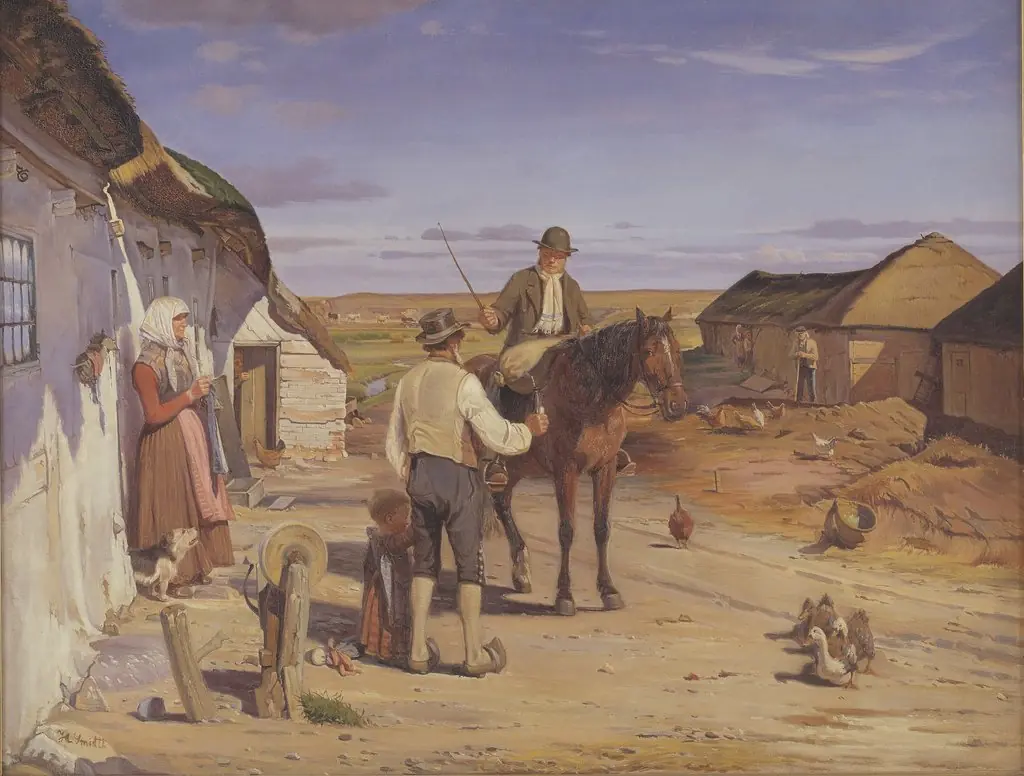 A Stranger Asking his Way at a Farm on the Moors