Artwork
Miehen muotokuva
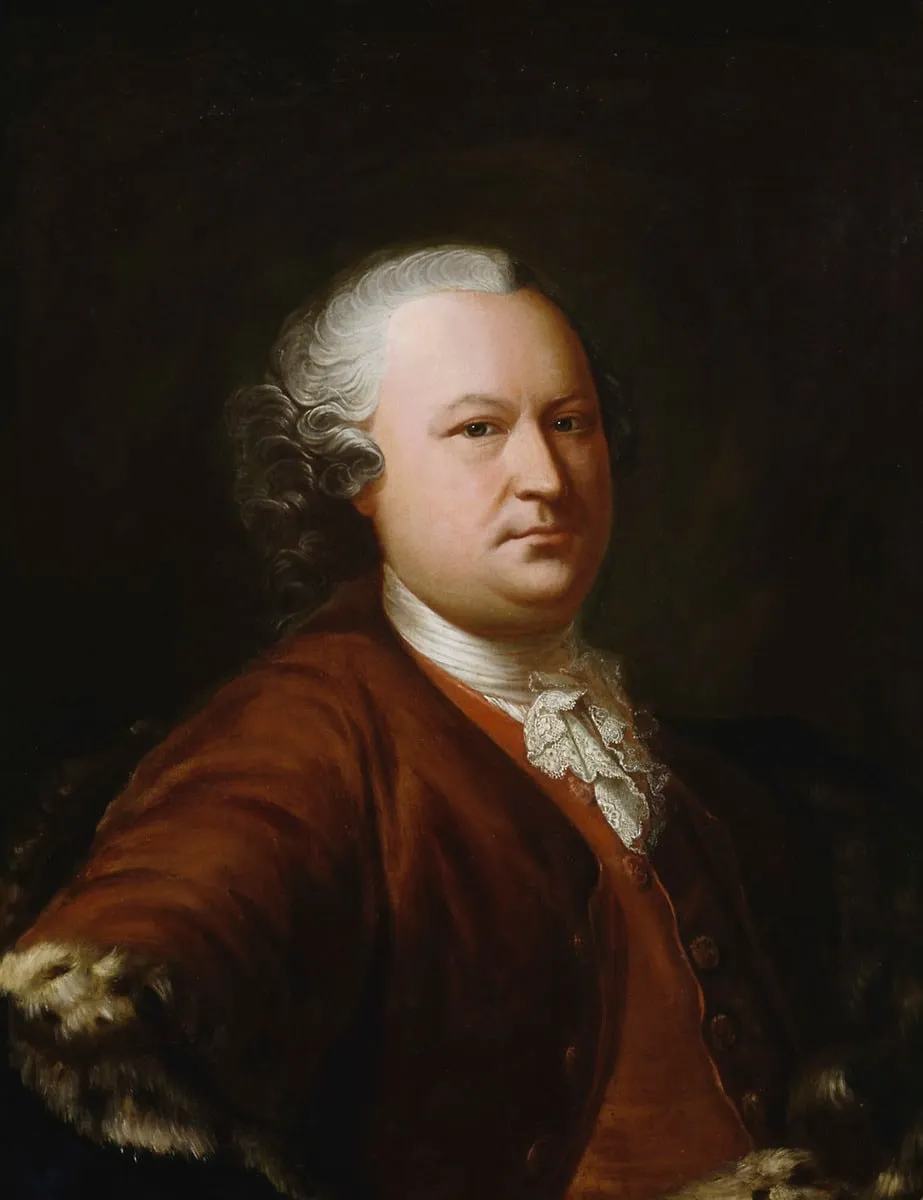
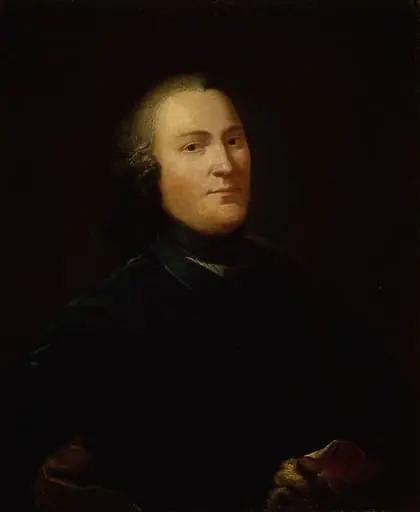
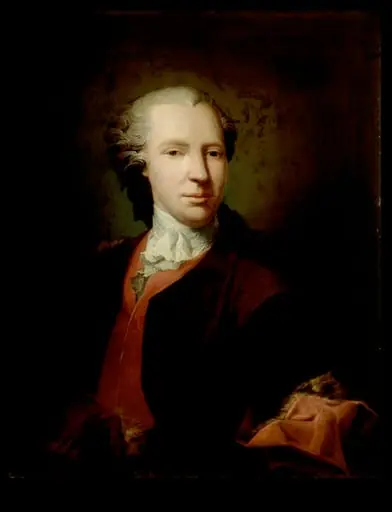
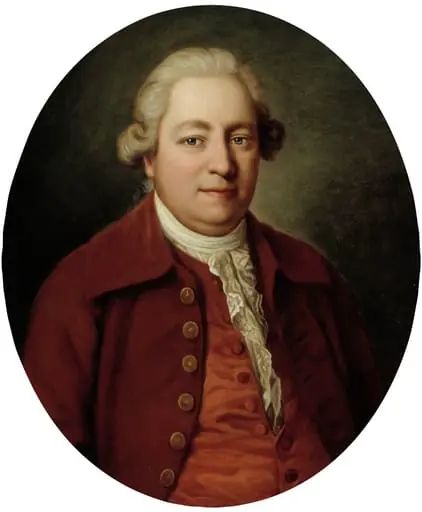
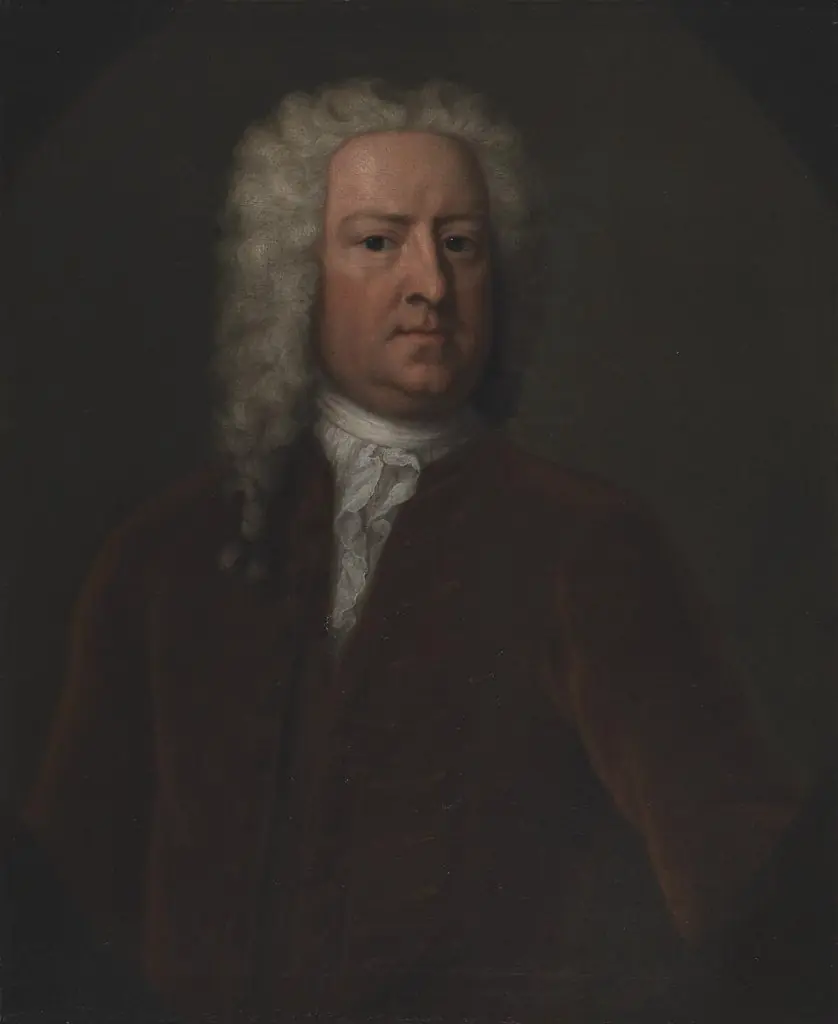
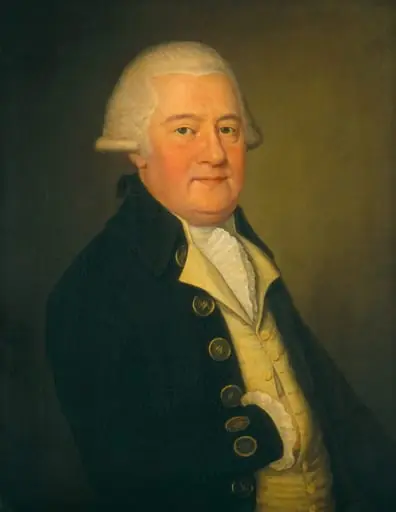
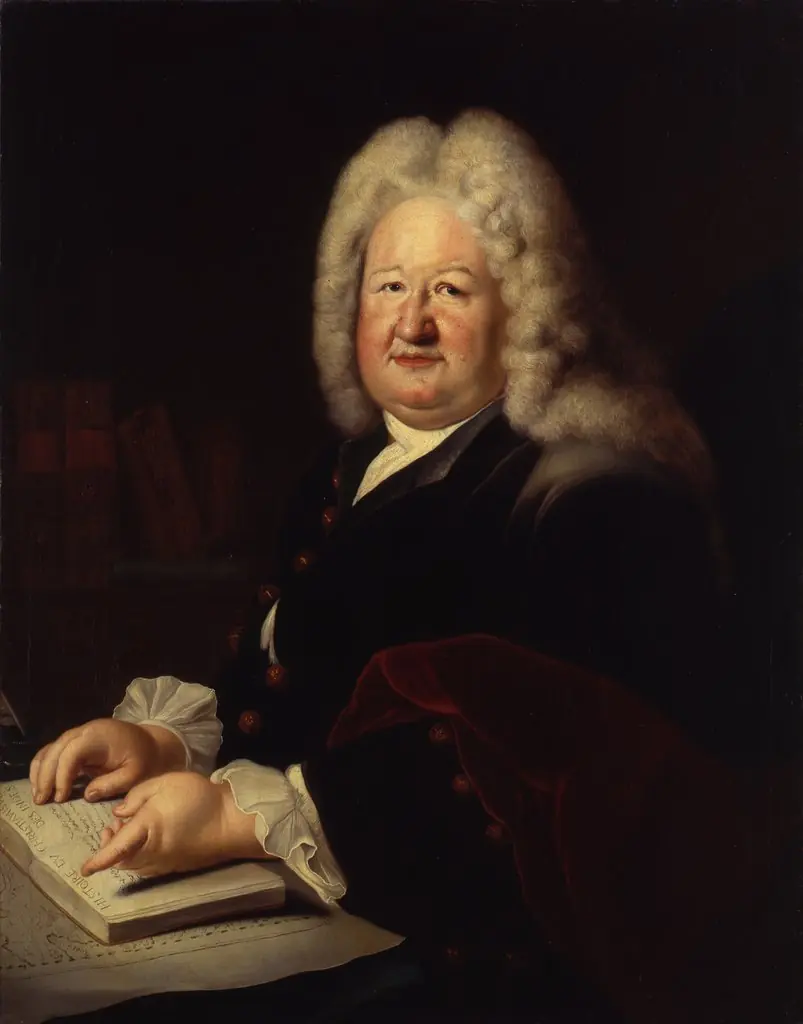
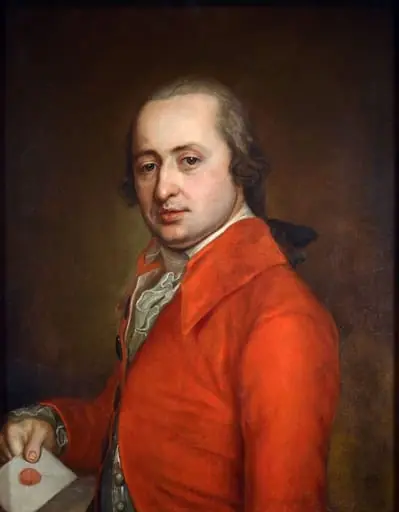
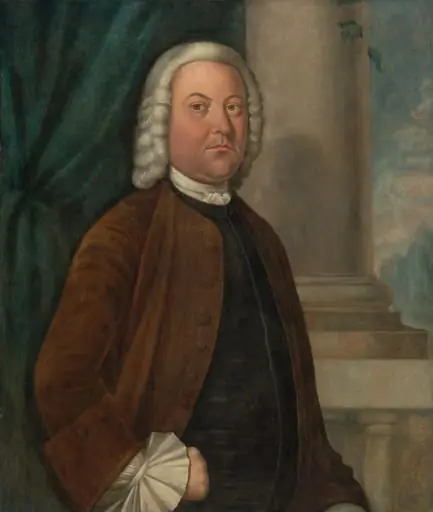
Miehen muotokuva is an unspecified painting by Isak Wacklin. It is held in the collection of the Finnish National Gallery. The work is a portrait of a white‑haired gentleman wearing a brown coat with a white lace collar.
About this work
The man's attire suggests that the portrait was painted in the 18th century, although the exact date is unknown.
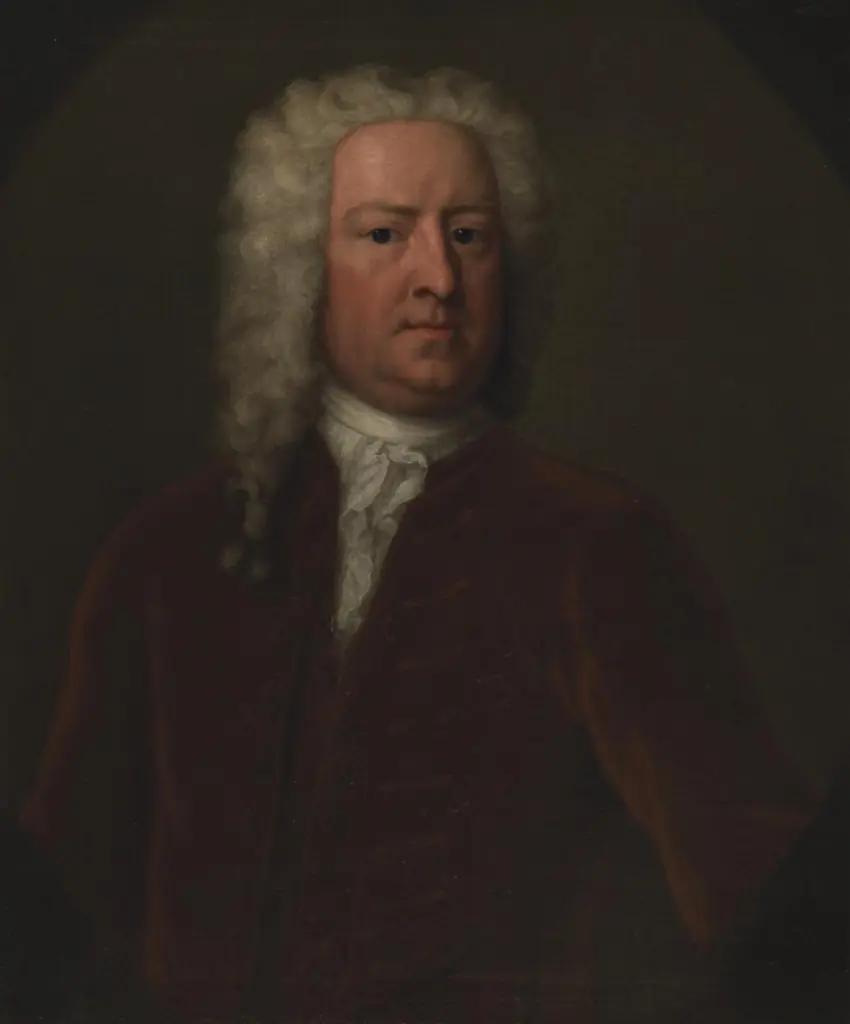
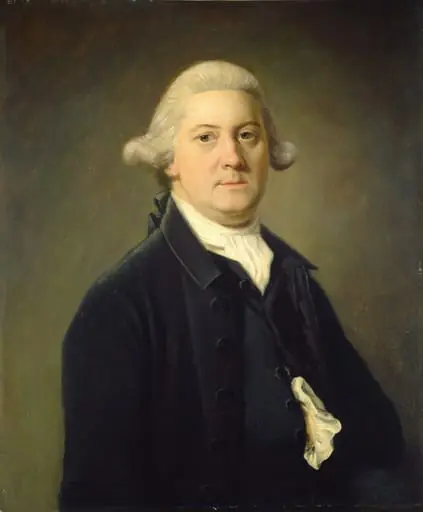
This portrait depicts a man with white hair, dressed in a brown coat and a white lace collar. The subject's gaze is directed to the right, and his left arm is visible, clad in a brown sleeve with fur trim. The background of the painting is dark, which helps to focus attention on the subject.
The man's attire suggests that the portrait was painted in the 18th century, although the exact date is unknown. The artist's use of chiaroscuro creates a sense of depth and dimensionality in the painting.
If you're interested in learning more about the artist behind this portrait, you can look up Wacklin, Isak.
Overview
The work is a portrait of a white‑haired gentleman wearing a brown coat with a white lace collar. He looks toward the right, his left arm visible beneath a fur‑trimmed sleeve. A dark background isolates the figure, drawing the viewer’s eye to his face and attire.
Subject & Meaning
The sitter’s dignified pose and refined clothing suggest a person of status in the 18th century. The lace collar and fur‑edged sleeve indicate fashionable attire of the period, while the direct gaze may convey confidence or authority.
Technique & Style
The artist employs chiaroscuro, contrasting illuminated areas of the face and garments with a deep, shadowy backdrop. This handling of light creates a three‑dimensional presence, emphasizing texture in the lace and fur and giving the portrait a sculptural quality.
History & Provenance
Although the exact date remains unknown, the costume and painting style place the work in the 1700s. Attribution to Isak Wacklin, a Finnish‑Swedish painter active in the mid‑18th century, is suggested by stylistic similarities to his known portraits.
Context
Portraits of this type served both as personal commemoration and as a display of social rank. The dark, subdued setting aligns with contemporary European conventions that highlighted the sitter’s features without distracting details.
Artist & collection