Artwork
Der Orientalist Mathurin Veyssière de La Croze (1661-1739)
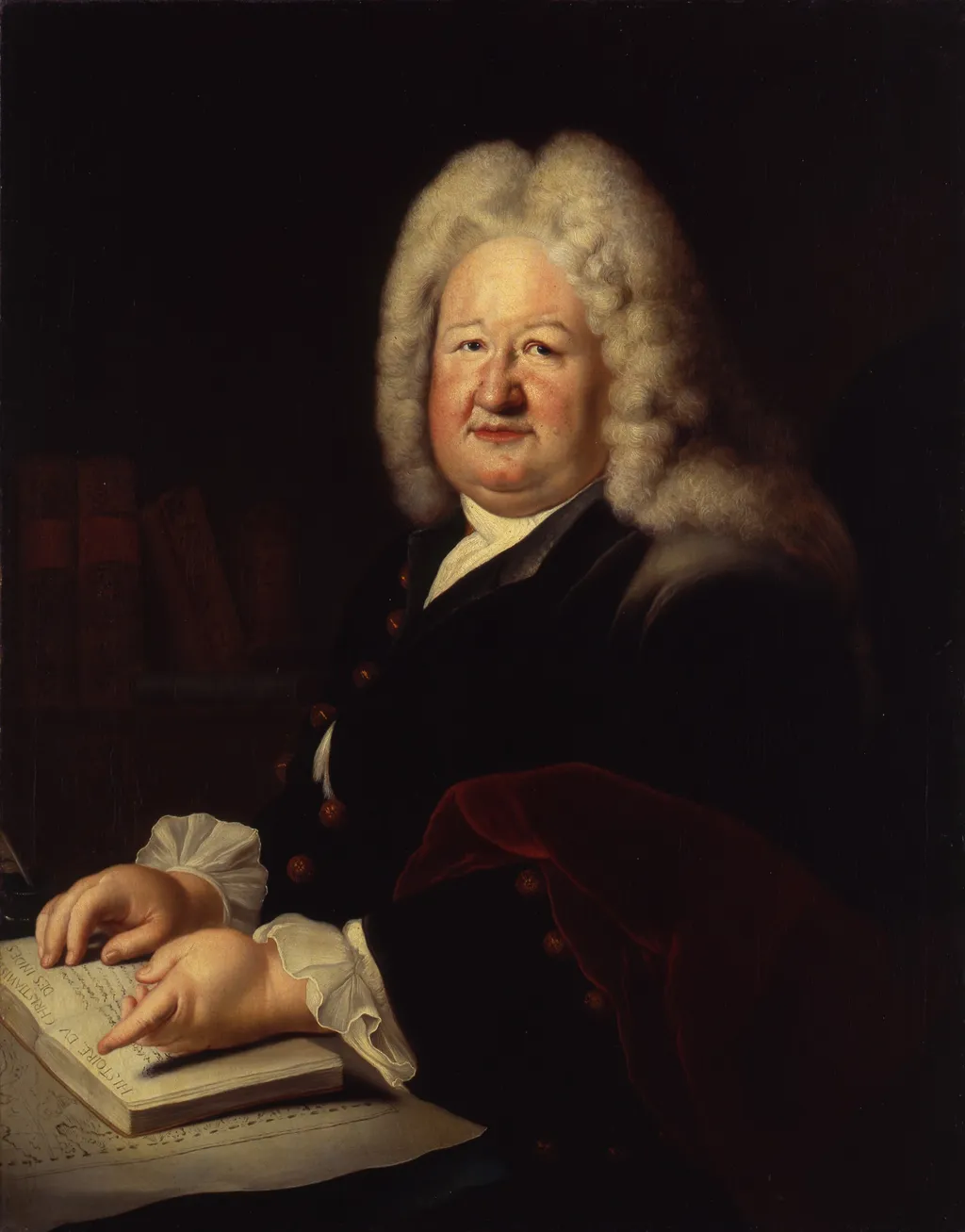
Der Orientalist Mathurin Veyssière de La Croze (1661-1739) is an oil painting by the Rococo painting artist Antoine Pesne. It dates from 1738 and is held in the collection of the Gemäldegalerie Berlin.
About this work
Overview
Painted in 1738 by Antoine Pesne, this oil portrait captures Mathurin Veyssière de La Croze, a French scholar known for his work in Oriental studies. The painting is part of the Gemäldegalerie Berlin’s collection. It presents the subject in a quiet, contemplative pose, framed against a dark, unobtrusive background that emphasizes his presence and intellectual demeanor.
Subject & Meaning
Mathurin Veyssière de La Croze, a monk and linguist, dedicated his life to the study of Eastern languages and cultures.
Mathurin Veyssière de La Croze, a monk and linguist, dedicated his life to the study of Eastern languages and cultures. The portrait reflects his scholarly identity: the book in his hand symbolizes his academic pursuits, while his formal attire and composed posture convey dignity and intellectual authority. His white hair and aged features suggest a life devoted to study, reinforcing the theme of learned contemplation.
Technique & Style
Pesne employs chiaroscuro to model the figure with subtle gradations of light and shadow, lending volume to the face, hands, and fabric. The dark background isolates the subject, focusing attention on his gesture and expression. The textures of the ruffled shirt and the book’s worn cover are rendered with precision, while the loose brushwork in the background maintains a sense of quiet depth without distraction.
History & Provenance
Commissioned near the end of La Croze’s life, the portrait was likely intended to honor his scholarly contributions. It entered the Prussian royal collection in the 18th century and remained in state custody through subsequent political changes. Today, it resides in the Gemäldegalerie Berlin, where it is preserved as part of a broader collection of Enlightenment-era portraiture.
Context
In early 18th-century Europe, scholars of Oriental languages were increasingly valued for their role in diplomacy, theology, and comparative studies. Portraits like this one served to legitimize intellectual authority, aligning the sitter with the ideals of the Republic of Letters. Pesne, as court painter to Prussia, frequently depicted intellectuals and nobility, bridging art and Enlightenment thought.
Legacy
The portrait endures as a quiet testament to the dignity of scholarly life in the Enlightenment. It avoids theatricality, instead offering a restrained representation of intellectual labor. Its preservation in a major public collection ensures continued recognition of La Croze’s contributions and the cultural value placed on erudition during a transformative period in European history.
Own this work as a print
Artist & collection
Artist
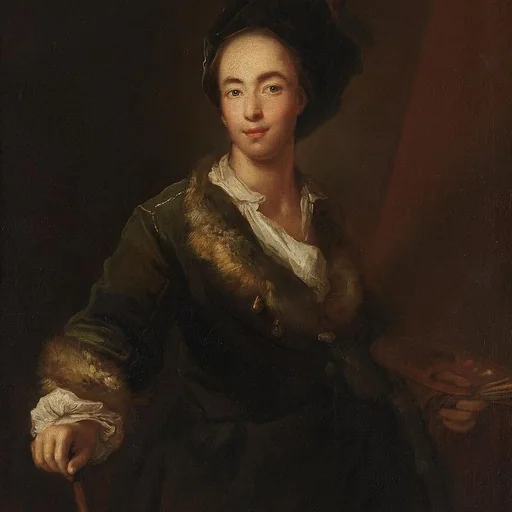
Antoine Pesne (French pronunciation: ) (29 May 1683 – 5 August 1757) was a French-born court painter of Prussia.

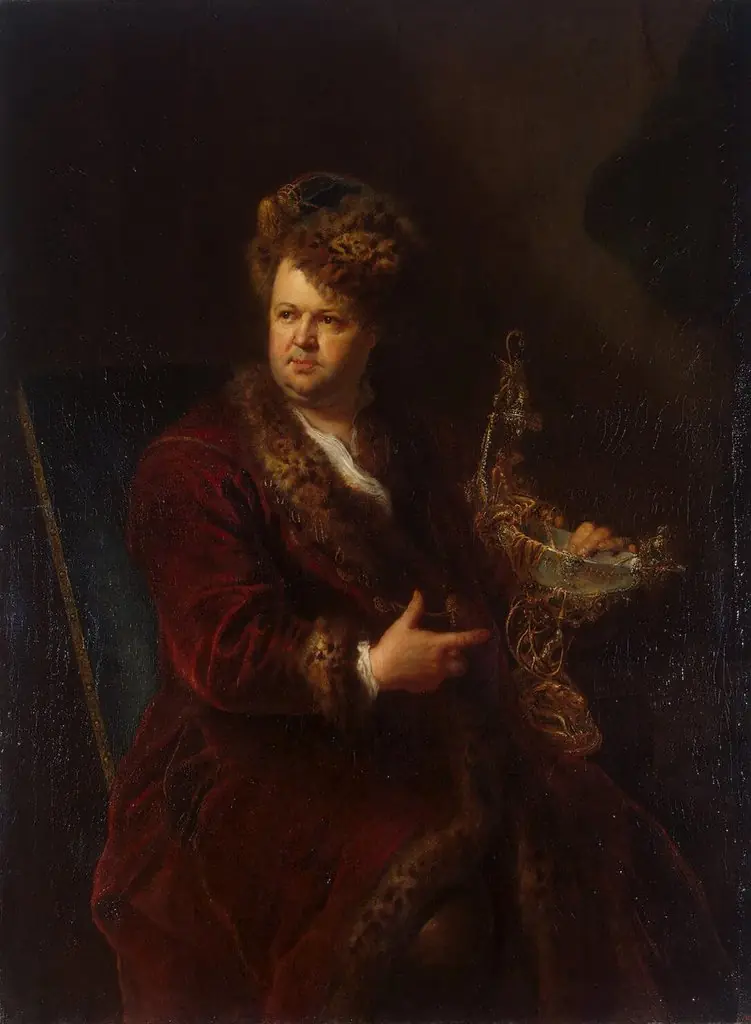 Portrait of Johann Melchior Dinglinger
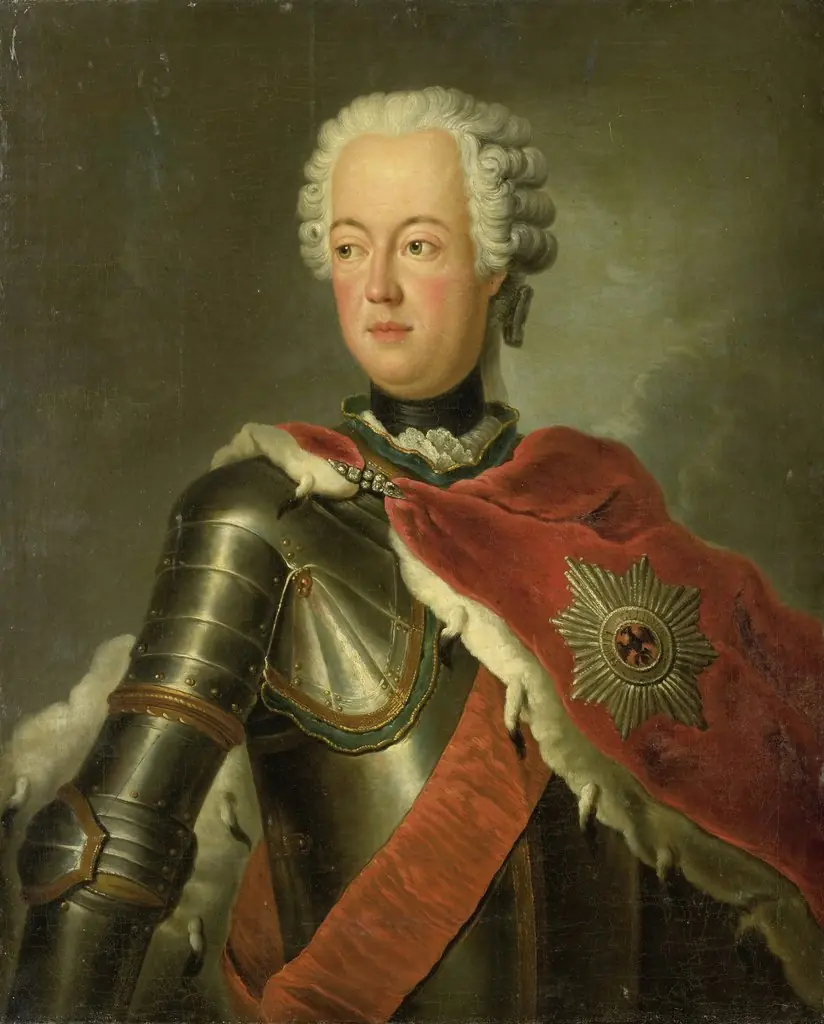 Portrait of Prince August Wilhelm of Prussia
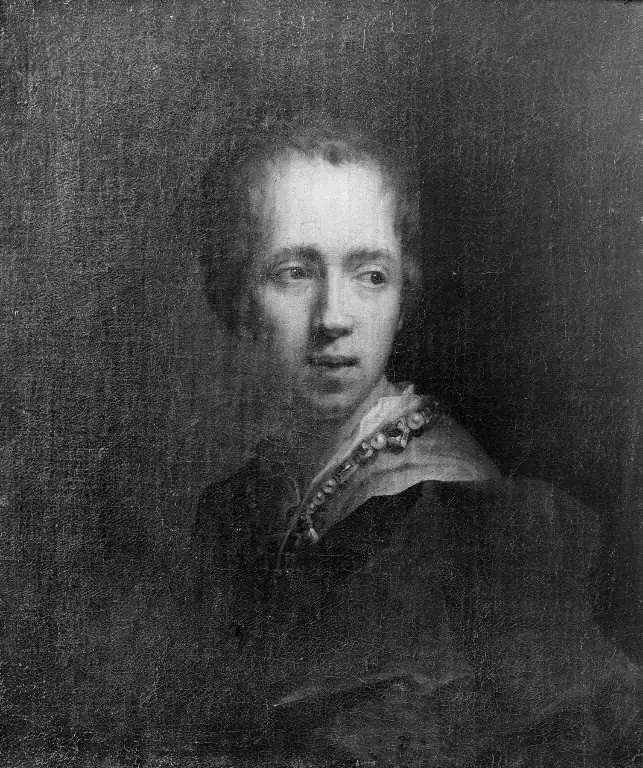 Portrait of a Man
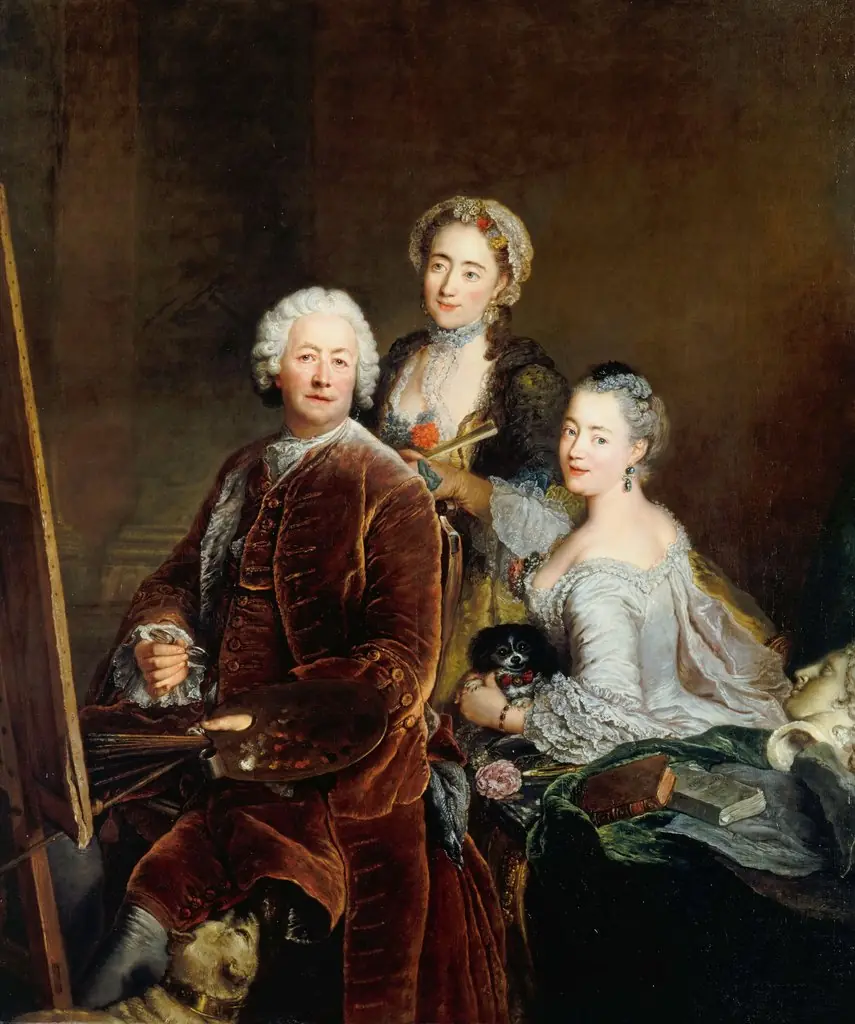 Self-portrait with Daughters Henriette Joyard and Marie de Rège in front of the easel
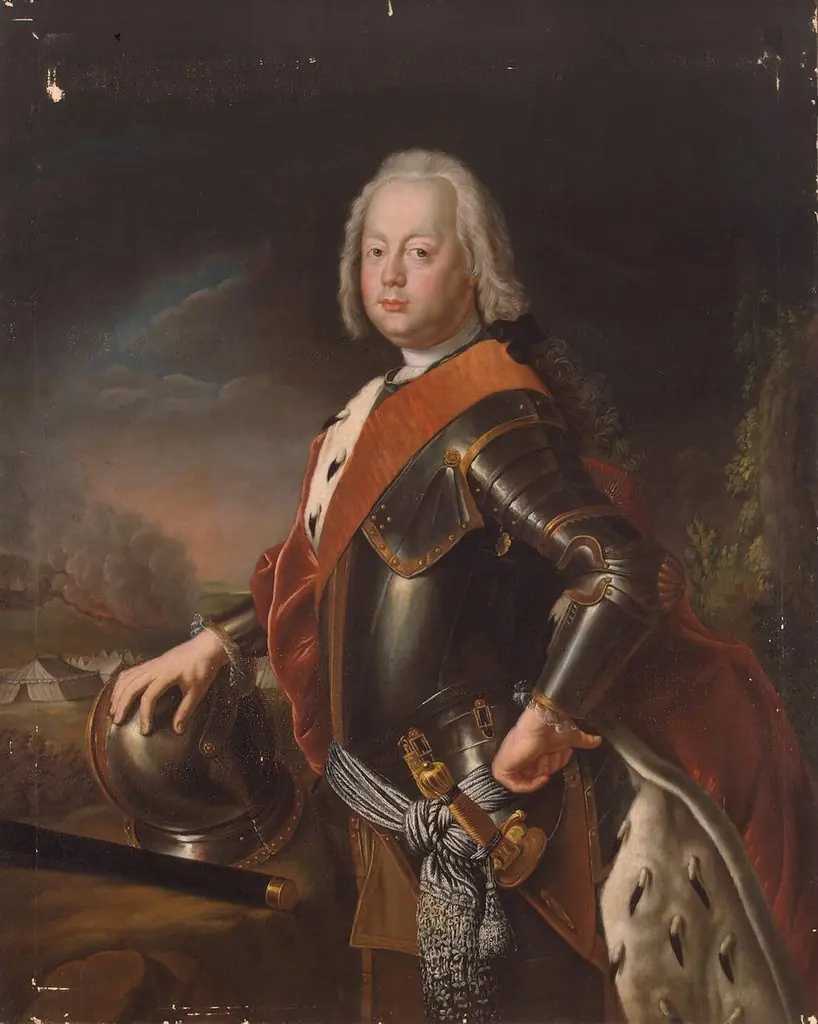 Portrait of Christian Augustus of Anhalt-Zerbst
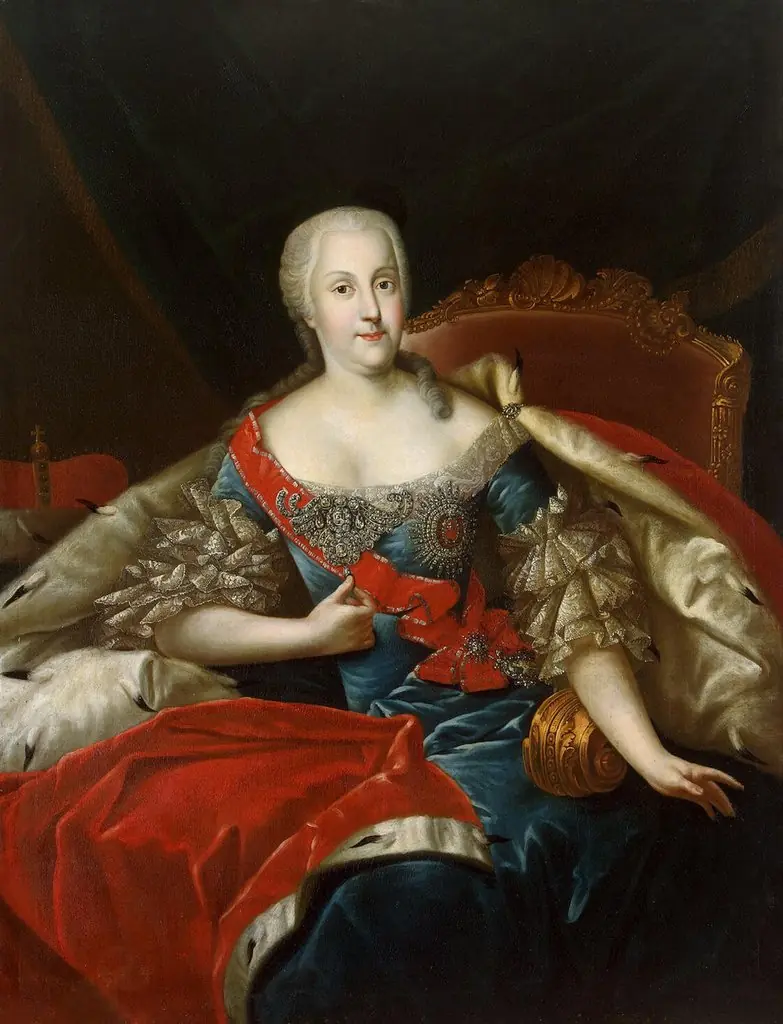 Portrait of Johanna Elisabeth, Princess of Anhalt-Zerbst
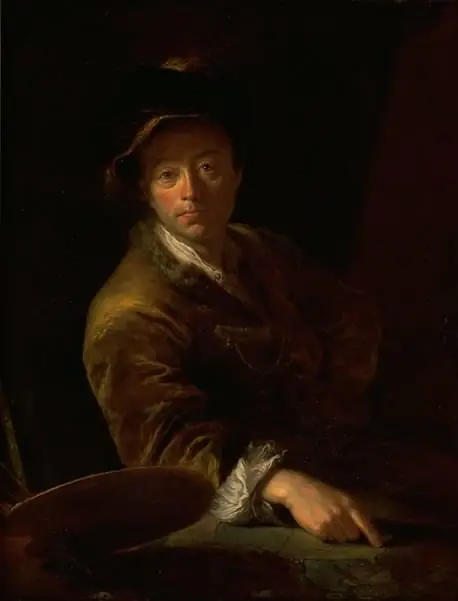 Portrait of a Painter (presumably C. L. Agricola, 1667-1719)
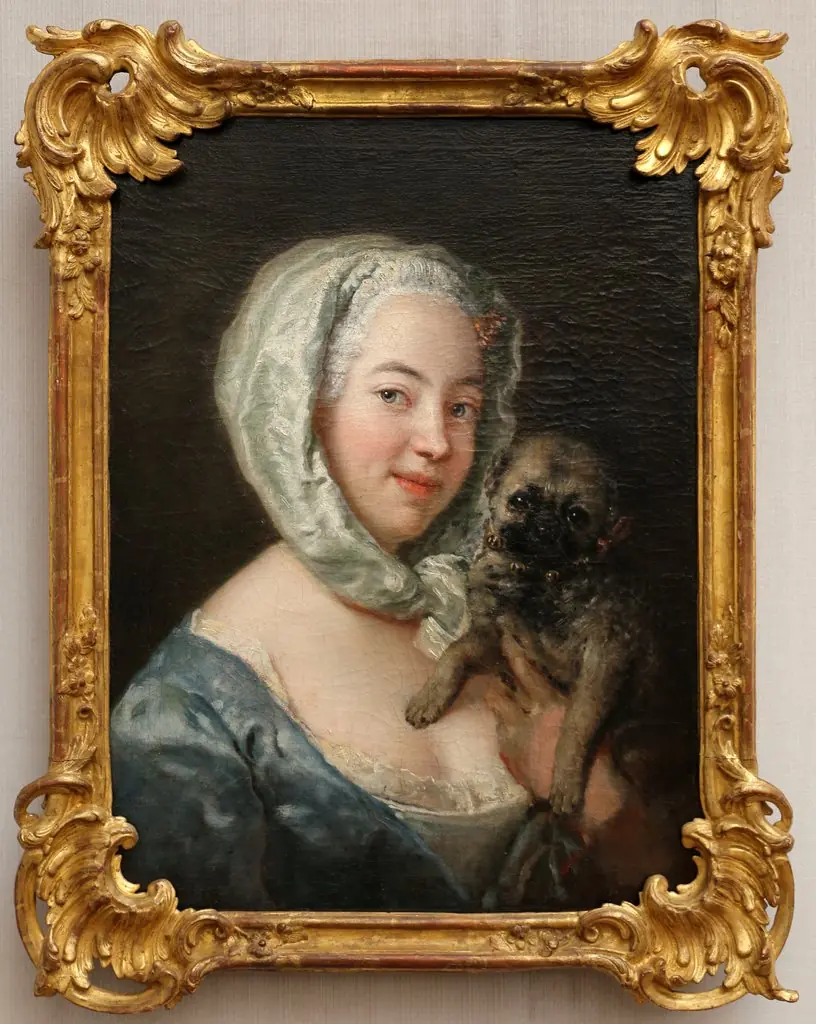 Marie de Rège, the artist's daughter
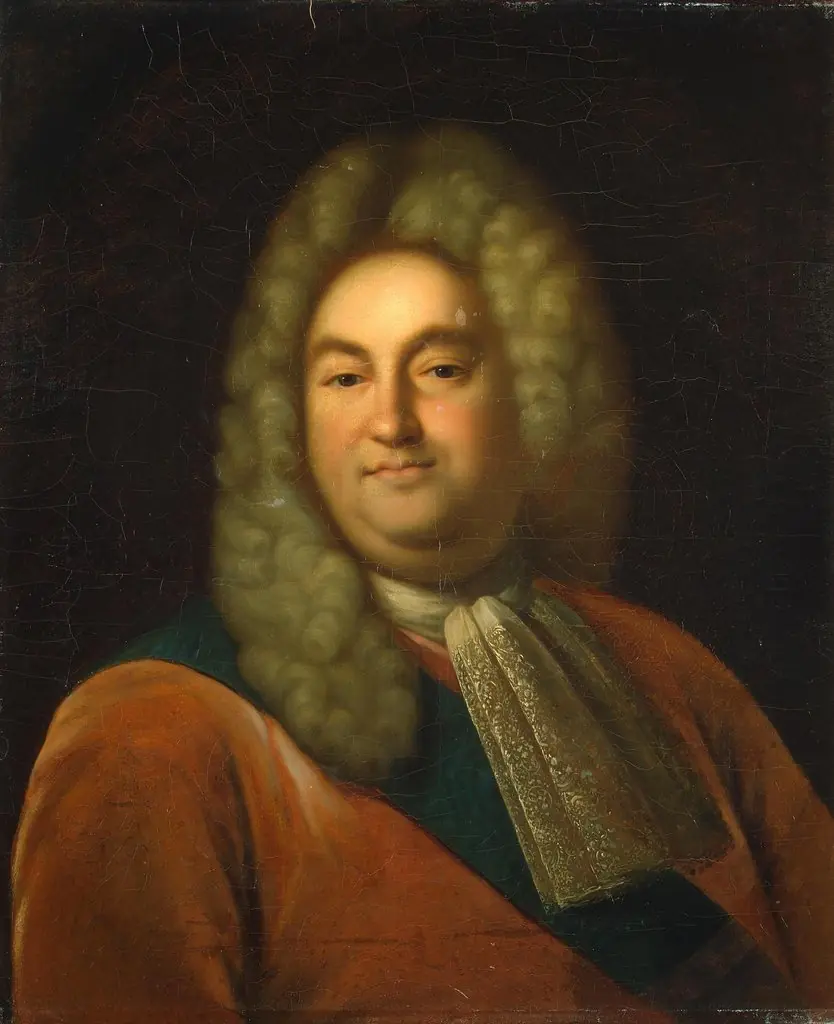 Portrait of Pyotr Shafirov
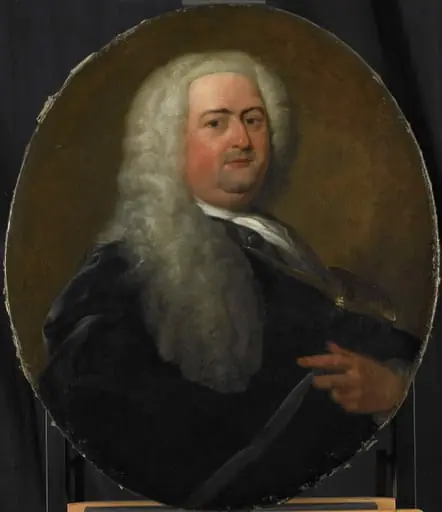 Portrait of Adriaen Paets, Director of the Rotterdam Chamber of the Dutch East India Company, elected 1734
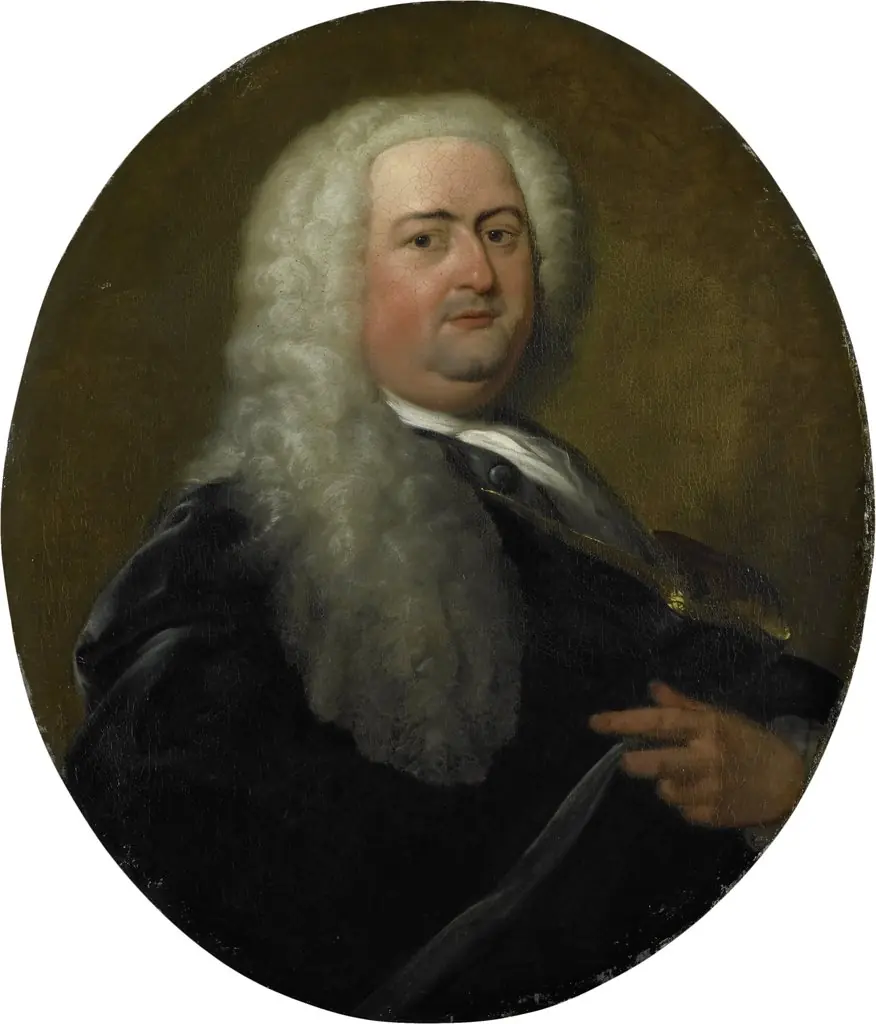 Portrait of Adriaen Paets, Director of the Rotterdam Chamber of the Dutch East India Company, elected 1734
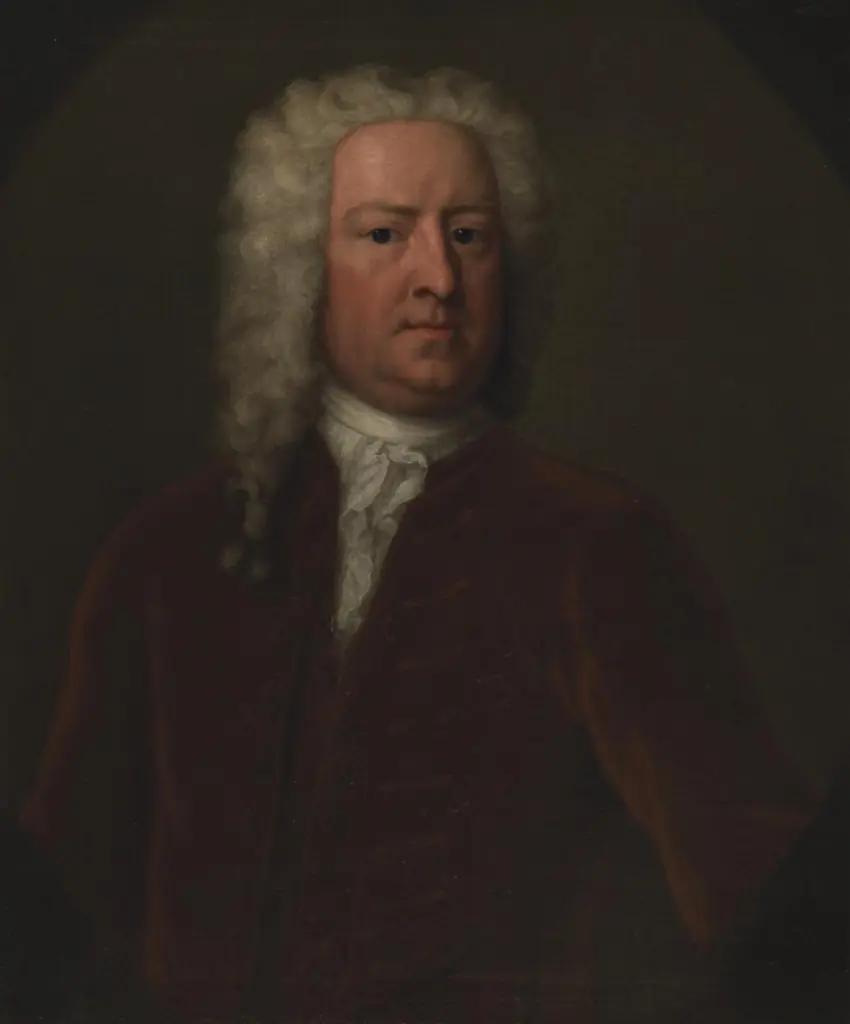 Sir Watkin Williams Wynn Bt.(1692-1749)
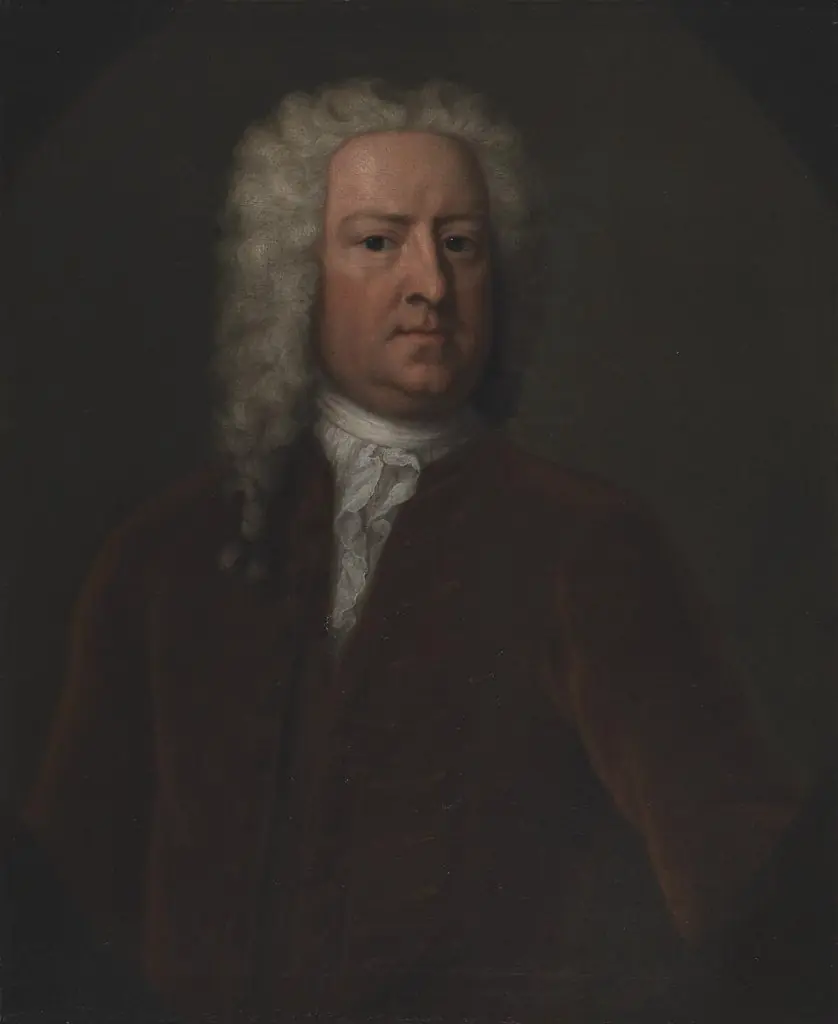 Sir Watkin Williams-Wynn (1692 -1749)
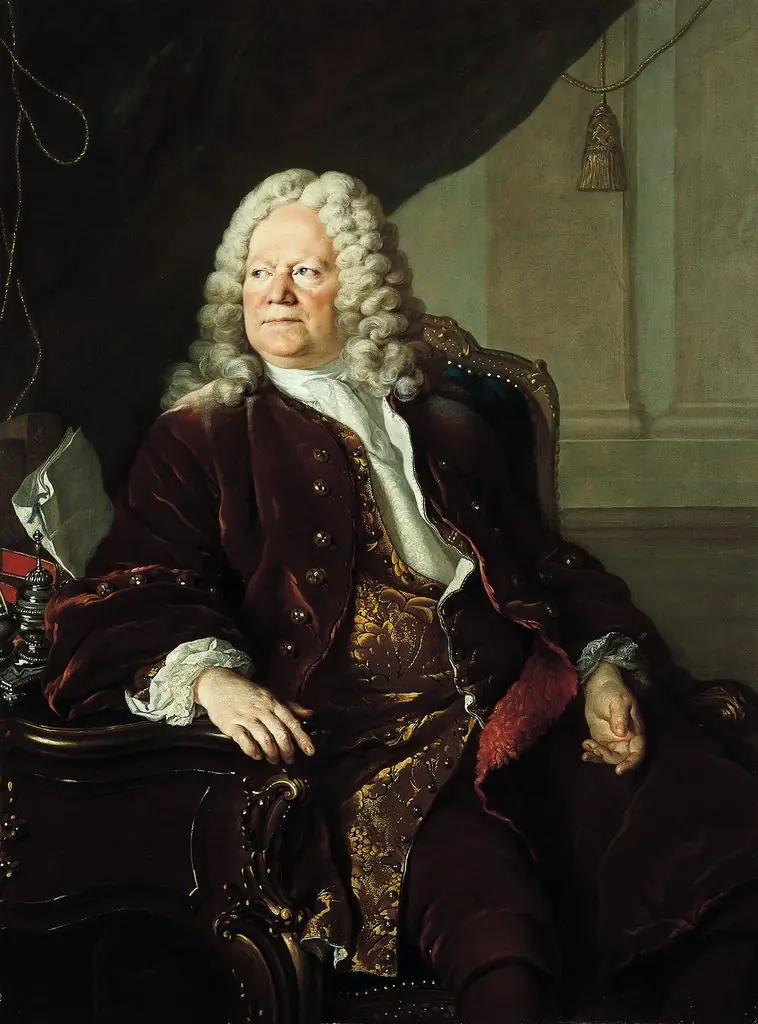 Portrait of Alexis Piron (?)
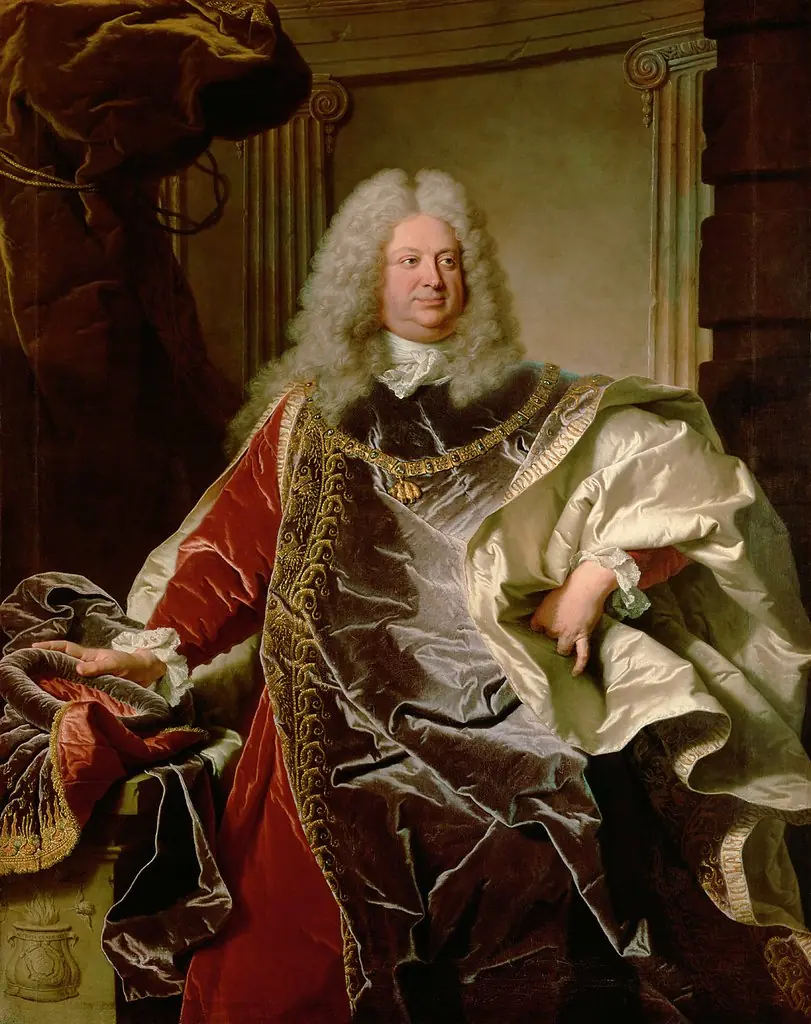 Philipp Ludwig Wenzel von Sinzendorf
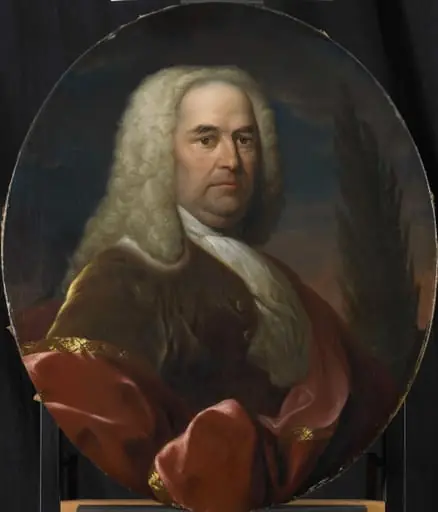 Portrait of Hugo du Bois, Director of the Rotterdam Chamber of the Dutch East India Company, elected 1734
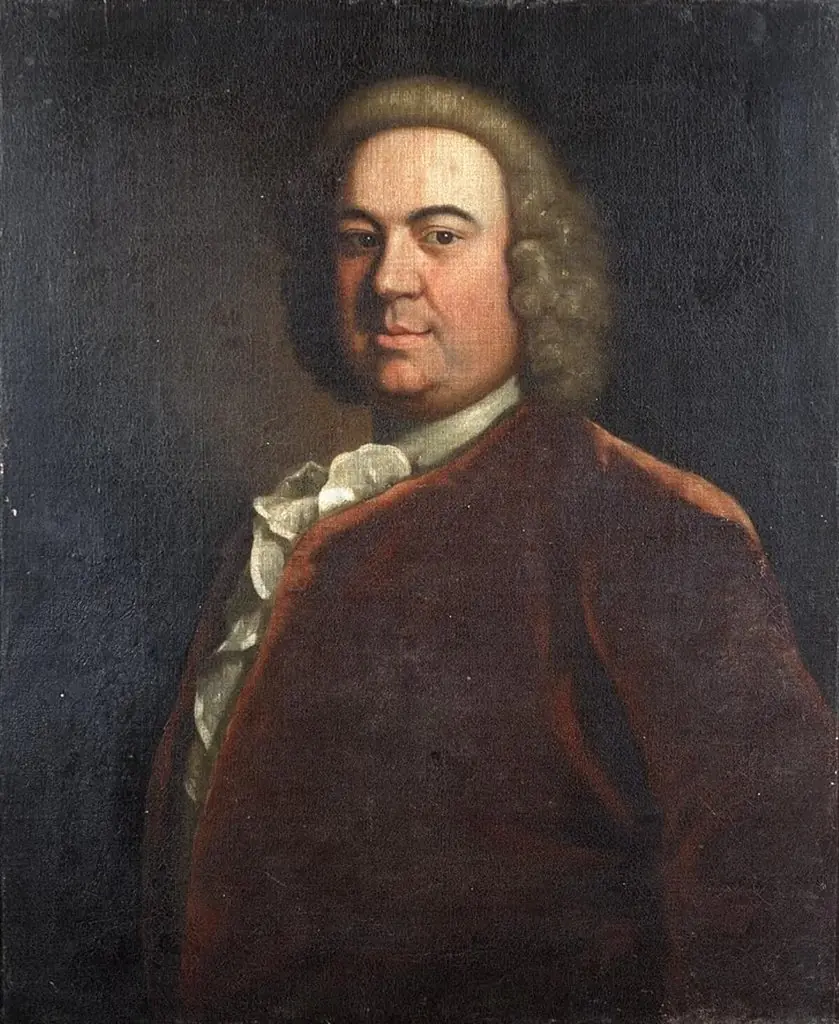 Morgan Lloyd Esq
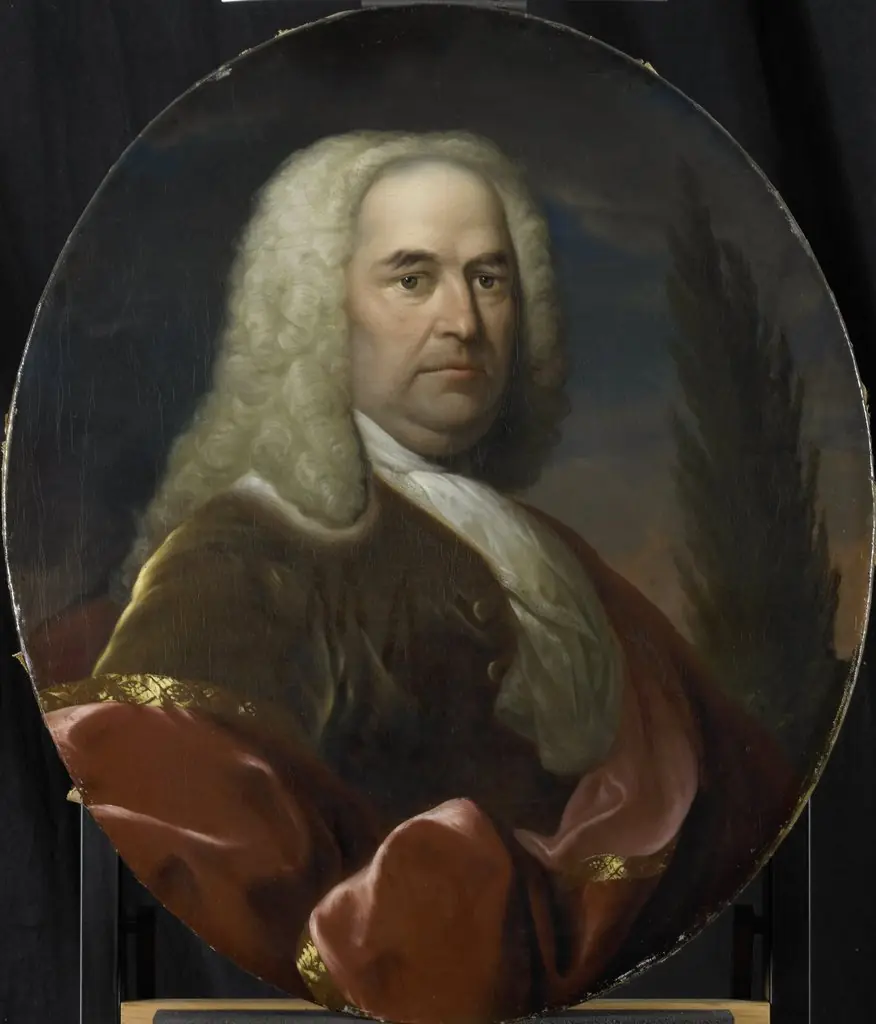 Portrait of Hugo du Bois, Director of the Rotterdam Chamber of the Dutch East India Company, elected 1734
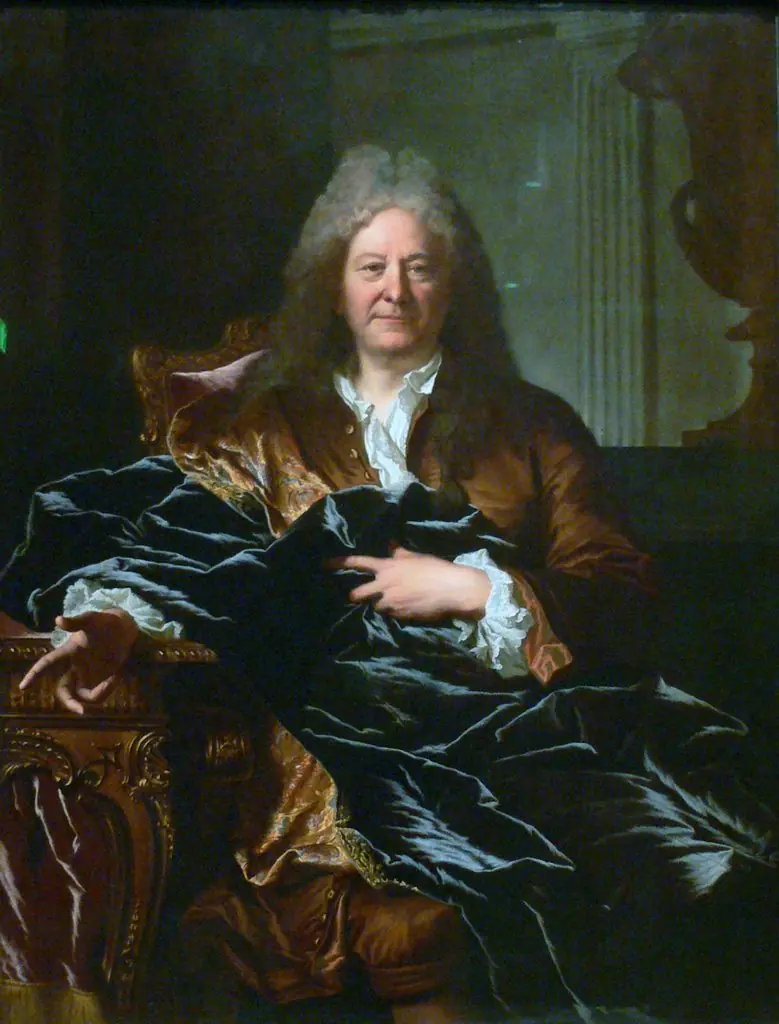 Antoine Pâris
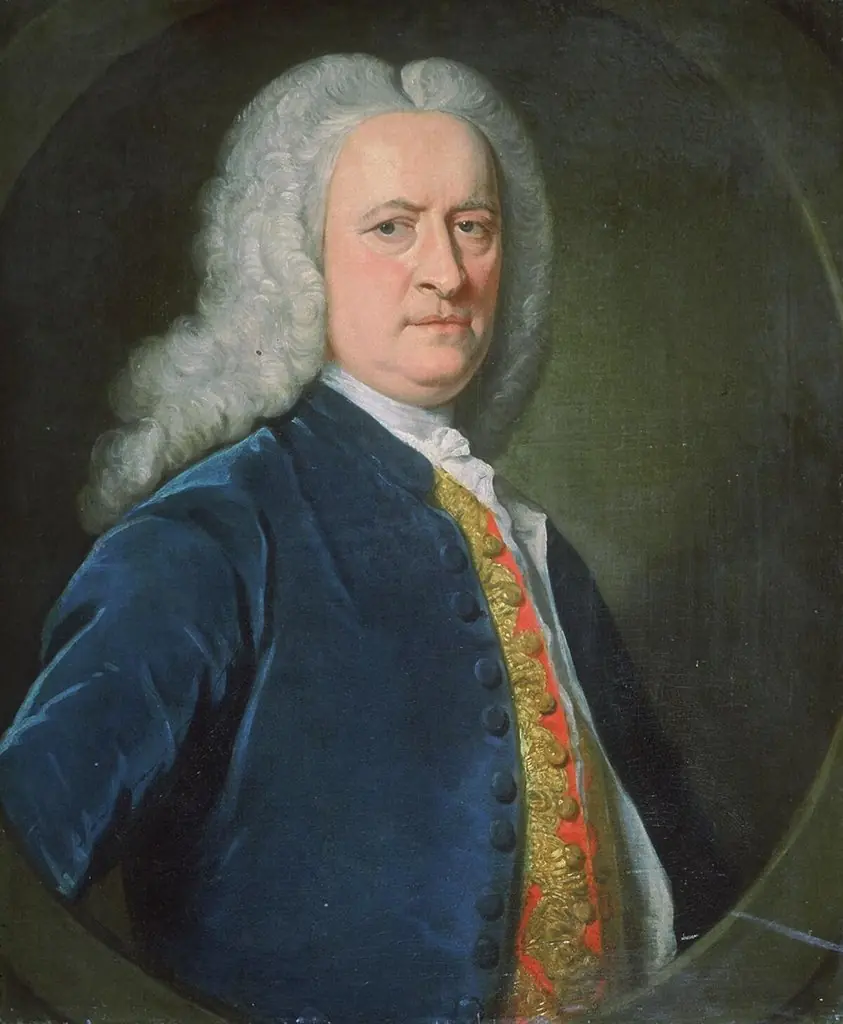 Portrait of a man