Artwork
Kyoto
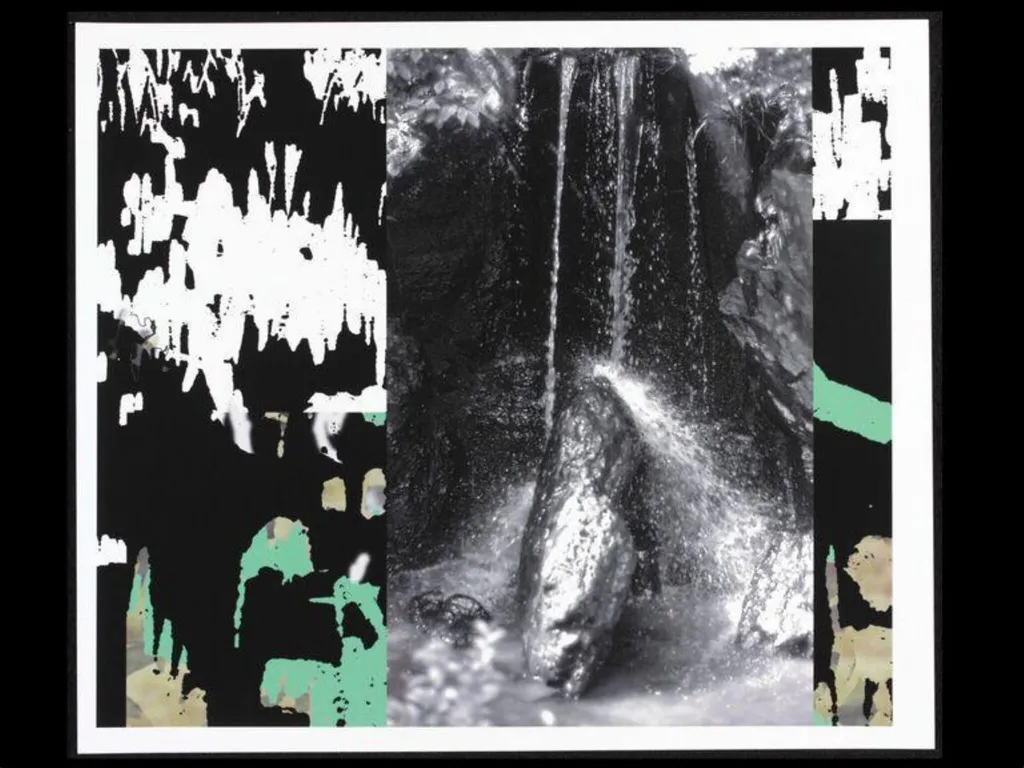
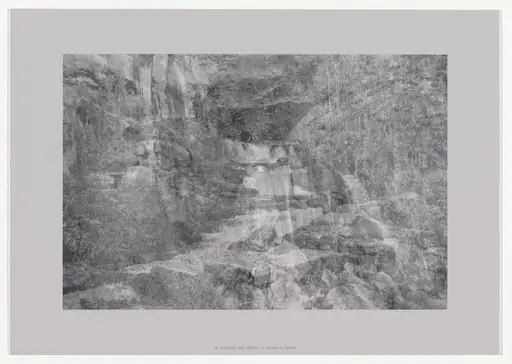
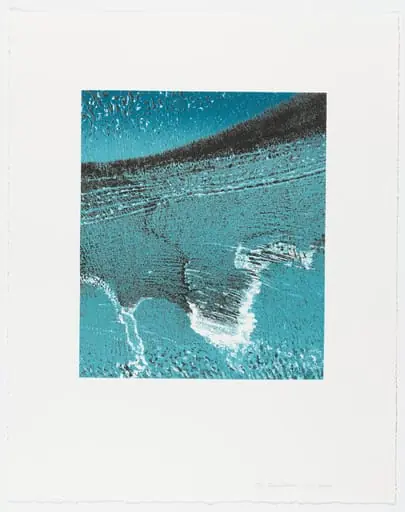
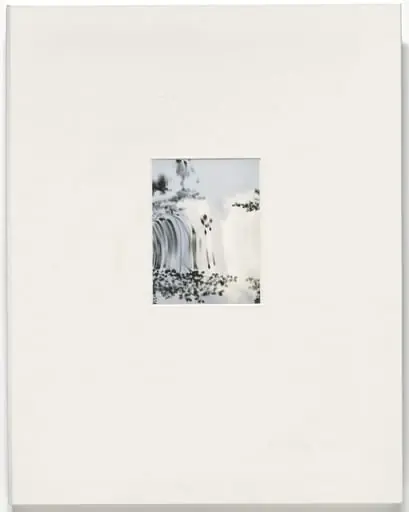
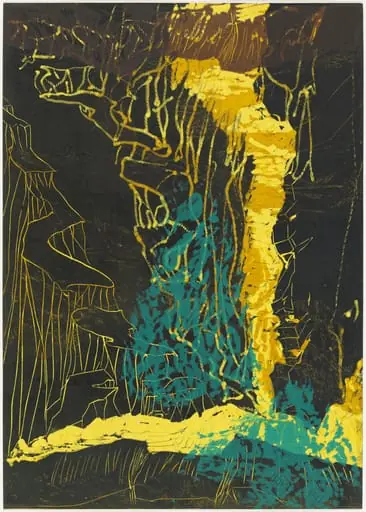
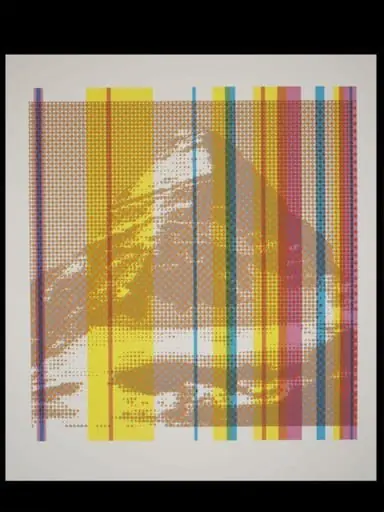
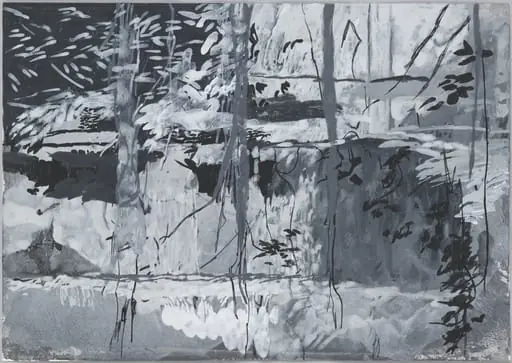
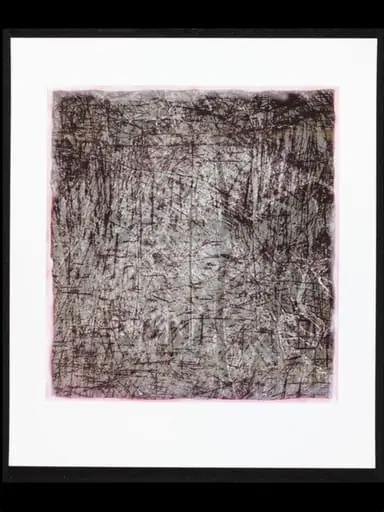
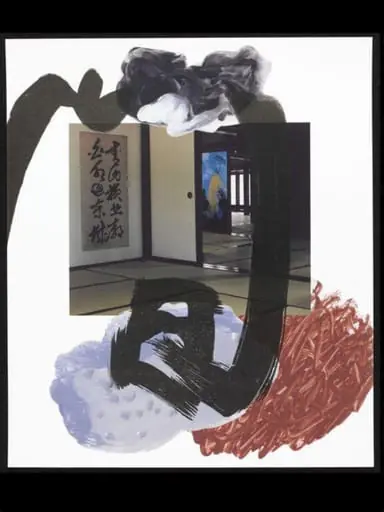
Kyoto is a print by Allan Walker. It dates from 2002 and is held in the collection of the Victoria and Albert Museum.
About this work
The piece came from a workshop at Wimbledon School of Art where artists tested new ways to blend these methods.
This print, Kyoto, was made by Allan Walker in 2002. It’s a modern take on Japanese art, mixing old woodblock style with digital printing. The piece came from a workshop at Wimbledon School of Art where artists tested new ways to blend these methods.
The publisher, Eyecon, focuses on fresh print and digital art projects. Their goal is to push boundaries with innovative work from artists worldwide.
Check out the Victoria and Albert Museum to see more prints like this.
Overview
Kyoto is a 2002 digital print by British artist Allan Walker, produced as part of a collaborative project involving nineteen artists from Japan and the UK. The work emerged from a workshop at Wimbledon School of Art, where participants investigated the fusion of traditional Japanese woodblock techniques with contemporary digital printing methods. Published by Eyecon, a research-focused print studio established in 1999, the piece reflects an experimental approach to printmaking that bridges cultural and technological traditions.
Subject & Meaning
The print depicts a stylized urban landscape evoking Kyoto’s architectural and natural rhythms, though not as a literal representation. Walker abstracts elements such as temple roofs, bamboo groves, and winding paths into layered geometric forms, suggesting memory and place rather than documenting them. The work invites contemplation of how modern technology can mediate cultural heritage, transforming historical visual languages into new aesthetic experiences without direct replication.
Technique & Style
Walker combined the compositional principles of ukiyo-e woodblock printing—flat planes, bold outlines, and selective color—with digital layering and precision printing. The result is a hybrid image that retains the quiet elegance of traditional Japanese prints while incorporating the sharpness and tonal range enabled by digital tools. Color palettes are restrained, favoring muted earth tones and subtle gradients, reinforcing the meditative quality of the subject matter.
History & Provenance
Kyoto was produced in 2002 under the auspices of Eyecon, a London-based print initiative founded to explore the intersection of printmaking and digital media. The project was developed during a workshop at Wimbledon School of Art, where participating artists were encouraged to cross cultural and technical boundaries. The work entered institutional collections shortly after its production, including holdings at the Victoria and Albert Museum, where it is preserved as an example of early 21st-century print innovation.
Context
This project emerged during a period of renewed interest in global print traditions amid rapid digital advancements. Artists sought to move beyond mere imitation of historical forms, instead reimagining them through new tools. The collaboration between Japanese and UK-based creators reflected broader dialogues in contemporary art about cultural exchange, authenticity, and the evolving definition of craft in a digital age.
Legacy
Kyoto stands as an early example of how digital technologies could be integrated into printmaking without erasing traditional aesthetics. It contributed to a growing body of work that challenged the notion of print as a static medium, demonstrating its capacity for reinvention. The project influenced subsequent artist-led initiatives that prioritize cross-cultural collaboration and technical experimentation in print production.
Artist & collection
Artist
Allan Walker made a single print called Kyoto in 2002. It captures a quiet cityscape with soft gray buildings and a single red bridge crossing the river. The print feels calm and precise, like a snapshot you’d hang in a…