Artwork
Autoportret Carol Wallenstein
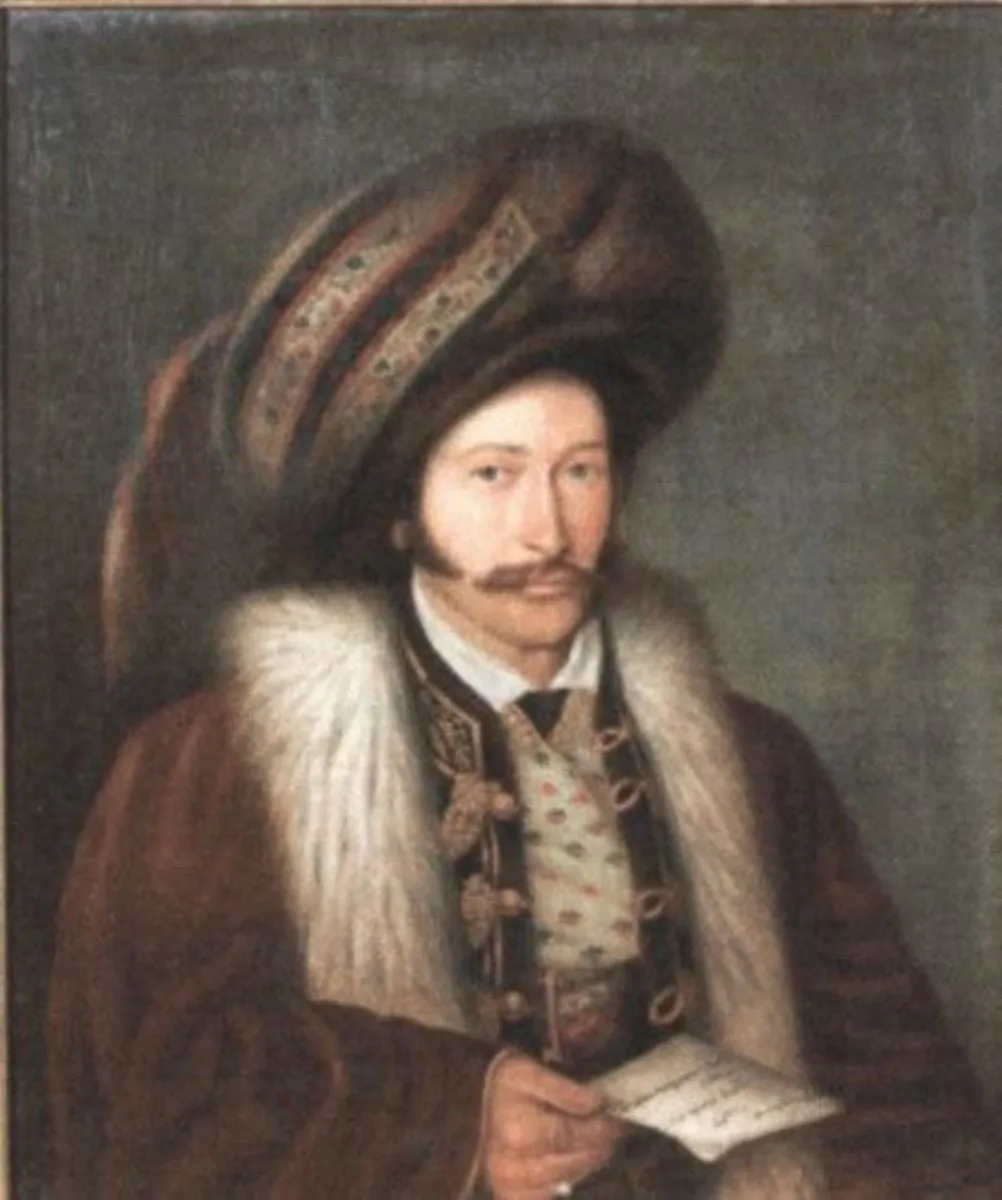
Autoportret Carol Wallenstein is a print by Carol Wallenstein. It dates from 1850 and is held in the collection of the National Museum of Art of Romania.
About this work
The use of dark colors and the emphasis on the subject's face and clothing are also characteristic of portrait paintings from this time period.
This portrait painting features a man dressed in a large hat and a coat with a white fur collar. He is holding a piece of paper in his hand. The background of the painting is dark, which helps to highlight the subject's face and clothing.
The man's attire and the style of the painting suggest that it may be from the 18th or 19th century. The use of dark colors and the emphasis on the subject's face and clothing are also characteristic of portrait paintings from this time period.
If you're interested in learning more about this style of painting, you might want to look up the technique of chiaroscuro.
Overview
This portrait, dated around 1850, depicts Carol Wallenstein, the artist himself, in a formal pose. Painted in oil on canvas, it presents a full-length view of the subject against a deep, unbroken background. The composition focuses attention on the figure through contrast and careful lighting, typical of mid-19th-century portraiture in Central Europe.
Subject & Meaning
Wallenstein portrays himself in aristocratic attire—a wide-brimmed hat and a coat lined with white fur—suggesting social standing and self-regard. The paper he holds may imply intellectual or professional identity, though its content is unreadable. The gesture and dress together convey a sense of personal dignity, aligning with the era’s conventions of self-representation among educated elites.
Technique & Style
The painting employs chiaroscuro to model the face and fabric, using strong contrasts between light and shadow to create volume. Brushwork is precise in rendering textures—fur, paper, and fabric—while the dark background eliminates distraction. The palette is restrained, dominated by browns, blacks, and muted tones, emphasizing the subject’s presence without ornamental excess.
History & Provenance
The work’s early history is undocumented, but it is believed to have remained in private collections in Central Europe. No public exhibition records exist prior to the 20th century. Its attribution to Wallenstein is based on stylistic analysis and inscriptions on the reverse, though definitive documentation from the artist’s lifetime is scarce.
Context
Created during a period when self-portraiture was common among artists seeking to assert professional identity, the painting reflects broader trends in 19th-century European art. Similar portraits by contemporaries emphasize attire and poise as markers of status. Wallenstein’s work aligns with academic traditions, resisting Romantic excess in favor of restrained realism.
Legacy
Though not widely known outside regional archives, the portrait remains a rare surviving example of Wallenstein’s output. It contributes to understanding the self-image of lesser-documented artists in the Habsburg territories. Its preservation offers insight into the visual culture of provincial artistic communities during the mid-1800s.
Artist & collection
Artist
Carol Wallenstein kept her left hand in her pocket whenever she picked up a pencil, a habit that made her self-portraits feel like stolen glances rather than posed performances.

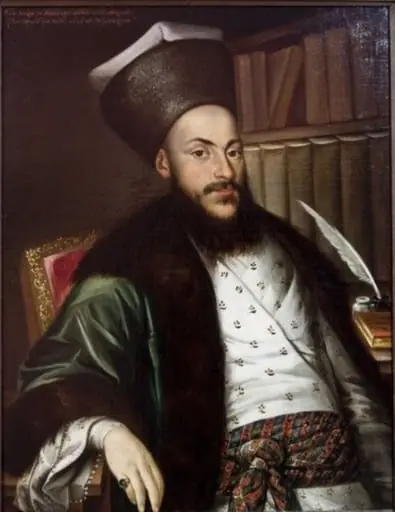 Portretul poetului Alecu Văcărescu
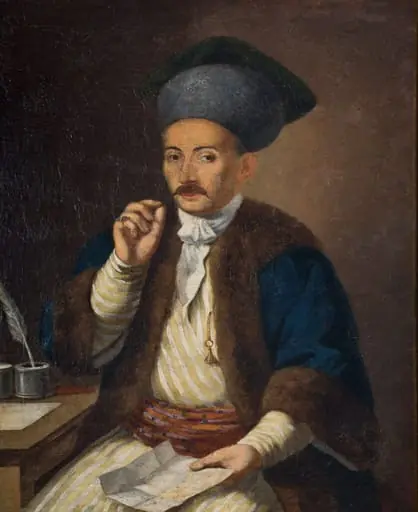 Portretul serdarului Dimitrie Aman
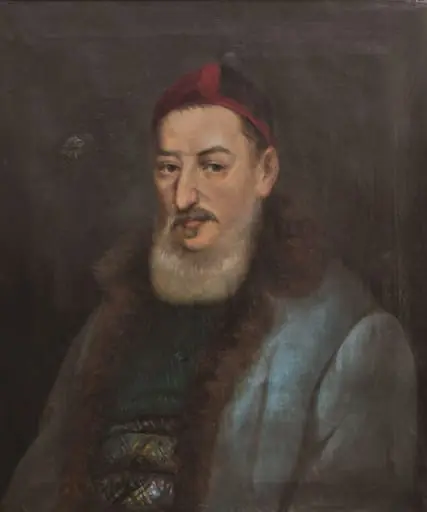 Portretul lui Alexandru Vilara
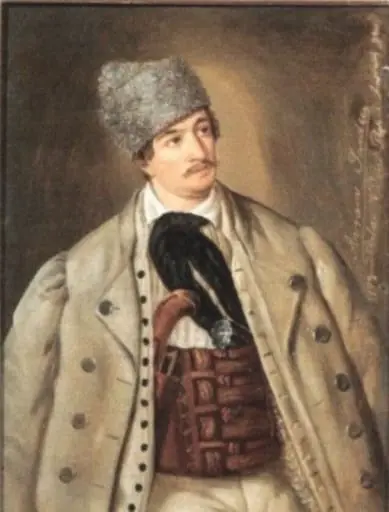 Portretul lui Avram Iancu
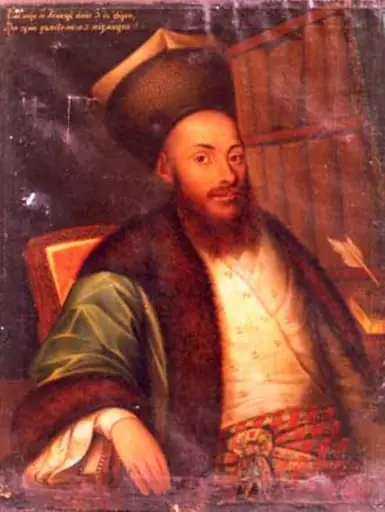 Alecu Văcărescu
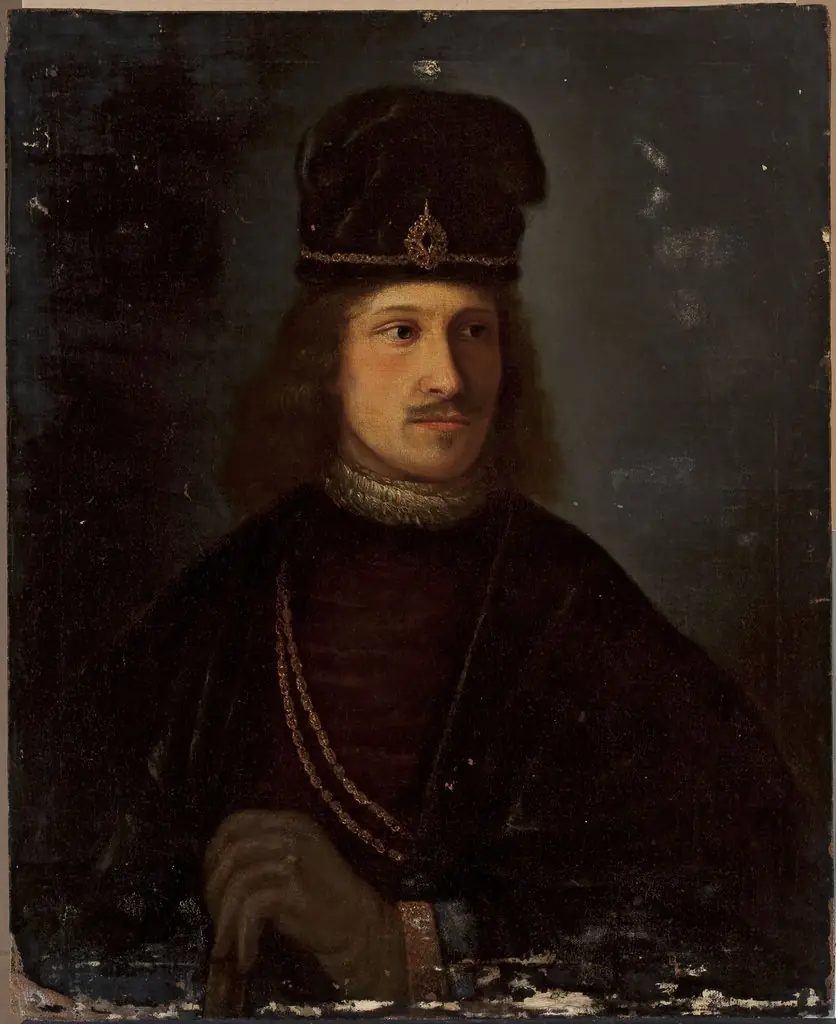 Portrait of a man in a tall cap
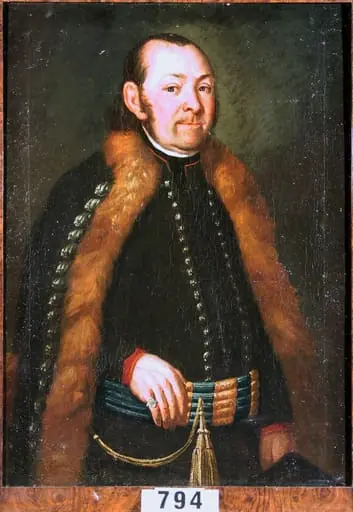 Măcelarul sibian Georg Hinzmann
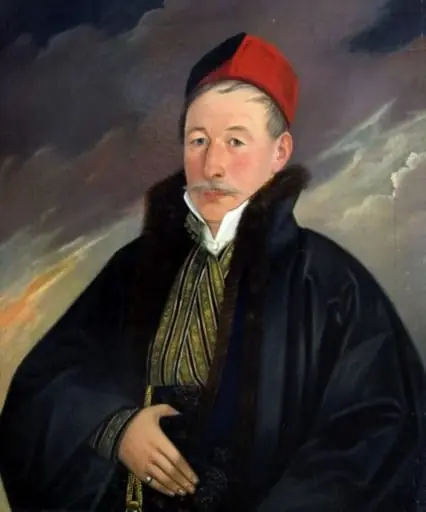 Portret de bărbat cu fes
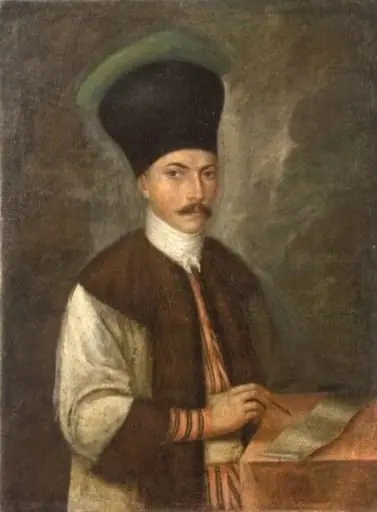 Autoportret
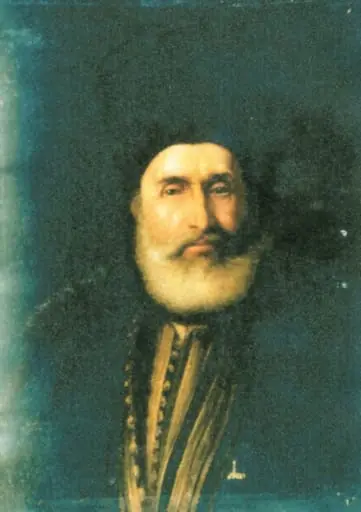 Marele Ban Năsturel Herescu
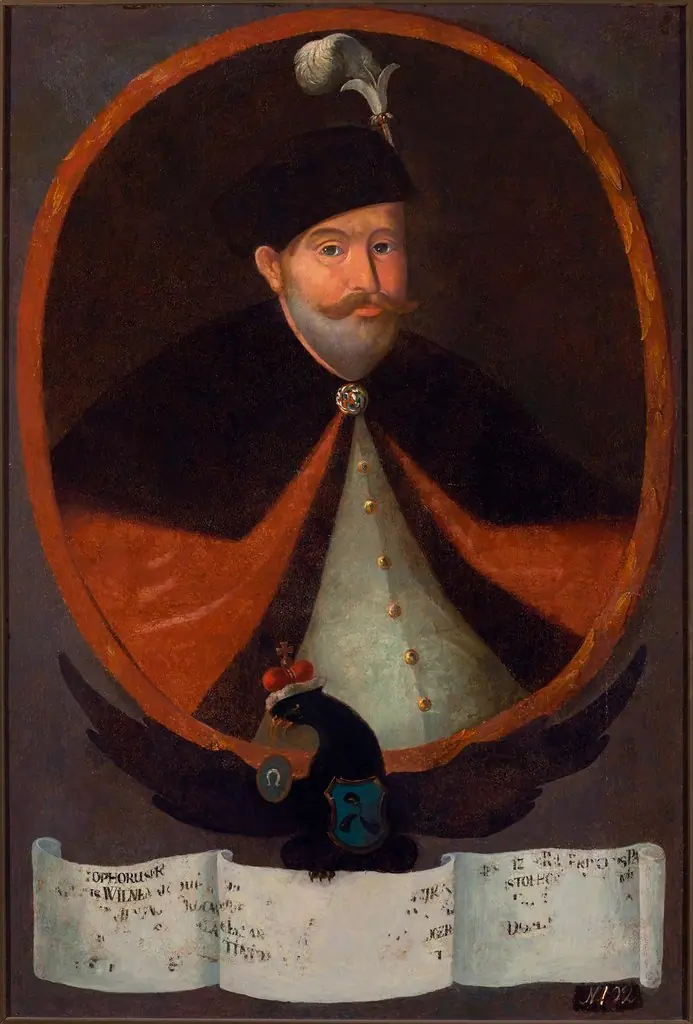 Portrait of Krzysztof II Radziwiłł (1585–1640), Great Hetman of Lithuania
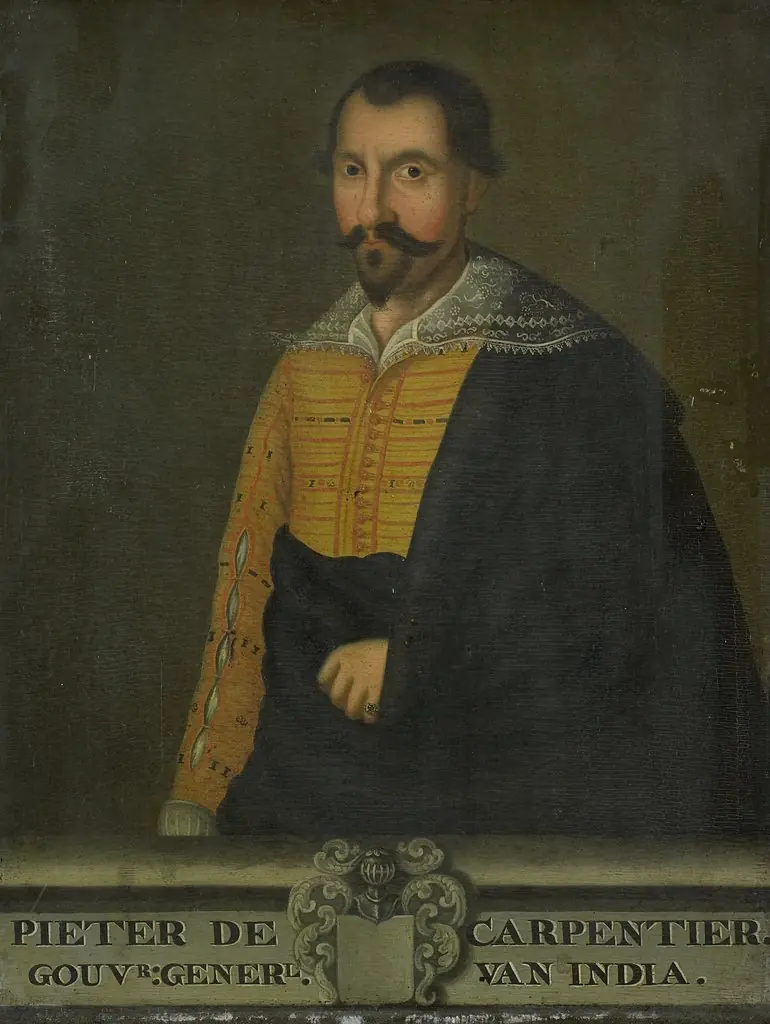 Portrait of Pieter de Carpentier (1588-1659)