Artwork
Untitled
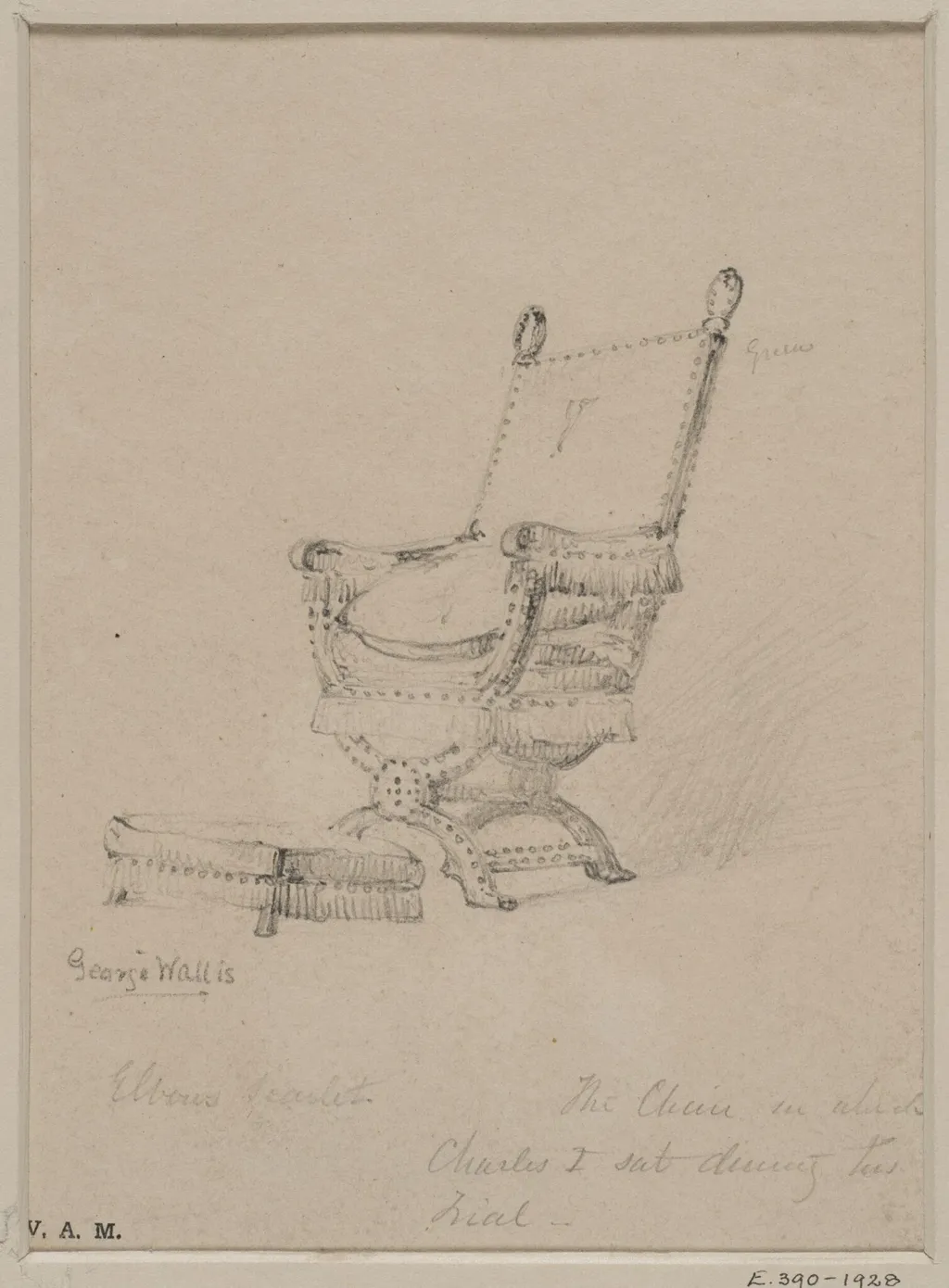
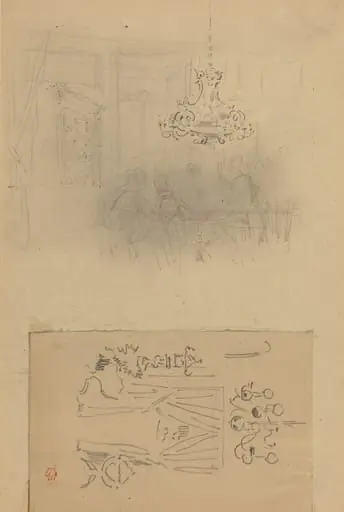
Untitled is a drawing by George FSA Wallis. It dates from 1850 and is held in the collection of the Victoria and Albert Museum.
About this work
Overview
A small handwritten inscription identifies the chair’s historical significance, anchoring the sketch to a pivotal moment in English history.
This 1850 pencil drawing by George FSA Wallis depicts a single chair associated with the trial of King Charles I. Rendered with light, rapid strokes, the work functions more as a visual note than a polished composition. A small handwritten inscription identifies the chair’s historical significance, anchoring the sketch to a pivotal moment in English history. The drawing’s modest scale and informal technique suggest it was made for personal reference rather than public display.
Subject & Meaning
The chair portrayed was used by Charles I during his trial in 1649, a defining event in the English Civil War. Its presence here evokes the gravity of the king’s confrontation with Parliament and the subsequent execution. By isolating the object, Wallis shifts focus from the drama of the event to the physical artifact that bore witness, inviting contemplation of power, authority, and their collapse.
Technique & Style
Executed in delicate pencil lines, the drawing captures the chair’s ornate features—curved legs, high back, and woven seat—with suggestive rather than detailed precision. The footstool is rendered in matching brevity, reinforcing the composition’s quiet economy. The sketch’s hurried quality and faint, cornered inscription suggest it was made quickly, possibly as a study or aide-mémoire, prioritizing recognition over finish.
History & Provenance
Wallis, a 19th-century artist and antiquarian, produced this drawing during a period of renewed interest in Civil War relics. The chair itself, though not definitively authenticated, was widely believed to have been used at the trial. The drawing likely originated from Wallis’s personal collection of historical artifacts and documents, reflecting his engagement with tangible remnants of the past.
Context
In mid-19th-century Britain, historical memory of the Civil War was being reexamined through material culture. Artists and collectors sought to preserve objects linked to key events, often with romantic or nationalist undertones. Wallis’s sketch aligns with this trend, treating the chair not as furniture but as a silent witness to constitutional upheaval, resonating with contemporary debates over monarchy and governance.
Legacy
The drawing survives as a modest but deliberate act of historical preservation. Though not widely exhibited, it contributes to a broader archive of 19th-century efforts to materialize the past through drawn records. Its presence in institutional collections underscores the value placed on everyday objects that carried symbolic weight, even when their authenticity remained uncertain.
Artist & collection
Artist
George FSA Wallis painted quiet English landscapes in watercolour and pencil during the 1800s.

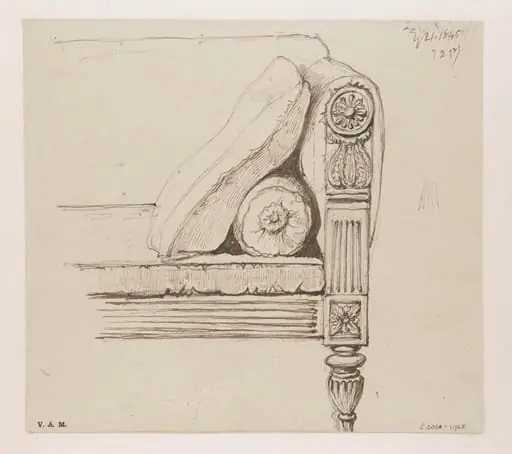 A settee, Macau
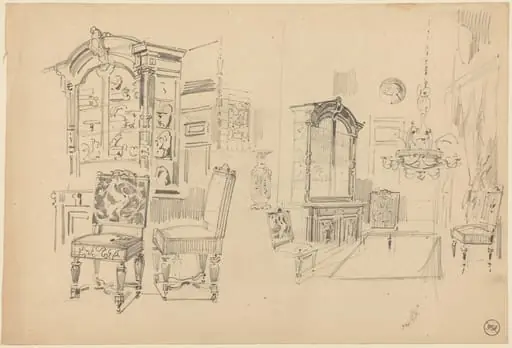 Two Studies of an Interior with Furniture
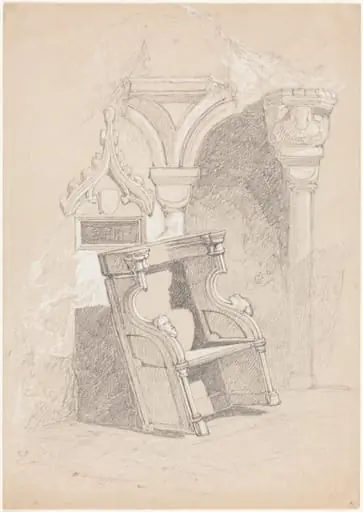 Sketch of Ruined Church Interior with Chair
 Untitled
 Study of a Renaissance armchair
 Rose Maylie and Oliver
 Drawing of fountain in Draper's Gardens
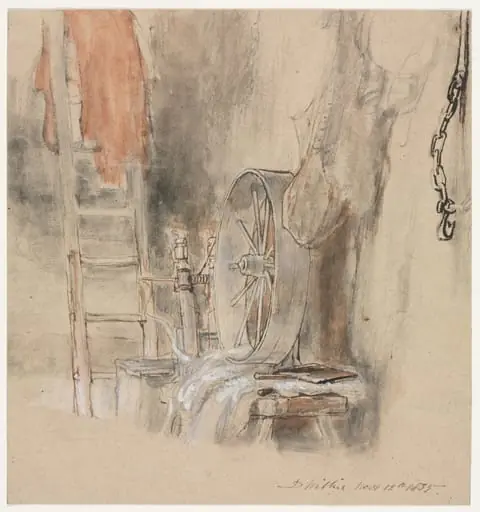 Study for "The Peep-O’-Day Boys’ Cabin, in the West of Ireland" ("The Sleeping Whiteboy")
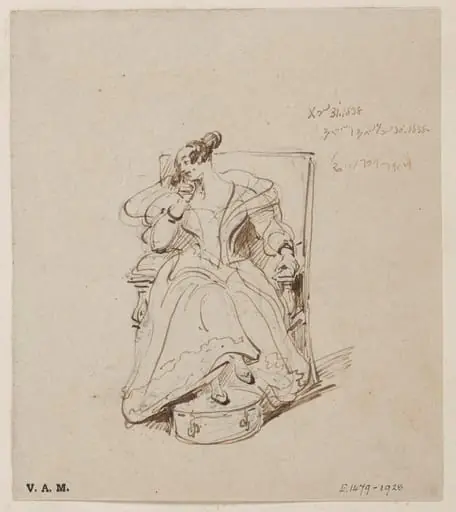 Untitled
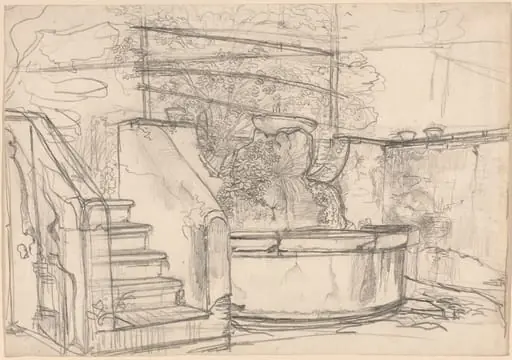 Corner of a Garden Court
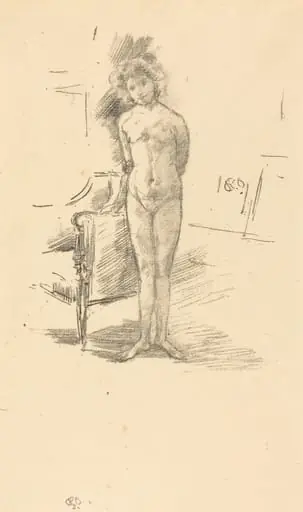 Little London Model
 A Gathering in an Interior; A Curtained Doorway