Artwork
Untitled
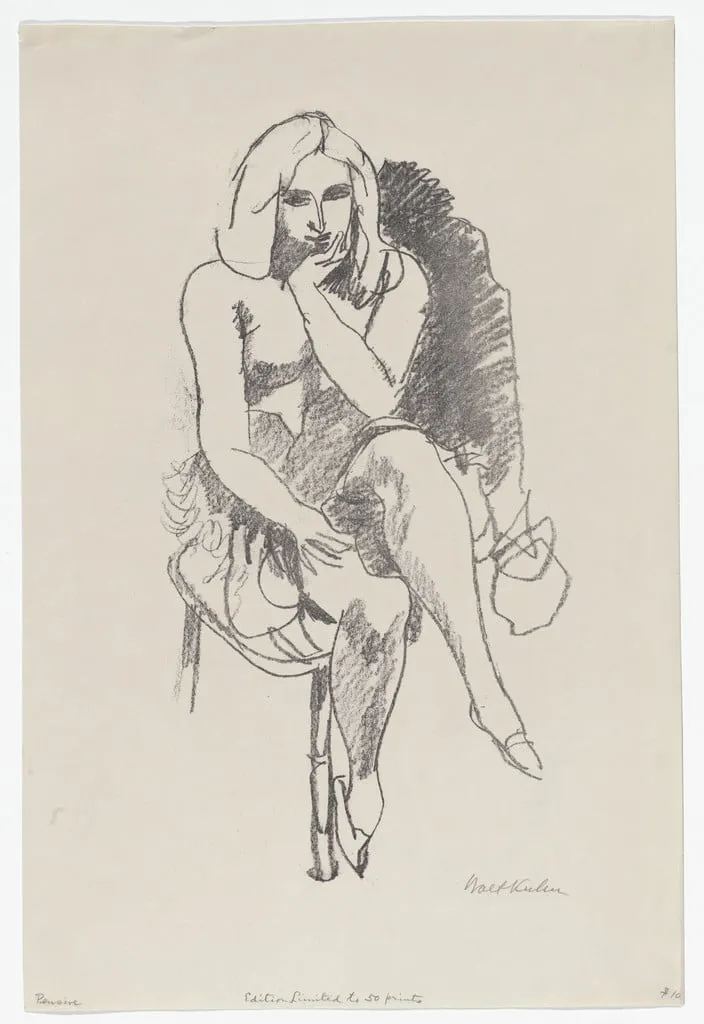
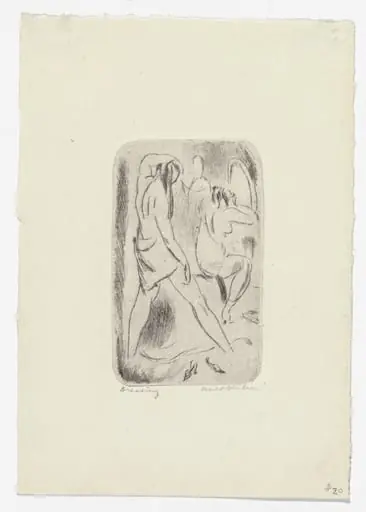
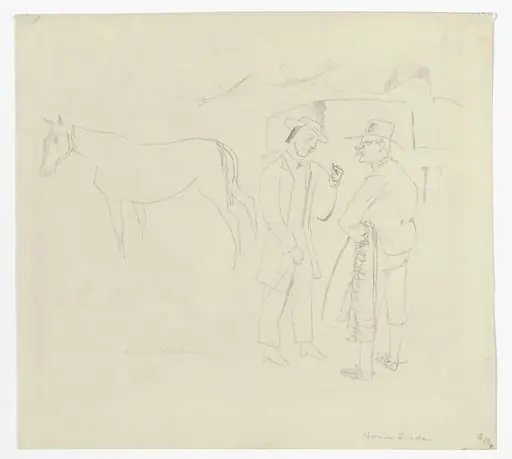
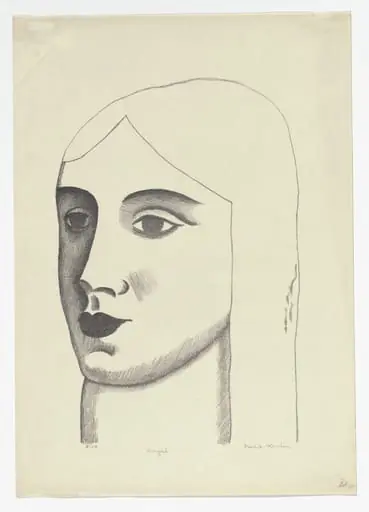
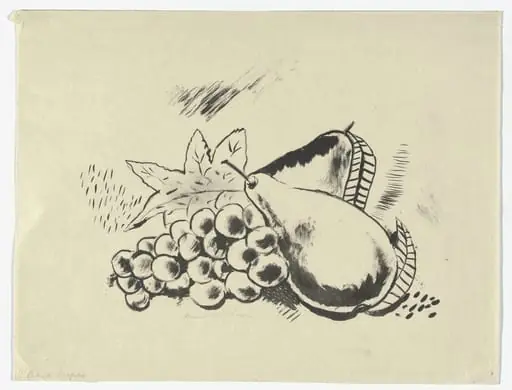
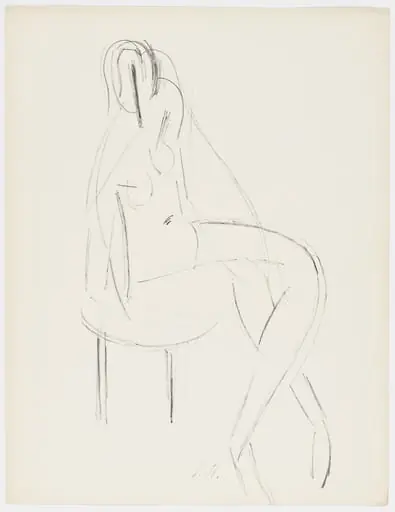
Untitled is an ink print by Walt Kuhn. It dates from 1927 and is held in the collection of the Museum of Modern Art.
About this work
Overview
This 1927 lithograph by Walt Kuhn is one of fifty impressions produced from a stone or metal plate.
This 1927 lithograph by Walt Kuhn is one of fifty impressions produced from a stone or metal plate. As a printmaker, Kuhn employed lithography for its capacity to capture spontaneous, gestural lines. The work belongs to The Museum of Modern Art’s collection and exemplifies his interest in direct, expressive mark-making, distinct from his more polished oil paintings but aligned with his broader modernist sensibilities.
Subject & Meaning
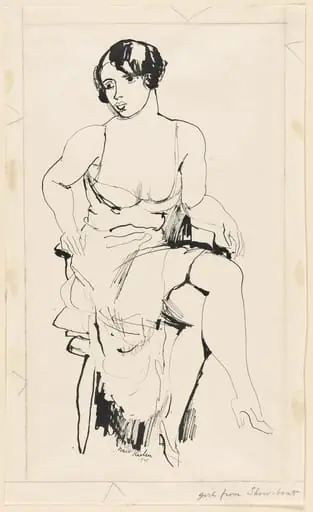
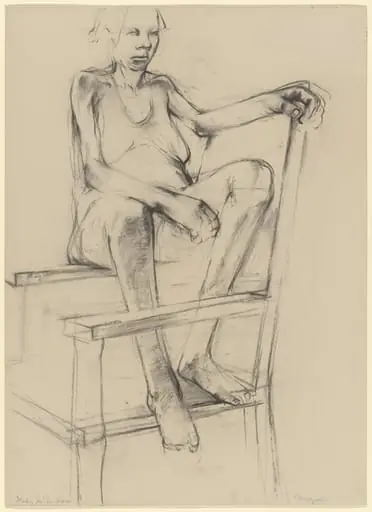
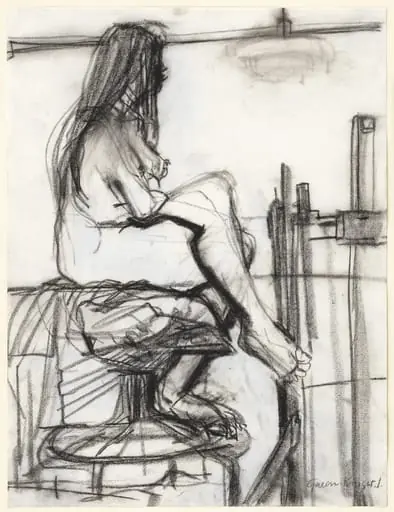
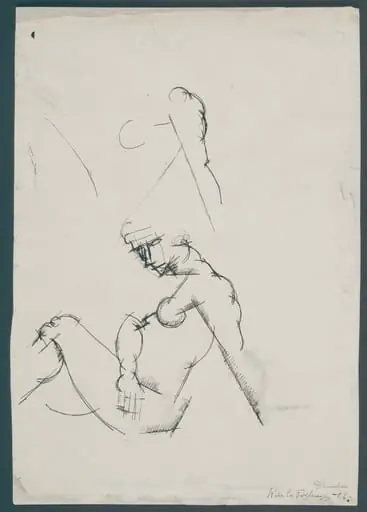
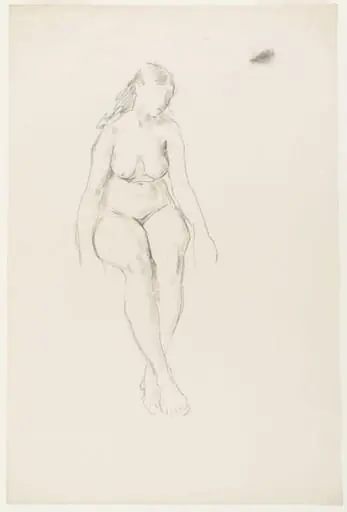
The image depicts a solitary figure seated in a relaxed posture, one arm resting on the knee, the other draped behind the chair. The pose suggests ease and introspection, with no narrative context provided. The figure’s partial nudity and minimal detailing invite focus on form and presence rather than identity, reflecting Kuhn’s interest in human anatomy and psychological stillness over storytelling.
Technique & Style
Kuhn used lithography to achieve fluid, rapid linework that conveys motion and vitality. The drawing is executed with loose, confident strokes—hair rendered in soft, feathery marks, clothing suggested by minimal contours. The medium’s tactile quality enhances the immediacy of the sketch, preserving the energy of the artist’s hand. The signature and edition number confirm its status as a deliberate, limited print rather than a preparatory study.
History & Provenance
Created in 1927, the lithograph emerged during a period when Kuhn was actively engaged in printmaking alongside his painting. It entered The Museum of Modern Art’s collection as part of its early commitment to documenting American modernist practices. The work’s provenance reflects Kuhn’s dual role as both artist and advocate for modern art, with the print serving as a personal yet public extension of his aesthetic inquiries.
Context
Kuhn’s involvement in the 1913 Armory Show positioned him as a bridge between European avant-garde movements and American audiences. By the late 1920s, he turned increasingly to graphic media, drawn to lithography’s accessibility and directness. This print aligns with broader trends among American artists exploring simplified forms and expressive line, responding to both modernist ideals and the immediacy of everyday observation.
Legacy
Though less known than his paintings, Kuhn’s lithographs contribute to understanding his artistic range and commitment to experimental processes. This work exemplifies how printmaking allowed him to explore form with economy and intimacy. Its preservation in MoMA’s collection underscores its value as a quiet but significant artifact of early 20th-century American print culture.
Artist & collection
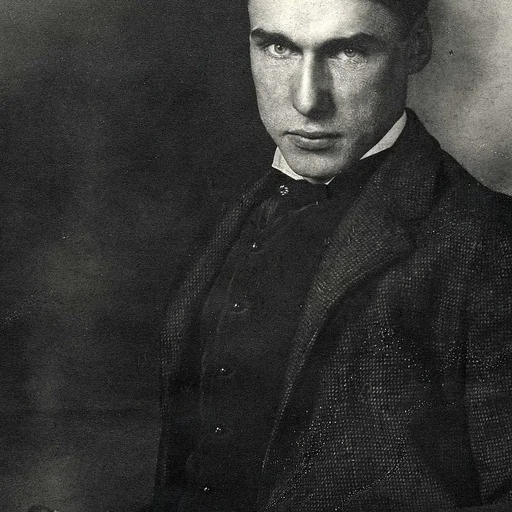
Artist
Walter Francis Kuhn (October 27, 1877 – July 13, 1949) was an American painter and an organizer of the famous Armory Show of 1913, which was America's first large-scale introduction to European Modernism.