Artwork
Album of Landscapes: Leaf 3
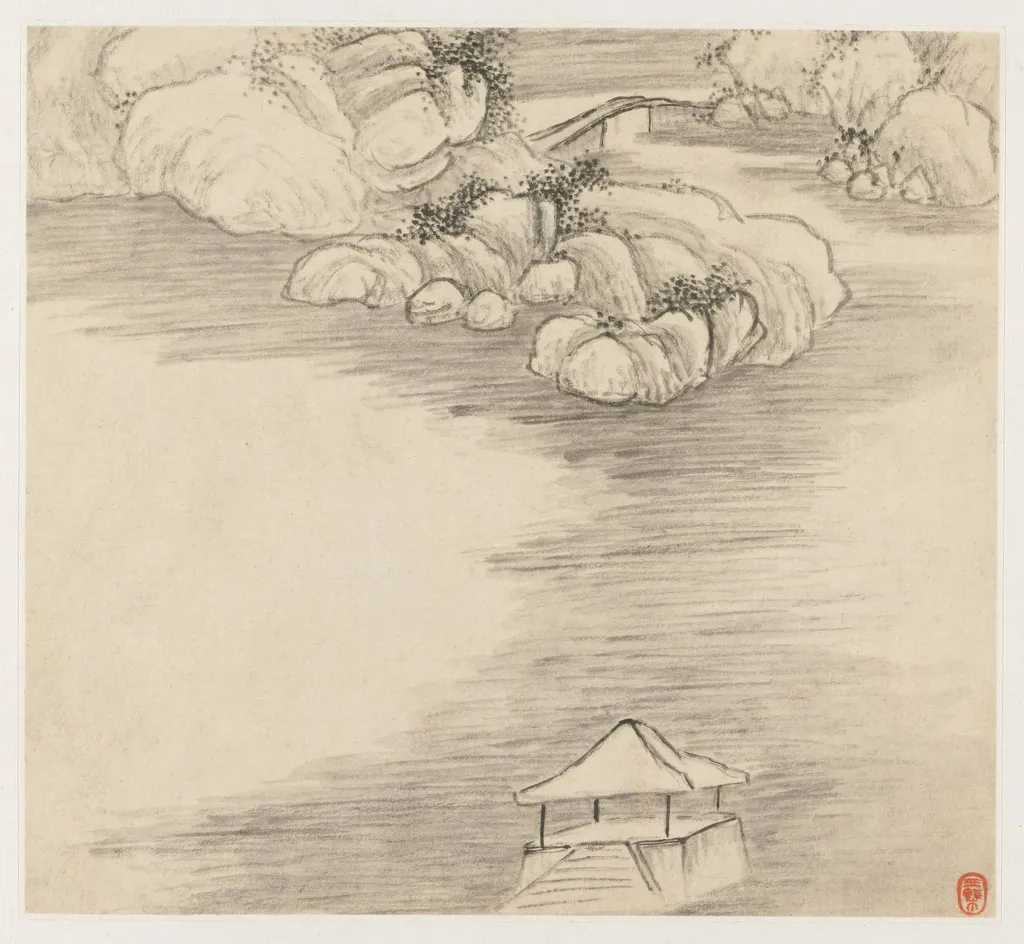
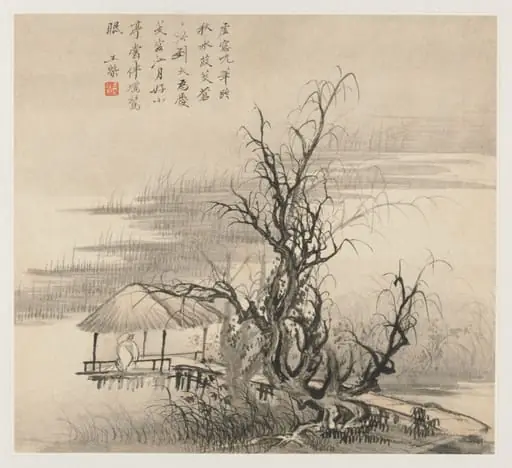
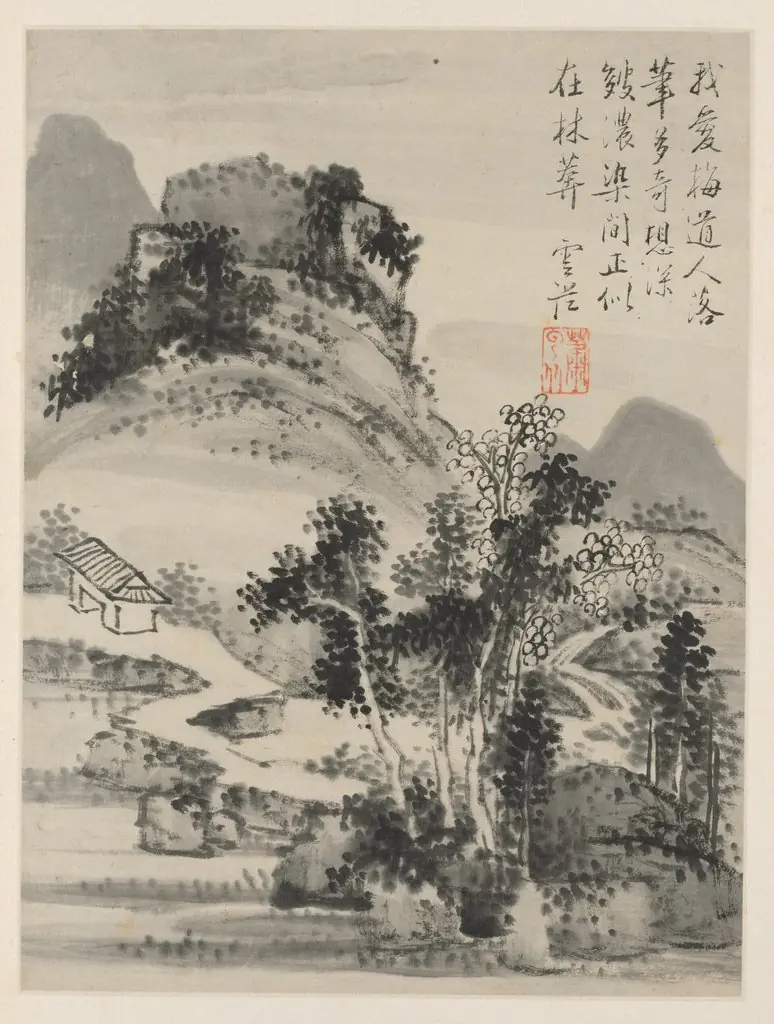
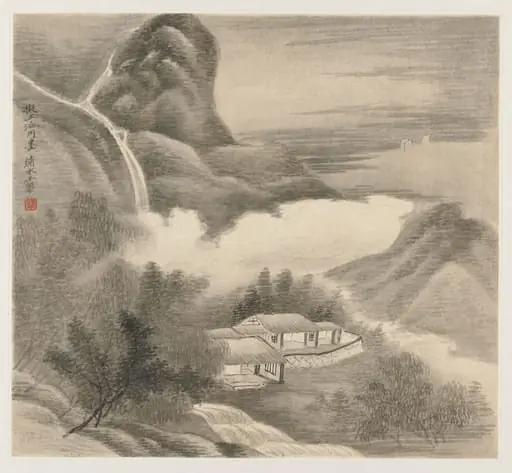
Album of Landscapes: Leaf 3 is an unspecified painting by the Baroque artist Wang Gai. It dates from 1677 and is held in the collection of the Cleveland Museum of Art.
About this work
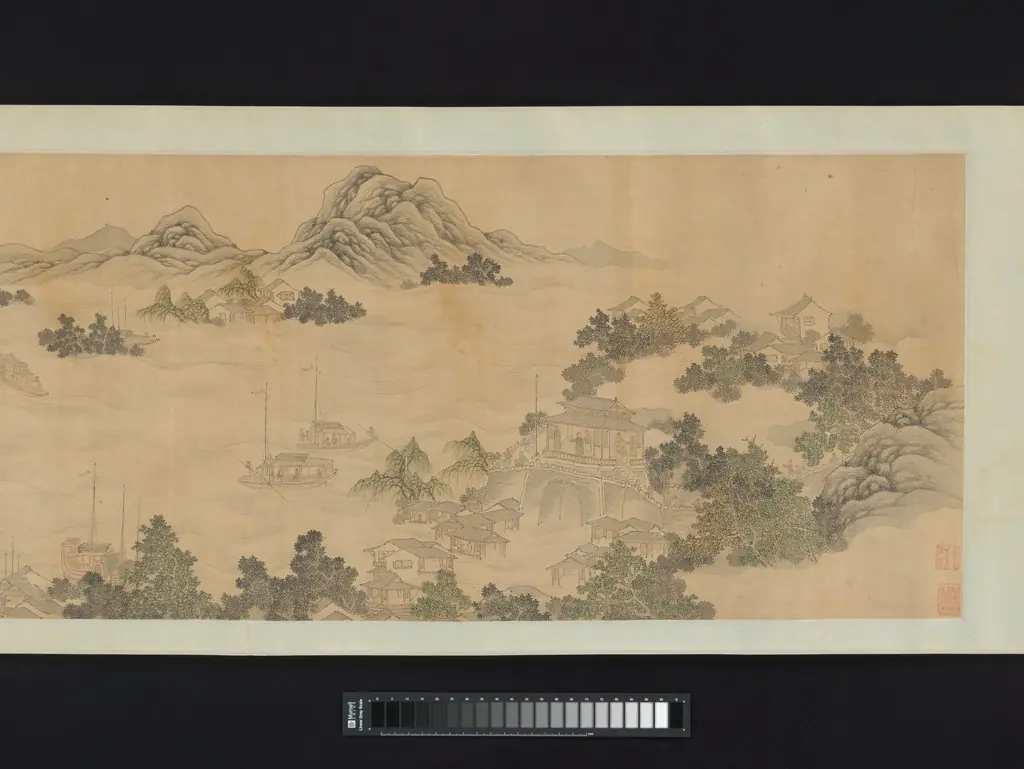
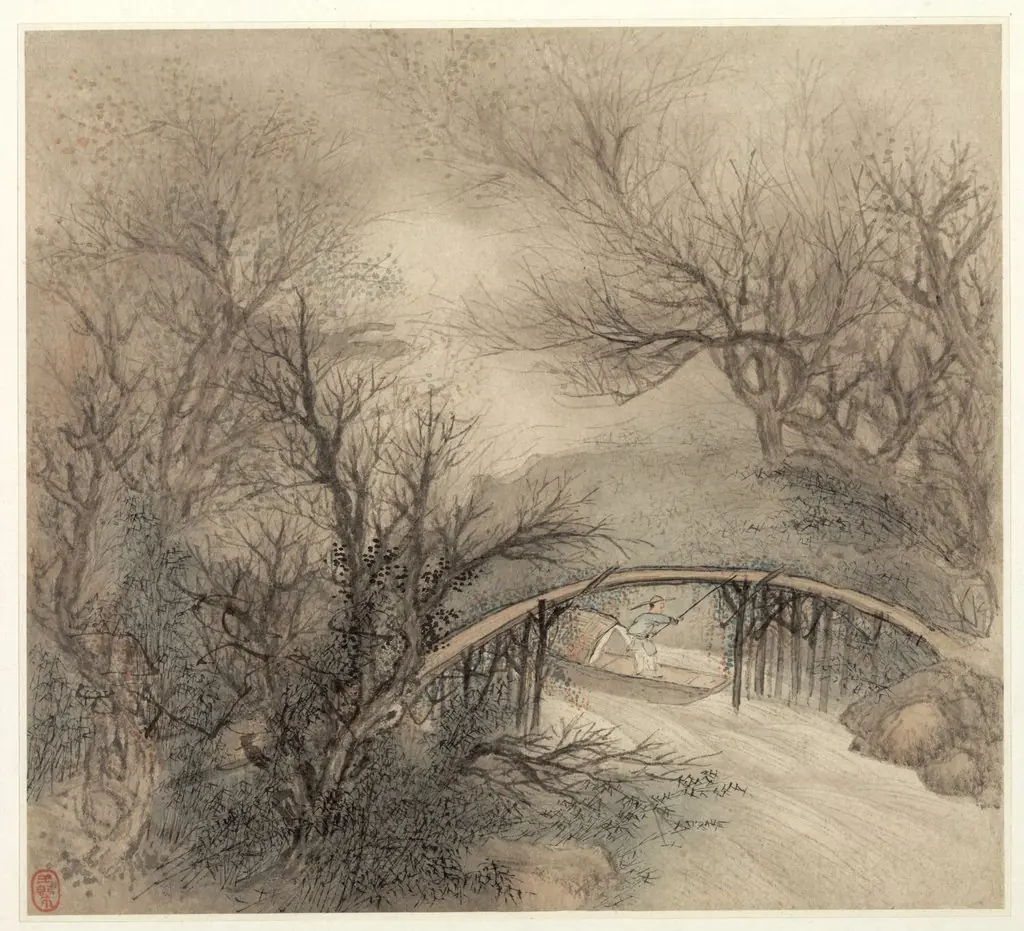
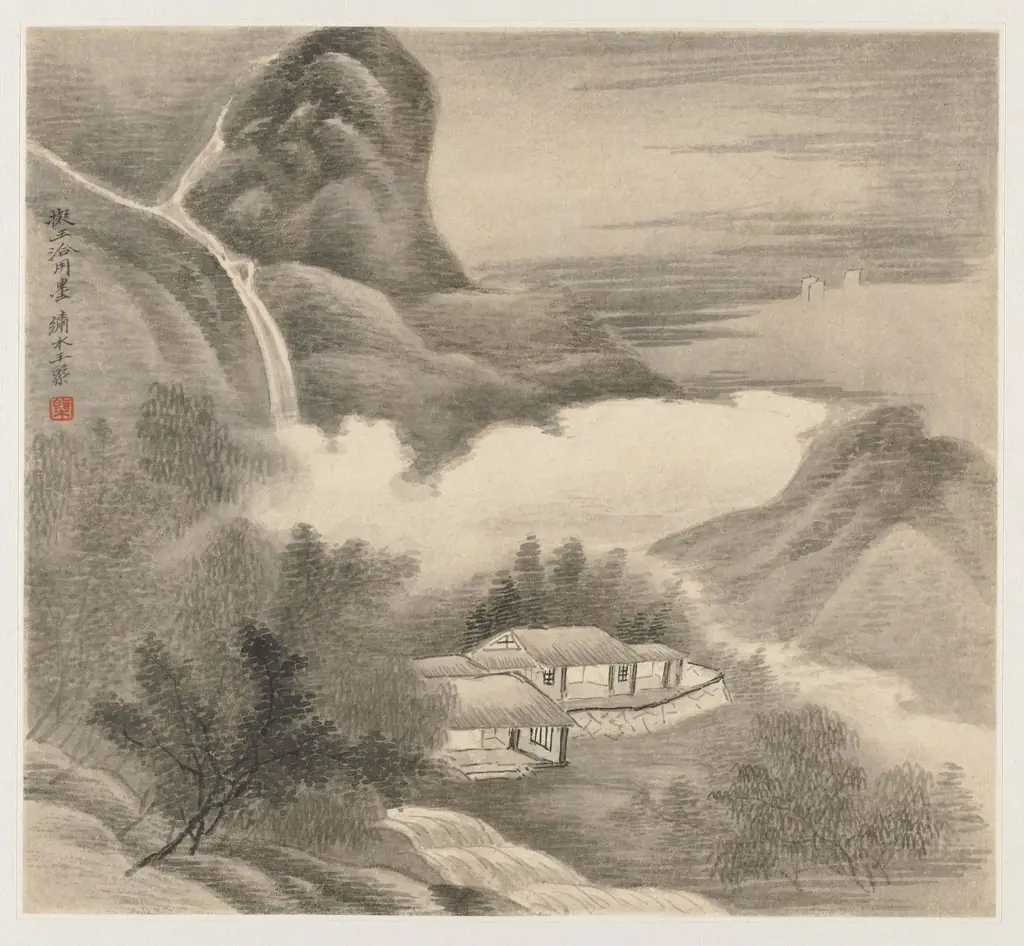
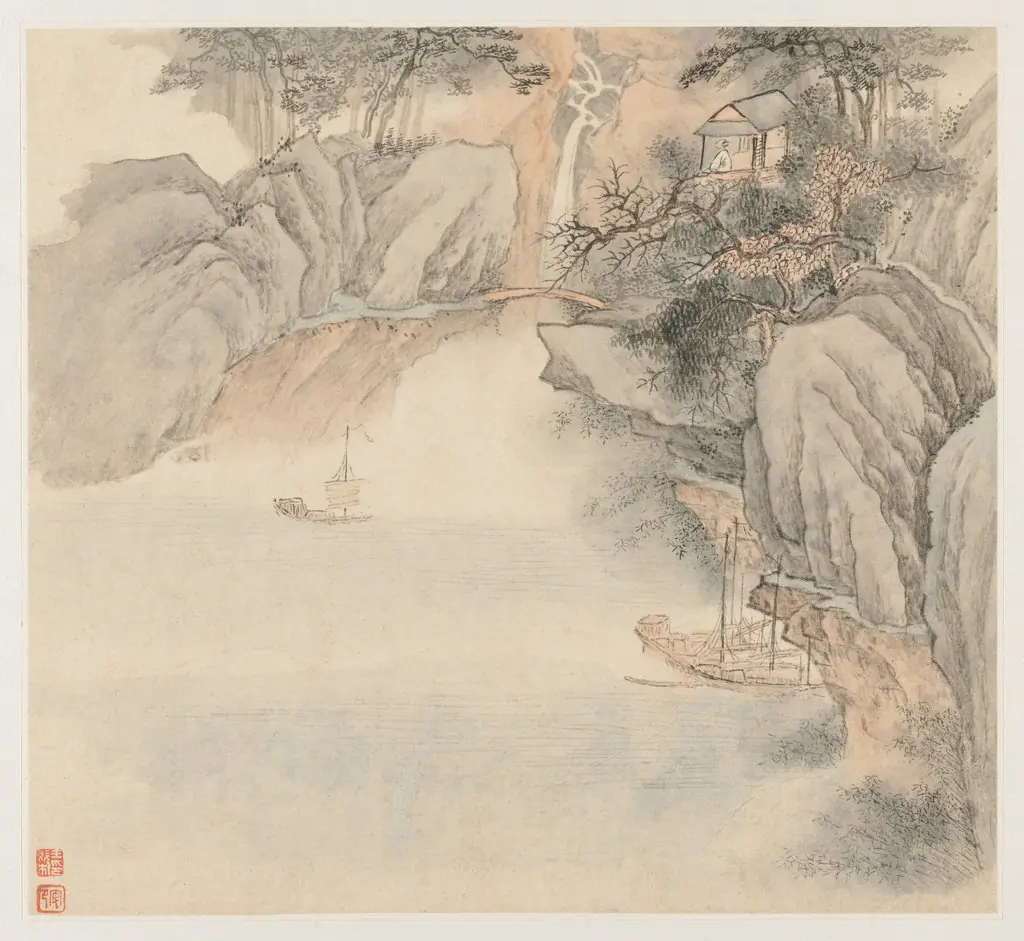
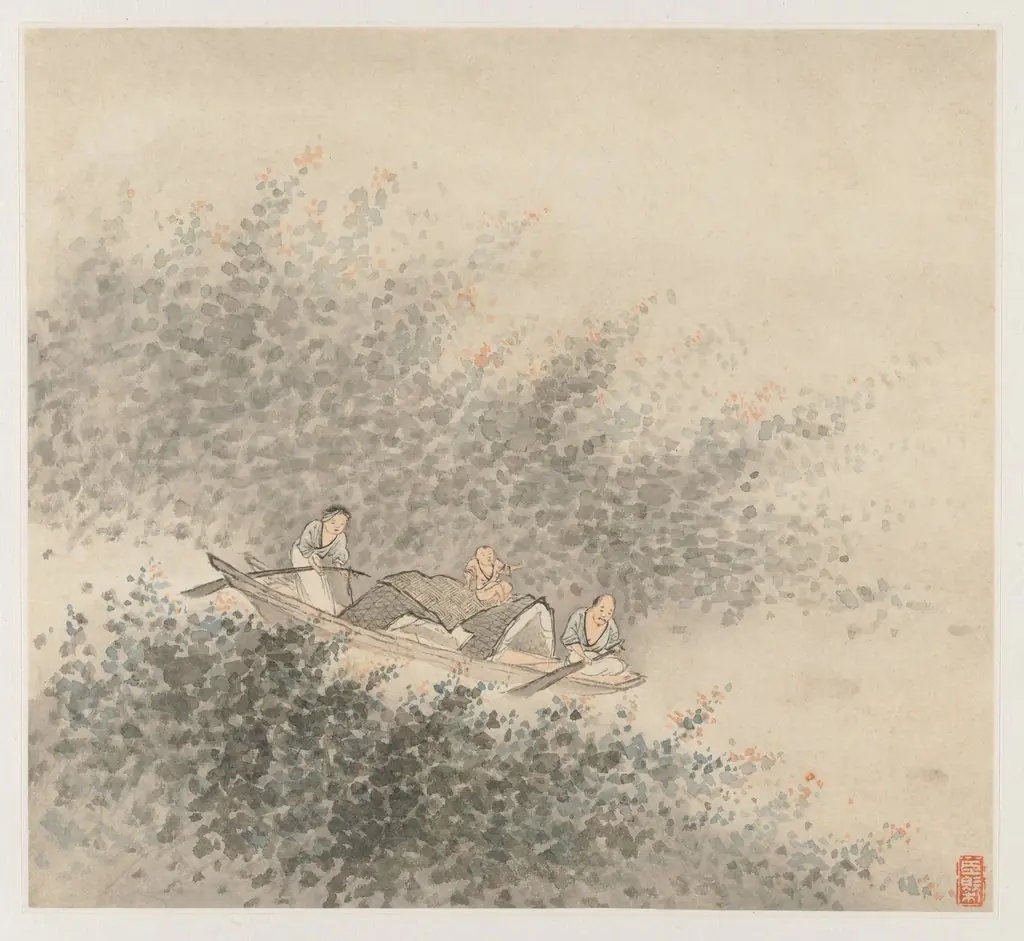
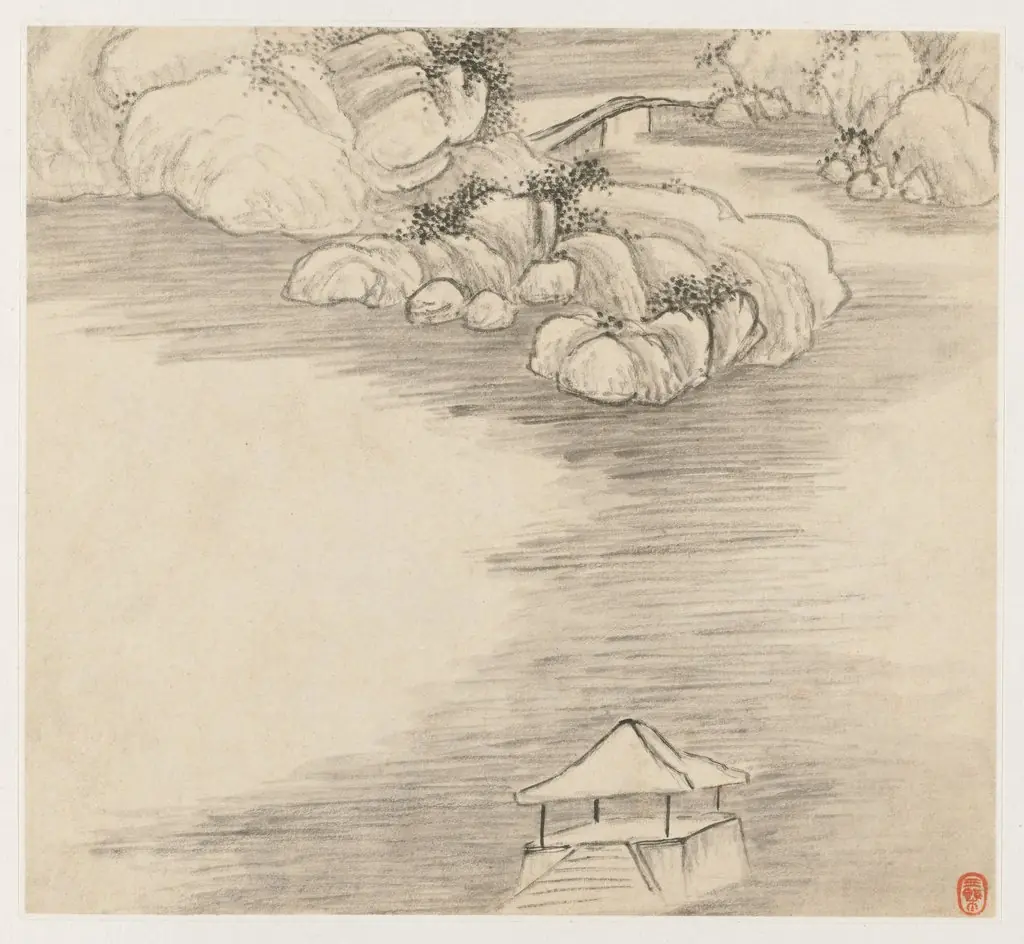
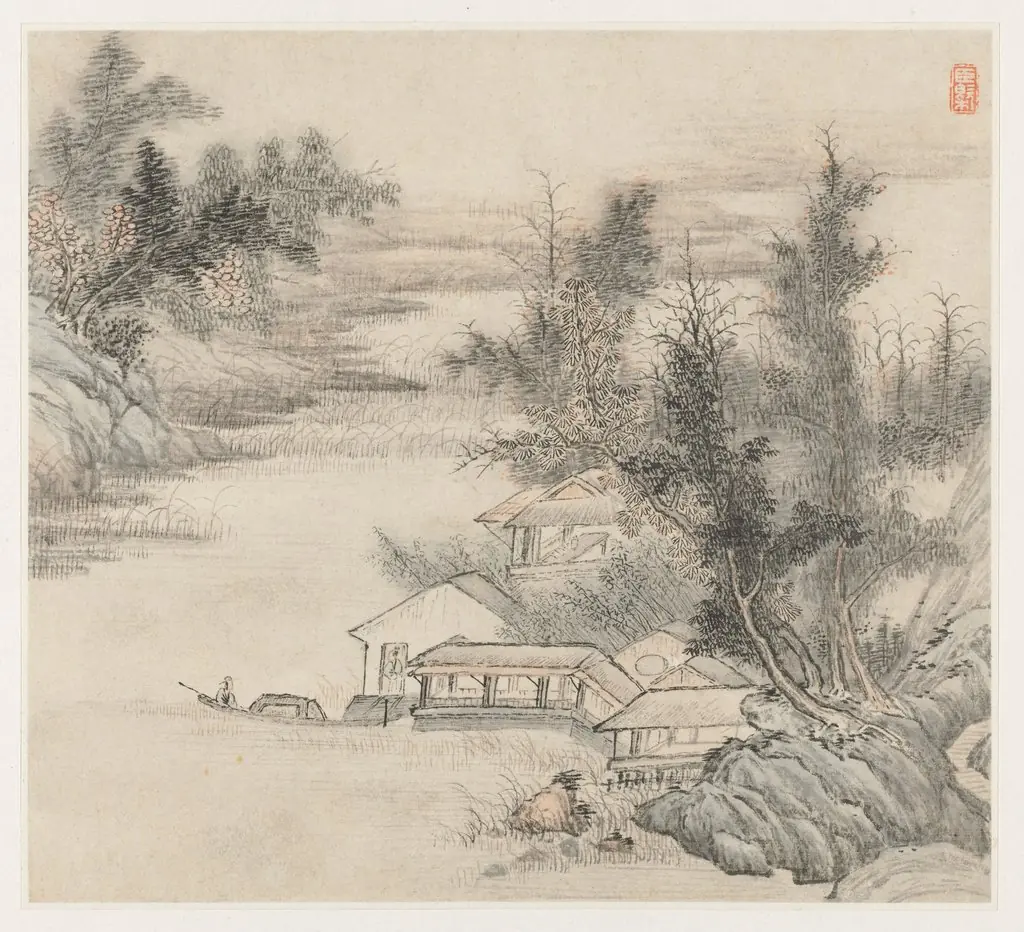
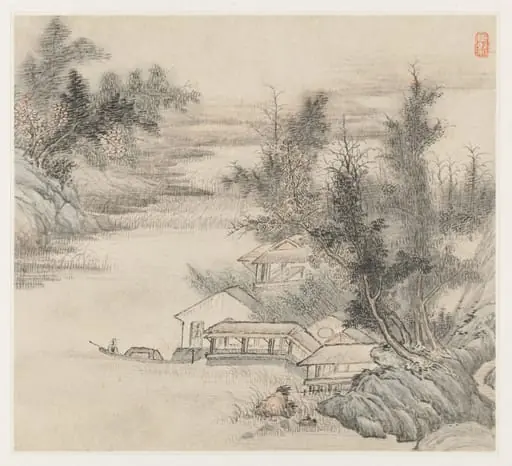
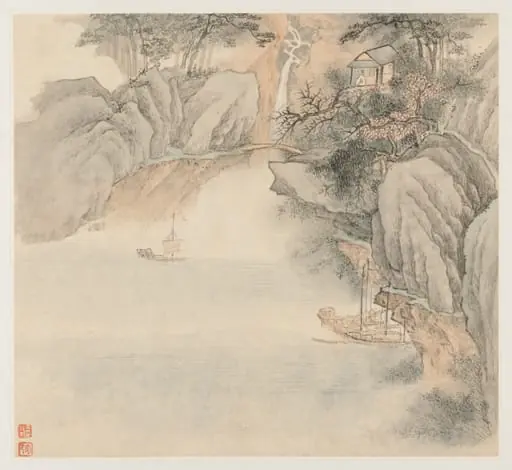
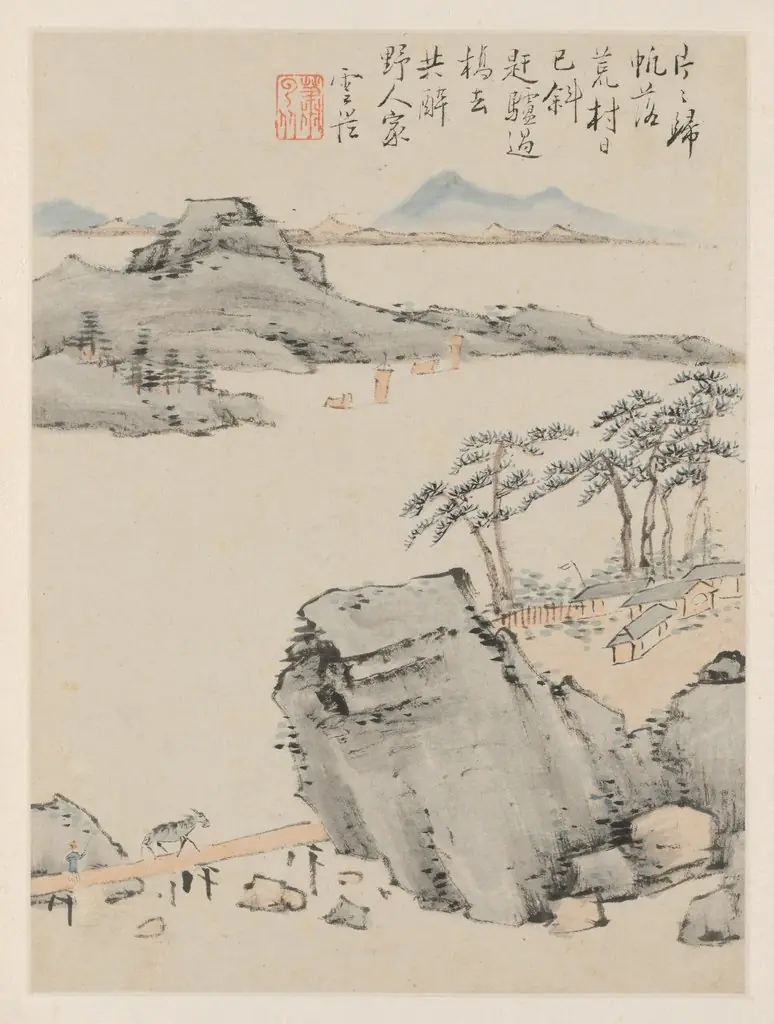
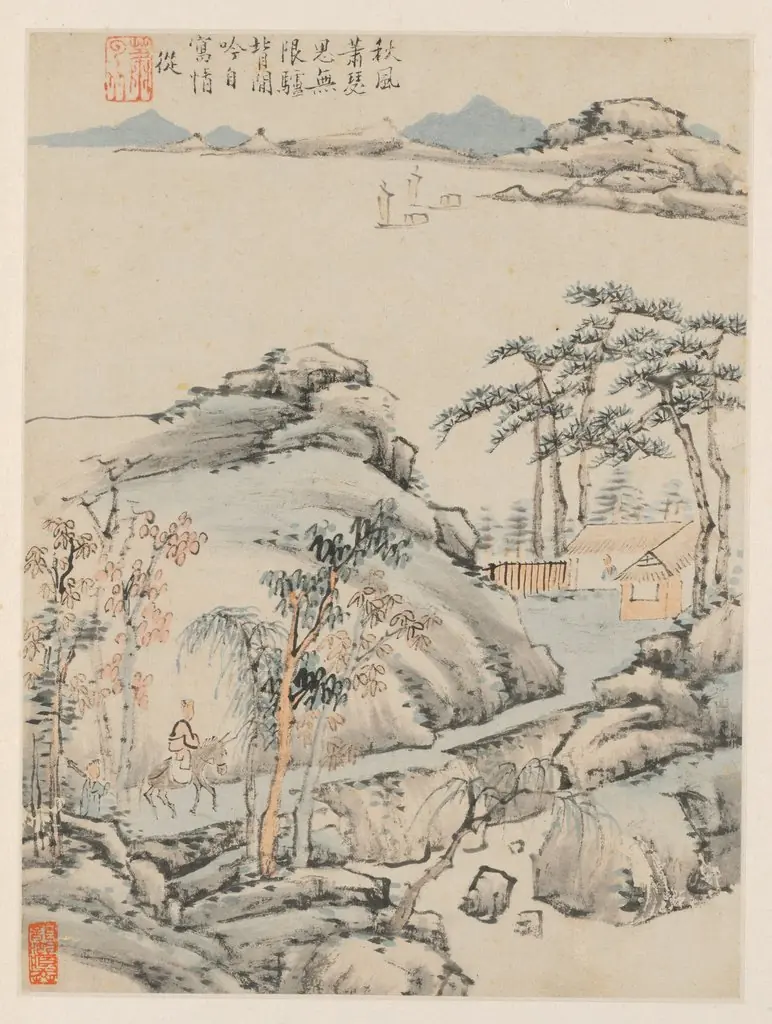
You see a traditional Chinese landscape in this painting.
It's a simple scene with trees and hills.
The artist used simple lines and colors to create a sense of calm, which is interesting because it shows how Chinese artists used minimal details to convey emotions.
You can learn more about this style by looking at the work of artist: Wang Gai (Chinese, active c. 1677–1705)
Overview
This leaf from an album of landscapes was painted by Wang Gai in 1677. It is one of a series of works intended for intimate viewing, likely held in the hand rather than displayed on a wall. The piece is part of the collection at The Cleveland Museum of Art, where it is preserved as an example of late 17th-century Chinese ink painting traditions.
Subject & Meaning
The scene depicts a quiet rural landscape with gently rolling hills and sparse trees, arranged to suggest depth without elaborate detail. There are no figures or architectural elements, emphasizing solitude and stillness. This minimalism reflects a Daoist-inspired aesthetic, where emptiness and restraint evoke contemplation rather than narrative.
Technique & Style
Wang Gai employed ink washes and delicate brushwork to suggest form with economy. Lines are soft and fluid, avoiding sharp contours, while tonal gradations create atmospheric perspective. The restrained palette and lack of color align with literati painting ideals, prioritizing expressive brushwork over decorative detail.
History & Provenance
The painting was created during Wang Gai’s active period, roughly 1677 to 1705, a time when scholar-artists emphasized personal expression over courtly grandeur. It entered the Cleveland Museum of Art’s collection as part of a larger album, preserved in its original format to maintain its intended sequential and tactile experience.
Context
Wang Gai worked within the literati tradition, influenced by earlier masters like Dong Qichang, who championed ink painting as a vehicle for inner reflection. His work emerged in a cultural climate where painting was seen as an extension of poetry and calligraphy, valued for its spiritual resonance rather than technical display.
Legacy
This leaf exemplifies the enduring influence of Ming and early Qing literati aesthetics, where simplicity was not a limitation but a deliberate artistic choice. Wang Gai’s approach contributed to a broader shift in Chinese painting toward introspective, personal expression, shaping later generations of scholar-artists.
Own this work as a print
Artist & collection