Artwork
Quails and Sparrows in an Autumn Scene
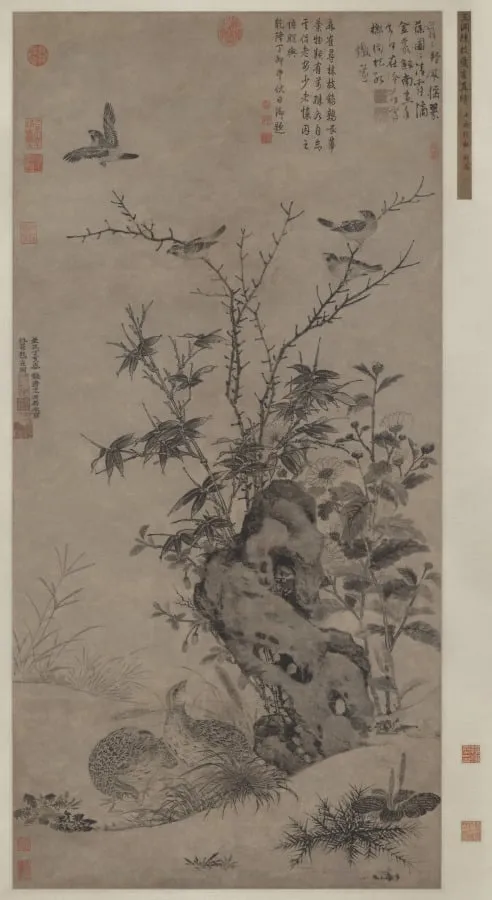
Quails and Sparrows in an Autumn Scene is an unspecified painting by Wang Yuan. It dates from 1347 and is held in the collection of the Cleveland Museum of Art. The work presents a tranquil autumn tableau where quails and sparrows rest upon barren branches.
About this work
The artist used thin, careful lines and light ink washes to shape feathers and leaves, making the scene quiet but detailed.
You see a few birds—quails and sparrows—perched on dry autumn branches, all drawn in soft black ink.
This painting skips color but still feels alive. The artist used thin, careful lines and light ink washes to shape feathers and leaves, making the scene quiet but detailed. It’s like a colored painting stripped down to just shadows and shapes.
If you like this, look up china, yuan dynasty (1271-1368) to see more work from this time.
Overview
The work presents a tranquil autumn tableau where quails and sparrows rest upon barren branches. Rendered entirely in black ink, the composition relies on subtle gradations of tone rather than colour, creating a sense of quiet observation. The piece exemplifies the disciplined approach of Chinese academic painting, emphasizing precise draftsmanship and restrained elegance.
Subject & Meaning
The birds and withered foliage evoke the seasonal transition of late autumn, symbolising the passage of time and the fleeting nature of life. By focusing on modest, everyday creatures, the artist invites contemplation of the natural world’s understated beauty, aligning with traditional Chinese motifs that find profundity in simple, seasonal scenes.
Technique & Style
Delicate brushwork defines the outlines of feathers and twigs, while layered ink washes provide gentle modelling of volume and depth. The artist employs a restrained palette of monochrome tones, allowing the interplay of line and wash to suggest texture and atmosphere without reliance on colour. This method reflects the scholarly ink tradition of the Yuan period.
History & Provenance
Attributed to Wang Yuan, a noted Yuan‑dynasty painter renowned for flower‑and‑bird, landscape, and figure subjects. Recognised early for his talent, Wang was a pupil of the eminent master Zhao Mengfu, whose influence is evident in the work’s refined execution. The painting’s provenance traces to private collections before entering a museum holding Yuan artworks.
Context
Created during the Yuan dynasty (1271–1368), a time when Chinese literati artists emphasized personal expression within classical forms. The monochrome approach aligns with the period’s scholarly aesthetic, which favored ink over colour to convey intellectual depth. Wang Yuan’s training under Zhao Mengfu placed him within a lineage that valued both technical mastery and poetic resonance.
Artist & collection


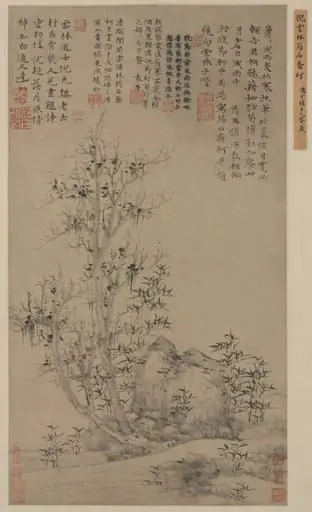 Bamboo, Rock, and Tall Tree
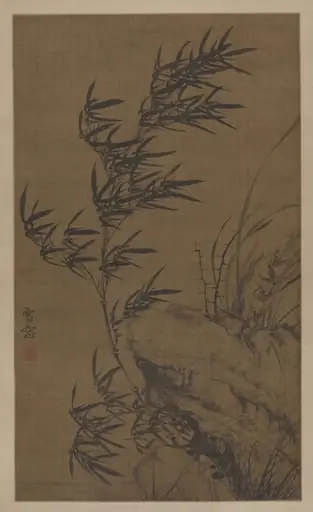 Bamboo in the Wind
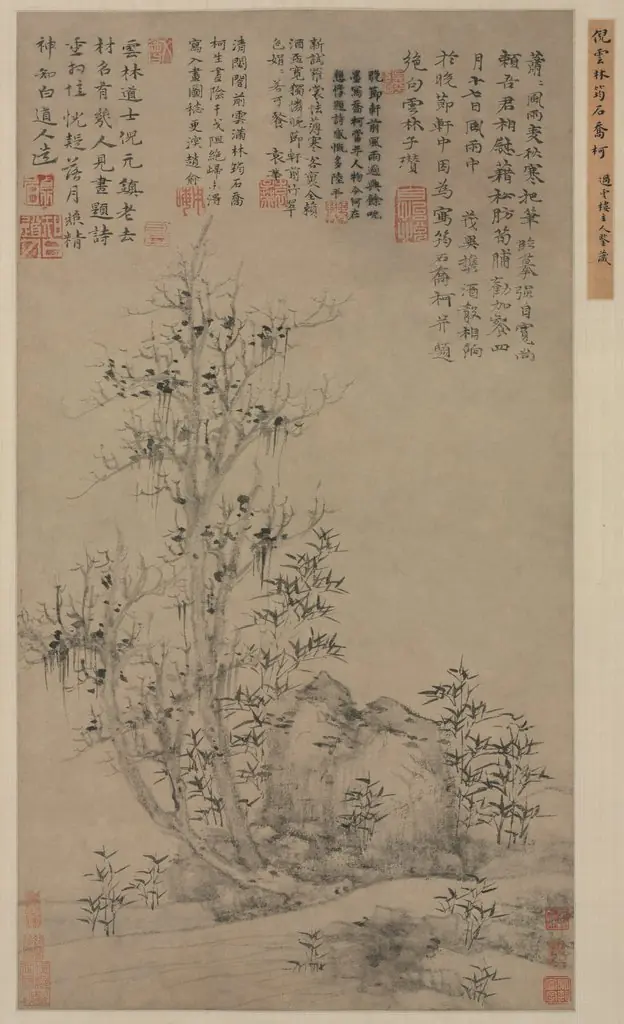 Bamboo, Rock, and Tall Tree
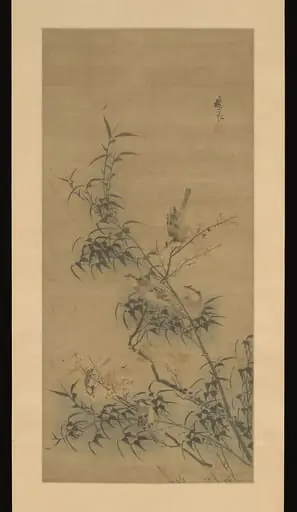 明 佚名 仿林良 喜上梅梢圖 軸|Birds Amidst Blossoming Plum and Bamboo
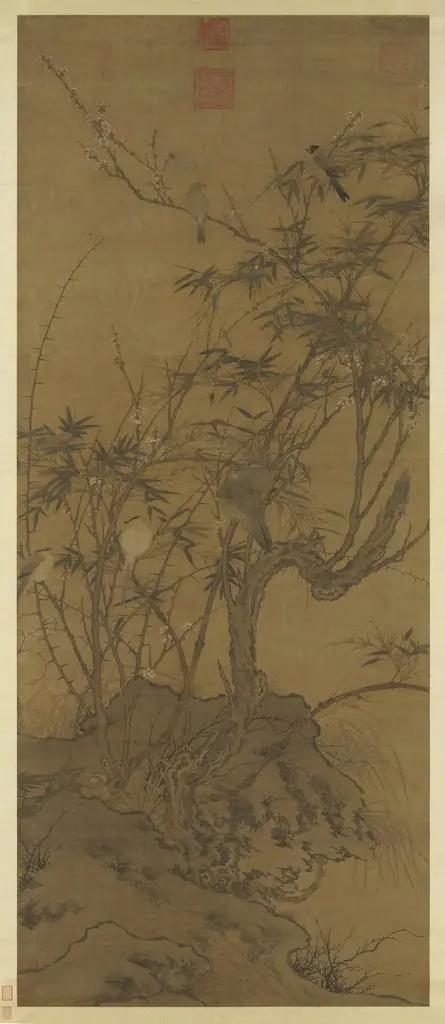 宋人梅竹聚禽圖 軸
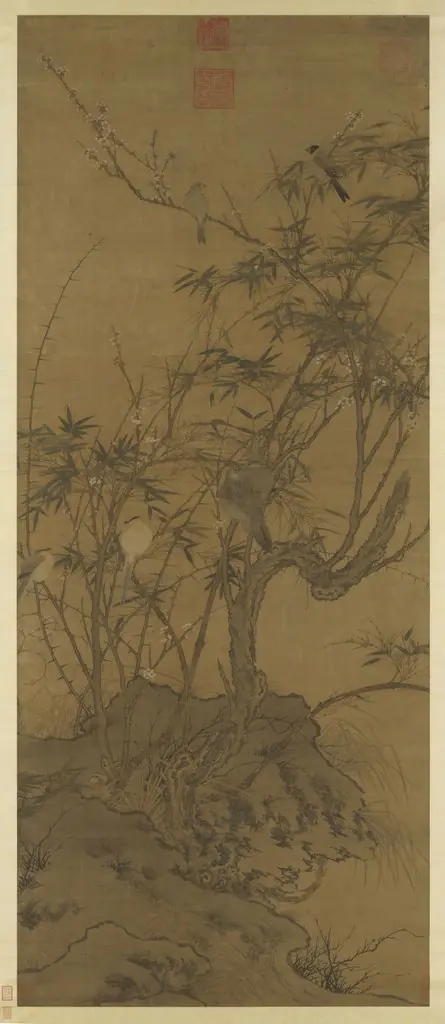 Plum Tree, Bamboo, and a Gathering of Birds
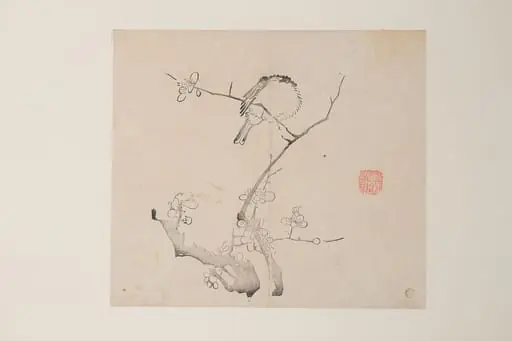 明 十竹齋書畫譜 四開|Leaf from the Ten Bamboo Studio Manual of Painting and Calligraphy
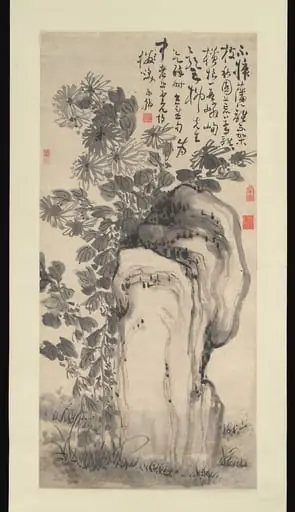 清 高鳳翰 菊石圖 軸|Chrysanthemums by a rock
 Three Purities
 明 倣林良 蘆鴨圖 軸|Ducks and Reeds
 Yellow Chrysanthemums and Red Osmanthus in the Style of Wang Yuan