Artwork
明/清 佚名 王淵(僞款) 百花圖 卷|The Hundred Flowers
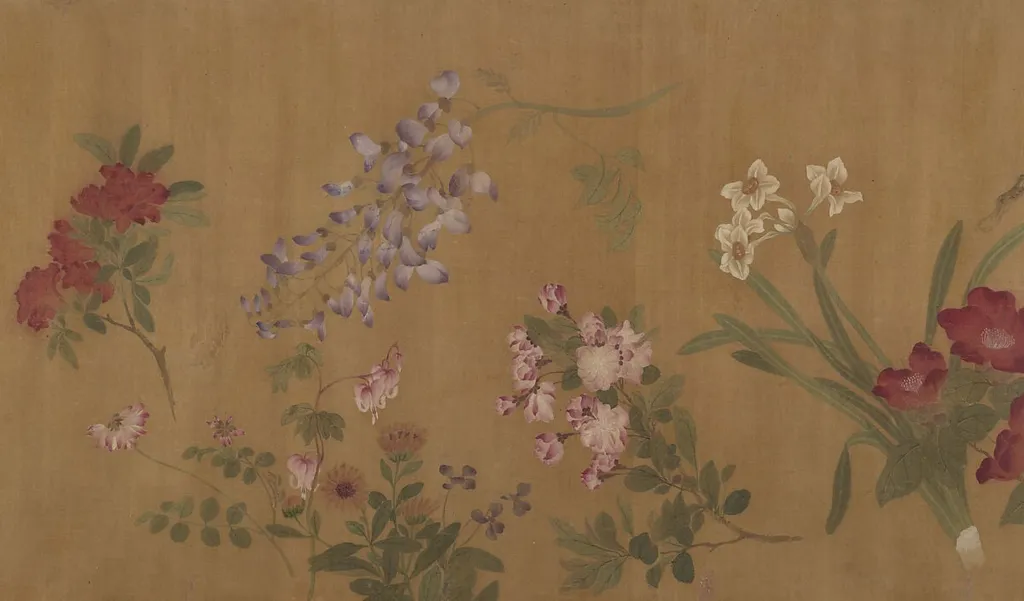
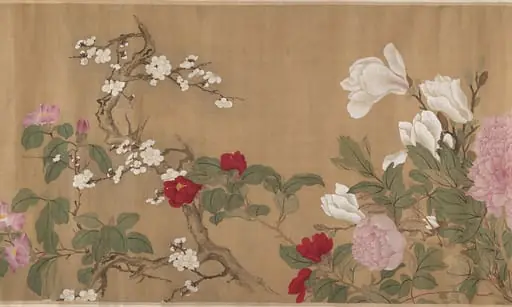
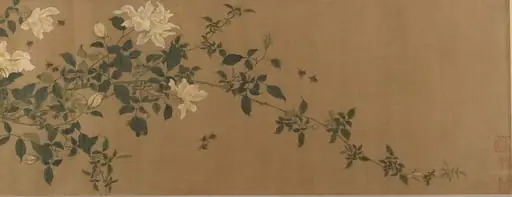
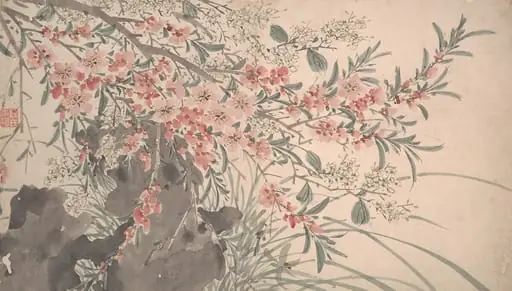
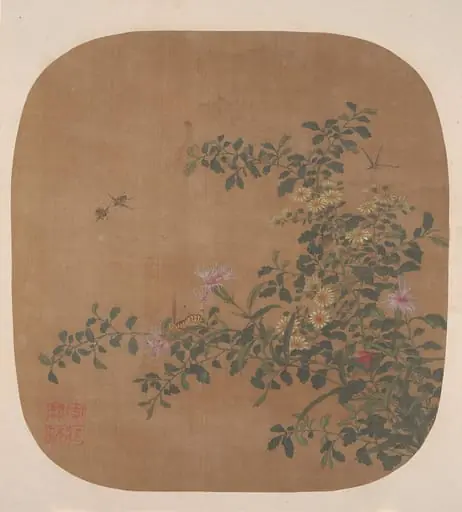
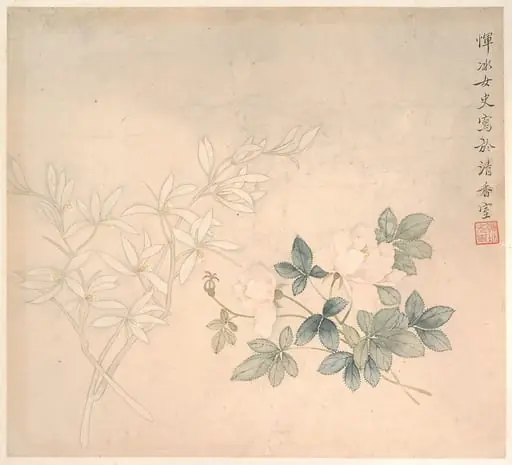
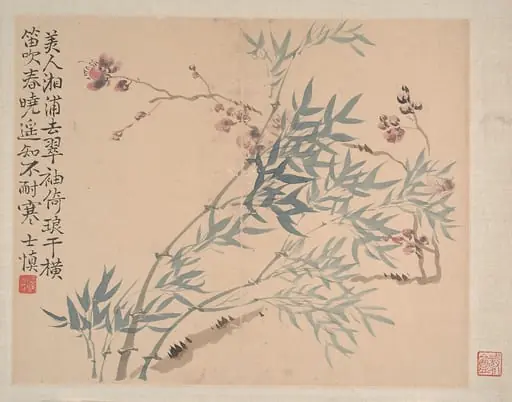
明/清 佚名 王淵(僞款) 百花圖 卷|The Hundred Flowers is an ink painting by the Ming dynasty painting artist Wang Yuan. It dates from 1330 and is held in the collection of the Metropolitan Museum of Art. This hand‑scroll painting on silk presents a lush arrangement of peonies, chrysanthemums and orchids rendered in ink and muted colour.
About this work
Overview
This hand‑scroll painting on silk presents a lush arrangement of peonies, chrysanthemums and orchids rendered in ink and muted colour. The composition unfolds horizontally, inviting the viewer to move through a garden‑like scene as the scroll unrolls.
Subject & Meaning
The work focuses on a traditional Chinese bouquet of celebrated blossoms, each symbolising virtues such as wealth, longevity and elegance. By gathering these flowers together, the artist creates a visual celebration of natural beauty and cultural symbolism.
Technique & Style
Executed with brushwork that balances delicate ink outlines and soft washes of colour, the piece exemplifies the literati approach to flower painting. The silk support allows for subtle tonal variations, while the careful rendering of petals and foliage demonstrates a refined, controlled hand.
History & Provenance
The scroll bears a signature attributing it to Wang Yuan, a 14th‑century painter, but scholarly analysis suggests the inscription is a later addition and the work may be a copy from a subsequent period. Its exact origins remain uncertain, contributing to its scholarly interest.
Context
Flower paintings were a popular genre in Ming and Qing China, often used to convey moral or poetic ideas. This piece aligns with that tradition, employing the same motifs and techniques found in other silk works by anonymous or court artists of the era.
Artist & collection