Artwork
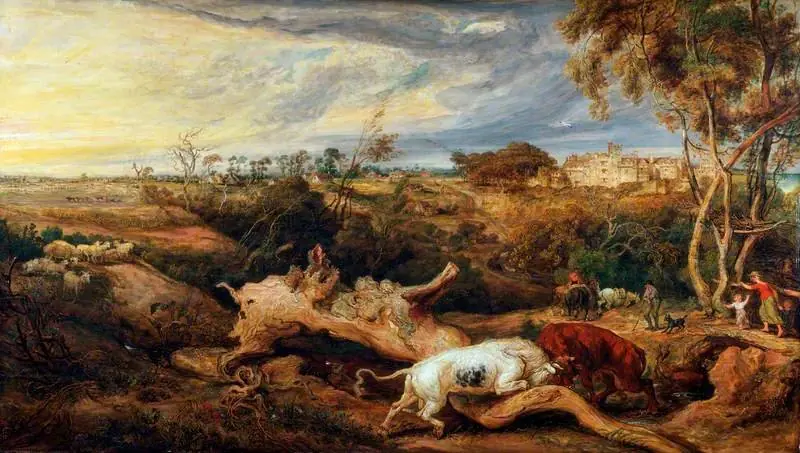
Bulls Fighting, with a View of Donatt's Castle, Glamorganshire
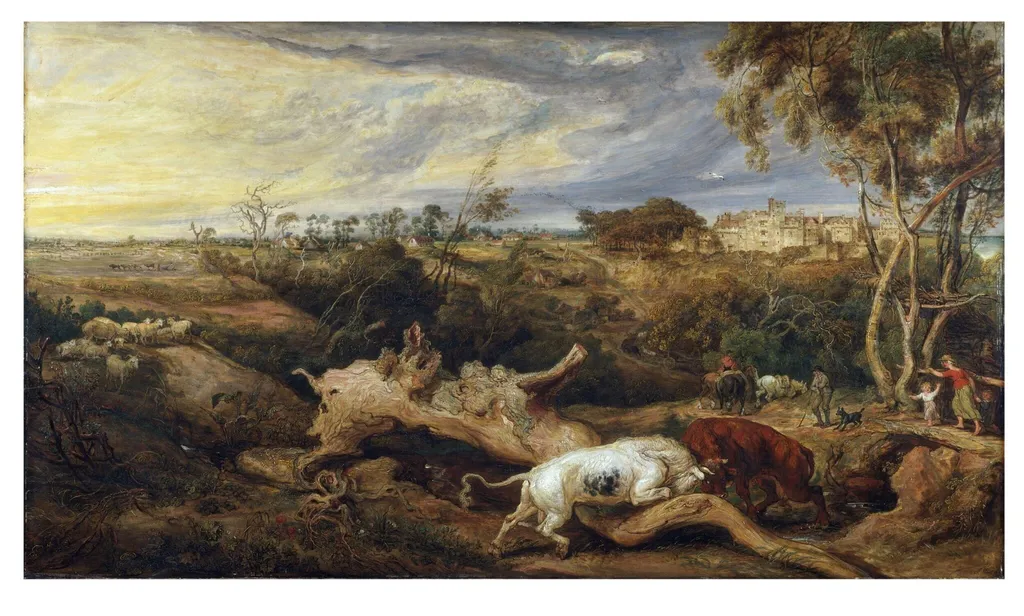
Bulls Fighting, with a View of Donatt's Castle, Glamorganshire is an oil painting by the British Romanticist artist James Ward. It dates from 1803 and is held in the collection of the Victoria and Albert Museum.
About this work
Overview
Though rooted in a landscape composition by Peter Paul Rubens, Ward transformed the scene into a focused study of animal vigor.
James Ward's oil painting depicts two bulls locked in combat against a backdrop of Donatt's Castle in Glamorganshire. Though rooted in a landscape composition by Peter Paul Rubens, Ward transformed the scene into a focused study of animal vigor. The work reflects his reputation for detailed animal portraiture and his engagement with earlier Old Master traditions, reinterpreting them through a distinctly British lens.
Subject & Meaning
The central confrontation between the bulls conveys raw physicality and natural instinct, stripped of anthropomorphic narrative. The distant castle, a quiet architectural presence, contrasts with the animals' turbulence, suggesting a tension between wild nature and human settlement. Ward avoids moralizing, instead presenting the scene as an unembellished observation of animal behavior within a familiar Welsh landscape.
Technique & Style
Ward employed chiaroscuro to heighten the drama of the bulls' musculature and the shifting light across the pasture. His brushwork is precise yet energetic, capturing the texture of fur and the weight of movement. While the landscape echoes Rubens' compositional structure, Ward’s rendering is more restrained and detailed, emphasizing anatomical accuracy over theatrical flourish.
History & Provenance
Completed in the early 19th century, the painting was exhibited at the Royal Academy, where it drew divided critical responses. The Academy’s president praised its technical refinement, even contrasting it favorably with Rubens. John Constable, however, dismissed it as derivative, arguing that art grounded in direct observation surpassed works built on reinterpretation of existing compositions.
Context
Ward worked during a period when British artists increasingly sought to elevate animal subjects to the status of serious art. His reliance on Rubens reflects a broader trend of engaging with continental traditions, even as he pursued a more naturalistic approach. The inclusion of a specific Welsh landmark situates the scene within a growing national interest in regional identity and landscape.
Legacy
Though not widely reproduced, the painting remains a notable example of early 19th-century British animal painting. It illustrates the tension between academic homage and empirical observation that defined artistic debates of the time. Ward’s approach influenced later naturalists who prioritized anatomical truth over idealized composition, contributing to the evolution of British landscape and animal art.
Own this work as a print
Artist & collection

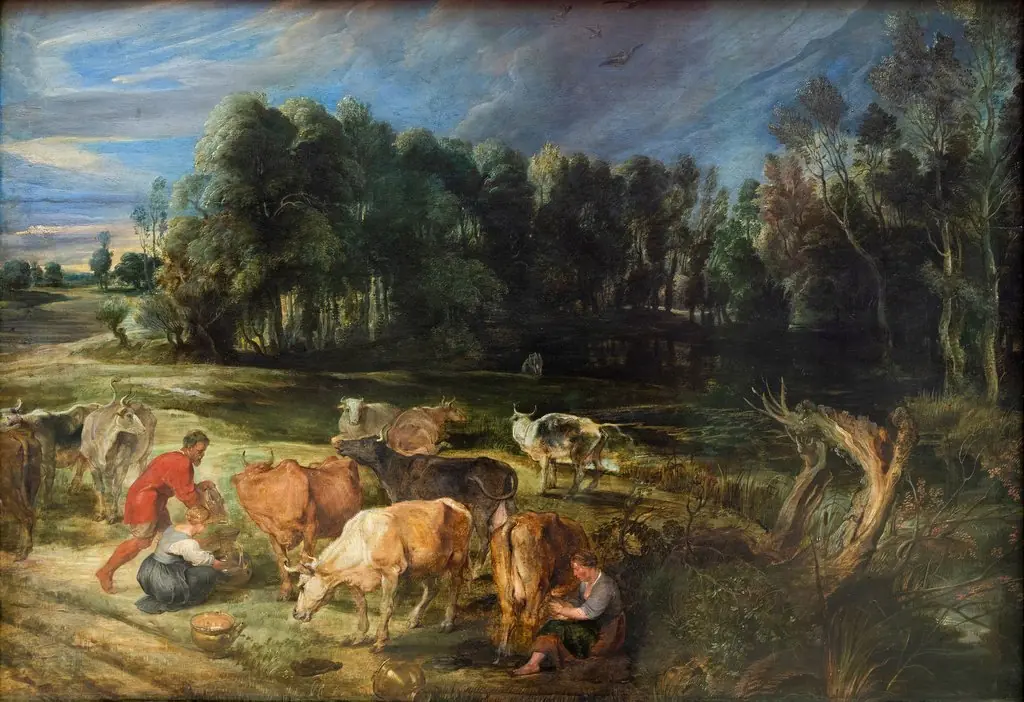 Landscape with Cattle
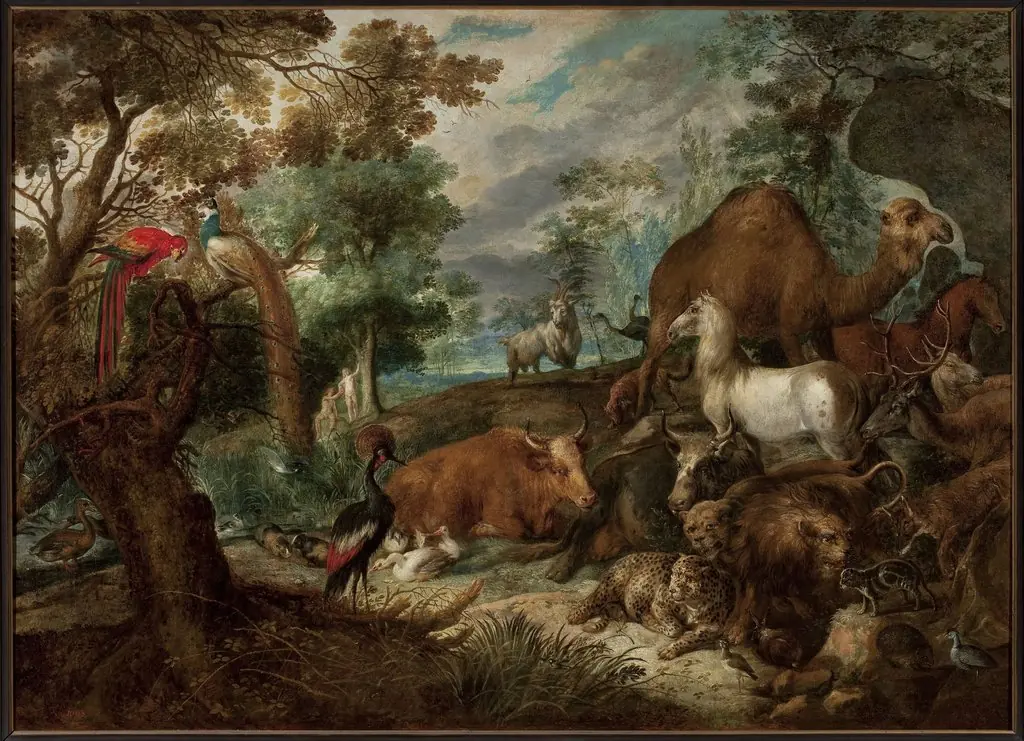 Paradise
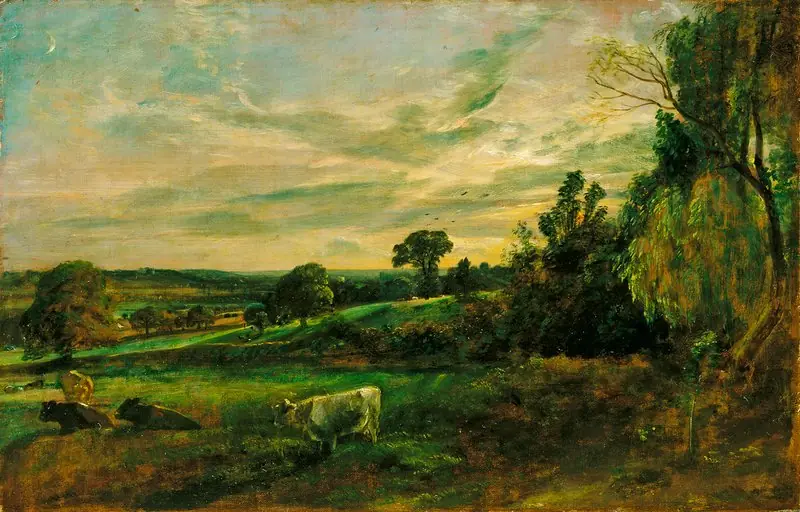 Summer Evening: View near East Bergholt Showing Langham Church, Stratford Church and Stoke-by-Nayland Church
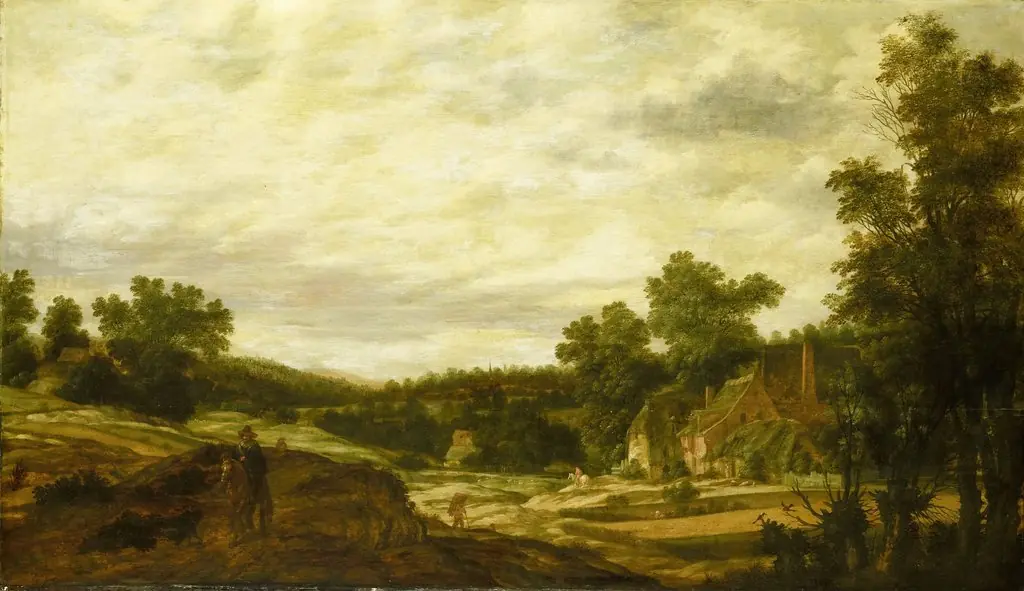 Hilly landscape
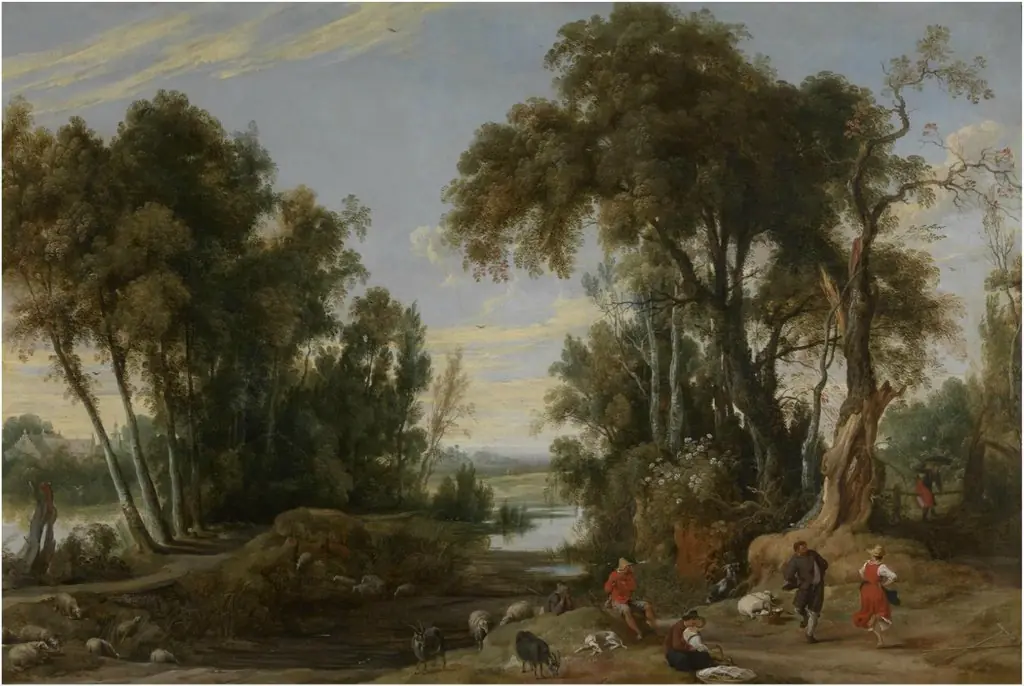 Landscape with dancing Shepherds
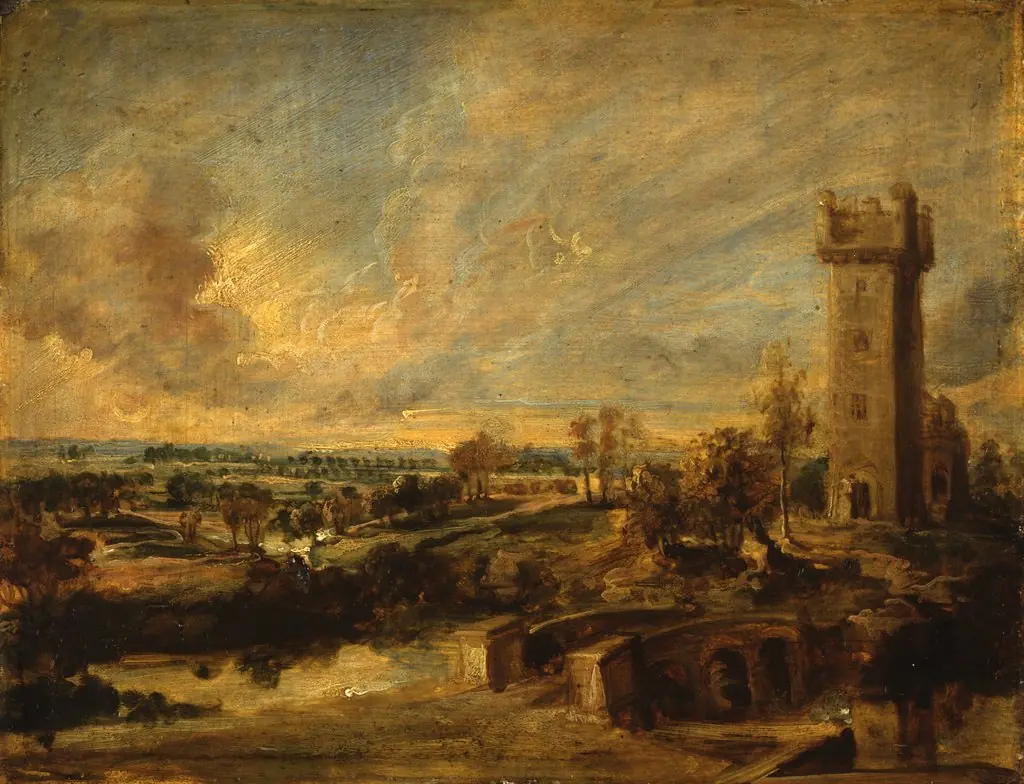 Landscape with Tower
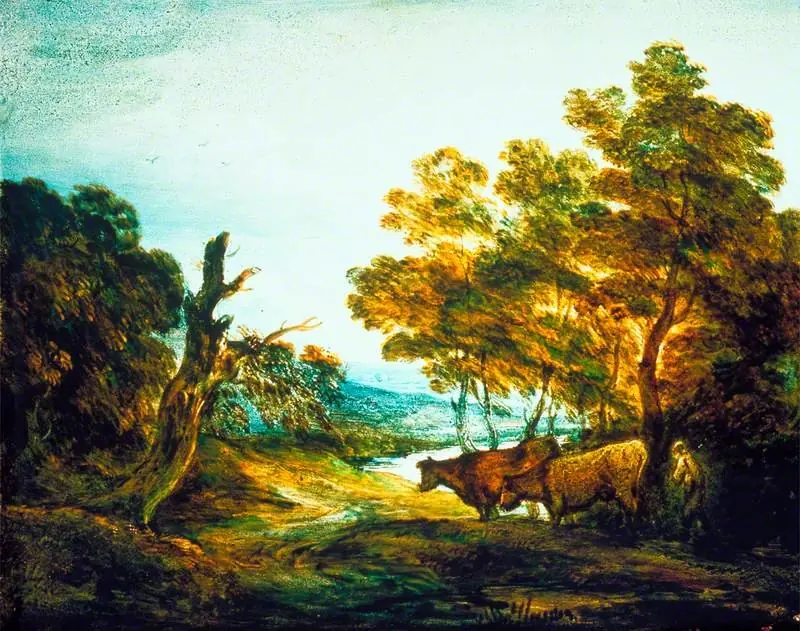 Wooded Landscape with a Herdsman and Two Cows
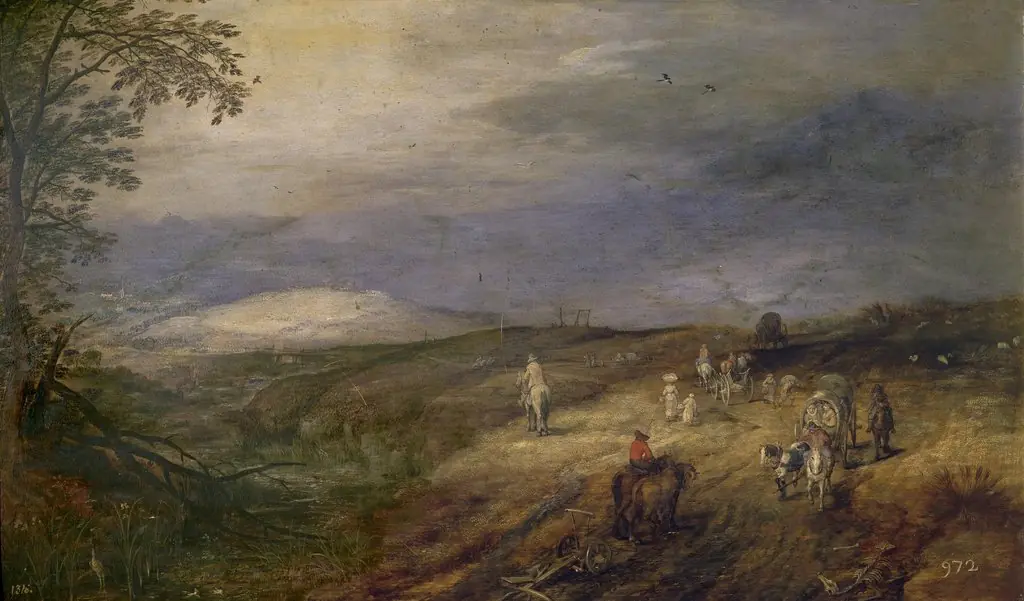 Path in a Forest
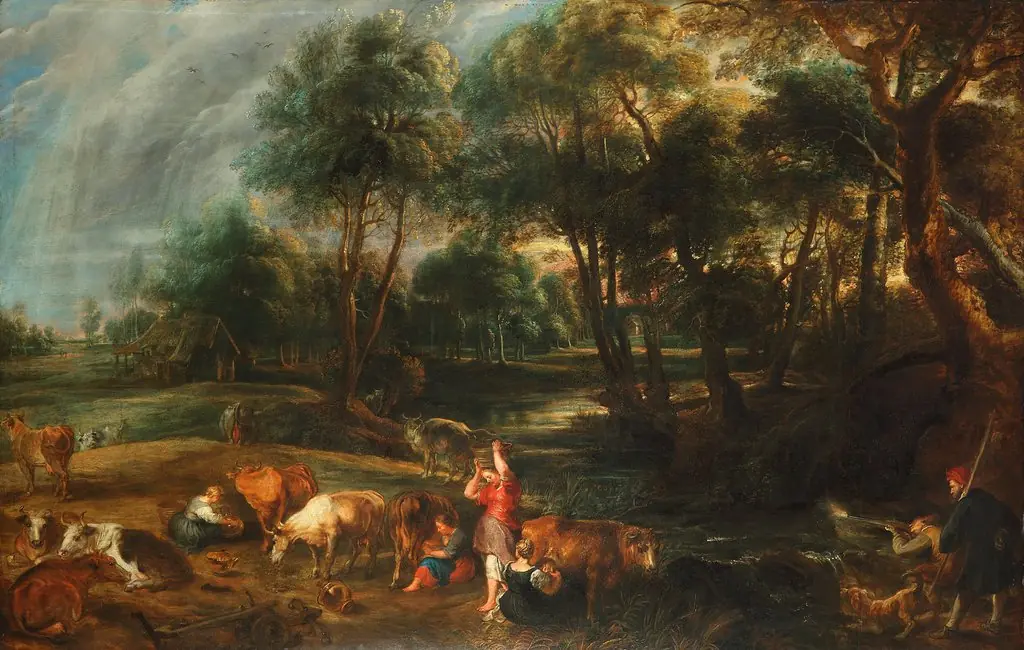 Landscape with Cows and Wildfowlers
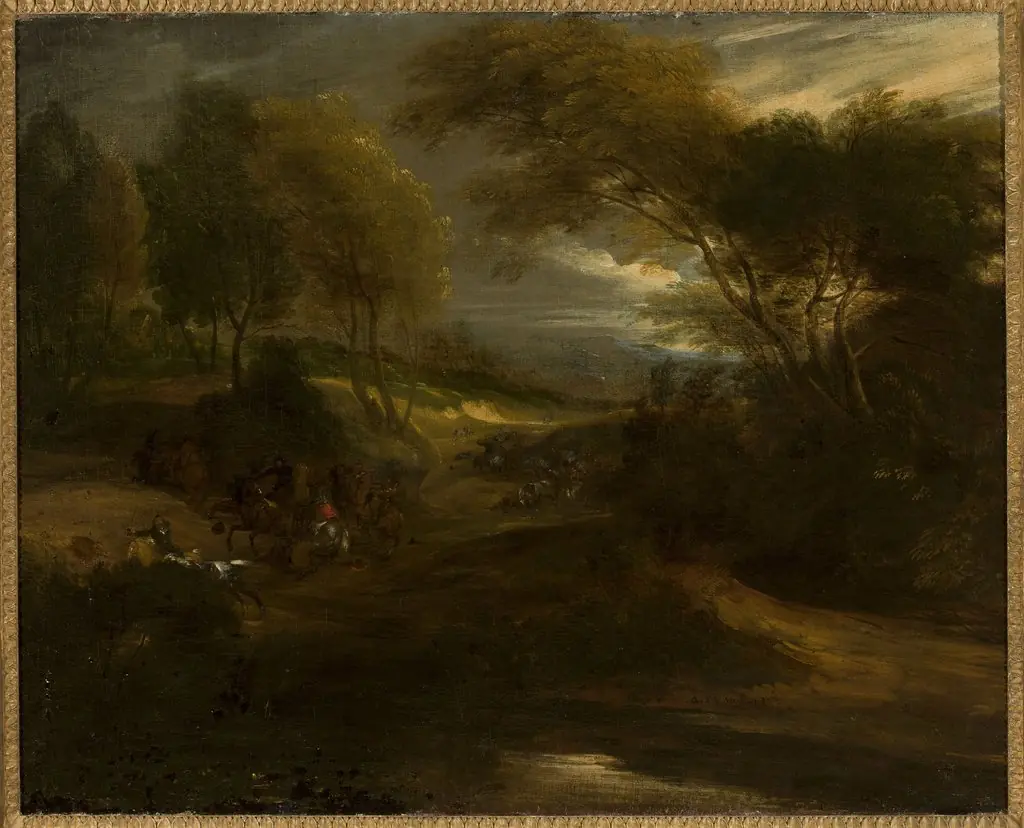 A battle scene
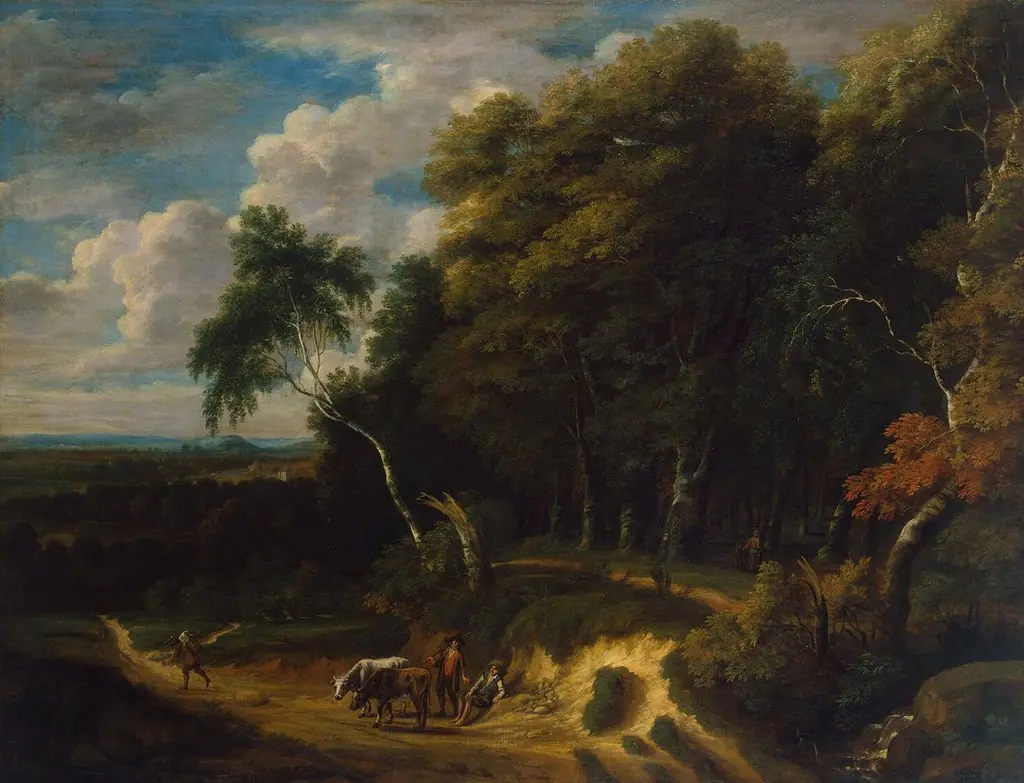 Landscape with a Herd
 Bulls Fighting, with a View of Donatt's Castle, Glamorganshire