Artwork
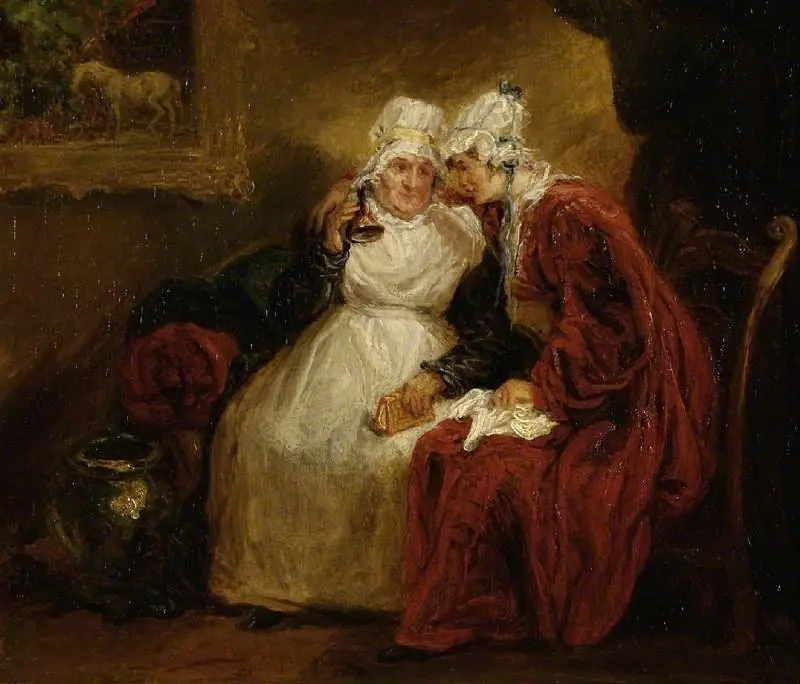
Study of an Elderly Woman for "Disobedience Discovered"
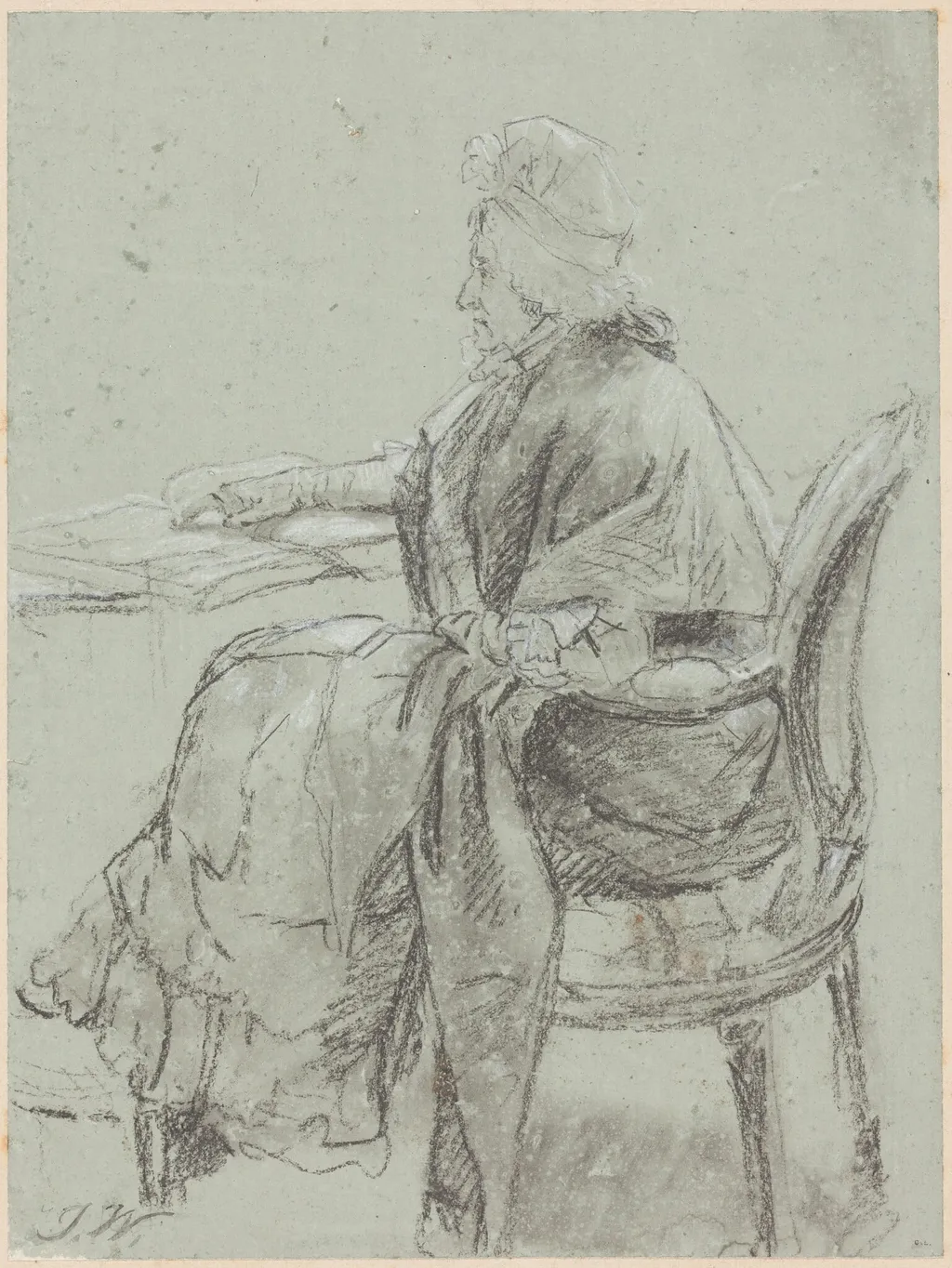
Study of an Elderly Woman for "Disobedience Discovered" is a chalk drawing by the Romanticist artist James Ward. It dates from 1797 and is held in the collection of the National Gallery of Art.
About this work
Overview
James Ward’s drawing, titled Study of an Elderly Woman for “Disobedience Discovered,” dates to around 1797. Executed on blue‑green prepared paper, the work measures a modest size and functions as a preparatory study rather than a finished composition. It records a single figure in profile, serving as a visual reference for a larger, as‑yet‑unrealized painting.
Subject & Meaning
The composition captures an aged woman in profile, her face marked by deep furrows and a weary gaze. The expression is solemn, with a set mouth that suggests resignation or contemplation. While the drawing itself offers no narrative context, its title hints that the figure was intended to embody a theme of defiance or moral transgression within the larger work.
Technique & Style
Ward employed black chalk for the primary contours, overlaying a muted gray wash that unifies the surface. Delicate white heightening on the blue‑green ground accentuates the cheekbones and eyes, creating a subtle three‑dimensional effect. The marks remain loose yet controlled, conveying the woman’s texture and age without resorting to elaborate coloration.
History & Provenance
Created in the late eighteenth century, the study was likely produced in Ward’s studio as part of the preparatory process for the painting “Disobedience Discovered,” a work that has not survived or remains unidentified. The drawing has passed through private collections before entering a public institution, where it is catalogued as an example of Ward’s early figure studies.
Context
At the turn of the nineteenth century, British artists often produced detailed studies to plan larger narrative compositions. Ward, known primarily for animal and landscape subjects, applied the same rigorous observational approach to human figures, reflecting the academic emphasis on anatomical accuracy and expressive detail prevalent in the period.
Artist & collection

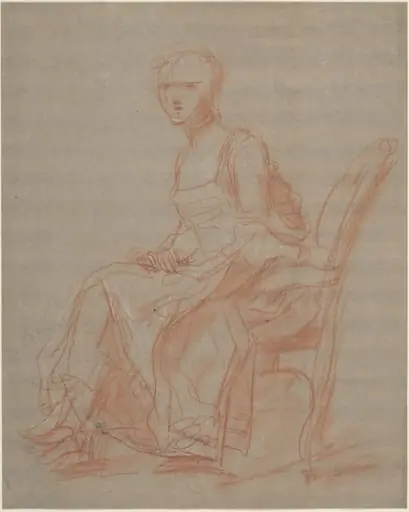 Seated Woman
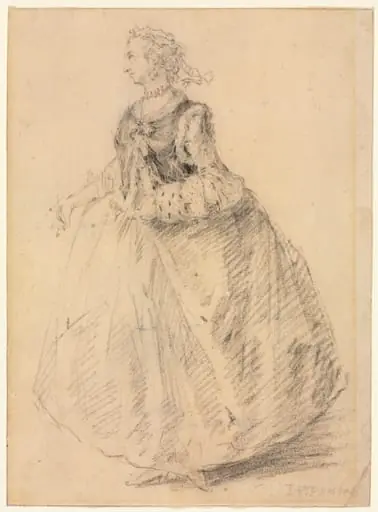 Standing Woman with an Ermine Muff
![Studies of a Woman and Her Dress [verso], by Perry, Enoch Wood, Jr.](https://artifactworldgallery.com/img/perry-enoch-wood-jr--studies-of-a-woman-and-her-dress-verso--abf8075589814203-w320.webp) Studies of a Woman and Her Dress [verso]
Studies of a Woman and Her Dress [verso]![Portrait of a Procurator [verso], by Alessandro Longhi](https://artifactworldgallery.com/img/alessandro-longhi--portrait-of-a-procurator-verso--b1f9a8462c76ecbe-w320.webp) Portrait of a Procurator [verso]
Portrait of a Procurator [verso]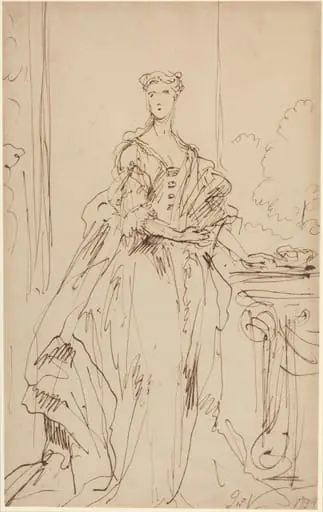 Portrait of a Standing Lady
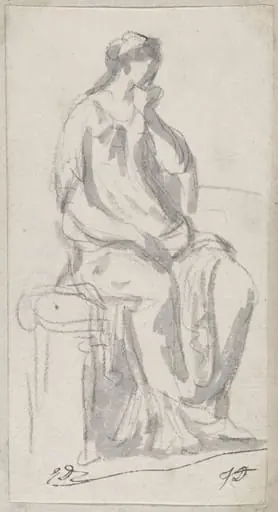 Classical Sculpture of a Pensive Woman
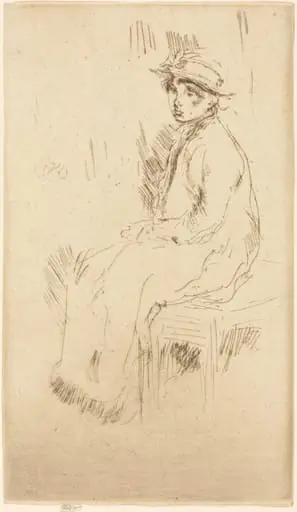 Nora Quinn
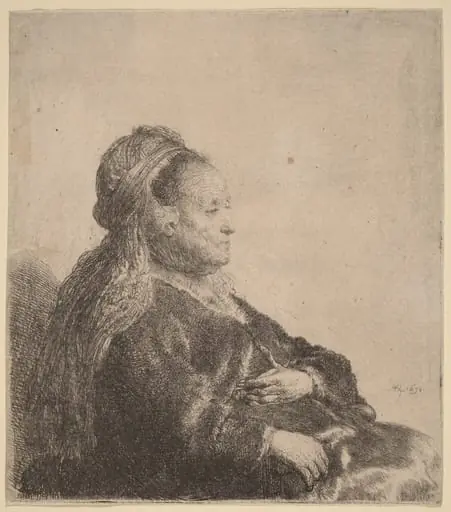 The Artist's Mother Seated, in an Oriental Headdress
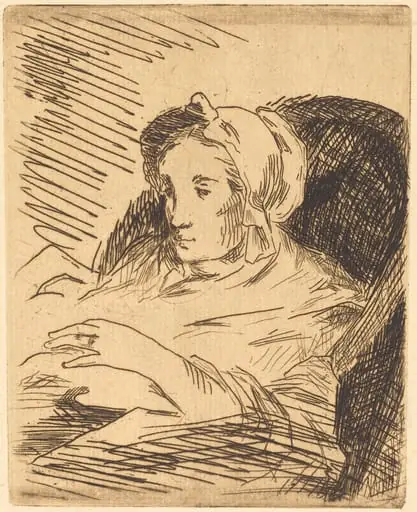 The Convalescent (La convalescente)
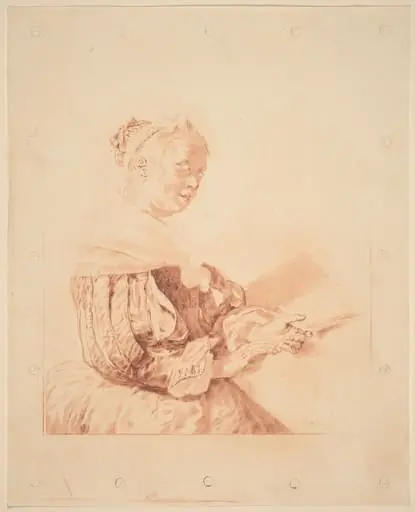 Young Girl at the Keyboard
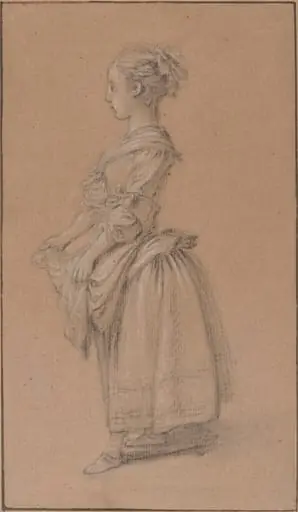 A Girl in Peasant Dress
![A Venetian Procurator of San Marco [recto], by Pietro Longhi](https://artifactworldgallery.com/img/pietro-longhi--a-venetian-procurator-of-san-marco-recto--2c48af9001688196-w320.webp) A Venetian Procurator of San Marco [recto]
A Venetian Procurator of San Marco [recto]