Artwork
Der Blaue Berg
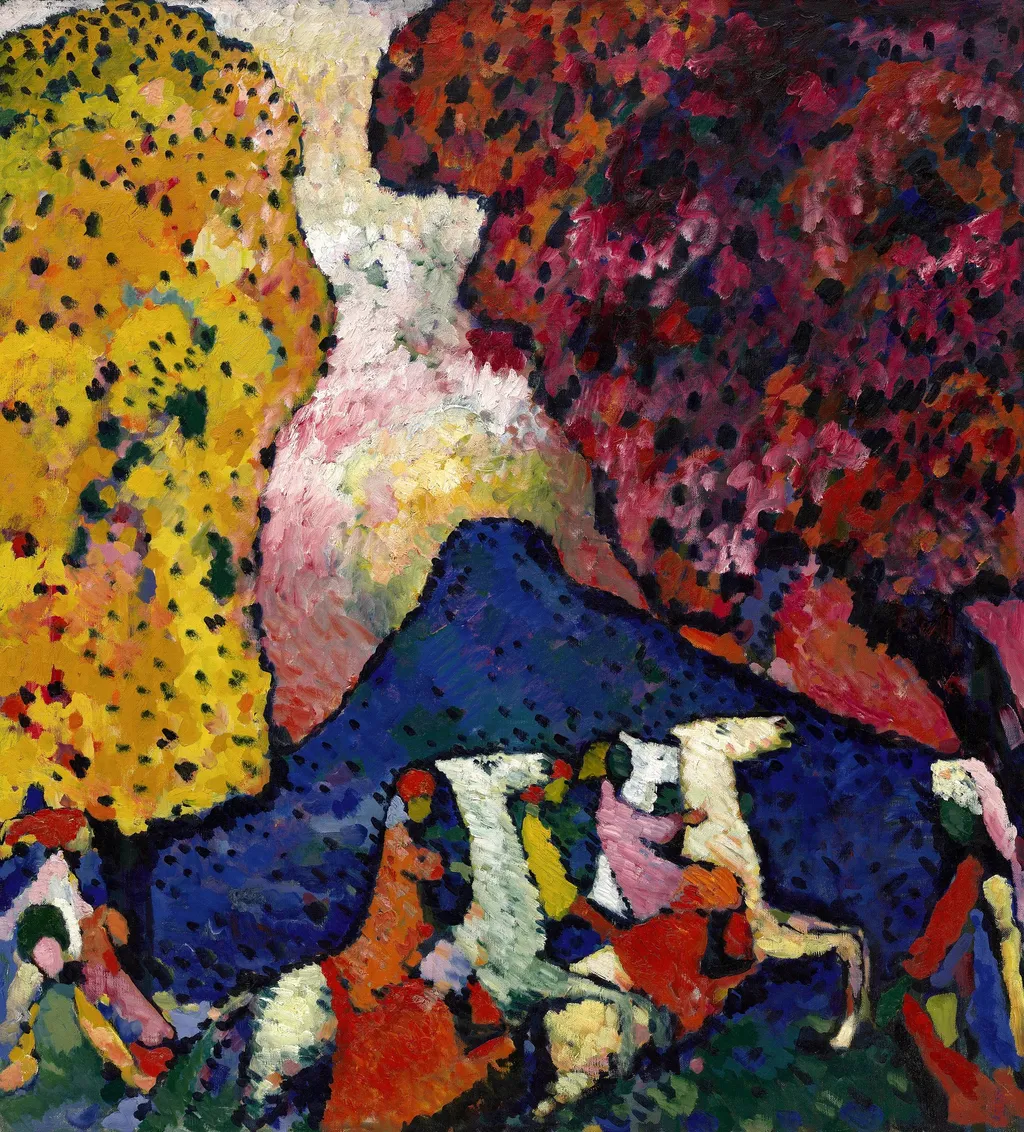
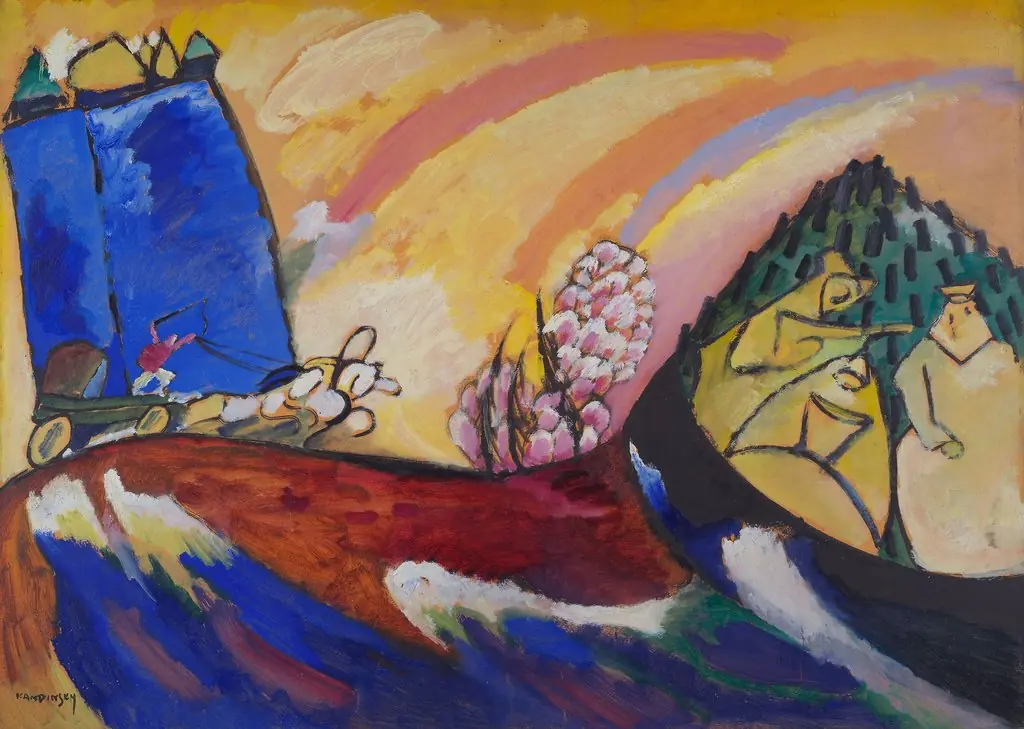
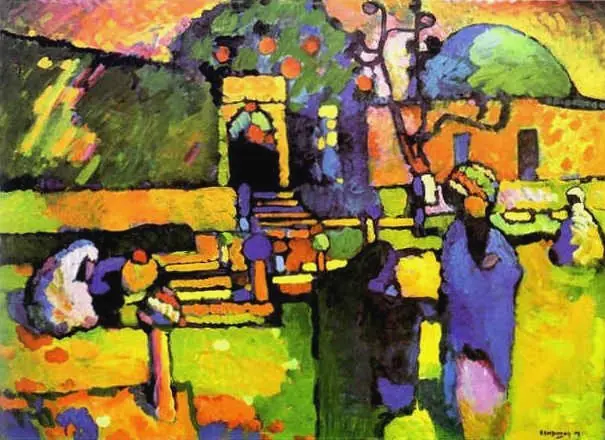
Der Blaue Berg is an oil painting by Wassily Kandinsky. It dates from 1908 and is held in the collection of the Gemäldegalerie Alte Meister.
About this work
Overview
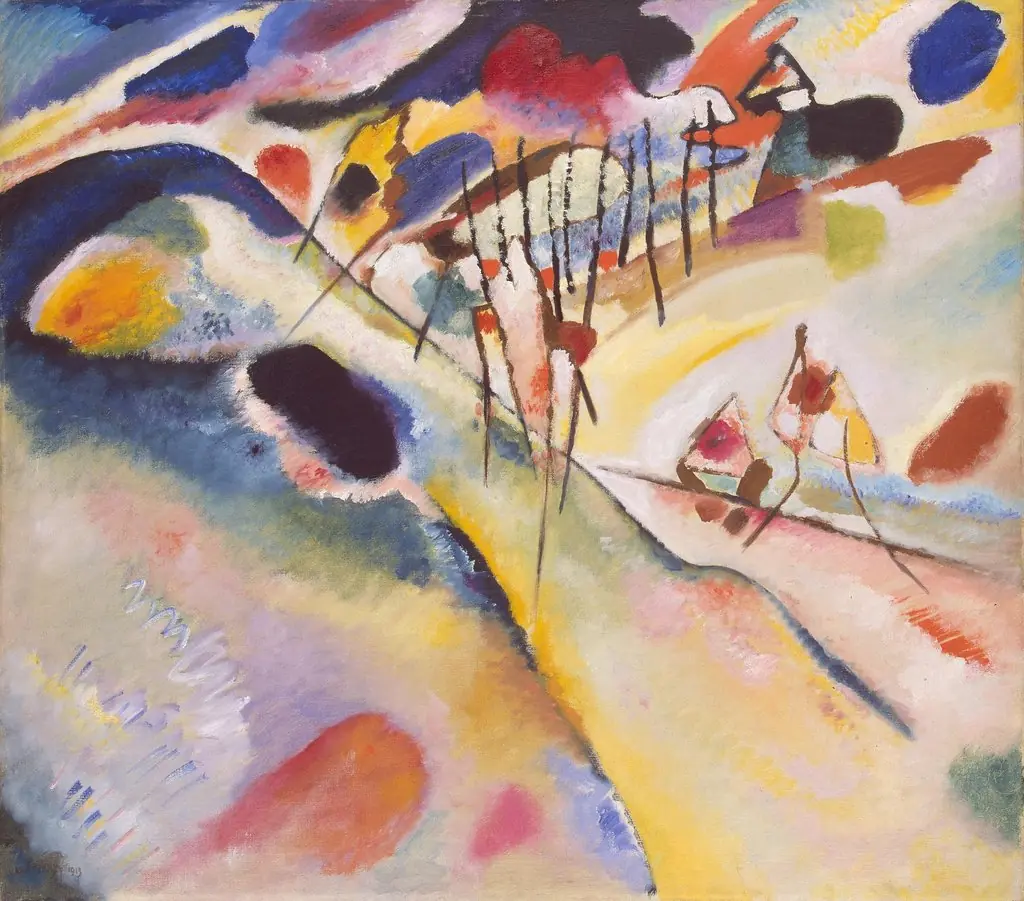
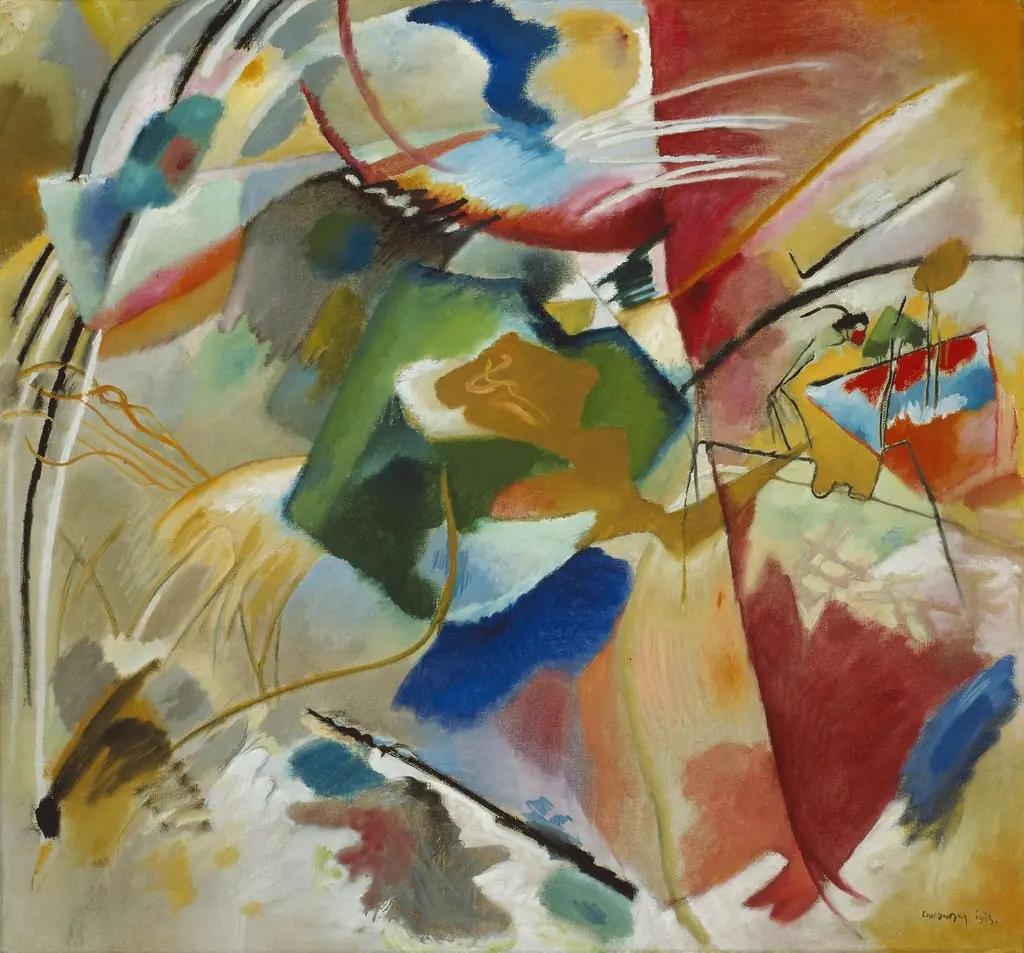
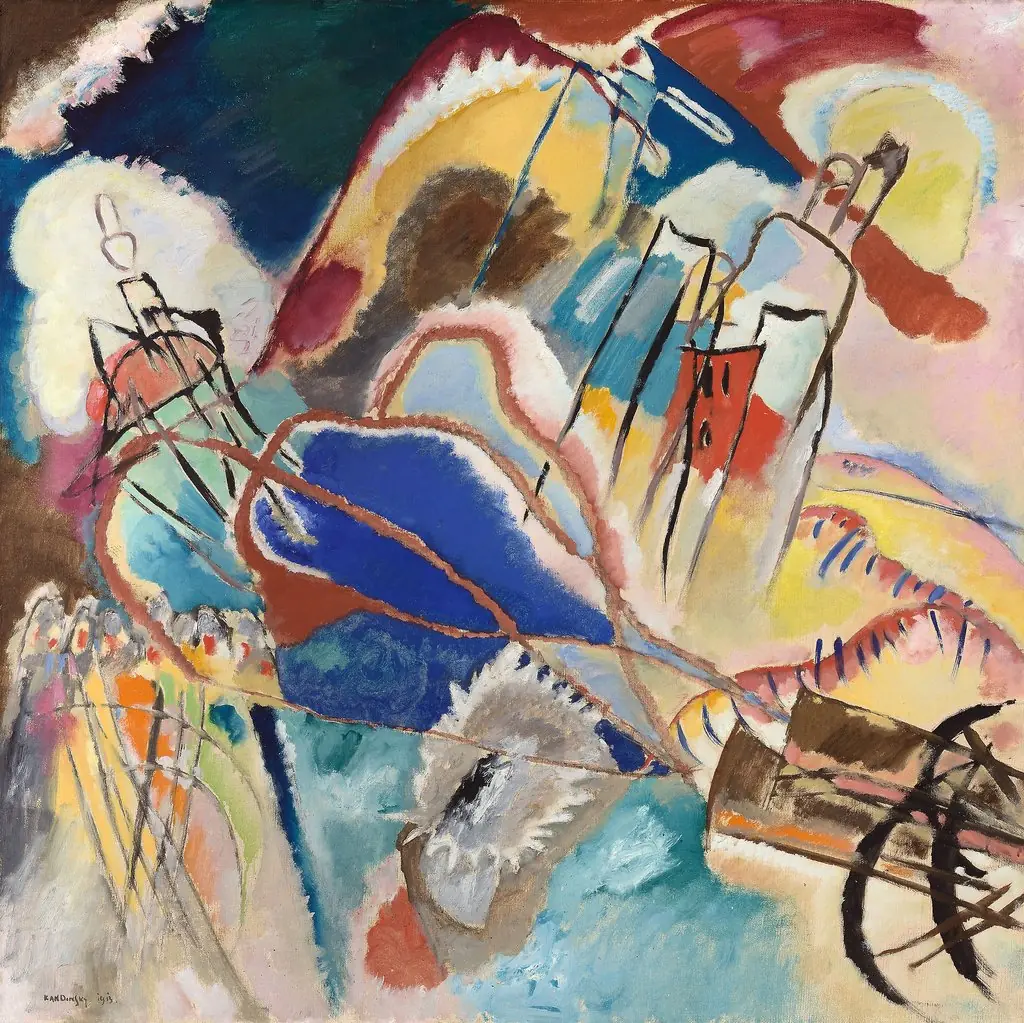
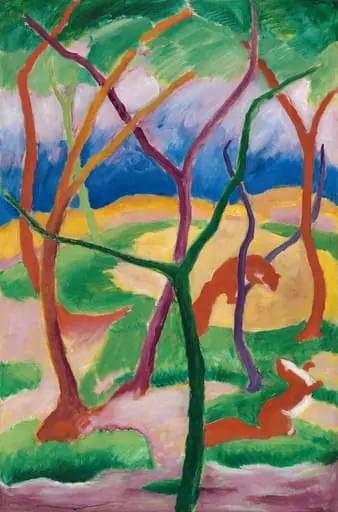
Der Blaue Berg is a 1908 oil painting by Wassily Kandinsky, housed in the Gemäldegalerie Alte Meister. Created during Kandinsky's early development as an artist, the work showcases his burgeoning experimentation with expressive color and form.
Subject & Meaning
While the title *Der Blaue Berg* (The Blue Mountain) suggests a specific subject, the painting's emphasis lies in its abstracted, expressive qualities rather than direct representation, hinting at Kandinsky's gradual shift towards non-representational art.
Technique & Style
The painting demonstrates Kandinsky's early adoption of vibrant, emotionally charged colors and distorted forms, characteristic of his transitional period towards abstraction, influenced by his artistic explorations in Munich.
History & Provenance
Painted when Kandinsky was 42, after beginning formal art training in Munich at 30, *Der Blaue Berg* was created during his association with Gabriele Münter, reflecting the artistic dialogues of their time together.
Context
Emerging during the late Belle Époque, the work reflects the era's artistic ferment while anticipating the advent of abstract art in Western Europe, positioning Kandinsky at the forefront of this movement.
Legacy
*Der Blaue Berg* is recognized as a pivotal work in Kandinsky's evolution towards abstraction, influencing the development of non-representational art in the 20th century.
Own this work as a print
Artist & collection
Artist
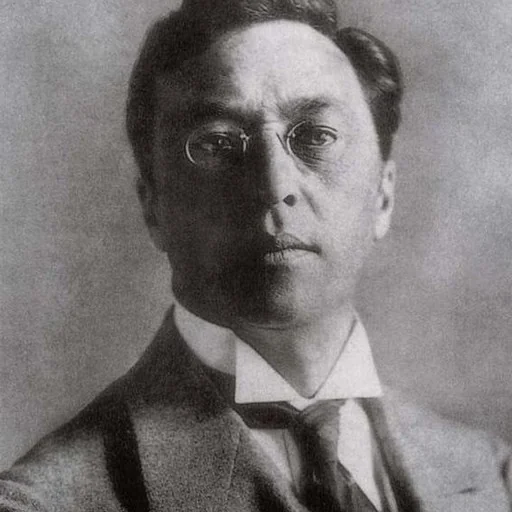
Wassily Wassilyevich Kandinsky (16 December 1866 – 13 December 1944) was a Russian painter and art theorist active in Germany during the late Belle Époque and Interwar eras.